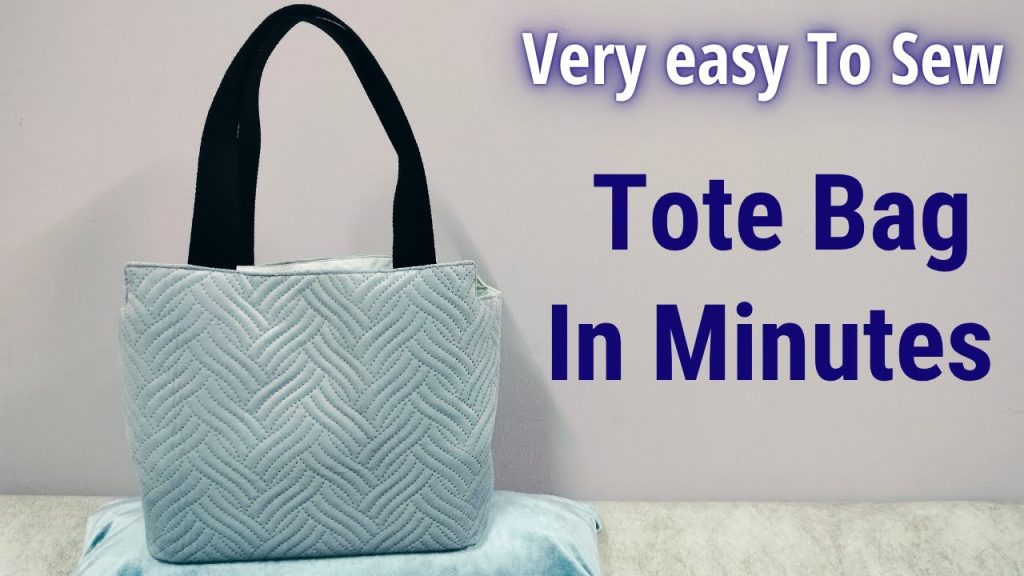
Have you ever wanted a stylish, sturdy tote bag made just by you? Sewing your own tote bag is easier than you think, even if you’re a complete beginner.
Imagine carrying a bag that’s not only unique but also perfectly fits your needs. In this guide, you’ll discover simple steps and handy tips to create your very first tote bag with confidence. Ready to turn fabric into something functional and fashionable?
Let’s get started!
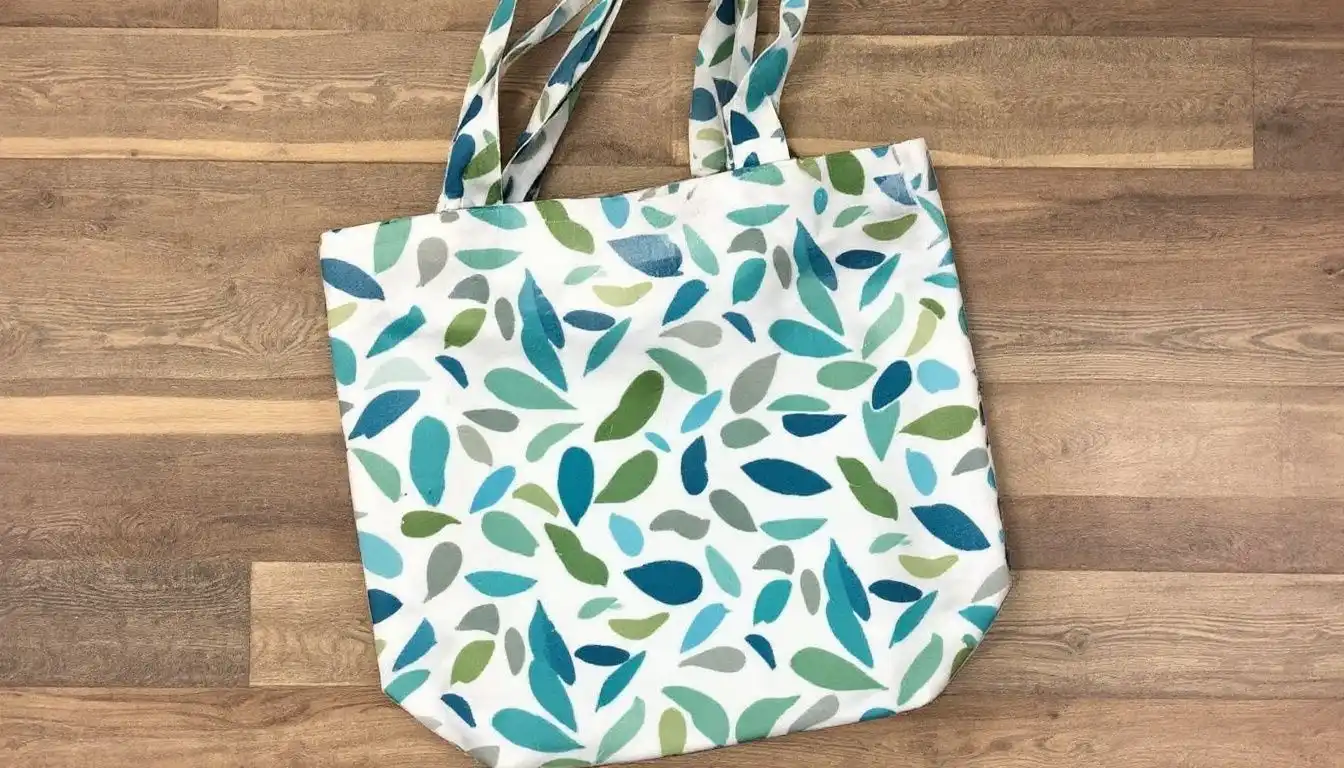
Credit: www.longancraft.com
Materials Needed
Sewing a tote bag is a fun project for beginners. You only need a few materials to get started.
Gather all the items before you begin to make the process easier and faster.
Fabric Choices
Choosing the right fabric is important for your tote bag. Pick fabric that is strong and easy to sew.
Common fabrics include cotton, canvas, and denim. These fabrics hold up well and look nice.
- Cotton: soft and easy to work with
- Canvas: sturdy and durable
- Denim: thick and long-lasting
- Linen: lightweight and breathable
Tools And Supplies
You will need some basic tools to sew your tote bag. These tools help you cut, sew, and finish your bag.
- Sewing machine or needle and thread
- Fabric scissors or rotary cutter
- Measuring tape or ruler
- Pins or clips to hold fabric
- Iron and ironing board
- Marking tools like chalk or fabric pen
- Thread that matches your fabric
Optional Embellishments
You can add decorations to your tote bag if you want. These items make your bag unique and personal.
- Fabric paint or markers
- Iron-on patches or appliques
- Buttons or beads
- Ribbon or lace trim
- Embroidery thread for designs
Preparing The Fabric
Preparing your fabric well makes sewing easier. It helps you avoid mistakes later.
Start by washing and ironing your fabric. This removes dirt and smooths wrinkles.
Measuring And Cutting
Measure your fabric carefully before cutting. Use a ruler or measuring tape for accuracy.
Mark the size of each piece you need. Cut the fabric with sharp scissors on a flat surface.
- Measure twice to avoid mistakes
- Cut slowly along your marks
- Keep fabric flat to prevent uneven edges
Marking Seam Allowances
Seam allowances are extra fabric edges for sewing seams. They keep your bag strong.
Use a fabric marker or chalk to draw seam lines. A common seam allowance is ½ inch wide.
- Mark seam lines clearly on all pieces
- Use a ruler for straight lines
- Check allowance size matches your sewing plan
Sewing The Main Body
Sewing the main body is a key part of making your tote bag. It joins the front and back panels and shapes the bag.
Follow simple steps to put the pieces together and create a sturdy base for your tote.
Assembling Front And Back Panels
Start by aligning the front and back panels with the right sides facing each other. Match edges carefully.
- Pin the top edges to hold the panels in place.
- Sew along the pinned edges with a straight stitch.
- Press the seams open with an iron for a flat finish.
- Check that the panels line up evenly on all sides.
Stitching Sides And Bottom
With the panels joined, sew the sides and bottom to form the bag’s shape. This step makes your tote sturdy.
| Part | Action | Tip |
| Side seams | Pin and sew from top to bottom | Use a ½ inch seam allowance |
| Bottom seam | Sew straight across the bottom edges | Backstitch at start and end |
| Seam finishing | Trim and press seams open | Use pinking shears to prevent fraying |
Creating The Handles
Making the handles for your tote bag is a key part of the project. Handles must be strong and comfortable to hold.
This guide will explain how to cut the handle strips and sew them onto your bag.
Cutting Handle Strips
Start by cutting two long strips of fabric for the handles. Use a firm fabric like canvas or denim for durability.
- Cut strips 4 inches wide and 24 inches long.
- Make sure the edges are straight and even.
- Use a rotary cutter for clean lines.
- Cut two strips for two handles.
Sewing And Attaching Handles
Fold each handle strip in half lengthwise, wrong sides together. Press with an iron to keep it flat.
| Step | Action | Tip |
|---|---|---|
| 1 | Sew along the open edge with a ¼ inch seam allowance. | Use a straight stitch for strength. |
| 2 | Turn the strip right side out using a safety pin or turning tool. | Push out the corners for a neat finish. |
| 3 | Topstitch along both long edges of the handle. | This adds durability and a professional look. |
| 4 | Pin each handle to the top edge of the tote bag body. | Space the handles evenly on both sides. |
| 5 | Sew handles securely to the bag with a box stitch or double stitch. | Backstitch at start and end for extra strength. |
Adding Finishing Touches
Finishing touches make your tote bag look neat and last longer. These small steps improve the bag’s strength and shape.
Let’s look at two important finishing steps: topstitching and pressing.
Topstitching For Durability
Topstitching means sewing a line of stitches on the top side of the fabric. It holds layers together firmly.
This stitch helps the bag keep its shape and makes straps stronger. It stops the seams from stretching or coming apart.
- Use a longer stitch length for neat topstitching.
- Stitch close to the edge, about 1/8 inch away.
- Double stitch areas with heavy use, like handles.
- Choose thread color that matches or contrasts nicely.
Pressing And Shaping
Pressing with an iron makes the fabric flat and crisp. It helps the bag look professional and clean.
Shaping means folding and pressing the bag to form the final look. It can create sharp corners or smooth curves.
- Press all seams open to reduce bulk.
- Use steam to soften fabric before shaping.
- Press handles flat for a neat finish.
- Shape the bag by folding corners and pressing firmly.
Troubleshooting Common Issues
Sewing a tote bag can be fun, but beginners may face issues. It’s important to know how to fix common problems.
This guide will help you solve issues like uneven seams and incorrect handle length.
Fixing Uneven Seams
Uneven seams can make your tote bag look messy. Check your fabric alignment before sewing.
If seams are still uneven, adjust your sewing machine’s tension. Practice on scrap fabric first.
- Ensure the fabric edges are aligned
- Adjust sewing machine tension
- Use a seam ripper to redo crooked seams
Adjusting Handle Length
Handles that are too long or short can be uncomfortable. Measure carefully before cutting your fabric.
If the handle length is wrong, adjust it by removing stitches and re-sewing. Use pins to hold fabric in place.
- Measure the desired handle length
- Pin handles to check fit
- Remove stitches to adjust length
Tips For Customizing Your Tote
Creating your own tote bag is a fun project. You can make it unique by adding personal touches. Here are some tips to customize your tote.
These ideas will help you add personality to your tote. Use simple techniques to make it special.
Adding Pockets
Pockets are useful for organizing items. They can be added inside or outside the tote.
Consider using different sizes for various items. Sew them securely for durability.
- Inner pockets for keys and phone
- Outer pockets for easy access
- Zippered pockets for security
Using Different Fabrics
Fabrics change the look and feel of your tote. Choose materials that suit your style and needs.
Mix and match fabrics for a unique design. Consider durability and ease of cleaning.
- Canvas for strength
- Cotton for softness
- Denim for a casual look
Decorative Stitching Ideas
Stitching adds decorative elements to your tote. Choose simple patterns for an elegant touch.
Use colorful threads to make the stitches pop. Experiment with different styles.
- Straight stitches for clean lines
- Zigzag stitches for a fun look
- Embroidery for detailed designs

Credit: www.youtube.com

Credit: www.youtube.com
Frequently Asked Questions
What Materials Do I Need To Sew A Beginner Tote Bag?
You need fabric, thread, scissors, pins, needles, and a sewing machine. Choose cotton or canvas for durability. Also, prepare a measuring tape and fabric chalk for accurate cutting.
How Long Does It Take To Sew A Tote Bag?
For beginners, it takes about 1 to 2 hours. This includes cutting fabric, sewing, and adding handles. With practice, time reduces significantly.
Can I Customize My Tote Bag Design?
Yes, you can add pockets, use patterned fabric, or apply patches. Personalizing makes your tote bag unique and practical.
What Stitches Are Best For Sewing A Tote Bag?
Use straight stitches for seams and backstitch for strength. Reinforce handles with a box stitch to ensure durability.
Conclusion
Sewing a tote bag is fun and simple for beginners. Start with basic tools and follow easy steps. Practice helps improve your skills quickly. Choose fabrics you like and enjoy creating. Each bag you make will feel more confident. Keep trying, and soon you will sew with ease.
Tote bags are useful and make great gifts. Enjoy the process and share your handmade work. Sewing opens a new world of creativity and joy.