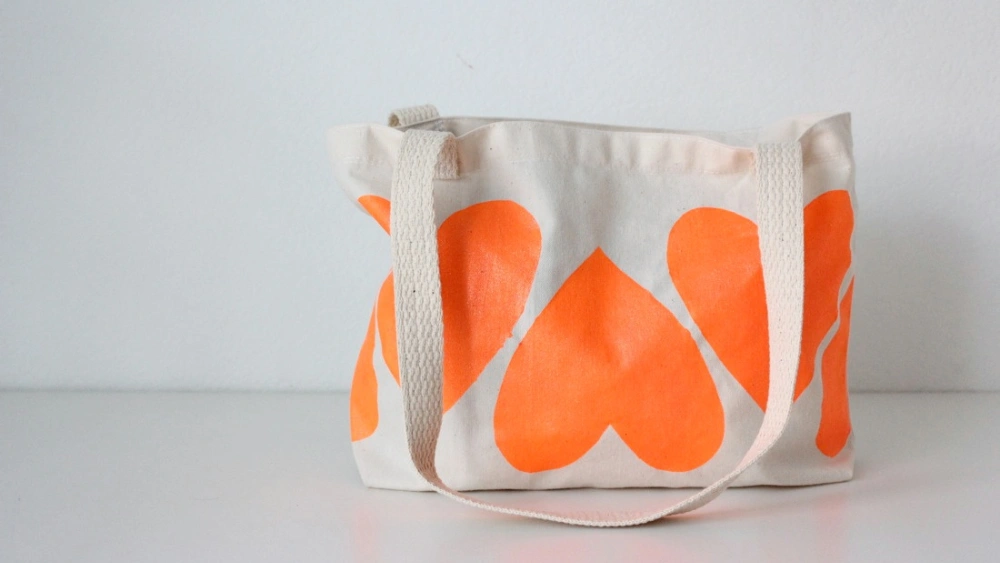
Have you ever wanted to turn a plain tote bag into a unique piece of art that shows off your style? Painting on a tote bag is easier than you think, and it’s a great way to make your everyday accessory truly yours.
Whether you want to create a bold design or a simple pattern, this guide will walk you through every step. By the end, you’ll have the skills to transform your tote bag into something special that stands out wherever you go.
Ready to get creative? Let’s dive in!
Choosing The Right Tote Bag
Painting on a tote bag is a fun and creative activity. Choosing the right tote bag is important for the best results. Consider material, size, shape, and whether the bag is pre-washed or new.
Material Options
The material of the tote bag affects how paint adheres. Cotton is a popular choice because it absorbs paint well. Canvas bags are thicker and hold more paint. Polyester bags may need special fabric paint.
- Cotton: Easy to paint, absorbs well.
- Canvas: Durable, holds paint well.
- Polyester: Requires fabric paint.
Size And Shape Considerations
The size and shape of the tote bag will affect your design. Large bags provide more space for detailed designs. Small bags are great for simple patterns. Consider the bag’s shape for your artwork layout.
- Large bags: More space for creativity.
- Small bags: Ideal for simple designs.
- Shape: Influences design layout.
Pre-washed Vs. New Bags
Pre-washed bags are softer and may absorb paint better. New bags may have a coating that affects painting. Washing new bags before painting can help remove any finishes.
- Pre-washed: Softer, better paint absorption.
- New: May need washing to remove finishes.

Credit: www.youtube.com
Selecting Paint And Tools
Painting on a tote bag is a fun way to make it unique. Choosing the right paint and tools makes your work easier and lasts longer.
It is important to pick fabric paint that sticks well and brushes that help you paint clean lines. You also need some extra supplies to protect your work.
Types Of Fabric Paint
Fabric paint comes in many kinds. Some dry soft, others stay shiny. Choose one that fits your style and the bag’s fabric.
- Acrylic Fabric Paint: Thick and bright, dries fast, good for cotton bags.
- Spray Fabric Paint: Easy to cover large areas, but needs a well-ventilated space.
- Fabric Markers: Great for small details and outlines.
- Glow-in-the-Dark Paint: Adds a fun effect that shines in the dark.
Brushes And Applicators
Using the right brushes helps you paint smoothly. Different brushes work for different parts of your design.
- Flat Brushes: Good for filling large areas evenly.
- Round Brushes: Perfect for details and curves.
- Sponge Brushes: Help create texture and blend colors.
- Foam Applicators: Useful for smooth and even paint layers.
Additional Supplies
Besides paint and brushes, some extra items make painting easier and cleaner. These keep your tote bag neat and protect your workspace.
- Masking Tape: Keeps paint inside your design edges.
- Palette or Plate: Holds and mixes paint colors.
- Old Newspapers or Plastic Sheet: Protects your table from paint stains.
- Water Cup: Cleans brushes between colors.
- Paper Towels or Rags: Wipe brushes and fix mistakes.
- Cardboard Insert: Place inside the bag to stop paint from bleeding through.
Preparing The Tote Bag
Painting on a tote bag can be fun and creative. Before you start, you need to prepare the bag well.
Preparing the bag helps the paint stick better and last longer. It also keeps your workspace clean and safe.
Cleaning And Drying
Clean the tote bag to remove dust, dirt, or oils. These can stop the paint from sticking properly.
Use a mild soap and warm water to wash the bag by hand. Rinse it well to remove soap residue.
After washing, dry the tote bag completely. Paint will not stick well on a wet surface.
Setting Up Your Workspace
Choose a flat, stable surface to work on. Good lighting helps you see the details clearly.
Gather all your supplies nearby. This stops you from moving around and making a mess.
- Use a table or desk with enough space
- Place your paints, brushes, and water within reach
- Have paper towels or rags ready for spills
Protecting Surfaces
Cover your workspace with newspaper or a plastic sheet. This keeps paint from staining your table.
Insert a piece of cardboard inside the tote bag. It stops the paint from bleeding through to the other side.
- Use old newspapers or craft paper to cover surfaces
- Place a firm cardboard inside the bag before painting
- Wear old clothes or an apron to protect yourself
Design Planning And Sketching
Painting on a tote bag starts with good planning. Sketching your design helps you see how it will look.
Taking time to plan saves mistakes and makes your painting easier and neater.
Choosing Your Design
Pick a design that fits the size of your tote bag. Simple shapes work best for beginners.
Think about colors and style. Choose images that you like and can paint well.
- Use nature themes like flowers or leaves
- Try geometric shapes for a modern look
- Write short words or phrases
- Draw animals or favorite characters
Transferring Sketches
After sketching on paper, transfer your design to the tote bag. This guides your painting.
Use light pencil lines or transfer paper to avoid mistakes. Be gentle to not damage fabric.
- Trace design with carbon or transfer paper
- Use light pencil marks for easy correction
- Place paper inside the tote to avoid bleed
- Double-check placement before tracing
Using Stencils And Templates
Stencils help paint neat shapes. You can buy or make your own templates.
Secure stencils on the bag before painting. This stops smudges and keeps edges clean.
- Cut shapes from plastic or thick paper
- Use painter’s tape to hold stencils in place
- Apply paint with a sponge or brush gently
- Lift stencil carefully to avoid smears
Painting Techniques
Painting on a tote bag is a fun way to create unique designs. Using the right techniques helps your art look clean and lasts longer.
We will explore three painting techniques: basic brush strokes, layering colors, and creating textures and effects. Each technique adds different styles to your tote bag.
Basic Brush Strokes
Basic brush strokes form the foundation of your painting. You can use flat, round, or angled brushes for different effects. Practice smooth, even strokes to cover areas cleanly.
- Flat strokes: good for filling large spaces
- Round strokes: ideal for details and curves
- Angled strokes: perfect for sharp edges and shapes
- Dabbing: creates soft dots or textures
Layering Colors
Layering colors adds depth and richness to your design. Let each layer dry before applying the next. You can mix colors or paint over dried layers to create new shades.
| Layer | Purpose | Tip |
| Base layer | Cover large areas | Use light colors first |
| Middle layers | Add shading or highlights | Apply thin coats |
| Top layer | Finish details | Use fine brushes |
Creating Textures And Effects
Textures make your painting stand out. Try different tools and methods to create unique effects on your tote bag.
Here are some texture ideas you can try:
- Sponging: Dab paint with a sponge for a mottled look.
- Stippling: Use the tip of a dry brush to make dots.
- Scraping: Drag a tool through wet paint to create lines.
- Splattering: Flick paint with a brush for random spots.
Drying And Setting The Paint
Painting on a tote bag is a fun activity. Ensuring the paint dries and sets properly is crucial. This helps the design last longer and look vibrant.
Drying and setting the paint involves a few simple steps. Let’s explore air drying, heat setting methods, and ways to avoid smudges.
Air Drying Tips
Air drying is the most natural method. It requires patience but is very effective.
- Place the tote bag in a well-ventilated area.
- Ensure it is away from direct sunlight.
- Allow the paint to dry for at least 24 hours.
Heat Setting Methods
Heat setting makes the paint more durable. It fixes the paint to the fabric permanently.
- Use an iron on a low setting. Place a cloth between the iron and the paint.
- Apply heat for about 3-5 minutes over each section.
- Alternatively, place the tote in the dryer for 30 minutes on medium heat.
Avoiding Smudges
Smudges can ruin your hard work. Follow these tips to keep your design clean.
| Tip | Details |
| Avoid touching | Do not handle the painted area until dry. |
| Work in sections | Let each part dry before moving to another. |
| Use fixatives | Spray a fixative to seal the paint. |
Caring For Painted Tote Bags
Painted tote bags add style to your everyday carry. Taking care of them keeps the colors bright and the fabric strong. Proper care helps your artwork last longer and look fresh.
Learn simple ways to wash, store, and fix small problems on your painted tote bags. These tips make sure your bag stays in great shape.
Washing Instructions
Washing painted tote bags needs care to protect the paint. Avoid harsh methods that can cause fading or cracking.
- Hand wash the tote bag in cold water with mild soap.
- Do not scrub the painted area hard; gently clean it.
- Rinse well and avoid soaking the bag for long.
- Air dry the bag flat or hang it away from direct sunlight.
- Do not use bleach or strong detergents.
Storage Tips
Proper storage keeps your painted tote bag safe from damage and dust. Store it in a dry place away from strong sunlight or heat.
| Storage Method | Why It Helps |
| Keep bag flat or gently folded | Prevents creases on paint |
| Use breathable fabric bags | Allows air circulation, avoids moisture |
| Store in a cool, dark place | Protects colors from fading |
| Avoid heavy items on top | Prevents paint cracking or fabric damage |
Repairing Minor Flaws
Small flaws like scratches or chips can happen. Fixing them quickly keeps your tote bag looking good.
Try these repair tips:
- Clean the area with a soft cloth and mild soap.
- Touch up with matching fabric paint using a small brush.
- Let the paint dry fully before using the bag.
- For cracks, apply a thin layer of clear fabric medium to seal.
- If paint peels, gently scrape loose paint before repainting.

Credit: www.youtube.com

Credit: www.youtube.com
Frequently Asked Questions
What Paint Is Best For Painting On Tote Bags?
Acrylic fabric paint is best for tote bags. It adheres well and remains flexible after drying. It resists cracking and fading, perfect for durable designs.
How Do I Prepare A Tote Bag For Painting?
Wash and dry the tote bag to remove sizing or dirt. Iron it flat for a smooth surface. Insert cardboard inside to prevent paint bleed-through.
Can I Use Regular Acrylic Paint On Tote Bags?
Regular acrylic paint can be used but may crack or peel. Fabric paint has additives for flexibility and durability on fabric surfaces.
How Do I Fix Mistakes While Painting On Tote Bags?
Act quickly by dabbing mistakes with a damp cloth. For dried paint, carefully scrape off with a craft knife before repainting.
Conclusion
Painting on a tote bag is a fun and creative project. You only need a few supplies to start. Choose your favorite design and take your time. Let the paint dry well before using the bag. This way, your artwork stays bright and lasts long.
Personalizing a tote bag makes it special and unique. Try different colors and shapes to express yourself. Enjoy the process and wear your new bag with pride. Simple steps can lead to beautiful results. Keep practicing to improve your painting skills.