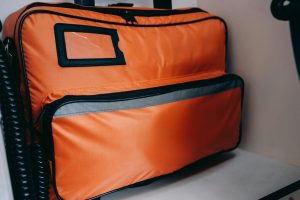
Are you tired of using flimsy lunch bags that don’t last or fail to keep your food fresh? Imagine having a lunch bag that’s just the right size, made with your favorite fabric, and built to last.
Learning how to stitch your own lunch bag is easier than you think, and it gives you full control over style and function. In this guide, you’ll discover simple steps to create a practical, durable lunch bag that suits your daily needs.
Ready to save money and add a personal touch to your meals? Let’s get started!
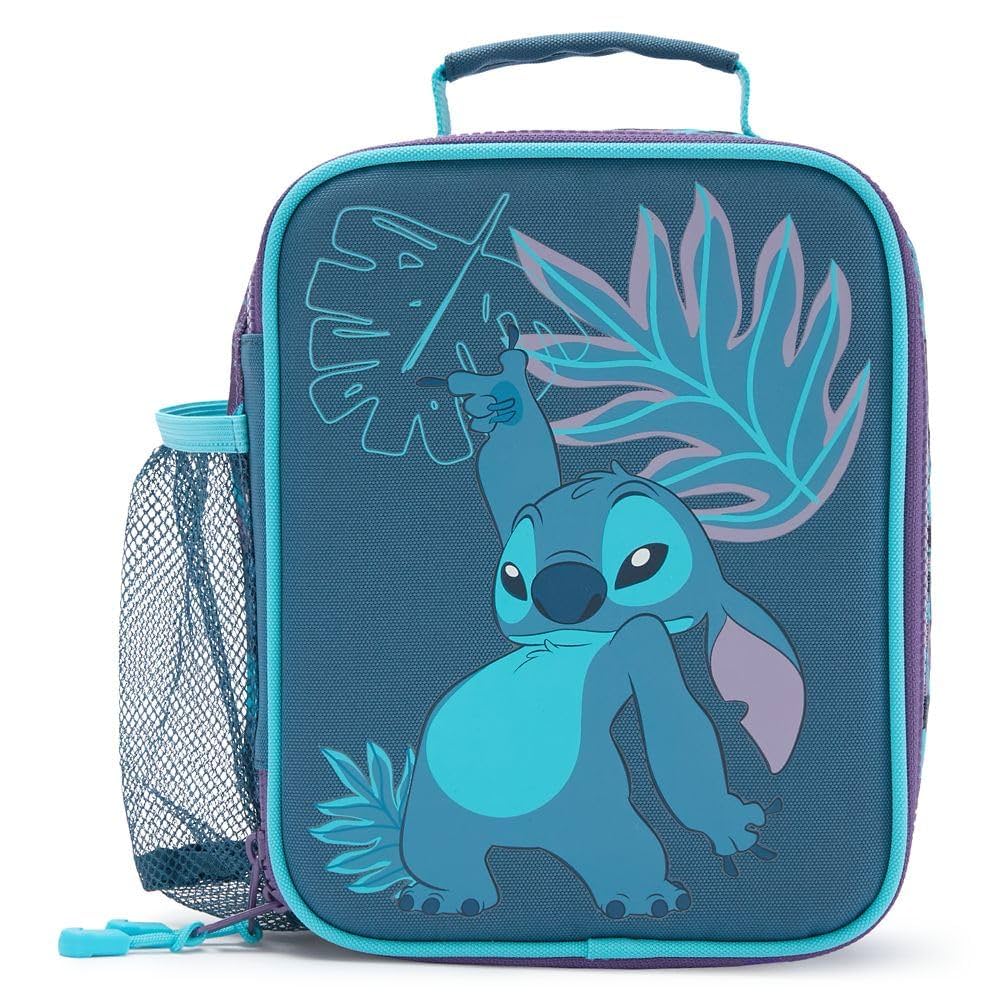
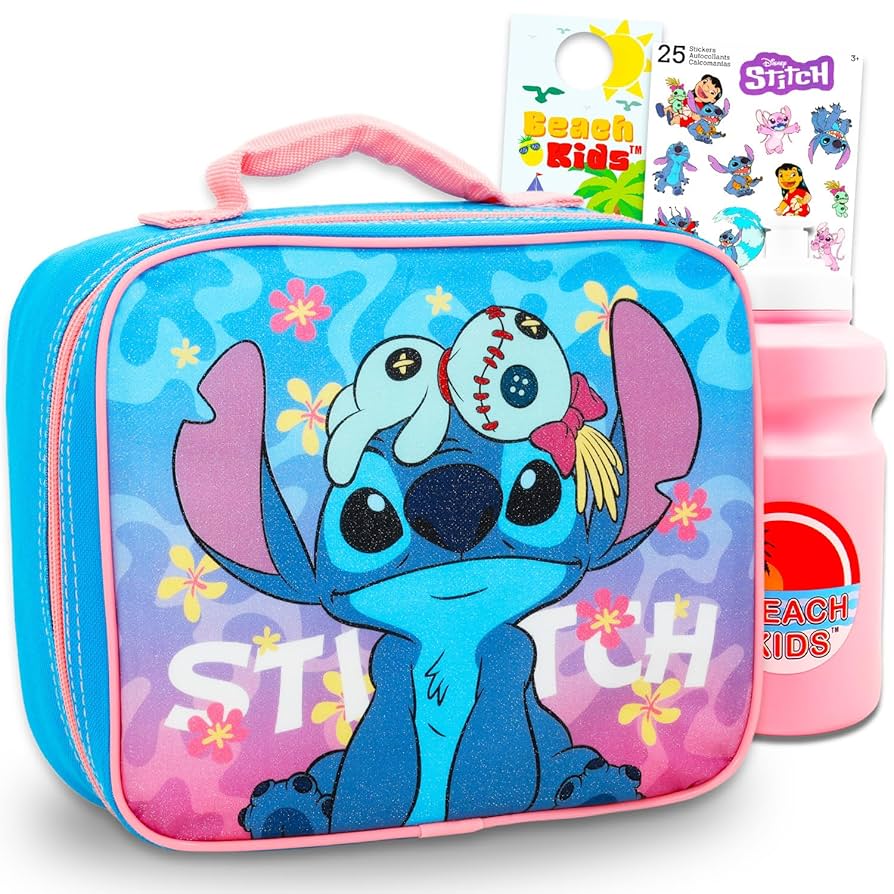
Credit: www.amazon.com
Materials Needed
To stitch a lunch bag, you need some basic materials. These items help you create a strong and useful bag.
Gathering the right fabric, tools, and supplies makes the sewing process easier and more fun.
Fabric Choices
Choose fabrics that are durable and easy to clean. Cotton canvas and oilcloth work well for lunch bags.
- Cotton canvas: strong and washable
- Oilcloth: waterproof and wipeable
- Felt: soft but less durable
- Insulated fabric: keeps food cool or warm
Sewing Tools
You need basic sewing tools to cut, pin, and stitch the fabric. These tools help you work with ease and precision.
| Tool | Purpose |
|---|---|
| Scissors | Cut fabric pieces |
| Pins or clips | Hold fabric layers together |
| Sewing machine | Stitch fabric quickly |
| Measuring tape | Measure fabric and seams |
| Iron | Press seams flat |
Additional Supplies
Extra items help finish your lunch bag nicely and add useful features like closure and handles.
- Zipper or Velcro for closing the bag
- Thread matching the fabric color
- Interfacing or batting for padding
- Webbing or fabric strips for handles
- Fabric marker or chalk for marking cuts
Preparing The Fabric
Preparing the fabric is the first step to stitch a lunch bag. It helps make the bag strong and neat.
Good preparation saves time and improves the final look of your lunch bag.
Measuring And Cutting
Measure the fabric pieces carefully before cutting. Accurate sizes make sewing easier.
Use a ruler and fabric chalk to mark the measurements clearly. Cut along the lines with sharp scissors.
- Measure twice to avoid mistakes
- Cut on a flat surface
- Keep edges straight for easy sewing
Adding Interfacing
Interfacing adds stiffness to the fabric. It helps the lunch bag hold its shape well.
Cut interfacing pieces to match your fabric. Attach it by ironing or sewing, based on the type used.
- Use fusible interfacing for easy ironing
- Match interfacing size with fabric pieces
- Follow manufacturer instructions for best results
Sewing The Main Body
Creating a lunch bag is a fun and useful sewing project. Let’s start with sewing the main body of the bag.
We’ll cover two main tasks: stitching the sides and creating the bottom. Follow these simple instructions to complete the main part of your lunch bag.
Stitching The Sides
Stitching the sides of your lunch bag is an essential step. This ensures the bag is sturdy and can hold its shape.
- Align the fabric pieces for the sides.
- Pin them together carefully.
- Sew along the edges using a straight stitch.
- Remove the pins after sewing.
- Press the seams flat with an iron.
Creating The Bottom
The bottom of the lunch bag provides support for your items. Make sure it is secure and well-stitched.
Use a piece of stiff interfacing to reinforce the bottom. Cut it to fit the base dimensions.
- Place interfacing between fabric layers.
- Secure with pins before sewing.
- Sew all around the edges of the base.
This will make the bottom of your lunch bag strong and durable.
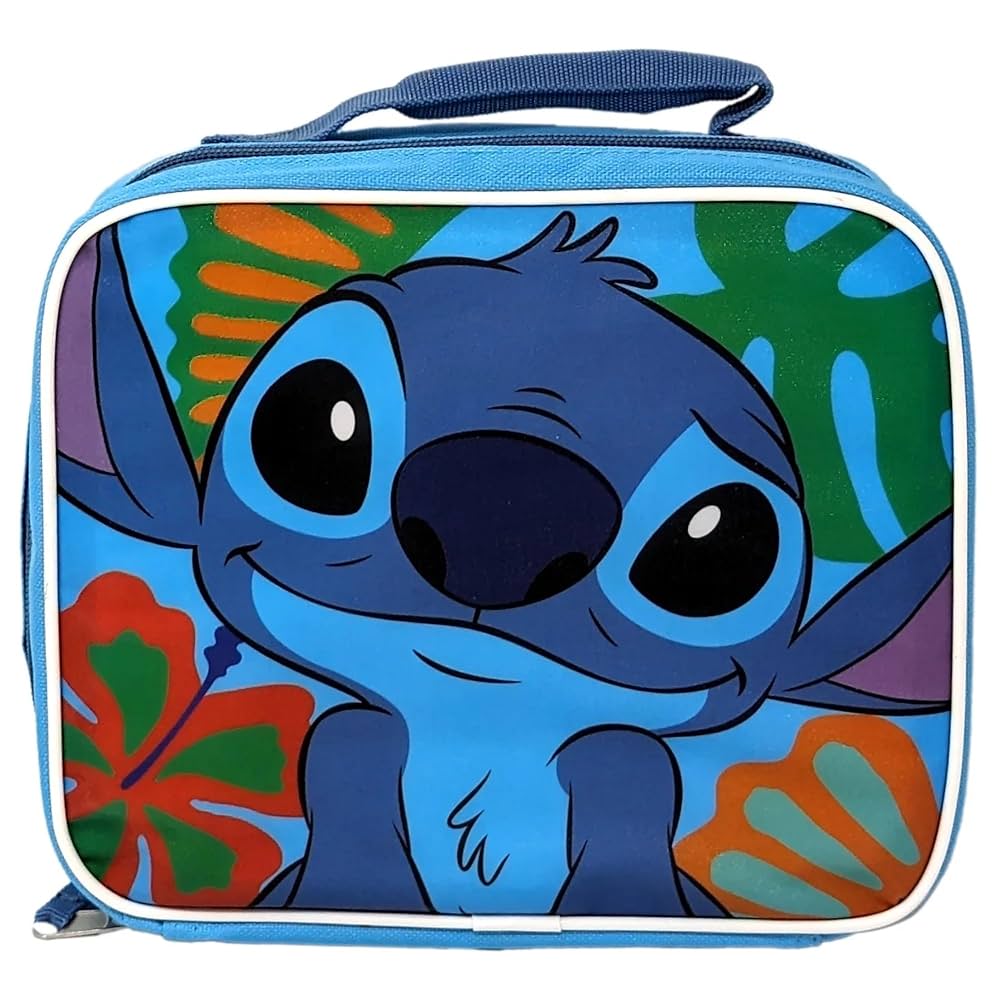
Credit: www.amazon.com
Adding The Lining
Adding a lining to your lunch bag makes it stronger and keeps it clean inside. The lining also helps keep the food insulated and fresh.
This guide shows how to cut and attach the lining fabric for a neat finish.
Cutting The Lining Fabric
Choose a fabric that is easy to clean, like oilcloth or laminated cotton. Use the same pattern pieces you used for the outside fabric.
Cut the lining fabric carefully to match the size and shape of your lunch bag parts.
- Place the pattern on the lining fabric.
- Pin the pattern to keep it steady.
- Cut along the edges of the pattern.
- Cut two pieces for the front and back.
- Cut pieces for the sides and bottom as needed.
Attaching The Lining
Pin the lining fabric to the outer fabric with the right sides facing each other. Sew along the edges, leaving a small gap to turn the bag right side out.
Turn the bag inside out through the gap. Push out the corners for a clean shape. Sew the gap closed with a top stitch for a neat look.
- Place lining and outer fabric right sides together.
- Pin all edges securely.
- Sew around the edges, leaving a small opening.
- Turn the bag right side out through the opening.
- Push out corners for good shape.
- Sew the opening closed with a top stitch.
Crafting The Closure
Creating a secure closure is important for your lunch bag. It keeps the food inside safe and fresh. There are different ways to make the closure.
This guide covers how to pick the closure type and attach Velcro or a zipper.
Choosing A Closure Type
Choose a closure that fits your needs. Think about how easy it is to open and close the bag. Also, consider how strong and durable the closure should be.
- Velcro is easy to sew and use.
- Zippers offer a tight seal.
- Buttons are decorative but less secure.
- Snaps provide a firm hold but need tools to attach.
Attaching Velcro Or Zipper
Velcro and zippers are popular closures for lunch bags. Attach them carefully for best results. Follow these steps to sew each type properly.
- Measure the bag opening to fit the closure length.
- Pin the Velcro or zipper in place on the fabric edge.
- Use a strong thread for sewing the closure.
- Sew slowly to keep the closure straight and secure.
- Test the closure to make sure it opens and closes smoothly.
| Closure Type | Tools Needed | Best For |
| Velcro | Needle, thread, pins | Quick open and close |
| Zipper | Needle, thread, zipper foot | Secure and tight seal |
Creating Handles Or Straps
Handles or straps make your lunch bag easy to carry. They add both function and style to your project.
In this guide, learn how to measure and sew handles to your lunch bag. Follow these simple steps to create durable straps.
Measuring And Cutting Straps
First, decide how long you want your straps to be. Longer straps can be worn over the shoulder, while shorter ones are carried by hand.
Use a measuring tape to get the right length. Add an extra inch to each end for sewing. Cut the fabric strips using sharp scissors.
- Measure the desired length
- Add one inch to each end
- Cut the fabric strips
Sewing Handles To Bag
Place each strap end on the bag’s top edge. Ensure they are evenly spaced and aligned.
Sew the strap ends to the bag with a strong stitch. Reinforce by sewing an “X” inside a square for extra durability.
- Align strap ends on bag edge
- Use strong stitches to attach
- Sew “X” pattern for strength
Finishing Touches
Finishing touches make your lunch bag look neat and last longer. These steps help protect the fabric and add style.
Two important finishing steps are topstitching for durability and adding decorative elements to personalize your bag.
Topstitching For Durability
Topstitching strengthens the seams and keeps the bag’s shape. Use a longer stitch length for a clean look.
Stitch close to the edge to reinforce areas that get the most wear, like handles and openings.
- Use a strong thread for better support
- Keep stitches even and straight
- Double stitch corners for extra strength
- Check both sides for neatness
Adding Decorative Elements
Decorative elements make your lunch bag unique and fun. Choose simple designs that match your style.
You can add patches, buttons, or fabric paint to decorate the bag without adding bulk.
- Iron-on patches for easy application
- Sew on buttons or beads carefully
- Use fabric markers for drawings
- Add ribbon or lace along edges

Credit: www.amazon.com
Care Tips For Your Lunch Bag
Keeping your lunch bag clean helps it last longer. Proper care keeps it looking fresh. Follow simple tips to maintain your bag well.
Good care also stops odors and stains. Learn easy ways to clean and store your lunch bag safely.
Cleaning Instructions
Wash your lunch bag regularly to avoid germs. Use mild soap and warm water for cleaning. Avoid harsh chemicals that can damage the fabric.
- Remove all food and crumbs before washing
- Hand wash with soft cloth or sponge
- Rinse thoroughly to remove soap
- Air dry completely before use
- Spot clean stains immediately
Storage Suggestions
Store your lunch bag in a dry place after use. Avoid folding it tightly to keep its shape. Let it air out to prevent smells and moisture build-up.
| Do | Don’t |
| Keep bag dry before storing | Store bag while wet or damp |
| Use a clean, dry shelf or drawer | Place near strong-smelling items |
| Open bag fully to air out | Fold or crush bag tightly |
Frequently Asked Questions
What Materials Do I Need To Stitch A Lunch Bag?
You need fabric, thread, scissors, a sewing machine, zipper or Velcro, and insulation material. Choose durable, washable fabrics for best results. Insulation keeps food fresh longer, making your lunch bag practical and reusable.
How Long Does It Take To Stitch A Lunch Bag?
Stitching a lunch bag typically takes 1 to 2 hours. Time varies based on your sewing skills and bag complexity. Simple designs are quicker, while adding insulation or pockets takes extra time.
Can Beginners Easily Stitch A Lunch Bag?
Yes, beginners can stitch a lunch bag with basic sewing skills. Start with simple patterns and follow step-by-step guides. Practice straight stitching and use clear instructions to achieve good results.
What Is The Best Fabric For A Lunch Bag?
Cotton canvas or nylon are best due to durability and ease of cleaning. Choose water-resistant fabrics for better insulation. Avoid delicate materials that stain or wear out quickly.
Conclusion
Stitching a lunch bag is a simple and useful skill. You only need a few materials and some patience. Following easy steps helps you create a strong, practical bag. It saves money and lets you choose your favorite colors and patterns.
This project also gives a sense of pride and fun. Try making one for yourself or as a gift. Enjoy the process and the result. Sewing can be both relaxing and rewarding. Keep practicing, and your skills will improve quickly.