Are you ready to turn your passion for leather into a profitable business? Starting a leather bag manufacturing business can be your ticket to creativity and financial freedom.
But where do you begin? This guide will walk you through every essential step, helping you avoid common pitfalls and set up your business for success. Whether you’re a beginner or have some experience, you’ll discover practical tips that make the process clear and manageable.
Keep reading to unlock the secrets of building a leather bag brand that stands out and thrives.

Credit: finmodelslab.com
Market Research
Market research is a key part of starting a leather bag business. It helps you understand your customers and market well.
Good research guides your decisions and reduces risks. It shows what people want and what sells best.
Identify Target Customers
Find out who will buy your leather bags. Think about age, gender, and lifestyle of customers.
Knowing your customers helps you design bags they like and set the right price.
- Age groups: youth, adults, or seniors
- Gender preferences: men, women, or unisex
- Income levels: budget, mid-range, or luxury buyers
- Use: daily use, travel, work, or fashion
Analyze Competitors
Look at other leather bag makers in your area or online. See what they offer and their prices.
Learn what makes their bags popular or what customers dislike. This helps you find your unique offer.
- Check bag designs and styles
- Note their price points
- Study their marketing methods
- Read customer reviews
Explore Market Trends
Stay updated on fashion and leather bag trends. Trends change what customers want to buy.
Use trend info to create bags that match current styles and materials.
- Popular bag shapes and sizes
- Leather types and colors in demand
- New features like eco-friendly materials
- Seasonal preferences and styles
Credit: medium.com
Business Planning
Starting a leather bag manufacturing business needs careful planning. This helps avoid problems later.
Good business planning covers choosing a model, estimating costs, and setting prices.
Choose Business Model
Pick a business model that fits your skills and goals. You can make bags by hand or use machines.
- Handmade bags: focus on quality and uniqueness
- Machine-made bags: higher volume and faster production
- Wholesale: sell bags to stores or other businesses
- Direct to consumer: sell bags online or in your own shop
Estimate Startup Costs
Calculate how much money you need to start. Include all expenses to avoid surprises.
| Cost Item | Estimated Amount (USD) |
| Leather and materials | $2,000 |
| Tools and equipment | $1,500 |
| Workshop rent | $800 |
| Labor costs | $1,200 |
| Marketing and sales | $500 |
| Miscellaneous | $300 |
| Total | $6,300 |
Set Pricing Strategy
Set prices that cover costs and bring profit. Prices should match your market and product quality.
Use this simple formula to set prices:
- Price = Cost of materials + Labor + Overhead + Profit margin
Check competitor prices to keep your prices fair.
Legal Requirements
Starting a leather bag manufacturing business needs careful attention to legal details. Understanding these requirements helps you operate smoothly and avoid problems.
You need to register your business, get necessary licenses, and understand tax rules. This guide will help you with these steps.
Register Your Business
To legally start your leather bag business, register it with the local government. This gives your business a legal identity.
Choose a unique name and decide on the business structure. Options include sole proprietorship, partnership, or corporation.
- Sole proprietorship: Easy to set up
- Partnership: Share responsibilities with others
- Corporation: Separate legal entity for larger operations
Obtain Licenses And Permits
Your leather bag business needs specific licenses. These depend on your location and the scale of your operations.
Common licenses include a business license, sales tax permit, and manufacturing permit. Check with local authorities for exact requirements.
- Business license: General operation permit
- Sales tax permit: For collecting sales tax
- Manufacturing permit: For production activities
Understand Tax Obligations
Learn about the taxes your business must pay. This includes income tax, sales tax, and possibly others depending on your location.
Keep accurate financial records to ensure you pay the correct amount. Consider hiring an accountant for guidance.
- Income tax: Based on business earnings
- Sales tax: Collected from customers
- Property tax: If you own business property
Credit: finmodelslab.com
Material Sourcing
Starting a leather bag business needs good material sourcing. This is a key part of making quality bags.
Finding the right leather and suppliers helps keep your costs low. It also ensures your products last long.
Select Leather Types
Choose leather types based on your bag design and budget. Different leathers offer different looks and strength.
Common leather types include full-grain, top-grain, and bonded leather. Each type has pros and cons.
- Full-grain leather is strong and ages well.
- Top-grain leather is smooth and affordable.
- Bonded leather is cheap but less durable.
Find Reliable Suppliers
Look for suppliers who provide quality leather consistently. Check reviews and ask for samples before buying.
Build good relationships with suppliers. This helps with better prices and timely delivery.
- Verify supplier certifications and experience.
- Compare prices from different suppliers.
- Ask about delivery times and return policies.
Manage Inventory
Keep track of your leather stock to avoid shortages or waste. Use a simple system to record materials in and out.
Order materials regularly based on sales and production needs. Store leather properly to keep it fresh and strong.
- Use spreadsheets or inventory software.
- Check leather condition before use.
- Rotate stock to use older material first.
Production Setup
Starting a leather bag manufacturing business needs a good production setup. This setup helps make quality bags fast and cost-effectively.
Focus on choosing the right location, buying equipment, and hiring skilled workers. These parts build a strong base for your business.
Choose Manufacturing Location
Select a place that is easy to reach for workers and suppliers. It should have enough space for machines and storage.
Consider low rent areas with good transport links. Check for nearby markets to sell your bags.
- Near raw material suppliers
- Close to main roads or highways
- Accessible to skilled labor
- Safe and secure environment
Purchase Equipment
Buy machines that help cut, stitch, and finish leather bags. Good tools improve speed and quality.
Start with basic equipment and add more as your business grows. Keep tools well maintained to avoid delays.
- Leather cutting machines
- Sewing machines for leather
- Edge finishing tools
- Measuring and marking tools
Hire Skilled Workers
Find workers who know how to work with leather. Skilled hands make strong and attractive bags.
Train new workers to keep high quality. A good team helps your business grow smoothly.
- Leather cutters
- Sewing operators
- Quality inspectors
- Design assistants
Design And Prototyping
Design and prototyping are key steps in starting a leather bag business. They help create bags that customers want to buy.
Good designs and prototypes reduce mistakes and improve product quality. They save time and money in the long run.
Create Unique Designs
Unique designs set your leather bags apart. Think about style, size, and function. Use sketches or software to draw your ideas.
- Research current bag styles and trends
- Choose leather types and colors
- Decide on features like pockets and straps
- Sketch multiple design options
- Get feedback from potential customers
Develop Prototypes
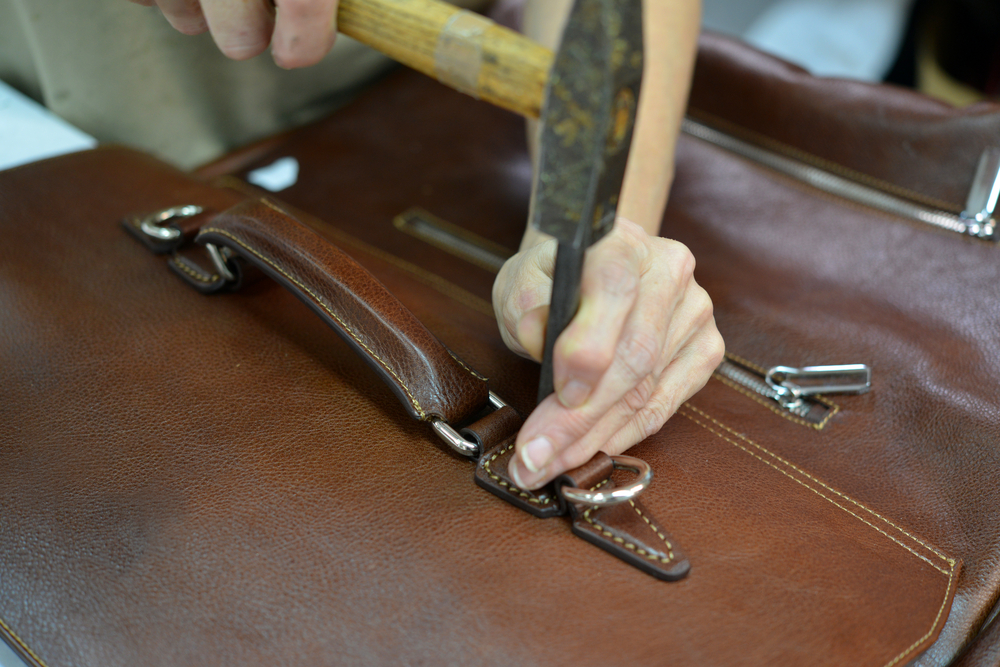
Prototypes are sample bags made from your designs. They help you see how the final product looks and feels.
| Prototype Step | Purpose |
| Material selection | Choose leather and hardware |
| Cutting pieces | Shape leather parts |
| Stitching | Assemble pieces together |
| Finishing | Add details and polish |
Test Product Quality
Testing ensures the bag is strong and practical. Check seams, zippers, and comfort. Fix problems before mass production.
- Inspect stitching for strength and neatness
- Check zipper and hardware function
- Assess bag weight and comfort when worn
- Test water resistance and durability
- Ask others to use and give feedback
Marketing Strategies
Marketing is key to growing your leather bag business. Good strategies bring more customers and sales.
Use clear plans to reach your audience and show why your bags are special.
Build Brand Identity
Create a strong brand to make your bags stand out. Your brand shows your style and values.
Use a memorable logo, colors, and a unique story. These help customers recognize your business easily.
- Design a simple, clear logo
- Choose colors that fit your style
- Write a story about your craft and quality
- Keep your message consistent on all materials
Leverage Social Media
Social media lets you show your bags to many people. Use it to share photos and stories.
Post regularly and interact with followers. This builds trust and interest in your products.
- Share high-quality images of your bags
- Post behind-the-scenes videos of making bags
- Answer questions and reply to comments quickly
- Use hashtags to reach more people
Attend Trade Shows
Trade shows help you meet buyers and other business owners. Show your bags in person.
Prepare samples and brochures. Be ready to explain what makes your bags different.
- Choose shows with buyers interested in leather goods
- Display your best bag designs
- Collect contact info for follow-up
- Network with suppliers and peers
Sales Channels
Choosing the right sales channels is important for your leather bag business. Different channels help you reach more customers.
Using several sales channels can increase your sales and brand visibility.
Set Up Online Store
An online store lets you sell leather bags directly to customers. It is open 24/7 and reaches people everywhere.
Use platforms like Shopify or WooCommerce to build your store. Add clear photos and product details to attract buyers.
- Create easy navigation for visitors
- Offer secure payment methods
- Provide fast shipping options
- Use customer reviews to build trust
Partner With Retailers
Work with local shops or boutiques to sell your leather bags. Retailers already have customers who trust them.
Build good relationships with store owners. Offer them attractive prices and support to promote your products.
- Visit stores and show your product samples
- Negotiate fair terms and delivery schedules
- Provide marketing materials for retailers
- Keep communication open for feedback
Explore Wholesale Options
Sell your leather bags in large quantities to wholesalers. They distribute products to many smaller stores or markets.
Wholesale helps you increase sales volume and reach new regions. Set clear prices and order minimums for wholesalers.
- Prepare a price list and product catalog
- Set minimum order quantities
- Offer discounts for large orders
- Deliver products on time and in good condition
Financial Management
Managing money is important for your leather bag business. Good financial management helps you stay organized and grow your company.
Keep track of all money coming in and going out. This helps you make smart choices and avoid problems.
Track Expenses And Revenue
Record all costs like materials, tools, and labor. Also, note every sale and income from your bags.
Use simple accounting software or spreadsheets to track these. This shows your profit and helps with taxes.
- List all purchases and bills
- Record sales daily or weekly
- Check your cash flow regularly
Plan For Growth
Set clear money goals for your business. Think about how much you want to sell and what new products to add.
Make a budget that covers costs and savings. Planning helps you spend wisely and prepare for busy times.
- Forecast sales for the next year
- Set budgets for materials and marketing
- Save money for future needs
Secure Funding
You may need money to start or grow your business. Look for loans, investors, or personal savings to get funds.
Prepare a simple business plan to show how you will use the money. This builds trust with lenders or investors.
- Check local banks for small business loans
- Ask friends or family for support
- Consider crowdfunding or grants
Quality Control
Quality control is key in leather bag manufacturing. It helps keep your products strong and attractive.
Good quality control builds trust with customers and reduces returns or complaints.
Implement Inspection Processes
Check leather and materials before production. Reject any items that do not meet standards.
Inspect bags during and after making. Look for defects like loose stitches or scratches.
- Test leather for strength and color
- Check stitching for evenness and tightness
- Examine hardware like zippers and buckles
- Look for uniform shape and size
Handle Customer Feedback
Listen carefully to customer opinions about your bags. It helps find problems fast.
Use feedback to improve materials, design, or processes. This keeps customers happy.
- Collect reviews from sales or website
- Respond quickly to complaints
- Note common issues for repair or redesign
- Thank customers for positive feedback
Ensure Product Consistency
Make sure every leather bag looks and feels the same. Consistency shows professionalism.
Use the same materials, patterns, and processes each time. Train workers well to keep standards.
- Create clear quality guidelines
- Keep supply sources stable
- Monitor production closely
- Perform final checks on every batch
Frequently Asked Questions
What Are The Initial Steps To Start A Leather Bag Business?
First, research the market and target audience. Next, create a business plan and source quality leather materials. Finally, set up manufacturing equipment and hire skilled workers.
How Much Investment Is Needed For Leather Bag Manufacturing?
Investment varies but typically ranges from $10,000 to $50,000. This covers raw materials, machinery, labor, and marketing costs.
What Skills Are Essential For Leather Bag Production?
Key skills include leather crafting, stitching, design, and quality control. Knowledge of trends and customer preferences also helps.
Where Can I Source Quality Leather For Manufacturing?
Quality leather can be sourced from tanneries, wholesalers, or reliable online suppliers. Always verify authenticity and supplier reputation.
Conclusion
Starting a leather bag manufacturing business takes clear planning and effort. Choose good materials and skilled workers. Keep your designs simple and useful. Understand your customers and what they want. Manage your costs carefully to stay profitable. Stay patient and keep learning every day.
Success will come with steady work and smart choices. This business can grow well with the right steps. Begin now and build your brand step by step.