Are you planning a backpacking trip and wondering if your regular sleeping bag will do the job? It’s a question many travelers ask before hitting the trail.
Using the right gear can make or break your outdoor experience, especially when it comes to sleep. Imagine waking up cold, uncomfortable, or carrying extra weight that slows you down. You’ll discover whether your everyday sleeping bag is up to the challenge and learn what to look for to stay warm, light, and comfortable on your adventure.
Keep reading—your next night under the stars depends on it.
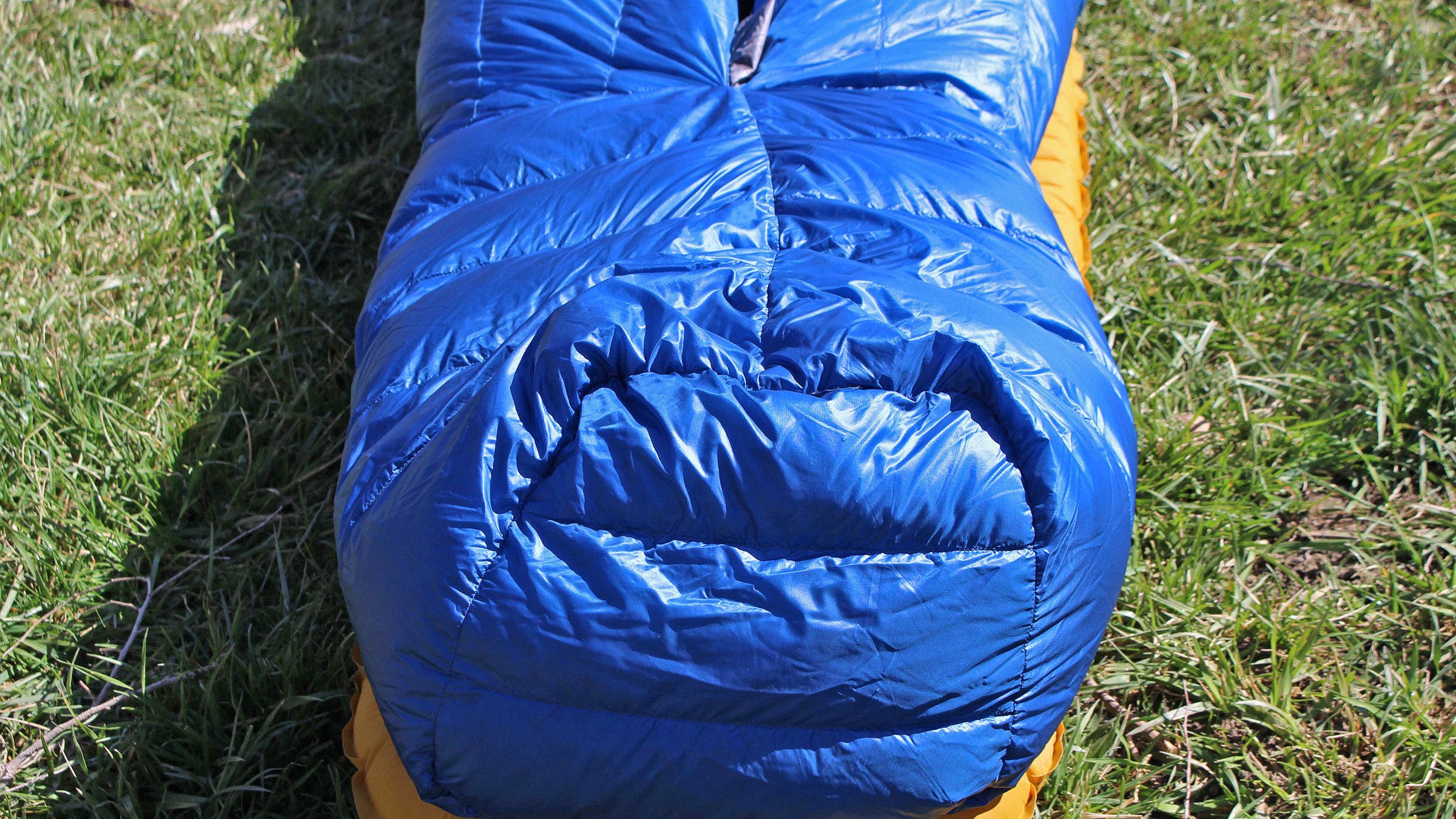
Credit: www.backpacker.com
Sleeping Bags And Backpacking
Choosing the right sleeping bag is important for backpacking trips. The right bag keeps you warm and comfortable in the outdoors.
Not all sleeping bags are made for backpacking. Some bags are heavy and bulky, which can make hiking harder.
Key Features For Backpacking Bags
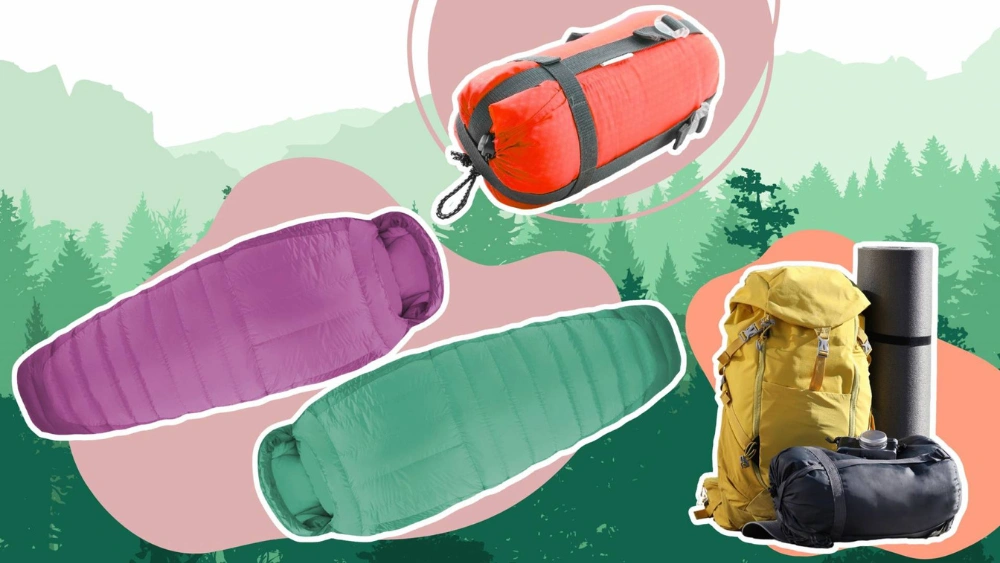
Backpacking sleeping bags have special features that make hiking easier. They are lightweight and easy to carry.
These bags also pack down small so they do not take up much space in your backpack.
- Lightweight materials reduce carrying weight
- Compact design saves backpack space
- Good insulation keeps you warm at night
- Durable fabric withstands rough use
- Water-resistant coatings protect from moisture
Differences Between Regular And Backpacking Bags
Regular sleeping bags are often heavier and bulkier than backpacking bags. They are better for car camping or home use.
Backpacking bags focus on weight and size. They use special materials to keep weight down and still provide warmth.
| Feature | Regular Sleeping Bag | Backpacking Sleeping Bag |
|---|---|---|
| Weight | Heavier, often over 4 pounds | Lightweight, usually under 3 pounds |
| Size when packed | Larger, bulky | Compact, easy to carry |
| Materials | Thicker, less technical fabrics | Advanced insulation, water-resistant |
| Best use | Car camping, home use | Backpacking, hiking trips |
Weight And Packability
Choosing the right sleeping bag for backpacking is important. Weight and packability affect your comfort and ease on the trail.
Regular sleeping bags can be heavier and bulkier than backpacking bags. This can make your load harder to carry.
Why Weight Matters
Every extra pound adds to the strain on your back. A heavy sleeping bag can slow you down and tire you out.
Lightweight gear helps you move faster and use less energy. This is especially true on long hikes or rough terrain.
- Reduces fatigue during hiking
- Allows for longer trips
- Makes carrying other gear easier
Compression And Storage Tips
Regular sleeping bags take up more space than backpacking bags. Compressing them well helps save room in your pack.
Use compression sacks to squeeze out air and reduce bulk. Roll the bag tightly before placing it in the sack.
- Choose a compression sack sized for your bag
- Roll the sleeping bag tightly to remove air
- Store the bag loosely at home to keep loft
Temperature Ratings And Insulation
Using a regular sleeping bag for backpacking depends on its temperature rating and insulation. These factors decide if you stay warm or cold outdoors.
Understanding temperature ratings and insulation helps you pick the best sleeping bag for your trip. It keeps you comfortable at night.
Choosing The Right Temperature Rating
Temperature ratings show the lowest temperature your sleeping bag can handle. They guide you to choose a bag that fits the weather.
Pick a sleeping bag with a rating lower than the coldest night you expect. This ensures you stay warm and safe.
- Summer bags: rated above 35°F (2°C)
- 3-season bags: rated 20°F to 35°F (-7°C to 2°C)
- Winter bags: rated below 20°F (-7°C)
Types Of Insulation Materials
Insulation keeps heat inside your sleeping bag. The two main types are down and synthetic insulation.
Down insulation is light and compresses well. It works best in dry conditions but loses warmth when wet.
Synthetic insulation is heavier but keeps warmth even if damp. It dries faster and costs less than down.
- Down:lightweight, warm, compressible, less effective when wet
- Synthetic:water-resistant, heavier, dries quickly, affordable
Durability And Weather Resistance
Choosing the right sleeping bag is key for backpacking. It needs to last long and protect you from weather.
Regular sleeping bags may not handle rough use or wet weather well. Let’s explore what materials help.
Materials To Look For
Durable and weather-resistant sleeping bags use special fabrics and fills. These materials keep you warm and dry.
- Nylon and Polyester Shells:Strong outer fabric that resists tears and water.
- Ripstop Fabric:Prevents small rips from spreading.
- Water-Repellent Coating:Helps keep moisture out without adding weight.
- Down Fill with DWR:Duck or goose down treated to resist water.
- Synthetic Fill:Keeps warmth even when wet and dries quickly.
Handling Wet Conditions
Sleeping bags get wet from rain, ground moisture, or sweat. Regular bags may lose warmth or get heavy.
| Issue | Effect on Regular Sleeping Bags | Better Options |
| Wet Shell | Absorbs water, becomes heavy and cold | Water-repellent fabrics |
| Wet Fill | Down clumps, loses insulation | Synthetic fill or treated down |
| Drying Time | Long, risk of mold and smell | Quick-dry materials |
Comfort And Fit
Using a regular sleeping bag for backpacking can affect your comfort and fit. Sleeping bags made for camping and backpacking often have different designs. These differences impact how well the bag keeps you warm and fits your body.
Comfort depends on size, shape, and how well the sleeping bag lets air flow. Choosing the right sleeping bag helps you sleep better outdoors.
Size And Shape Considerations
Regular sleeping bags often come in rectangular shapes. Backpacking bags usually have a mummy shape that fits your body closely. A closer fit keeps heat inside and reduces weight.
Size matters for comfort and weight. A bag too big lets cold air inside. A bag too small feels tight and limits movement. Find a sleeping bag that matches your height and shoulder width.
- Rectangular bags offer more room but weigh more.
- Mummy bags fit snugly and keep heat better.
- Choose length based on your height plus a few inches.
- Check shoulder width to avoid tightness or gaps.
Ventilation And Breathability
Ventilation helps control moisture inside the sleeping bag. Regular sleeping bags may not have vents or breathable fabrics. Backpacking bags often use materials that let sweat escape.
Good breathability prevents dampness and keeps you comfortable. Look for bags with breathable liners or zip vents to improve airflow.
- Regular bags may trap moisture more than backpacking bags.
- Breathable fabrics reduce sweat buildup.
- Ventilation options help adjust airflow.
- Dry sleeping bags keep you warm and cozy.

Credit: petromax.com
Expert Tips For Using Regular Sleeping Bags
Many people wonder if they can use a regular sleeping bag for backpacking. With some adjustments, a standard sleeping bag can work for your adventures. Here are some expert tips to make it suitable for backpacking.
Modifications For Backpacking Use
A regular sleeping bag may need some changes for backpacking. These modifications help improve comfort and efficiency.
- Use a lightweight compression sack to reduce bulk.
- Add a sleeping bag liner for extra warmth.
- Sew or attach loops to secure it to your backpack.
Packing Strategies
Packing a regular sleeping bag for backpacking requires careful planning. Proper packing ensures space and weight are managed well.
- Roll the sleeping bag tightly to save space.
- Place it at the bottom of your backpack for balance.
- Use waterproof bags to keep it dry during rain.
When To Choose A Specialized Backpacking Bag
Choosing the right sleeping bag for backpacking can make your trip more enjoyable. A specialized backpacking bag is often lighter and more compact.
Consider your trip needs and budget to decide if a specialized bag is the right choice for you.
Assessing Your Trip Needs
Think about the climate, terrain, and duration of your trip. These factors impact the type of sleeping bag you need.
- If you hike in cold weather, choose a bag with good insulation.
- For long trips, a lightweight bag reduces your load.
- A compact bag is ideal for limited space in your backpack.
Budget And Investment Considerations
Your budget will influence your choice. A specialized backpacking bag can be pricier but offers long-term benefits.
| Bag Type | Average Cost |
| Regular Sleeping Bag | $50 – $150 |
| Specialized Backpacking Bag | $100 – $300 |
Investing in a specialized bag can be worthwhile if you backpack frequently. It offers better comfort and durability.
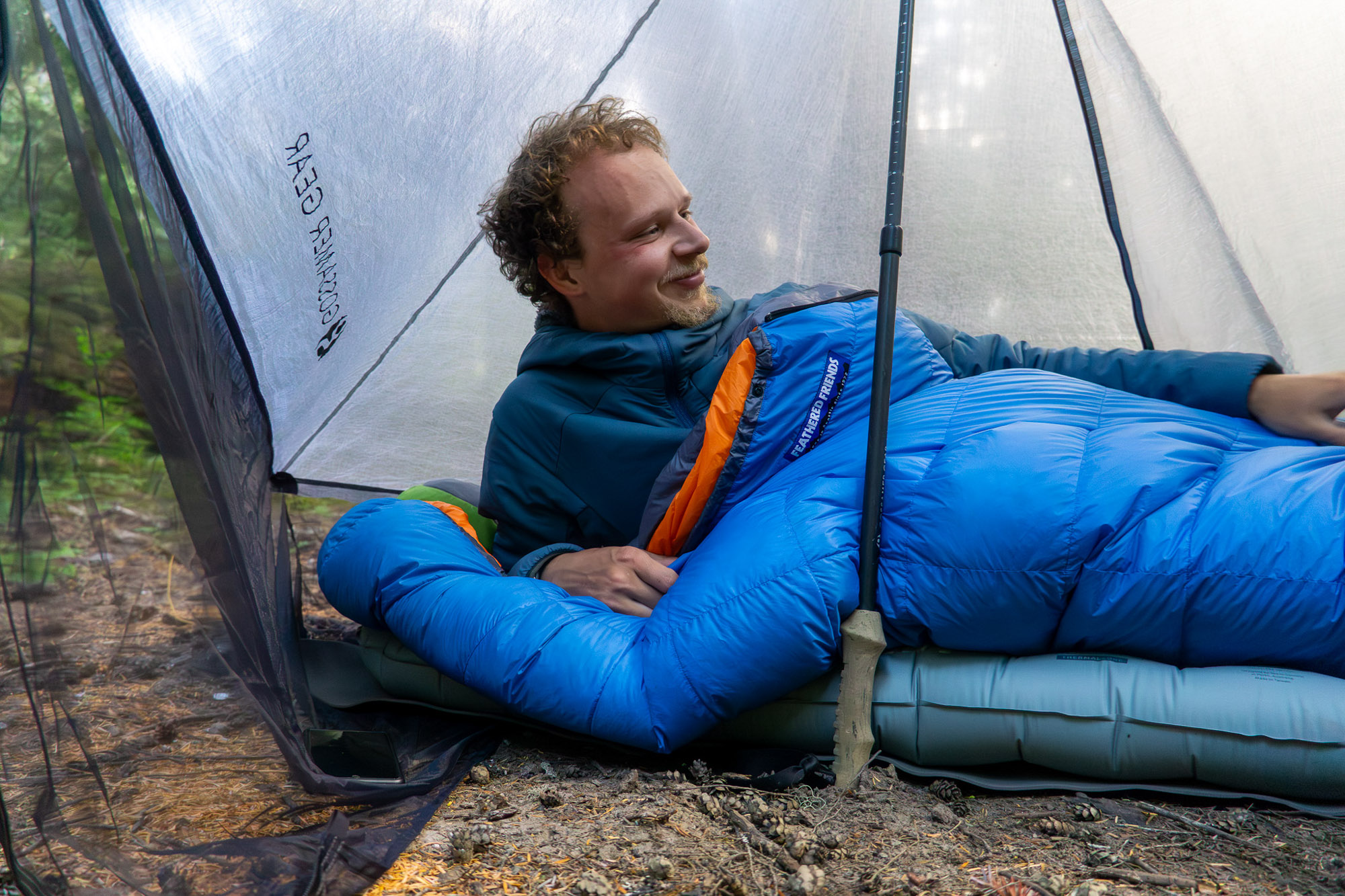
Credit: gearjunkie.com
Frequently Asked Questions
Can I Use A Regular Sleeping Bag For Backpacking?
Yes, you can use a regular sleeping bag for backpacking. However, it may be heavier and bulkier. Specialized backpacking bags offer better warmth-to-weight ratios and compressibility. Choose based on your trip’s weather and weight preferences for comfort and convenience.
What Are The Drawbacks Of Regular Sleeping Bags?
Regular sleeping bags tend to be heavier and take up more space in your backpack. They may not provide adequate insulation in cold or wet conditions. Their bulk can make hiking more tiring. For long trips, lightweight and compressible sleeping bags are recommended.
How To Choose A Sleeping Bag For Backpacking?
Select a sleeping bag based on temperature rating, weight, and pack size. Look for lightweight materials and good insulation. Consider your typical camping conditions and personal comfort. A proper backpacking bag enhances sleep quality and reduces carrying strain on trails.
Are Regular Sleeping Bags Suitable For All Seasons?
No, regular sleeping bags are often designed for milder temperatures. They might not perform well in extreme cold or wet weather. For year-round backpacking, invest in a sleeping bag rated for the specific season and environment to ensure safety and warmth.
Conclusion
A regular sleeping bag can work for backpacking, but it has limits. It may be heavier and less warm than bags made for hiking. Comfort and weight matter on the trail. Choose a bag that fits your trip’s weather and length.
Remember, staying warm and light helps you enjoy your adventure more. Think about your needs before packing. A good sleeping bag makes a big difference in your outdoor experience.