Are you ready to create a stylish and practical accessory that fits your personality perfectly? Making a lined messenger bag might sound tricky, but with the right steps, you can craft one that’s both durable and unique.
Imagine carrying a bag designed by you, with every detail just the way you want it. In this guide, you’ll discover simple techniques and insider tips to make the process smooth and enjoyable. Keep reading, and soon you’ll have a messenger bag that stands out while keeping your belongings safe and organized.
Your perfect bag is just a few steps away!

Credit: www.youtube.com
Materials Needed
Making a lined messenger bag requires specific materials. Choosing the right fabrics and tools is important.
This guide will help you gather everything needed before starting your project.
Fabric Selection
Select strong fabrics for the outside and soft fabrics for the lining. This makes the bag durable and comfortable inside.
Common choices include canvas, denim, and cotton for the outer part. For the lining, use cotton or polyester fabric.
- Outer fabric: canvas, denim, or heavy cotton
- Lining fabric: lightweight cotton or polyester
- Optional: interfacing for extra support
- Thread that matches your fabric colors
Tools And Supplies
You need some basic tools to cut, sew, and assemble the bag. Good tools make the process easier and neater.
Prepare these before starting your sewing project to avoid delays.
- Sewing machine or needle for hand sewing
- Fabric scissors or rotary cutter
- Measuring tape or ruler
- Pins or clips to hold fabric pieces
- Seam ripper for fixing mistakes
- Marking tools like chalk or fabric pen
- Iron and ironing board for pressing seams
Preparing The Fabric
Preparing the fabric is an important step to make a lined messenger bag. It helps you cut the pieces accurately and ensures a neat finish.
In this part, you will learn how to measure, cut, and mark the lining fabric correctly before sewing.
Measuring And Cutting
Start by measuring the fabric carefully. Use a ruler or measuring tape to get the right dimensions for your bag parts.
- Lay the fabric flat on a clean surface.
- Measure the length and width needed for the bag body and straps.
- Mark the measurements lightly with fabric chalk or pencil.
- Use sharp fabric scissors to cut along the marked lines.
- Cut the lining pieces slightly smaller than the outer fabric for a good fit.
Marking The Lining
Marking the lining helps you know where to sew and fold. Use clear marks that won’t damage the fabric.
| Tool | Use | Tip |
|---|---|---|
| Fabric Chalk | Draw sewing lines and fold marks | Choose a light color on dark fabric |
| Tailor’s Pencil | Make fine marks on light fabric | Test on a scrap piece first |
| Washable Marker | Temporary markings for precise cuts | Ensure it washes out easily |
Place the lining pieces on top of the outer fabric and mark matching points. This helps align the layers when sewing.
Creating The Bag Body
Making the body of a lined messenger bag involves careful sewing and attaching layers. This guide explains how to sew the outer fabric and add the lining.
Follow the steps below to create a sturdy and neat bag body that will hold its shape well.
Sewing The Outer Fabric
Start by cutting your chosen outer fabric according to the pattern. Use strong fabric like canvas or denim for durability.
- Place the fabric pieces right sides together.
- Pin the edges to keep them aligned.
- Sew along the pinned edges with a ½ inch seam allowance.
- Reinforce stress points with backstitching.
- Press the seams open to reduce bulk.
After sewing, check that the bag body shape looks right and that all seams are secure.
Attaching The Lining
Cut the lining fabric pieces to match the outer fabric. The lining gives the bag a clean inside finish.
| Task | Details |
|---|---|
| Pin Lining | Place lining pieces right sides together and pin edges. |
| Sew Lining | Sew with the same seam allowance as the outer fabric. |
| Attach Lining to Outer Fabric | Place lining inside outer bag, right sides together, and sew along the top edge. |
| Turn Bag | Pull the bag right side out through the opening in the lining. |
| Close Opening | Hand stitch or machine sew the lining opening closed. |
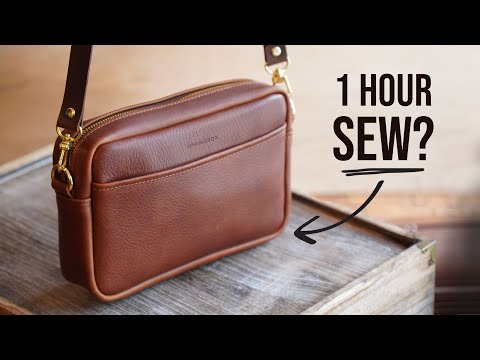
Credit: www.youtube.com
Adding The Strap
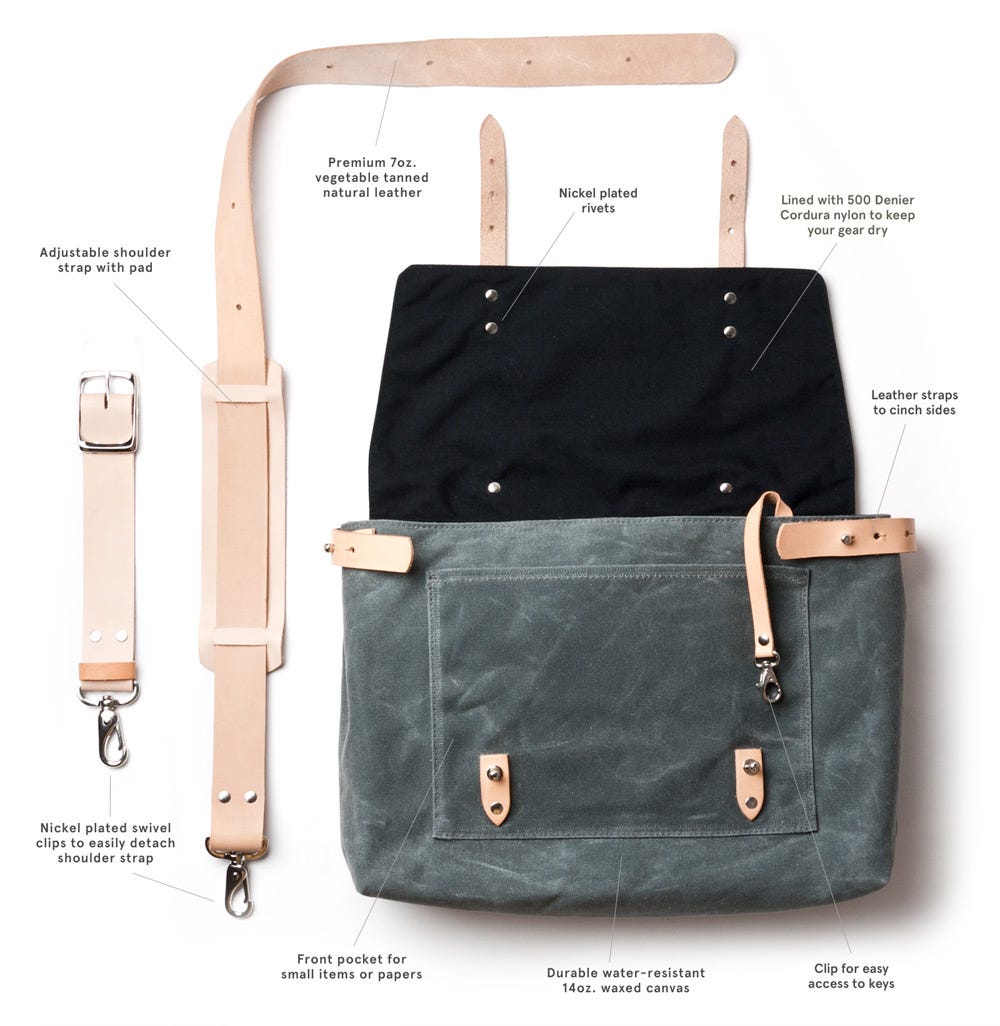
The strap is an important part of your lined messenger bag. It allows you to carry the bag comfortably. Choosing the right strap and attaching it well makes the bag last longer.
In this section, you will learn how to pick the best strap material and how to attach the strap securely to your bag.
Choosing Strap Material
Selecting the right material for your strap depends on comfort, strength, and style. Some materials work better for certain uses.
- Cotton webbing:Soft and comfortable, good for daily use.
- Leather:Durable and stylish, but may need more care.
- Nylon:Strong and weather-resistant, ideal for heavy loads.
- Canvas:Thick and sturdy, adds a casual look.
Attaching The Strap Securely
Attach the strap firmly to the bag to avoid damage and ensure safety. Sewing and using hardware are common methods.
| Method | Description | Tools Needed |
| Sewing | Stitch the strap ends directly onto the bag fabric or lining. | Needle, strong thread, sewing machine (optional) |
| Rivets | Use metal rivets to attach the strap for extra strength. | Rivet setter, hammer, rivets |
| D-Rings or Buckles | Attach strap ends to rings or buckles sewn on the bag. | Sewing tools, hardware pieces |
Finishing Touches
The final steps add function and style to your lined messenger bag. These touches help the bag look neat and last longer.
Focus on sewing a strong closure and adding pockets or small details. These make the bag practical and unique.
Sewing The Closure
Choose a closure type that fits the bag’s use. Common options are zippers, snaps, or magnetic buttons.
Sew the closure carefully to keep it strong. Use matching thread and take your time for neat stitches.
- Pin the closure in place before sewing
- Sew slowly to avoid puckering the fabric
- Backstitch at the start and end for strength
- Test the closure to ensure it works smoothly
Adding Pockets And Details
Pockets add space for small items and help organize the bag. You can add inside or outside pockets.
Details like decorative stitching or patches can make your bag special. Keep these simple for a clean look.
- Sew pockets with reinforced edges to prevent wear
- Use contrasting fabric for pocket trims
- Add a small label or patch for style
- Check pocket placement for easy access
Tips For Durability
Making a lined messenger bag that lasts involves using strong materials and techniques. These tips will help ensure your bag stands the test of time.
From reinforcing the seams to proper care, each step plays a vital role in the bag’s durability. Let’s explore these tips in detail.
Reinforcing Seams
Reinforcing seams is crucial for a sturdy messenger bag. Strong seams prevent wear and tear over time.
- Use a double stitch method for extra strength.
- Choose polyester thread for its durability.
- Reinforce corners with extra fabric patches.
Care Instructions
Proper care extends the life of your messenger bag. Follow these guidelines to maintain its quality.
| Care Tip | Details |
| Cleaning | Use mild soap and water; avoid harsh chemicals. |
| Drying | Air dry in shade; avoid direct sunlight. |
| Storage | Store in a cool, dry place to prevent mold. |
Credit: medium.com
Frequently Asked Questions
What Materials Are Needed To Make A Lined Messenger Bag?
To make a lined messenger bag, you need fabric for the outer shell, lining fabric, interfacing, thread, a zipper or magnetic snap, and a strap. Sewing tools like scissors, pins, and a sewing machine are essential. Choose sturdy materials for durability and style.
How Do You Add Lining To A Messenger Bag?
Cut the lining fabric to the same size as the outer fabric. Sew the lining pieces together, leaving a small opening. Attach the lining to the outer fabric inside out. Turn the bag right side out through the opening. Finally, sew the opening closed neatly.
Can I Customize The Size Of My Messenger Bag?
Yes, you can customize the size by adjusting the fabric dimensions. Measure the desired width, height, and depth before cutting. Keep proportions balanced for functionality and comfort. Custom sizing allows you to fit specific items like laptops or books.
What Sewing Skills Are Required For This Project?
Basic sewing skills like straight stitching, sewing seams, and attaching straps are needed. Familiarity with using a sewing machine is helpful. Knowledge of sewing zippers or snaps enhances the bag’s functionality. Beginners can follow step-by-step instructions to succeed.
Conclusion
Making a lined messenger bag is simple and fun. You can choose fabrics that suit your style and needs. Each step helps you create a bag that lasts long. Sewing the lining adds strength and a clean look. Personal touches make your bag truly unique.
Keep practicing, and your skills will improve. Enjoy carrying a bag made by your own hands. This project brings both creativity and usefulness together. Give it a try and see how satisfying it feels.