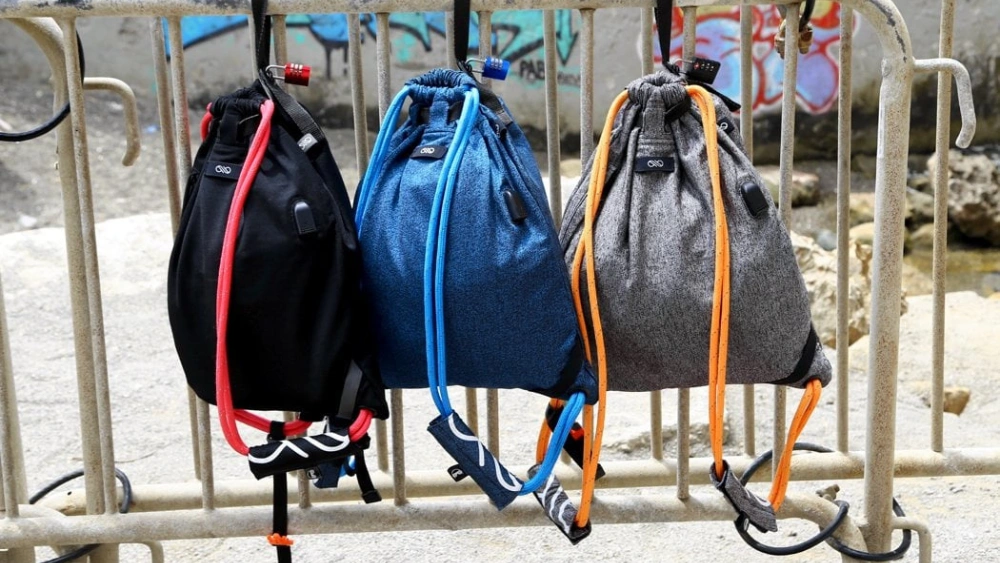
Is your drawstring bag’s cord worn out or lost? You don’t need to toss the whole bag or rush to buy a new one.
Learning how to restring a drawstring bag is easier than you think—and it will save you time and money. In this guide, you’ll discover simple, step-by-step methods to fix your bag quickly, even if you’ve never done it before. Keep reading, and by the end, your bag will look and work like new again.
Ready to get started?
Tools Needed
Restringing a drawstring bag is an easy task. You only need a few simple tools. These tools help you remove the old string and add the new one smoothly.
Having the right tools makes the process faster. It also prevents damage to the bag or string.
Drawstring Cord Or String
Choose a cord that fits your bag’s size and style. Nylon, cotton, or polyester cords work well. Make sure the cord is strong and not too thick.
Safety Pins Or Bodkin
Use a safety pin or bodkin to pull the string through the bag’s channel. This tool helps guide the string without twisting or tangling it.
Scissors
Sharp scissors are needed to cut the cord cleanly. This prevents fraying and makes it easier to thread the string through the bag.
Measuring Tape Or Ruler
Measure the length of the new string before cutting. The cord should be twice the length of the bag opening plus extra for knots.
- Measure the bag’s opening width
- Multiply by two for both sides
- Add 6 to 8 inches for tying knots
Optional: Lighter Or Fray Check
Use a lighter to carefully melt the ends of synthetic cords. This stops fraying. For natural cords, fray check liquid works well.
| Tool | Purpose |
|---|---|
| Drawstring Cord | Replace old string with a new one |
| Safety Pin or Bodkin | Guide the string through the bag channel |
| Scissors | Cut the cord cleanly |
| Measuring Tape or Ruler | Measure correct string length |
| Lighter or Fray Check (Optional) | Prevent cord ends from fraying |
Removing The Old Drawstring
Removing the old drawstring is the first step in fixing your bag. It helps you prepare for the new string. This guide will help you do it safely and quickly.
Make sure you have a clean workspace and simple tools. This will make the process smooth and easy.
Locate The Drawstring Ends
Find where the drawstring comes out of the bag. The ends usually stick out from small holes or loops. These ends are what you will pull to remove the string.
Pull Out The Old Drawstring
Hold one end of the drawstring firmly. Slowly pull it all the way through the channel. If the string is stuck, gently wiggle it to loosen it.
Check For Damage Or Blockages
Look inside the drawstring channel. Check for dirt, damage, or fabric caught inside. Clean or fix any problems before adding a new string.
- Find the drawstring ends.
- Grip one end firmly.
- Pull the drawstring through slowly.
- Wiggle if stuck or tight.
- Inspect the channel for blockages.
- Clean or repair as needed.
Choosing The Right Replacement String
Replacing the string in your drawstring bag can improve its look and function. Picking the right string is important for comfort and durability.
This guide will help you choose the best replacement string for your bag. Consider the material, thickness, and length before buying.
Material Types
Strings come in many materials. Each type has benefits and suits different bags.
- Cotton:Soft and natural, good for casual bags.
- Nylon:Strong and water-resistant, lasts longer.
- Polyester:Durable and easy to clean.
- Leather:Stylish but less flexible.
String Thickness
Thickness affects comfort and strength. Thin strings fit small holes but can break easily. Thick strings are strong but may not fit all bags.
| Thickness | Use | Notes |
| 2-3 mm | Light bags | Fits small eyelets |
| 4-6 mm | Standard bags | Good balance of strength |
| 7+ mm | Heavy bags | Very strong but thick |
Length And Color
Measure your bag’s drawstring length before buying. Choose a color that matches or contrasts for style.
Here are tips to measure your string length:
- Remove old string carefully.
- Lay it flat and measure its full length.
- Add 5-10 cm extra for tying knots.

Credit: www.youtube.com
Preparing The New Drawstring
Before you start restringing your drawstring bag, you need to get the new drawstring ready. This helps the process go smoothly and saves time.
Preparing the drawstring means cutting it to the right length and making sure it is easy to thread through the bag.
Measure And Cut The Drawstring
Measure the new drawstring to match the old one or the bag’s size. Cut it a little longer if you are unsure.
This extra length helps you tie knots or make adjustments after threading.
- Lay the bag flat and measure the old drawstring fully extended.
- Add 4 to 6 inches to this length for safety.
- Cut the new drawstring to this length with sharp scissors.
Seal The Ends Of The Drawstring
New drawstrings can fray at the ends. You should seal them to stop this from happening.
You can use heat or tape to keep the ends neat and easy to thread.
- If your drawstring is nylon or polyester, carefully melt the ends with a lighter.
- For cotton or other fabrics, wrap the ends with clear tape or fabric glue.
- Make sure the ends are smooth and firm.
Attach A Threading Tool
Threading the drawstring through the bag loops can be hard. Use a tool to help.
A safety pin or a small bodkin works well for pushing the drawstring inside the bag.
- Open a safety pin and attach it to one end of the drawstring.
- Make sure the pin is closed securely around the string.
- This tool helps guide the string through the bag’s tunnels.
Threading The Drawstring
Threading the drawstring back into your bag is easy and quick. It helps close the bag securely.
You can use tools like a safety pin or a bodkin to guide the drawstring through the bag’s channel.
Using A Safety Pin
Attach a safety pin to one end of the drawstring. The pin acts like a stiff guide.
Push the safety pin into the bag’s drawstring channel. Move it slowly and feel for the opening.
- Pin the drawstring end tightly to avoid slipping.
- Push the pin forward while bunching the fabric behind it.
- Keep pushing until the pin comes out the other end.
- Pull the drawstring all the way through.
Using A Bodkin Or Needle
A bodkin or large needle can also help thread the drawstring. They are thin and easy to push through narrow channels.
Thread the drawstring through the eye of the needle or bodkin. Hold it firmly before inserting into the channel.
- Insert the needle or bodkin into the channel’s opening.
- Push gently and keep the fabric bunched behind it.
- Move it forward until it comes out the other side.
- Pull the drawstring to finish threading.

Credit: m.youtube.com
Securing The Ends
Restringing a drawstring bag can be simple. Securing the ends is important so the string stays in place.
This guide will help you learn how to tie the ends securely. Follow these steps to ensure your bag stays closed.
Tie A Simple Knot
A simple knot keeps the string from slipping. It is easy to make and holds well.
- Make a loop at the end of the string.
- Pass the end of the string through the loop.
- Pull tight to secure the knot.
Use A Stopper Bead
A stopper bead prevents the string from pulling through. It is a simple way to keep the string in place.
Choose a bead with a hole that fits your string. Slide the bead onto the string and tie a knot below it.
Melt The Ends
Melted ends stop fraying and make the string last longer. Be careful when using this method.
- Use a lighter to gently melt the tips of the string.
- Press the melted ends with a flat surface to seal them.
- Let the ends cool before handling.
Testing The Drawstring
After restringing your drawstring bag, testing the drawstring is important. It ensures the string works smoothly and holds the bag properly.
This step helps you find any problems early, like knots or uneven tension. Testing also confirms the drawstring fits well.
Check For Smooth Movement
Pull the drawstring from both ends several times. The string should slide easily through the bag’s channels without catching.
Test The Tightness
Close the bag by pulling the drawstring tight. The opening should close fully and stay closed without slipping.
- Pull the string evenly on both sides.
- Make sure the bag opening closes completely.
- Check if the string stays tight without loosening.
Inspect The Knots And Ends
Look at the knots holding the drawstring ends. They must be secure and not too bulky to fit inside the bag’s channel.
Credit: szoneier.com
Tips For Maintenance
Drawstring bags are handy and easy to use. Keeping them in good shape is important for long-term use.
Regular maintenance ensures your bag remains functional and looks nice. Here are some tips to help you maintain your drawstring bag.
Check The Drawstring Regularly
Inspect the drawstring often for any signs of wear. A worn-out drawstring can break easily.
If you notice fraying, consider replacing it soon. This prevents further damage to the bag.
Wash The Bag Properly
Drawstring bags can get dirty with use. Washing them correctly helps maintain their appearance.
Use a gentle cycle and mild detergent. Avoid bleach to prevent color fading.
Store The Bag Correctly
Proper storage prevents unnecessary wear. Hang the bag or lay it flat in a cool, dry place.
Avoid overstuffing the bag when storing. This helps maintain its shape and prevent damage.
Replace Damaged Parts
Check for any damaged parts like eyelets or fabric tears. Replace them as needed.
Fixing small issues early can extend the life of your drawstring bag.
Avoid Overloading
Do not overload your bag with heavy items. This can strain the drawstring and fabric.
Carry only what the bag is designed to hold. This prevents unnecessary stress and damage.
Frequently Asked Questions
How Do I Remove The Old Drawstring From My Bag?
To remove the old drawstring, locate the bag’s opening channel. Gently pull out the string from one side. Use a safety pin to push through if stuck. Remove the entire string before inserting a new one to ensure a smooth restringing process.
What Tools Do I Need To Restring A Drawstring Bag?
You need a new drawstring cord, a safety pin, and scissors. The safety pin helps guide the string through the channel. Scissors trim excess cord for a perfect fit. These simple tools make restringing quick and easy.
How Long Should The New Drawstring Be?
Measure the bag’s opening channel length. Add an extra 12 to 18 inches for tying knots. This length ensures the drawstring closes the bag well. Adjust length based on your preference for comfort and style.
Can I Use Any Type Of Cord For Restringing?
Yes, use durable cords like nylon, cotton, or polyester. Avoid thin or weak strings that may break easily. Choose a cord matching your bag’s style and strength needs. Proper cord ensures long-lasting drawstring functionality.
Conclusion
Restringing a drawstring bag is simple and quick. You only need a few basic tools. Follow the steps carefully to avoid mistakes. This skill helps you save money and extend your bag’s life. Try it yourself and see how easy it can be.
No special skills required. Keep your bag working like new with this easy fix. Practice makes perfect, so don’t worry if it takes time. Now, your bag is ready to use again!