Carrying your sleeping bag the right way can make a big difference on your backpacking trip. If you’ve ever struggled with a bulky, awkward sleeping bag slowing you down, you’re not alone.
Knowing how to pack it efficiently saves space, keeps your bag dry, and makes your backpack more comfortable to carry. You’ll discover simple, practical tips to carry your sleeping bag like a pro. Keep reading, and you’ll learn how to make your next adventure easier and more enjoyable from the very start.
Choosing The Right Sleeping Bag
Picking the right sleeping bag is important for a good night’s sleep outdoors. It affects how you carry it on your backpack.
Consider the bag’s materials, size, weight, and temperature rating. These details help you choose the best fit for your trip.
Materials And Weight
Sleeping bags come in two main materials: down and synthetic. Down is light and compresses well. Synthetic is heavier but stays warm when wet.
Weight matters because you carry the bag all day. A lighter bag makes your backpack easier to carry.
- Down: light, compressible, expensive
- Synthetic: heavier, affordable, water-resistant
Size And Compressibility
Size affects how much space your sleeping bag takes in your backpack. Compressibility means how small it gets when packed.
Look for bags with good compressibility if you have limited backpack space. Smaller bags fit better and make packing easier.
- Regular size fits most people
- Long size for taller users
- Compression sacks reduce packed size
Temperature Ratings
Temperature ratings show how cold the sleeping bag can keep you warm. Choose a rating that matches the coldest weather you expect.
Buying a bag with a lower temperature rating than you need can cause discomfort or risk of cold.
| Rating | Use |
|---|---|
| Summer (above 35°F / 2°C) | Warm weather camping |
| 3-Season (20°F to 35°F / -7°C to 2°C) | Spring, summer, fall |
| Winter (below 20°F / -7°C) | Cold weather camping |

Credit: www.reddit.com
Packing Techniques For Backpacks
Carrying a sleeping bag on your backpack needs smart packing. It helps save space and keeps your gear dry. Good packing also makes your hike easier.
Learn simple ways to pack your sleeping bag. Use these tips for better comfort and convenience on the trail.
Using Compression Sacks
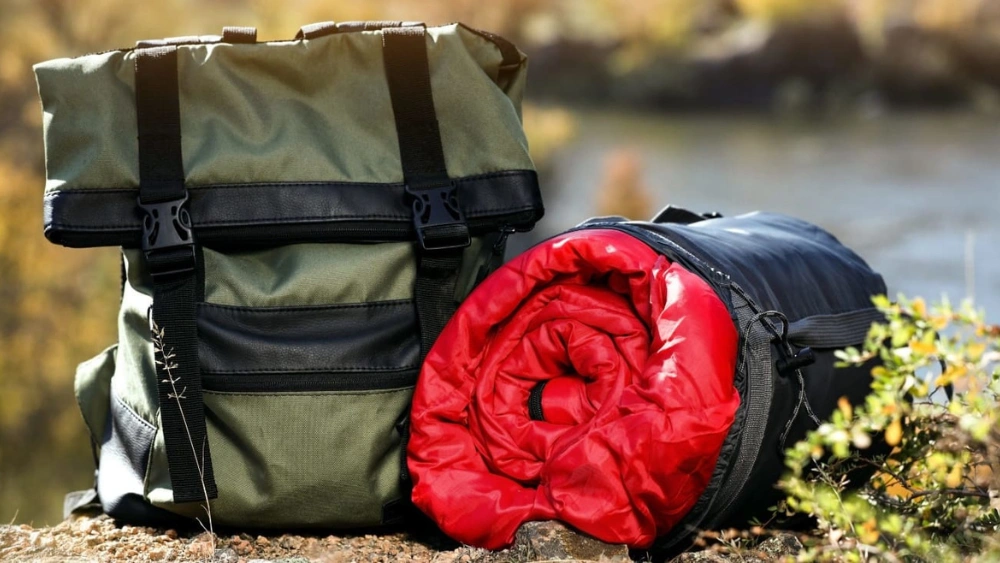
Compression sacks reduce the size of your sleeping bag. They squeeze out air and make the bag compact. This saves space and makes your backpack lighter.
- Place the sleeping bag inside the sack loosely.
- Seal the sack tightly to avoid air leaks.
- Push down on the sack to squeeze air out.
- Use straps or cords to compress the sack further.
- Attach the sack to the bottom or outside of your backpack.
Stuffing Vs Rolling
There are two main ways to pack your sleeping bag: stuffing or rolling. Each method has its benefits depending on your needs.
| Method | Benefits | Drawbacks |
| Stuffing | Keeps insulation loft better | Can look untidy outside the pack |
| Rolling | Looks neat and compact | May compress insulation too much |
Stuff your sleeping bag gently to keep it fluffy. Roll it tight if you want to save space and keep it tidy.
Protecting From Moisture
Keeping your sleeping bag dry is very important. Moisture can damage the insulation and make it cold.
Use these tips to protect your sleeping bag:
- Put your sleeping bag inside a waterproof stuff sack.
- Wrap the bag with a plastic liner if heavy rain is expected.
- Keep the bag inside the main compartment of your backpack if possible.
- Avoid placing the sleeping bag near wet gear or boots.
Best Backpack Placement Options
Carrying a sleeping bag on your backpack can be done in several ways. The right choice depends on your backpack type and personal preference.
Choosing the best placement keeps your sleeping bag dry and saves space for other gear.
Inside The Main Compartment
Putting the sleeping bag inside the main compartment protects it from rain and dirt. It also helps keep your backpack balanced.
Place the sleeping bag at the bottom of the main compartment to create a stable base for other items.
- Use a compression sack to reduce size
- Keep heavier items on top for balance
- Pack the sleeping bag last for easy access
External Attachment Methods
Attaching the sleeping bag outside your backpack saves space inside. Use straps or bungee cords to secure it firmly.
Place it on the bottom or the back of the pack to keep your center of gravity low and steady.
- Use adjustable straps to avoid movement
- Cover the sleeping bag with a waterproof sack
- Check straps regularly for tightness
Using Dedicated Sleeping Bag Compartments
Some backpacks come with special compartments for sleeping bags. These compartments keep the bag separate from other gear.
They often have water-resistant linings and easy access openings to make packing and unpacking simple.
- Slide the sleeping bag in a dry, sealed compartment
- Use compartments to improve pack organization
- Check if the compartment fits your sleeping bag size

Credit: www.reddit.com
Lightweight Carrying Tips
Carrying a sleeping bag on a backpack can add weight and bulk. Light packing helps keep your load easy to carry.
This guide shares simple tips to carry your sleeping bag lightly and comfortably on your backpack.
Minimizing Bulk
Compress your sleeping bag to reduce its size. Use a compression sack or stuff sack for the best results.
- Roll or stuff the bag tightly to push out air
- Use a compression sack with straps to shrink volume
- Choose a sleeping bag with lightweight materials
- Remove any extra items inside the bag before packing
Multi-purpose Gear
Choose gear that can serve more than one purpose. This reduces what you need to carry.
| Gear | Multiple Uses | Benefit |
| Sleeping Bag Liner | Extra warmth, pillow | Less gear, lighter load |
| Compression Sack | Compress bag, store clothes | Smaller pack size |
| Backpack Straps | Attach sleeping bag externally | Save internal space |
Balancing Load For Comfort
Place your sleeping bag to keep the backpack balanced. This helps avoid strain on your back.
- Attach the bag at the bottom to keep weight low
- Use side straps to keep it close to your pack
- Make sure weight is evenly spread on both sides
- Adjust straps for a snug fit without pressure points
Additional Gear To Consider
Carrying your sleeping bag properly keeps it safe and dry. Using extra gear helps you pack it comfortably.
These accessories also protect your sleeping bag from dirt and damage during your trip.
Sleeping Pads
Sleeping pads add comfort and insulation under your sleeping bag. They keep you warm by blocking cold ground.
Many pads can attach to your backpack. Look for lightweight and compact designs for easy carrying.
Dry Bags And Waterproof Covers
Dry bags protect your sleeping bag from rain and moisture. Waterproof covers work well for backpack storage too.
- Keep your sleeping bag dry in wet weather
- Prevent dirt and dust from getting inside
- Use different sizes to match your sleeping bag volume
- Choose durable materials for long trips
Straps And Clips
Straps and clips secure your sleeping bag outside the backpack. They free up space inside your pack.
| Type | Use | Benefit |
| Compression Straps | Wrap and tighten sleeping bag | Reduce bulk and keep tight |
| Carabiner Clips | Attach bag to backpack loops | Easy on/off and secure hold |
| Bungee Cords | Hold bag firmly on exterior | Flexible and adjustable |

Credit: www.reddit.com
Frequently Asked Questions
How Do I Attach A Sleeping Bag To My Backpack?
Use compression straps or external loops to secure the sleeping bag. Keep it tight and balanced to avoid shifting. Place it at the bottom or outside for easy access and weight distribution.
What’s The Best Position For Carrying A Sleeping Bag?
Carry the sleeping bag at the bottom or outside of the backpack. This prevents crushing your packed items and keeps the bag dry. Use straps or a stuff sack to secure it firmly.
Should I Use A Stuff Sack For My Sleeping Bag?
Yes, a stuff sack compresses your sleeping bag, saving space. It protects the bag from dirt and moisture. Choose a waterproof or water-resistant sack for added protection.
Can Carrying A Sleeping Bag Affect Backpack Balance?
Yes, improper placement can affect balance and cause discomfort. Secure the sleeping bag evenly to avoid shifting. Keep the weight low and centered for better stability.
Conclusion
Carrying a sleeping bag on your backpack can be simple and safe. Use straps or compartments designed for extra gear. Keep the bag dry and secure while hiking. Balance the weight to avoid strain on your back. Check your pack before starting your trip.
Practice packing at home to save time outdoors. A well-packed bag makes your adventure more comfortable. Enjoy your trip with less hassle and more fun.