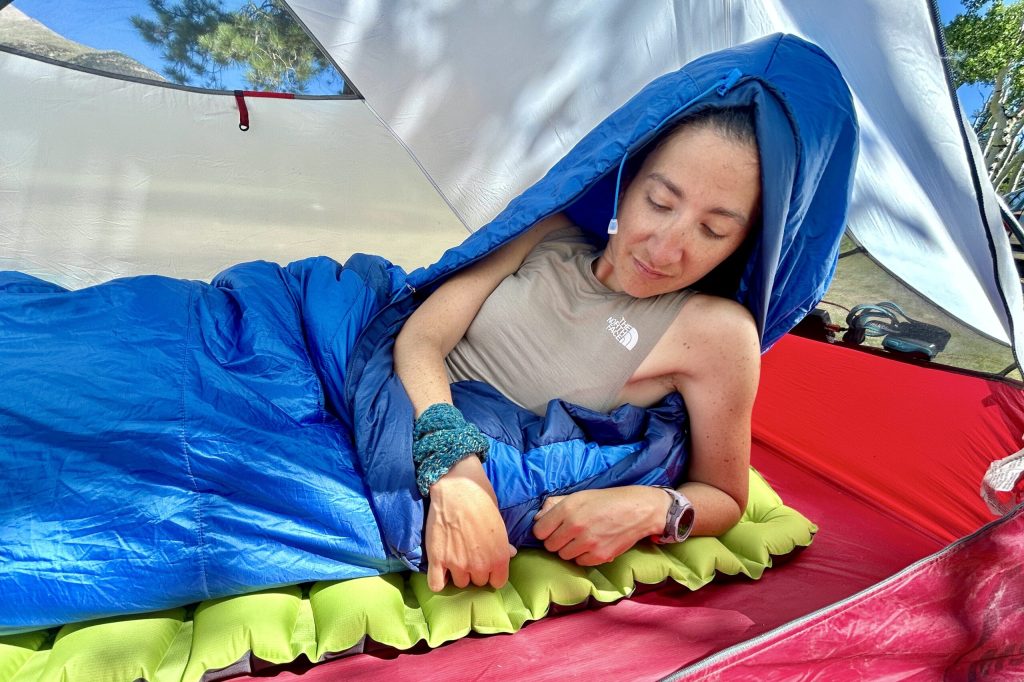
Choosing the right sleeping bag can make or break your backpacking trip. You want something that keeps you warm, fits easily in your pack, and feels comfortable night after night.
But with so many options out there, how do you know what to pick? This guide will help you discover exactly what to look for in a backpacking sleeping bag—so you can sleep soundly and wake up ready for your next adventure.
Keep reading, and you’ll find the key factors that will help you make the best choice for your needs.

Credit: petromax.com
Choosing The Right Temperature Rating
Picking a sleeping bag with the right temperature rating is key for a good night’s rest. It helps you stay warm without carrying extra weight.
Understanding temperature ratings lets you choose a bag that fits the weather you will face while backpacking.
Seasonal Ratings Explained
Sleeping bags have seasonal ratings that show what temperatures they are made for. These ratings guide you on when to use each type.
Seasonal ratings are usually 3-season, summer, or winter bags. Each type suits different weather conditions.
- Summer bags:Best for warm weather, light and breathable.
- 3-season bags:Good for spring, summer, and fall. They handle cool nights well.
- Winter bags:Made for cold weather. They are thick and insulated.
Considering Your Destination Climate
Think about the climate where you will camp. Check average night temperatures for your destination.
Choose a sleeping bag with a rating below the lowest temperature you expect. This keeps you warm and safe.
- Know if the area is dry or damp. Moisture affects warmth.
- Consider altitude; higher places are colder.
- Plan for unexpected weather changes.
Personal Comfort And Warmth Needs
Everyone feels cold or warm differently. Some people need warmer bags even in mild weather.
Think about your own comfort level and health. If you sleep cold, pick a warmer bag.
- Consider layering with a sleeping bag liner for extra warmth.
- Choose a bag size that fits you well to avoid heat loss.
- Test your sleeping bag in similar conditions before your trip.
Sleeping Bag Insulation Types
Choosing the right sleeping bag insulation affects how warm and comfortable you stay. Different insulation types offer various benefits and drawbacks. Knowing these can help you pick the best sleeping bag for your trip.
Insulation types mainly include down, synthetic, and hybrid. Each type works differently to keep heat inside your sleeping bag.
Down Insulation Benefits And Drawbacks
Down insulation uses soft feathers from ducks or geese. It traps heat well and is very lightweight. Many hikers prefer down for cold weather trips.
Down compresses easily, so it packs small in your backpack. It also lasts a long time if kept dry. Wet down loses its insulation power quickly.
- Benefits:Lightweight, high warmth, compressible, durable when dry
- Drawbacks:Loses warmth when wet, usually more expensive, needs careful care
Synthetic Insulation Pros And Cons
Synthetic insulation is made from man-made fibers. It keeps warmth even when wet. This makes it good for wet or damp conditions.
Synthetic bags are usually heavier and bulkier than down bags. They are often cheaper and easier to clean.
- Pros:Works well when wet, affordable, easy to wash
- Cons:Heavier, less compressible, may wear out faster
Hybrid Insulation Options
Hybrid sleeping bags mix down and synthetic insulation. They use down where warmth is most needed and synthetic in other areas. This design balances warmth, weight, and moisture resistance.
Hybrid bags can offer good performance for different weather. They cost more than synthetic but less than full down bags.
- Down in the main body for warmth and light weight
- Synthetic in the foot box or edges to resist moisture
- Good all-around choice for varied conditions
Weight And Packability
Choosing a sleeping bag for backpacking means thinking about weight and size. A heavy bag can slow you down and take up too much space.
Packability is how small the sleeping bag gets when packed. Both weight and packability affect your comfort and ease on the trail.
Importance For Backpackers
Backpackers carry all their gear, so every ounce counts. A light sleeping bag helps reduce fatigue over long hikes.
A compact bag saves space in your backpack for other essentials like food and water. This balance keeps your load manageable.
Comparing Lightweight Models
| Model | Weight (lbs) | Packed Size (inches) |
| Alpine Lite | 2.5 | 14 x 8 |
| Trail Compact | 2.0 | 12 x 7 |
| Mountain Air | 1.8 | 11 x 6 |
| Summit Breeze | 1.6 | 10 x 5 |
Choosing the right model depends on your comfort needs and pack space. Lighter bags often cost more but reduce overall weight.
Compression And Storage Tips
- Use a compression sack to reduce packed size.
- Pack the sleeping bag at the bottom of your backpack.
- Keep the bag dry by storing it in a waterproof stuff sack.
- Loosely store the bag at home to keep insulation fluffy.
Proper compression helps save space without damaging the bag’s insulation. Always dry your bag before packing it away.
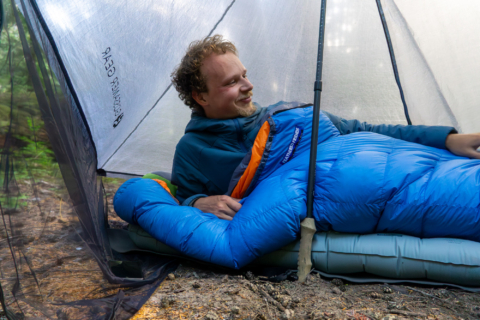
Credit: gearjunkie.com
Sleeping Bag Shape And Size
Choosing the right sleeping bag is important for a comfortable backpacking trip. Consider the shape and size to ensure a good fit.
Different shapes and sizes suit different needs and preferences. Let’s explore these aspects in detail.
Mummy Vs. Rectangular Shapes
Mummy sleeping bags are snug and keep you warm. They taper towards the feet, reducing heat loss.
Rectangular sleeping bags offer more room to move. They are less efficient at retaining heat compared to mummy bags.
- Mummy shape is ideal for cold weather.
- Rectangular shape is better for those who move a lot in their sleep.
- Consider the climate and your sleeping habits when choosing a shape.
Length And Width Considerations
The length and width of a sleeping bag should match your body size. A bag that’s too short or too narrow can be uncomfortable.
Check the dimensions before buying. Make sure you have enough space to stretch out without feeling cramped.
| Height | Recommended Bag Length |
| Up to 5’6″ | Regular |
| 5’7″ to 6′ | Long |
| Over 6′ | Extra Long |
Fit And Comfort Factors
A well-fitting sleeping bag enhances comfort. Look for adjustable features like drawstrings and hoods.
Consider the insulation and fabric type for added comfort. A bag with a soft lining feels nice against the skin.
Durability And Material Quality
Choosing a backpacking sleeping bag means thinking about how strong it is. Durable materials last longer and protect you better.
Material quality affects comfort and weight. Good materials keep you warm and dry during your trip.
Outer Shell Fabrics
The outer shell protects the sleeping bag from tears and dirt. Look for tough fabrics that resist wear and damage.
Nylon and polyester are common choices. They are light but strong. Ripstop versions prevent small holes from growing.
- Nylon: Strong and lightweight
- Polyester: Durable and water-resistant
- Ripstop: Prevents fabric tears
Lining Materials
The lining is the inside fabric that touches your skin. It should feel soft and help keep you warm.
Common linings include polyester and nylon taffeta. These fabrics dry quickly and reduce moisture inside the bag.
- Polyester: Soft and moisture-wicking
- Nylon Taffeta: Smooth and durable
- Fleece: Warm but heavier
Water Resistance Features
Water resistance helps keep your sleeping bag dry in wet conditions. Look for fabrics with special coatings.
DWR (Durable Water Repellent) treatments make water bead off the surface. This prevents moisture from soaking in.
- DWR coating: Repels water effectively
- Water-resistant fabrics: Protect from light rain
- Waterproof liners: Used in very wet areas
Additional Features To Consider
Choosing the right sleeping bag is about more than just warmth and weight. Some extra features can make your backpacking trip much more comfortable. These details help keep you cozy and organized while you rest.
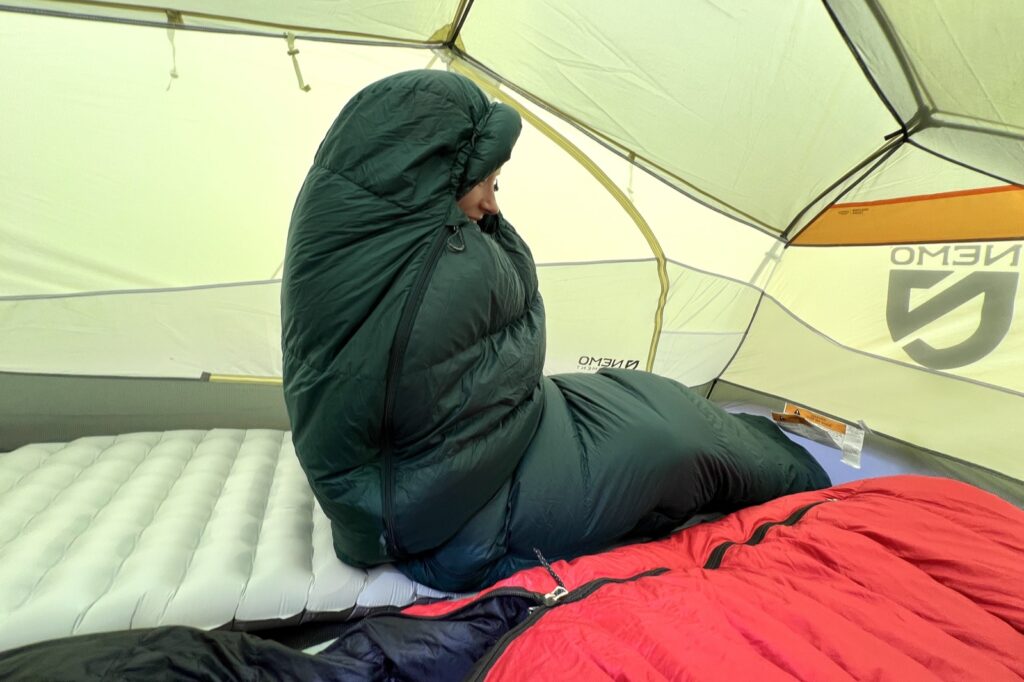
Look closely at the bag’s hood, zipper, and storage options. Each affects how well the bag fits and how easy it is to use. These features can improve your sleep and protect you from the cold.
Hood And Draft Collars
A well-designed hood helps keep your head warm and blocks cold air. Draft collars seal the area around your neck to stop heat from escaping. These features are key on cold nights.
Look for adjustable hoods with drawstrings. This allows you to tighten the hood snugly around your face. Draft collars should be soft but snug to keep out drafts without feeling tight.
Zipper Styles And Placement
Zippers let you get in and out of the sleeping bag easily. Some bags have zippers on both sides. Others have one long zipper or shorter zippers at the foot.
- Full-length zippers open the whole bag for ventilation.
- Two-way zippers let you unzip from the top or bottom.
- Left or right side zippers match your sleeping position.
- Zipper guards stop cold air from entering through the zipper.
Choose a zipper style that fits how you like to sleep and move. Check that the zipper is smooth and durable to avoid snags.
Pockets And Storage Options
Some sleeping bags have pockets inside for small items. These keep essentials like a phone or flashlight close and safe. Look for bags with mesh or zippered pockets.
| Feature | Benefit |
| Interior pocket | Keeps valuables within reach and secure |
| Exterior pocket | Easy access to items without opening bag |
| Compression sack | Makes packing smaller and lighter |
| Attachment loops | Allows gear to hang or attach outside |
Budget And Brand Reputation
Choosing a backpacking sleeping bag can be challenging. You need to consider both budget and brand reputation. Spending wisely ensures comfort and durability.
Quality and price often go hand in hand. Trusted brands may offer better warranties and support. Let’s explore how to balance these factors.
Balancing Cost And Quality
Finding the right balance between cost and quality is crucial. A more expensive bag might last longer, but budget options can work well too.
Think about how often you will use the sleeping bag. For frequent trips, invest in a higher-quality bag. For occasional use, a budget-friendly option might suffice.
- Frequent use: Opt for quality
- Occasional use: Consider budget options
- Compare features and materials
Trusted Backpacking Brands
Some brands are well-known for their reliability. They often provide superior products and customer satisfaction.
Look for brands that have positive reviews from fellow backpackers. Check if they use durable materials in their sleeping bags.
- North Face: Known for quality and durability
- REI Co-op: Offers a range of budget options
- Big Agnes: Popular for innovative designs
Warranty And Customer Support
A good warranty can save you money in the long run. It shows the brand’s confidence in their product.
Check if the brand offers easy-to-reach customer support. This is important if you need help or have questions about the sleeping bag.
| Brand | Warranty Length | Customer Support |
| North Face | Lifetime | 24/7 Support |
| REI Co-op | One Year | Available on weekdays |
| Big Agnes | Three Years | Online chat support |
Credit: www.cleverhiker.com
Frequently Asked Questions
What Temperature Rating Should A Backpacking Sleeping Bag Have?
Choose a sleeping bag with a temperature rating suited to your trip’s climate. Check the lowest temperature you expect. This ensures warmth and comfort during cold nights. Opt for bags with temperature ratings matching or slightly below your needs.
How Important Is Sleeping Bag Weight For Backpacking?
Weight is crucial for backpacking to avoid unnecessary fatigue. Lighter bags enhance mobility and reduce pack load. Aim for bags under 3 pounds for most trips. Always balance weight with insulation and durability for best performance.
What Insulation Type Is Best For Backpacking Sleeping Bags?
Down insulation offers excellent warmth-to-weight ratio and compressibility. Synthetic insulation performs better in wet conditions and is more affordable. Choose based on your weather conditions and budget for optimal comfort and practicality.
How Does Sleeping Bag Shape Affect Backpacking Comfort?
Mummy-shaped bags are lightweight and warm, ideal for cold weather. Rectangular bags provide more room but are heavier. Semi-rectangular bags offer a balance of comfort and efficiency. Select a shape that suits your sleeping style and temperature needs.
Conclusion
Choosing the right backpacking sleeping bag makes a big difference. Focus on weight, warmth, and size first. Think about the weather you will face. Pick a bag that packs small and feels comfortable. Quality materials help you stay warm and dry.
A good sleeping bag helps you rest better outdoors. Take your time to find one that fits your needs. Enjoy your camping trips with the right gear. Sleep well, explore more, and stay safe on the trail.