
Choosing the right sleeping bag temperature rating can make or break your backpacking trip. You don’t want to wake up shivering in the cold or sweating through the night because your sleeping bag is too warm.
But how do you figure out the perfect temperature rating for your adventures? This guide will help you understand what temperature sleeping bag you need, so you stay comfortable and safe no matter where you camp. Keep reading, and you’ll never second-guess your sleeping bag choice again.

Credit: www.amazon.ae
Choosing The Right Temperature Rating
Choosing the right temperature rating for your sleeping bag is key for a good night’s sleep. The temperature rating tells you the lowest temperature the bag can handle.
Picking the right bag helps you stay warm without feeling too hot or carrying extra weight.
Understanding Temperature Ratings
Sleeping bags have three main temperature ratings: comfort, limit, and extreme. Comfort rating shows when most people feel warm. Limit rating is the lowest temperature a person can sleep without cold stress. Extreme rating is the survival temperature, not for sleeping.
Look for the comfort rating to pick a bag that fits your needs. This rating helps you know if the bag works in the cold or mild weather.
Seasonal Temperature Ranges
Different seasons need different sleeping bags. Summer bags work well in warm weather. Three-season bags fit spring, summer, and fall. Winter bags keep you warm in freezing cold.
- Summer: Comfort rating above 35°F (2°C)
- Three-season: Comfort rating 20°F to 35°F (-6°C to 2°C)
- Winter: Comfort rating below 20°F (-6°C)
Check the season and usual temperatures on your trip. Choose a bag that matches or is a bit warmer than the coldest night you expect.
Personal Comfort Levels
People feel cold or warm in different ways. Your age, weight, and health affect how cold you get at night. If you sleep cold, pick a bag with a warmer rating.
Women often feel colder than men. Add a liner or wear warm clothes inside the bag for extra heat. Test your bag in safe conditions before your trip.

Credit: www.amazon.ca
Types Of Sleeping Bags
Choosing the right sleeping bag is important for backpacking trips. The temperature rating helps you stay warm and comfortable.
Sleeping bags come in different types based on insulation, shape, and weight. These features affect your trip experience.
Down Vs Synthetic Insulation
Down insulation uses feathers from ducks or geese. It is very warm and compresses small for packing.
Synthetic insulation uses man-made fibers. It is heavier but dries faster and works better if wet.
- Down: Lightweight, compressible, very warm
- Synthetic: Water-resistant, affordable, heavier
Bag Shapes And Their Impact
Sleeping bags come in different shapes that affect warmth and comfort. The main shapes are rectangular, mummy, and semi-rectangular.
Mummy bags fit close to your body and keep heat well. Rectangular bags give more room but lose heat faster.
- Mummy: Best warmth, less space
- Rectangular: More space, less warm
- Semi-rectangular: Mix of warmth and room
Weight And Packability
Backpackers need sleeping bags that are light and easy to carry. Weight affects how far you can hike comfortably.
Down bags usually weigh less and pack smaller. Synthetic bags are heavier but still can be packed well.
- Choose light bags for long trips
- Compressible bags save backpack space
- Balance weight with warmth needs
Factors Affecting Warmth
Choosing the right sleeping bag temperature depends on many things. Warmth is not only about the bag’s rating.
This guide explains key factors that change how warm your sleeping bag feels.
Sleeping Pad Insulation
A sleeping pad adds a layer between you and the cold ground. It stops heat loss from your body. The better the pad, the warmer you stay.
| Pad Type | Insulation Rating (R-value) | Warmth Level |
| Foam Pad | 1.0 – 3.0 | Basic insulation |
| Inflatable Pad | 3.0 – 5.0 | Good insulation |
| Self-inflating Pad | 4.0 – 6.0 | High insulation |
Clothing And Layering
What you wear inside your sleeping bag changes warmth a lot. Thin clothes help trap heat better than thick ones.
- Wear dry, breathable base layers
- Add fleece or wool layers if cold
- Use a hat or socks for extra warmth
- Remove layers if you get too hot
Weather Conditions
Weather affects how warm your sleeping bag feels. Wind, humidity, and temperature all play a role.
Tips for Weather Factors:
- Strong wind cools your body quickly
- Wet weather lowers insulation value
- Cold, dry air feels colder than warm, humid air
- Check local weather before choosing a bag
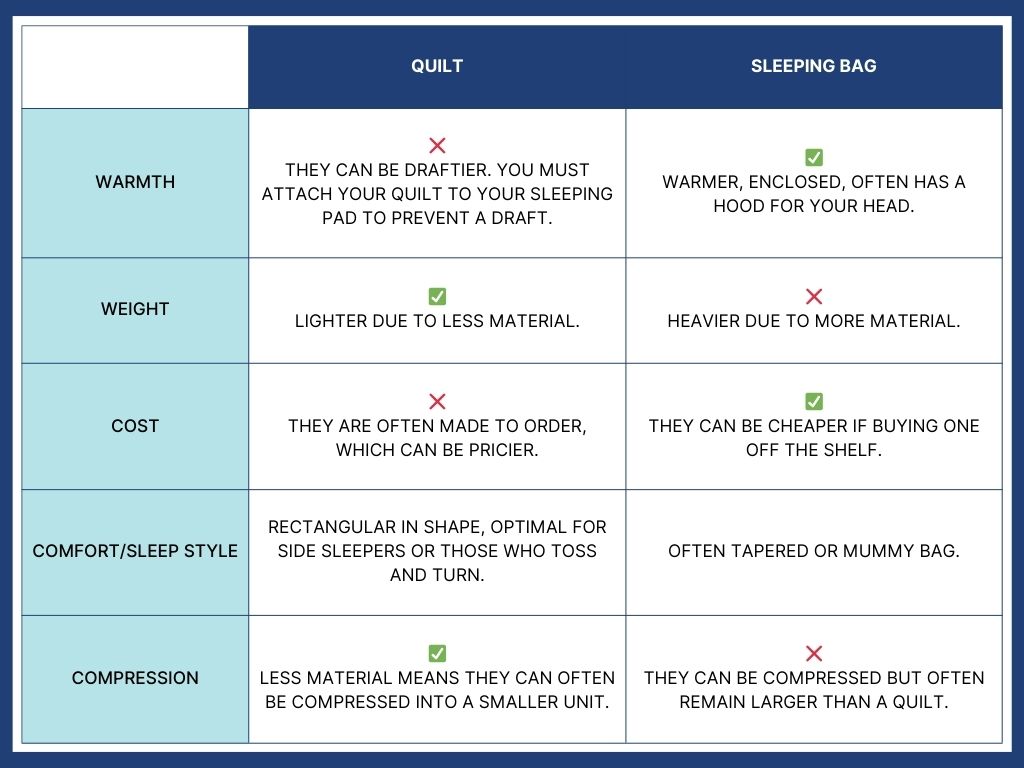
Credit: www.cinderstravels.com
Testing And Choosing Your Bag
Choosing the right sleeping bag temperature rating is important for backpacking. It keeps you warm and comfortable outdoors. Testing and picking your bag carefully will help you stay safe in different weather.
It is good to learn how to read ratings, listen to real users, and try bags before buying. This way, you get a bag that fits your needs well.
Reading Manufacturer Ratings
Manufacturers give temperature ratings to show how warm their bags keep you. These ratings usually include comfort and limit temperatures. Comfort means the lowest temperature you can sleep comfortably. Limit is the lowest temperature you can survive but may feel cold.
Look for ratings from trusted standards like EN or ISO. These tests are done in labs and give more reliable info. Remember, these numbers are guides. Your body and weather can change how warm you feel.
- Comfort rating – for normal sleepers
- Limit rating – for cold but safe nights
- Extreme rating – survival temperature only
- Look for EN/ISO certified ratings
- Know your own cold tolerance
User Reviews And Real-world Feedback
Reading reviews from people who used the bag helps you know how it works outside the lab. Real users tell if the bag runs warm or cold. They share tips on fit, weight, and durability.
Check reviews on outdoor websites or forums. Look for comments about temperature in different weather and seasons. Focus on reviews from people who camp in conditions like yours.
- Find reviews from similar climates
- Note if users say bag is too warm or cold
- Look for info on bag weight and pack size
- See how well it holds up after use
- Learn about ease of use and comfort
Trying Bags In Store Or Campsite
Trying sleeping bags before buying helps you feel their warmth and comfort. Visit stores that allow testing or borrow bags from friends. If possible, use a sleeping bag at a campsite to see how it performs overnight.
Test how the bag fits your body size and sleeping style. Check how easy it is to zip and pack. Feeling the material and insulation quality helps you decide if it suits your needs.
- Lie inside the bag for fit and comfort
- Check if the bag feels warm enough
- Try zipping and unzipping easily
- Test packing size and weight
- Use the bag overnight if possible
Caring For Your Sleeping Bag
Your sleeping bag keeps you warm on backpacking trips. Taking care of it helps it last longer.
Proper care keeps the insulation working well and makes your bag comfortable every time.
Cleaning Tips
Keep your sleeping bag clean by washing it only when needed. Too much washing can damage it.
Use a gentle soap made for outdoor gear and wash by hand or on a gentle machine cycle.
- Close all zippers and Velcro before washing
- Use cold water to protect the fabric
- Rinse thoroughly to remove all soap
- Dry the bag slowly on low heat or air dry
Storage Best Practices
Store your sleeping bag loosely to keep its shape. Avoid tight stuff sacks for storage.
Use a large cotton or mesh storage sack to let air flow and prevent moisture build-up.
- Keep it in a dry, cool place away from sunlight
- Never store the bag damp or wet
- Shake and fluff it before storing to restore loft
Maintaining Insulation Quality
Good insulation traps body heat. Protect it by avoiding compression for long times.
Use a sleeping pad under your bag to keep it dry and clean while camping.
- Air out your sleeping bag after each use
- Repair small tears quickly to keep insulation inside
- Keep your bag dry to prevent clumping of insulation
Frequently Asked Questions
What Temperature Rating Should My Backpacking Sleeping Bag Have?
Choose a sleeping bag with a temperature rating that matches the coldest conditions you’ll face. For summer, 35°F to 50°F bags work well. For colder weather, select bags rated 20°F or lower to stay warm and safe during your trip.
How Do I Know If My Sleeping Bag Is Warm Enough?
Check the bag’s temperature rating against the expected nighttime lows. Also, consider your personal cold tolerance and clothing layers. If unsure, pick a bag rated slightly colder than the forecast to ensure comfort and avoid chilly nights.
Can I Use One Sleeping Bag For All Seasons?
A versatile 3-season sleeping bag is ideal for most backpacking trips. It handles mild to cool temperatures well. For extreme cold, use a specialized winter bag. Layering with liners or clothing can extend your bag’s usability in varied conditions.
Does Sleeping Bag Insulation Affect Temperature Rating?
Yes, insulation type greatly impacts warmth. Down insulation offers high warmth-to-weight ratio but costs more. Synthetic insulation is bulkier but performs better when wet. Choose based on weather, weight preference, and budget for best temperature performance.
Conclusion
Choosing the right sleeping bag temperature keeps you warm and comfortable outdoors. Check the weather and night temperatures before packing. A bag too warm can cause sweating, too cold can lead to shivers. Think about the season and where you will camp.
Quality matters, but fit and weight do too. Stay safe by picking a sleeping bag that matches your needs. Rest well, enjoy your backpacking adventure. Simple choices make your trips better and more fun.