Have you ever wondered what truly makes a duffel bag eco friendly? It’s more than just a label or a trendy color.
Your choice of bag can impact the planet in ways you might not realize. Imagine carrying a bag that not only fits your lifestyle but also helps reduce waste and protect natural resources. You’ll discover the key features that turn an ordinary duffel bag into a green choice you can feel proud of.
Keep reading to learn how your next bag can make a real difference—for you and the environment.
Materials Used
Eco friendly duffel bags use materials that reduce harm to the planet. Choosing the right materials helps lower waste and pollution.
These materials often come from natural or recycled sources. They break down faster or use less energy to make.
Recycled Fabrics
Recycled fabrics come from old plastics or worn-out clothes. They stop waste from filling landfills and oceans.
Making fabric from recycled materials uses less water and energy. It also cuts down on new raw materials.
- Recycled polyester from plastic bottles
- Recycled nylon from fishing nets
- Fabric made from old clothing scraps
Organic Fibers
Organic fibers grow without harmful pesticides or chemicals. They keep soil and water cleaner during farming.
Common organic fibers include cotton, hemp, and linen. These fibers are strong and renewable.
- Organic cotton uses less water than regular cotton
- Hemp grows quickly and enriches the soil
- Linen comes from flax plants, which need few chemicals
Biodegradable Components
Biodegradable parts break down naturally in the environment. They reduce long-term waste after the bag is discarded.
These parts include zippers, threads, and coatings made from natural materials. They avoid plastic pollution.
- Metal zippers instead of plastic ones
- Natural cotton or hemp threads
- Plant-based water repellents instead of chemicals
Credit: picclick.ca
Production Process
The production process plays a big role in making a duffel bag eco friendly. It involves careful use of energy, water, and safe materials. This helps reduce harm to the environment.
Each step in making the bag can impact the earth. Using better methods helps save resources and keeps the bag green from start to finish.
Low Energy Manufacturing
Low energy manufacturing means using less electricity and fuel during production. Factories use machines that need less power. This cuts down pollution and saves natural resources.
Some factories use renewable energy like solar or wind power. This helps reduce the carbon footprint of the duffel bag.
Water Conservation Techniques
Water conservation is important in bag production. Factories use systems to recycle water and reduce waste. This keeps rivers and lakes cleaner.
Techniques include capturing rainwater and using drip irrigation for plant-based materials. These steps help save thousands of gallons of water.
Non-toxic Dyes And Treatments
Eco friendly duffel bags use dyes that are safe and do not pollute water. These dyes come from natural sources or use less harmful chemicals.
Special treatments also avoid toxic substances. This keeps workers safe and reduces waste that harms the environment.
Durability And Longevity
Durability and longevity are key to making a duffel bag eco friendly. Bags that last longer reduce waste and need fewer replacements.
Strong materials and good design help the bag stay useful for many years.
Reinforced Stitching
Reinforced stitching means extra strong seams hold the bag together well. This stops the bag from falling apart quickly.
Double or triple stitches add more strength to the stress points on the bag.
- Prevents seams from tearing
- Supports heavy loads
- Extends bag’s life
Wear-resistant Fabrics
Wear-resistant fabrics stand up to rubbing, scratches, and rough use. They do not wear out fast.
Materials like recycled nylon or canvas often last longer and are better for the environment.
- Resists tears and holes
- Protects the bag’s shape
- Reduces need for replacements
Repairability Options
Bags designed for repair help users fix small damages. This keeps the bag useful instead of throwing it away.
Features like replaceable parts or easy-to-access seams make repairs simple.
- Allows patching holes
- Supports zipper or strap replacement
- Extends the bag’s lifespan

Credit: www.youtube.com
Design For Sustainability
Eco friendly duffel bags focus on lasting design and less waste. They use smart ideas to reduce environmental harm.
Design for sustainability means making bags that serve many purposes and last a long time. This lowers the need for new products.
Modular And Multi-use Features
Duffel bags with modular parts allow users to change or replace sections. This extends the bag’s life and cuts down waste.
- Interchangeable compartments adapt to different needs
- Removable straps and pockets add flexibility
- Parts made from recycled materials
- Easy repair options to fix worn pieces
Minimalist Aesthetic
Simple designs use fewer materials and less energy. They avoid excess details that add waste or require complex manufacturing.
| Feature | Benefit |
| Clean lines | Less fabric waste |
| Few colors | Lower dye use |
| Basic shapes | Easy to produce and repair |
Lightweight Construction
Using light materials means less energy in transport. It also makes the bag easier to carry, reducing strain on users.
Key lightweight materials include:
- Recycled nylon
- Organic cotton canvas
- Natural rubber bases
Certifications And Standards
Eco-friendly duffel bags help protect our planet. Certifications and standards ensure these bags meet high environmental criteria.
These labels guarantee that the materials and processes used are safe for nature. Let’s explore some key certifications for eco-friendly duffel bags.
Global Organic Textile Standard
The Global Organic Textile Standard (GOTS) is crucial for eco-friendly bags. It ensures that fabrics are organic and produced sustainably.
GOTS covers the entire textile supply chain. This includes processing, manufacturing, packaging, labeling, and distribution.
- Ensures organic material use
- Restricts harmful chemicals
- Guarantees fair labor practices
Fair Trade Labels
Fair Trade Labels ensure workers are treated fairly. This means better wages and safe working conditions for those making duffel bags.
Fair Trade also supports community development. It invests in local projects like schools and healthcare.
- Improves worker welfare
- Supports community growth
- Promotes sustainable practices
Bluesign Certification
Bluesign Certification ensures that production processes are safe for people and the planet. It focuses on resource productivity and consumer safety.
This certification minimizes the impact on the environment. It ensures that harmful substances are not used in the manufacturing process.
- Reduces environmental footprint
- Ensures safe chemical usage
- Enhances consumer safety
Brand Ethics
Eco-friendly duffel bags reflect the values of the brands that make them. These values include sustainability and ethical practices. Understanding brand ethics helps consumers make informed choices.
Brands committed to eco-friendly practices focus on the environment and society. They ensure their products are not just functional but also responsible.
Transparent Supply Chains
Transparent supply chains are vital for eco-friendly products. They show the journey of materials from source to store. This openness builds trust with consumers.
- Raw materials sourced sustainably
- Factories follow fair labor practices
- Shipping methods with lower emissions
Commitment To Carbon Neutrality
Brands aiming for carbon neutrality work to reduce their carbon footprint. This includes offsetting emissions through various initiatives.
- Investing in renewable energy projects
- Planting trees to absorb CO2
- Improving energy efficiency in production
Community And Social Impact
Brands that care about their community often engage in social initiatives. These initiatives can improve the lives of people in the areas where they operate.
| Initiative | Impact |
| Local job creation | Boosts economy |
| Educational programs | Increases knowledge |
| Health and wellness support | Improves living standards |
End-of-life Considerations
Thinking about what happens to a duffel bag after use is important for the environment.
End-of-life choices can reduce waste and pollution from discarded bags.
Recyclability
A duffel bag made from recyclable materials helps lower landfill waste.
- Look for bags made with recyclable fabrics like nylon or polyester.
- Check if the bag can be separated into parts for recycling.
- Avoid mixed materials that are hard to recycle.
Biodegradability
Biodegradable duffel bags break down naturally in the environment.
| Material | Biodegradability |
| Cotton | Yes, breaks down in months |
| Leather | Yes, but slower process |
| Polyester | No, takes years to decompose |
Take-back Programs
Some brands offer take-back programs to recycle old duffel bags.
Benefits of take-back programs:
- Reduce waste by reusing materials.
- Help customers dispose of bags responsibly.
- Support circular economy efforts.
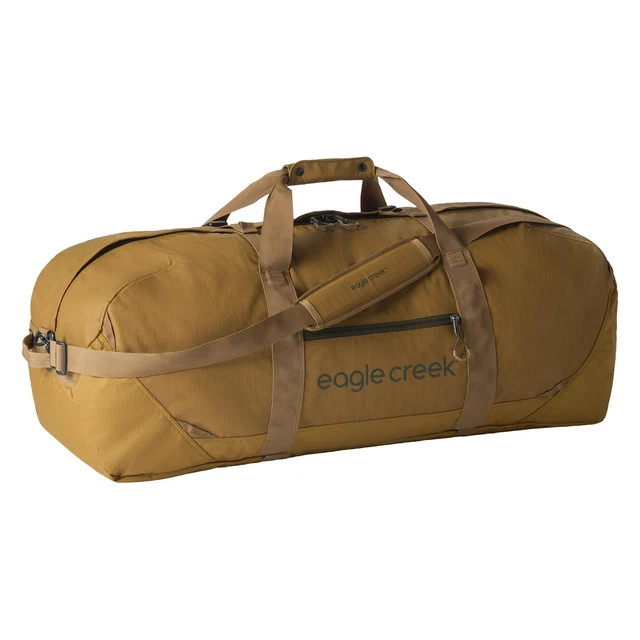
Credit: picclick.ca
Frequently Asked Questions
What Materials Make A Duffel Bag Eco Friendly?
Eco friendly duffel bags use sustainable materials like organic cotton, recycled polyester, and hemp. These materials reduce waste and environmental impact during production.
How Does Manufacturing Affect A Duffel Bag’s Eco Friendliness?
Eco friendly manufacturing involves low energy use, non-toxic dyes, and fair labor practices. These steps minimize pollution and promote ethical production.
Why Is Durability Important For Eco Friendly Duffel Bags?
Durability ensures the bag lasts longer, reducing the need for replacements. This lowers resource consumption and waste over time.
Can Recycled Materials Make Duffel Bags Sustainable?
Yes, recycled materials like plastic bottles reduce landfill waste and conserve raw resources. They help create sturdy, eco conscious duffel bags.
Conclusion
Choosing an eco-friendly duffel bag helps protect our planet. These bags use natural or recycled materials that reduce waste. They last longer, so you buy fewer replacements. Simple actions, like picking sustainable bags, make a big difference. Small steps add up to cleaner air and less pollution.
Carry your stuff with care for Earth. Every green choice counts toward a healthier future.