
Packing your sleeping bag the right way can make a big difference on your outdoor adventures. If you’ve ever struggled with awkward straps or a bulky backpack, this guide is for you.
You’ll learn simple, effective steps to strap your sleeping bag securely to your backpack. This not only saves space but also keeps your gear balanced and easy to carry. Keep reading, and you’ll discover tips that make your next trip more comfortable and hassle-free.

Credit: www.reddit.com
Choosing The Right Sleeping Bag
Choosing a sleeping bag is important for a comfortable night outdoors. The right sleeping bag fits your needs and the weather.
This guide helps you pick the best sleeping bag for your backpack and trip.
Types Of Sleeping Bags
There are three main types of sleeping bags: rectangular, mummy, and semi-rectangular. Each type offers different comfort and warmth.
- Rectangular:More room to move, good for mild weather.
- Mummy:Tapered shape, keeps heat well, best for cold weather.
- Semi-rectangular:A mix of both, balances space and warmth.
Size And Weight Considerations
Size and weight matter when you carry your sleeping bag on a backpack. A heavy or large bag can slow you down.
| Factor | Why It Matters | Tip |
| Weight | Lighter bags ease your load on long hikes. | Choose bags under 3 pounds for backpacking. |
| Size | Compact bags fit better on your backpack. | Look for bags that compress small. |
| Length | Should fit your height comfortably. | Choose a bag about 6 inches longer than you. |
Material And Insulation Options
Sleeping bags use two main insulation types: down and synthetic. Each has pros and cons for warmth and care.
- Down:Very warm and lightweight. Loses warmth if wet.
- Synthetic:Keeps warmth even when wet. Usually heavier.
The outer material should be durable and water-resistant. This protects the insulation from moisture and damage.
Backpack Features For Strapping
Strapping a sleeping bag on a backpack needs the right features. These features make it easier to carry your gear safely.
Backpacks often have special points and straps designed for attaching extra items like sleeping bags.
Attachment Points And Straps
Attachment points are loops or rings on a backpack. You use them to tie your sleeping bag securely outside the pack.
Straps help hold the sleeping bag tight. They stop it from moving while you walk or climb.
- Look for strong loops near the bottom of the pack.
- Use adjustable straps to fit the size of your sleeping bag.
- Straps with buckles make it easy to attach and remove gear.
Compression Straps Vs. Gear Loops
Compression straps tighten the backpack and keep the load stable. They can also hold your sleeping bag.
Gear loops are fixed points to clip or tie gear outside your backpack. They offer more options for attaching items.
- Compression straps reduce bulk and keep gear close to the pack.
- Gear loops give flexibility to attach different shapes and sizes.
- Use compression straps for a tight fit, gear loops for easy access.
Waterproofing And Protection
Sleeping bags should stay dry when strapped outside. Some backpacks have covers or rain flaps.
You can also use waterproof stuff sacks to protect your sleeping bag from rain and dirt.
- Check if your backpack has a rain cover or flap.
- Use waterproof bags for your sleeping bag before strapping.
- Keep the sleeping bag away from sharp edges on the backpack.
Preparing Your Sleeping Bag
Strapping your sleeping bag on a backpack keeps it safe and easy to carry. Proper preparation helps save space and protects your gear.
Choose the right method to pack your sleeping bag before attaching it. This guide covers rolling vs. stuffing, using a compression sack, and securing loose straps.
Rolling Vs. Stuffing
Rolling and stuffing are two common ways to pack a sleeping bag. Each has benefits depending on your space and weight needs.
- Rolling:Makes a tight, long shape. Easy to strap outside the pack.
- Stuffing:Compresses the bag more. Saves space but may take longer to dry.
Using A Compression Sack
A compression sack squeezes air out of your sleeping bag. It reduces volume and makes it easier to carry.
| Benefit | Explanation |
| Space-saving | Compresses your sleeping bag to a smaller size. |
| Protection | Keeps your bag clean and dry. |
| Easy to strap | Shapes the bag for secure backpack attachment. |
Securing Loose Straps
Loose straps can catch on branches or gear. Secure them tightly before hiking.
- Tuck strap ends into buckles or loops.
- Use Velcro or elastic bands to bundle loose straps.
- Check straps after strapping your bag to the backpack.

Credit: www.reddit.com
Techniques To Strap Sleeping Bag
Strapping a sleeping bag to your backpack saves space inside. It also keeps your pack balanced and easy to carry.
There are several ways to attach a sleeping bag. Each way works best for different pack designs and trip needs.
Bottom Attachment Method
Attaching your sleeping bag at the bottom of your backpack is common. It keeps the weight low and stable.
Use the straps on the bottom of your pack. Roll your sleeping bag tight. Then, place it under the straps and tighten.
- Roll sleeping bag to a small size
- Place under bottom straps or loops
- Tighten straps to secure bag firmly
- Check strap tightness before hiking
Side Attachment Method
Strapping the sleeping bag on the side of your backpack works well if bottom space is limited. It keeps the bag easy to reach.
Use side compression straps or loops. Wrap the bag tightly and fasten it along the side of your pack. Make sure it does not swing.
- Roll or stuff sleeping bag compactly
- Place bag along one side of the pack
- Use side straps to hold the bag in place
- Ensure bag is secure and won’t move
Top Attachment Method
Attaching the sleeping bag on top of the backpack keeps it accessible. This way is good for short trips or quick breaks.
Use the top straps or lid of your backpack. Secure the rolled bag on top, tightening straps so it does not shift while walking.
- Roll sleeping bag tightly
- Place bag on top of the backpack
- Use top straps to hold it firmly
- Check stability before starting hike
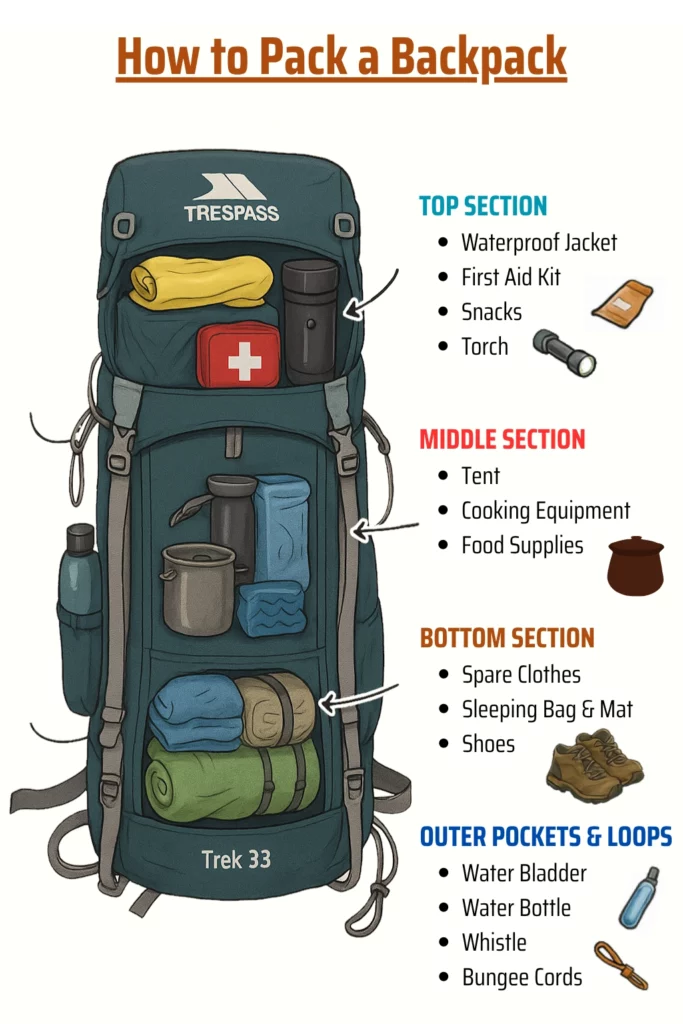
Tips For Stability And Balance
Strapping your sleeping bag securely on your backpack helps keep you steady. Proper attachment improves balance on rough trails.
Using the right techniques reduces swinging and prevents discomfort during your hike.
Even Weight Distribution
Place your sleeping bag so the weight is spread evenly. This prevents your pack from leaning to one side.
| Backpack Area | Weight Placement |
| Bottom | Sleeping bag fits well here for low center of gravity |
| Side Straps | Use to keep the bag balanced left and right |
| Top | Avoid placing heavy items here to keep balance |
Avoiding Shifting During Hikes
Secure your sleeping bag tightly to stop it from moving. Loose straps let the bag swing and affect your balance.
- Use all available straps to hold the bag firmly
- Tighten straps after loading your pack
- Check straps regularly during breaks
- Wrap the bag in a compression sack to reduce bulk
Adjusting Straps For Comfort
Straps that are too tight cause discomfort and restrict movement. Loose straps reduce stability.
- Start by tightening the straps just enough to hold the bag
- Walk a short distance and feel if the pack shifts
- Loosen or tighten straps based on your comfort
- Repeat adjustments until the bag feels stable and comfortable
Credit: www.trespass.com
Protecting Your Sleeping Bag
Keeping your sleeping bag safe on a hike is important. It ensures a good night’s sleep and extends the life of your gear.
Protecting it from the elements and damage is easy with a few steps. Let’s explore how to do this effectively.
Using Dry Bags Or Covers
Dry bags keep your sleeping bag dry and clean. They are waterproof and durable.
Use a cover if you don’t have a dry bag. Covers protect against dirt and light rain.
- Select the right size to fit your sleeping bag.
- Ensure the bag is sealed properly to prevent leaks.
- Choose lightweight materials for easy carrying.
Avoiding Exposure To Elements
Keep your sleeping bag away from water and sharp objects. This helps avoid damage during your hike.
Be mindful of where you place your backpack. Avoid areas with wet ground or sharp rocks.
- Store your backpack under a tarp or cover.
- Check the weather forecast before your hike.
- Adjust your route if bad weather is expected.
Maintenance After The Hike
After your hike, clean and dry your sleeping bag. This prevents mold and keeps it fresh for your next trip.
Store it in a cool, dry place to maintain its quality. Regular care keeps your sleeping bag in top condition.
- Air out the sleeping bag after each use.
- Use a gentle detergent for washing.
- Inspect for any tears or damage and repair promptly.
Common Mistakes To Avoid
Strapping a sleeping bag onto a backpack can seem easy. But, common mistakes can make your trip uncomfortable.
Understanding these errors helps in packing efficiently and avoiding discomfort.
Overloading The Backpack
Carrying too much weight can tire you quickly. Keep your pack light for a better experience.
| Item | Weight (lbs) |
| Sleeping Bag | 2 |
| Tent | 5 |
| Water | 4 |
Loose Straps And Movement
Loose straps cause the sleeping bag to move. This can disrupt your balance while walking.
- Check all strap buckles are secure
- Tighten straps before setting off
- Recheck straps during breaks
Ignoring Weather Conditions
Weather affects how you should pack your sleeping bag. Wet conditions can ruin your sleeping gear.
Frequently Asked Questions
How Do I Attach A Sleeping Bag To My Backpack?
Use straps or compression cords to secure the sleeping bag. Position it at the bottom or outside for easy access. Ensure it’s tightly fastened to prevent movement during hiking.
What Is The Best Backpack Location For A Sleeping Bag?
The best location is usually the bottom compartment or external straps. This helps balance weight and saves interior space for other gear. Adjust based on your backpack design.
Can I Strap A Bulky Sleeping Bag On Any Backpack?
Most backpacks with external straps or loops can hold bulky sleeping bags. Use compression sacks to reduce size. Ensure the straps are strong enough to hold the weight.
Should I Cover My Sleeping Bag When Strapped Outside?
Yes, use a waterproof cover or dry bag to protect it. This prevents moisture and dirt from damaging the sleeping bag during your trip.
Conclusion
Strapping your sleeping bag on a backpack keeps it safe and easy to carry. Tighten the straps well to stop it from moving. Place the bag where it balances your load. Check the straps often during your trip. This simple step helps you hike longer without trouble.
Carrying your sleeping bag right makes your outdoor trip better. Practice these tips to pack faster next time. Enjoy your adventure with less hassle and more comfort.