
Your sleeping bag is one of the most important pieces of gear on any backpacking trip. But did you know that how you store it can make a huge difference in how long it lasts and how well it keeps you warm?
If you’re not careful, your sleeping bag can lose its loft, get damaged, or even develop unpleasant odors. You’ll discover simple, effective ways to store your backpacking sleeping bag so it stays fresh, fluffy, and ready for your next adventure.
Keep reading to learn the easy steps that will protect your gear and help you sleep better on every trip.
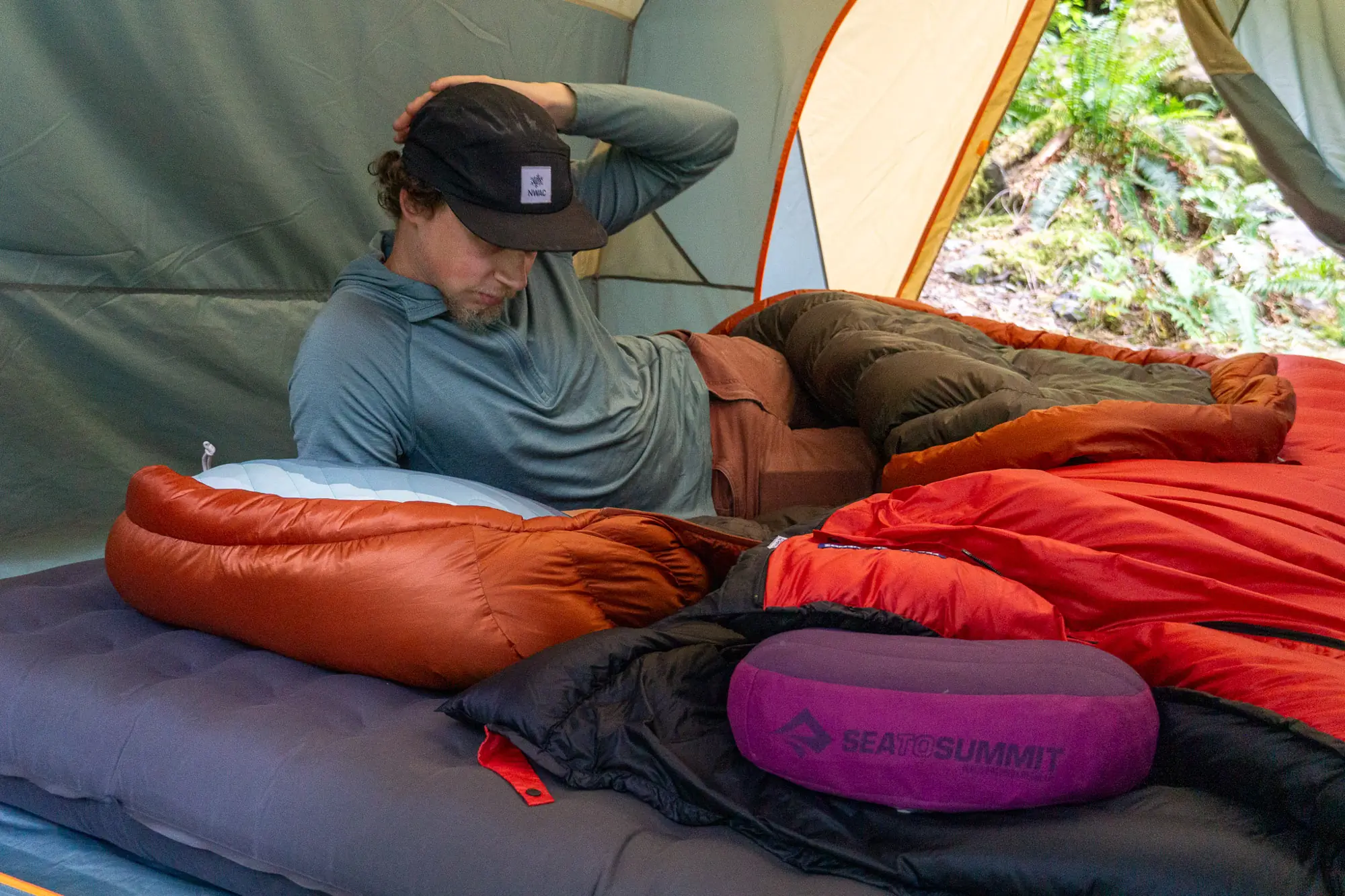
Credit: gearjunkie.com
Choose The Right Storage Location
Storing your backpacking sleeping bag correctly keeps it in good shape. A good storage spot protects it from damage and wear.
Picking the right place helps your sleeping bag stay fresh and warm for your next trip.
Avoid Damp Areas
Damp places cause mold and mildew on your sleeping bag. These can ruin the fabric and fill it with bad smells.
Keep your sleeping bag in a dry area to stop moisture from building up and causing damage.
- Do not store in basements or garages if they are damp
- Use a breathable storage sack, not a plastic bag
- Air out the bag before storing it
Keep Away From Direct Sunlight
Sunlight can fade and weaken the sleeping bag fabric. UV rays break down the material over time.
Store your sleeping bag in a shaded spot to keep it strong and colorful.
- Avoid windows or places that get strong sun rays
- Use a closet or a covered shelf for storage
- Keep the bag covered with a cloth if light is unavoidable
Maintain Stable Temperature
Big temperature changes can harm your sleeping bag. It may cause the insulation to lose its loft.
Store the bag in a place where the temperature stays steady and not too hot or cold.
- Avoid attics or garages with wide temperature swings
- Choose a cool, dry room inside your home
- Keep the bag away from heaters or air conditioners
Clean Your Sleeping Bag Before Storage
Cleaning your sleeping bag before storing keeps it fresh and lasts longer. Dirt and oils can damage the materials over time.
Proper cleaning helps keep the insulation and fabric in good shape for your next trip.
Spot Clean Minor Stains
Small stains do not need a full wash. Spot cleaning saves time and protects the fabric.
Use a damp cloth with mild soap to gently rub the stained area. Avoid harsh chemicals.
- Mix water and gentle soap
- Use a soft cloth or sponge
- Rub the stain carefully
- Rinse with clean water
- Let it air dry
Deep Wash Guidelines
Wash your sleeping bag deeply if it is very dirty or smells bad. Use a front-loading washing machine if possible.
Use a mild detergent made for down or synthetic materials. Avoid fabric softeners and bleach.
- Close all zippers and Velcro
- Use cold or warm water only
- Select a gentle cycle
- Run an extra rinse to remove soap
- Do not wring or twist the bag
Proper Drying Techniques
Dry your sleeping bag fully before storing. Moisture can cause mold and damage the insulation.
Use low heat in a dryer or air dry in a shaded area. Avoid direct sunlight or high heat.
- Place clean tennis balls in the dryer
- Tumble on low heat to fluff insulation
- Check frequently to avoid overheating
- Air dry completely if no dryer available
- Store only when fully dry
Use Suitable Storage Methods
Storing a backpacking sleeping bag properly keeps it warm and fluffy. Bad storage can damage insulation and reduce comfort. Use the right methods to keep your sleeping bag in good shape for years.
Choose storage options that avoid crushing and allow air flow. This helps the materials keep their loft and performance.
Avoid Compression Bags Long-term
Compression bags squeeze the sleeping bag tightly to save space during travel. This is fine for short trips. Long-term use can harm the insulation inside the bag.
Keep your sleeping bag out of compression bags when storing it at home. This lets the filling keep its shape and warmth.
Opt For Loose Storage Bags
Loose storage bags protect your sleeping bag without squashing it. They are usually made of breathable fabric like cotton or mesh. These bags help air circulate and prevent moisture buildup.
- Use a large cotton or mesh bag
- Keep the sleeping bag clean and dry before storing
- Store in a cool, dry place away from direct sunlight
- Check the bag occasionally for dampness or odors
Hang Or Lay Flat
Another way to store your sleeping bag is by hanging or laying it flat. This method stops the insulation from getting crushed or uneven.
| Storage Method | Benefits | Notes |
| Hanging | Keeps loft evenly distributed | Use wide, padded hangers to avoid creases |
| Laying Flat | Prevents pressure spots | Place on a clean, dry surface |
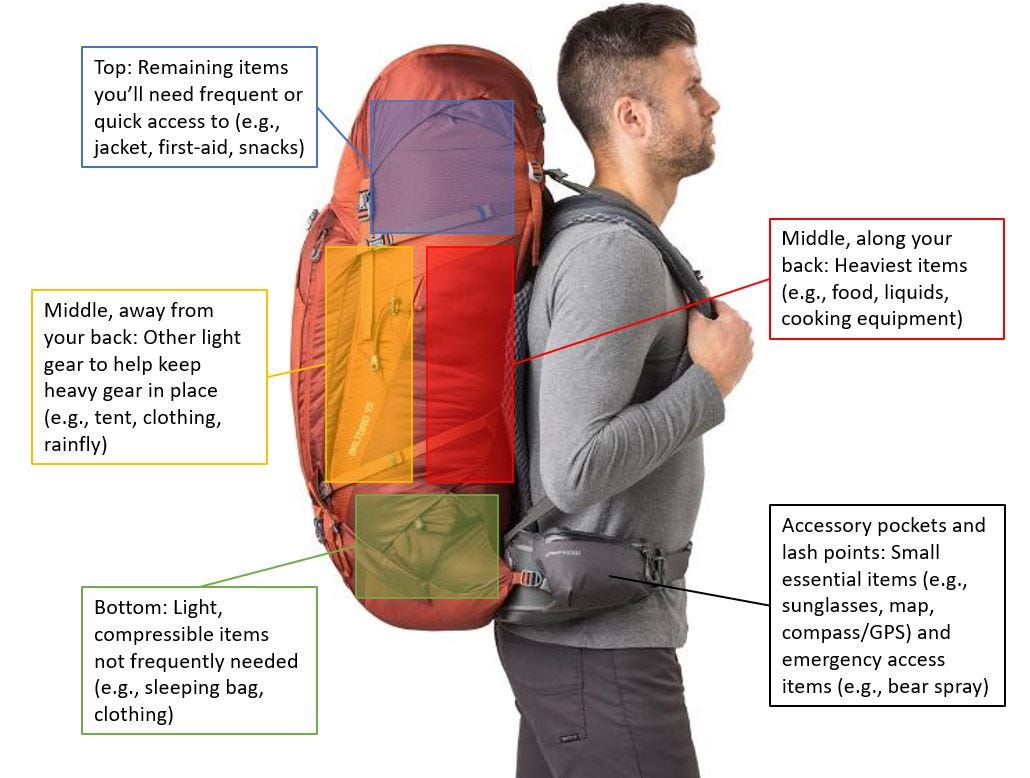
Credit: pangolinswithpacks.com
Protect Against Pests And Mold
Storing your backpacking sleeping bag properly helps keep it safe from pests and mold. These problems can damage the insulation and fabric. Taking simple steps can keep your bag fresh and ready for use.
Focus on preventing pests like moths and keeping moisture away. Good storage practices make your sleeping bag last longer and stay comfortable.
Use Natural Repellents
Natural repellents keep pests away without harming your sleeping bag. They are safe and easy to use in storage areas.
- Cedar blocks or chips absorb moisture and repel moths.
- Lavender sachets provide a pleasant smell and deter insects.
- Bay leaves can be placed inside storage bags to keep bugs away.
- Essential oils like eucalyptus or peppermint can be applied on cotton balls.
Ensure Proper Ventilation
Good airflow stops mold growth by reducing moisture buildup. Avoid airtight containers for long-term storage.
| Storage Method | Ventilation Level | Effect on Mold |
| Mesh storage bag | High | Prevents mold well |
| Breathable cotton sack | High | Prevents mold well |
| Plastic bin with air holes | Medium | Some mold risk |
| Sealed plastic bag | Low | High mold risk |
Regularly Inspect Stored Bags
Check your sleeping bags often to catch problems early. Look for signs of pests or mold and act quickly to fix issues.
- Take the bag out and air it in sunlight.
- Inspect all sides for holes, stains, or damp spots.
- If you find mold, clean the bag following the care instructions.
- Replace natural repellents as needed.
- Store the bag in a clean, dry place after inspection.
Maintain Loft And Insulation
Keeping your backpacking sleeping bag in good shape helps it stay warm. Loft and insulation are key to comfort on cold nights.
Proper storage keeps the filling from getting flat or damaged. This guide shows how to store your sleeping bag right.
Fluff Before Storage
Before storing, shake your sleeping bag to loosen the insulation. Fluffing helps air get back into the fill.
This step keeps the insulation from packing down too much. It keeps the bag warm and soft for your next trip.
Avoid Heavy Weight On Bag
Do not place heavy objects on top of your sleeping bag. Weight crushes the insulation and reduces loft.
Store the bag in a loose, roomy space. This prevents damage and keeps the filling fluffy and full.
Periodic Fluffing During Storage
Check your sleeping bag every few months while stored. Give it a good shake to restore loft and air flow.
Regular fluffing stops the insulation from becoming flat. It keeps your bag ready for cold nights outdoors.

Credit: www.amazon.ca
Prepare For Next Use
Storing your backpacking sleeping bag properly helps it last longer. Good storage ensures your bag is ready for your next adventure.
Follow these steps to keep your sleeping bag in the best condition for future use.
Air Out Before Packing
After your trip, let your sleeping bag breathe. Air it out to remove moisture and odors.
- Hang it outside if the weather is dry.
- Use a well-ventilated area indoors if needed.
- Leave it for a few hours to ensure it’s completely dry.
Check For Damage
Inspect your sleeping bag for any signs of wear or damage. Look for tears, broken zippers, or missing buttons.
Fix any small issues before storing the bag. This keeps it in good shape and ready for your next adventure.
Repack Carefully
When repacking, use the storage sack, not the compression sack. This helps maintain the bag’s loft.
- Fold the bag loosely.
- Place it gently in the storage sack.
- Store in a cool, dry place away from sunlight.
Frequently Asked Questions
How Should I Store My Backpacking Sleeping Bag Long-term?
Store your sleeping bag loosely in a large, breathable storage sack or hang it in a dry, cool place. Avoid compressing it to maintain loft and insulation.
Can I Store My Sleeping Bag In Its Compression Sack?
Avoid long-term storage in a compression sack as it damages insulation. Use compression sacks only for travel or short trips.
What Environment Is Best For Sleeping Bag Storage?
Store your sleeping bag in a dry, cool, and well-ventilated area. Avoid damp or hot places to prevent mold and material degradation.
Should I Clean My Sleeping Bag Before Storing It?
Yes, always clean your sleeping bag according to manufacturer instructions before storage. This preserves materials and prevents odors or mold.
Conclusion
Proper storage keeps your backpacking sleeping bag safe and clean. Store it loosely in a large sack or hang it to keep the insulation fluffy. Avoid tight compression for long periods to prevent damage. Dry your sleeping bag fully before storing to stop mold and smell.
Following these simple steps helps your bag last longer and stay warm on every trip. Remember, good care makes your gear ready for any adventure. Keep it simple, keep it safe.