
You’ve invested in a good backpacking bag, but do you know the best way to store it? How you keep your bag when it’s not in use can make a huge difference in how long it lasts and how ready it is for your next adventure.
Imagine opening your bag months from now and finding it fresh, clean, and damage-free. Sounds great, right? You’ll discover simple, practical tips to store your backpacking bag the right way. Keep reading to protect your gear and make every trip easier and more enjoyable.
Credit: www.reddit.com
Choose The Right Storage Spot
Proper storage of backpacking bags helps keep them in good shape. Picking the right spot prevents damage and makes your bag last longer.
Consider the environment where you place your bag. Avoid places that can cause mold, fading, or wear.
Avoid Damp And Humid Areas
Damp or humid places cause mold and mildew on backpacking bags. These spots can also make zippers and fabric weaken over time.
- Do not store bags in basements or bathrooms.
- Keep bags away from wet floors or walls.
- Use moisture absorbers if humidity is high.
Keep Away From Direct Sunlight
Sunlight can fade colors and weaken the fabric of your backpack. UV rays may also damage the bag’s material and straps.
| Risk | Effect |
|---|---|
| Direct sunlight | Fades color and weakens fabric |
| UV exposure | Breaks down material and straps |
| Heat buildup | Can deform bag shape |
Select A Cool, Dry Place
Choose a place that is cool and dry to keep your backpack safe. This slows down wear and prevents damage.
- Use closets or shelves inside your home.
- Avoid areas near heaters or vents.
- Store bags loosely to keep their shape.
Clean Your Backpack Properly
Keeping your backpack clean helps it last longer and stay fresh. Dirt and stains can damage the fabric over time.
Proper cleaning also prevents bad smells and keeps your gear safe. Follow simple steps to clean your backpack well.
Remove Dirt And Debris
Start by shaking out your backpack to remove loose dirt and crumbs. Use a soft brush to clean dust and dried mud from the surface.
Empty all pockets and compartments before cleaning. This helps you reach every corner and prevents damage to your items.
Spot Clean With Mild Detergents
Use a small amount of mild detergent mixed with water to clean stains. Avoid harsh chemicals that can ruin the fabric.
- Dab the stained area gently with a soft cloth or sponge
- Rinse the cloth and repeat until the stain fades
- Do not scrub hard to avoid damaging the material
- Clean zippers and straps carefully to remove grime
Dry Thoroughly Before Storage
After cleaning, dry your backpack in a well-ventilated area. Avoid direct sunlight to prevent fading and fabric damage.
| Drying Tips | Why It Matters |
| Hang upside down with all compartments open | Allows air to reach all parts and speeds drying |
| Use a fan if indoors | Keeps air moving to reduce moisture |
| Check for damp spots before storing | Prevents mold and bad odors |
Prepare The Bag For Storage
Storing your backpacking bag properly keeps it safe and ready for your next trip. Preparing the bag well helps it last longer and stay clean.
Follow simple steps to get your bag ready for storage. This will protect its shape and materials over time.
Empty All Pockets And Compartments
Make sure to take everything out of the bag. Check all pockets and compartments carefully.
Removing items prevents damage and keeps the bag clean. Leftover food or dirt can cause bad smells or mold.
Loosen Straps And Buckles
Loosen all straps and unclip buckles before storing the bag. This avoids unnecessary tension on the fabric.
Loose straps help the bag keep its shape. Tight straps may cause creases or wear over time.
Stuff With Acid-free Paper Or Cloth
Fill the inside of the bag with acid-free paper or soft cloth. This helps the bag keep its form while stored.
Avoid using regular paper that can stain or damage the material. Soft cloth is gentle and safe for long storage.
- Use acid-free tissue paper to fill large spaces
- Place soft cloth in smaller compartments
- Do not overstuff to prevent stretching
Use Protective Covers
Storing your backpacking bags properly keeps them safe and clean. Protective covers help stop dirt and damage.
Using covers also helps stop dust and pests from reaching your bags. This keeps your gear ready for your next trip.
Choose Breathable Storage Bags
Breathable storage bags allow air to flow inside. This stops moisture from building up and causing mold.
Look for covers made of cotton or mesh materials. These keep your bags dry and fresh during storage.
- Allows air circulation to prevent mold
- Protects from dust and dirt
- Soft materials avoid scratches on bags
Avoid Plastic Bags For Long-term Storage
Plastic bags trap moisture inside. This can cause mildew and damage the fabric of your bags.
Using plastic for a long time may also cause unpleasant smells. Your backpacking bags need to breathe to stay fresh.
Maintain Shape And Structure
Properly storing backpacking bags helps them last longer. It keeps them ready for your next adventure.
Maintaining the shape and structure of your bags is important. It ensures they stay in good condition.
Avoid Folding Or Crushing
Folding or crushing your backpacking bags can cause damage. It may weaken the materials and zippers.
Store your bags in a way that keeps their natural shape. This will help maintain their durability over time.
- Lay bags flat if space is limited
- Ensure nothing heavy is placed on top
- Use a storage bin to protect from dust
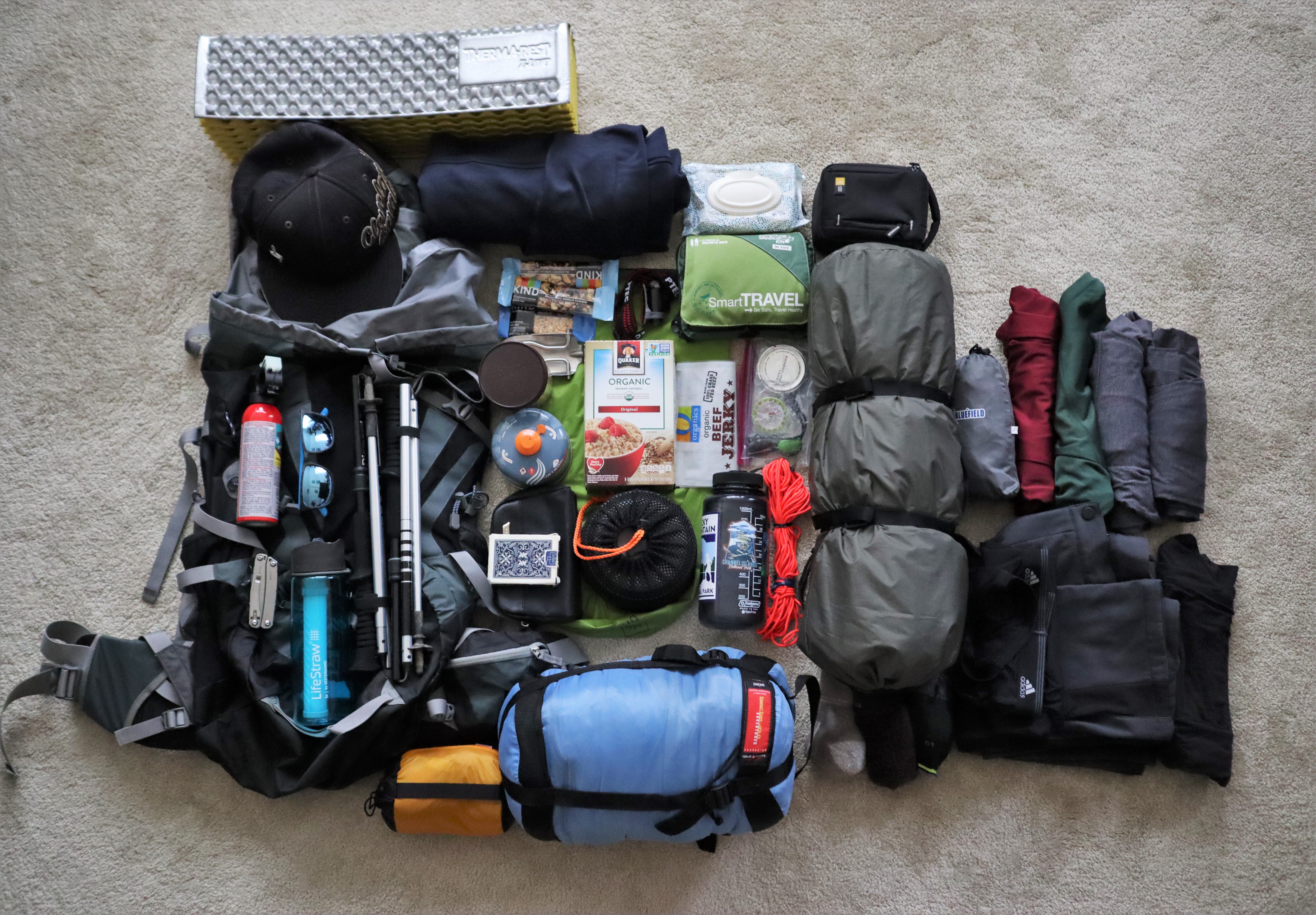
Store Upright Or Hang When Possible
Storing bags upright or hanging them is ideal. It helps them keep their shape and makes them easy to access.
Hanging bags can prevent them from getting crushed. It also allows for better air circulation.
- Use a sturdy hook for hanging
- Keep straps and buckles fastened
- Avoid damp areas to prevent mold
Credit: pangolinswithpacks.com
Check And Rotate Regularly
Properly storing backpacking bags is crucial to maintain their quality and extend their lifespan. Regular checks and rotations can help prevent damage and ensure your gear remains in excellent condition.
Set aside time to inspect your backpacking bags regularly, ideally every 3-6 months. This allows you to identify any potential issues before they become major problems.
Inspect For Mold And Pests
Check your backpacking bags for signs of mold and pests, such as stains, odors, or tiny holes. If you notice any of these issues, it’s essential to address them promptly.
- Look for musty smells or visible mold
- Check for tiny holes or gnaw marks
- Inspect the seams and stitching for damage
If you find mold or pests, remove the affected items and clean the rest of the bag thoroughly. Allow the bag to air out completely before storing it again.
Reclean And Air Out Periodically
Regular cleaning and airing out can help maintain your backpacking bags’ quality and prevent the growth of mold and pests.
Use a soft brush to remove dirt and debris from the exterior and interior of the bag. Then, allow the bag to air out in a well-ventilated area for several hours or overnight.
For more thorough cleaning, you can use a mild soap solution and a soft cloth. Avoid using harsh chemicals or abrasive materials that can damage the bag’s materials.
Store Accessories Separately
Storing backpacking bags properly keeps them in good shape. Accessories need special care to avoid damage.
Separating accessories helps you find them quickly for your next trip. It also prevents tangling and wear.
Keep Rain Covers And Straps Detached
Remove rain covers from your backpack before storage. Keeping them detached stops moisture build-up and mold.
Straps should not stay attached tightly. Loose straps avoid creases and weak spots in the material.
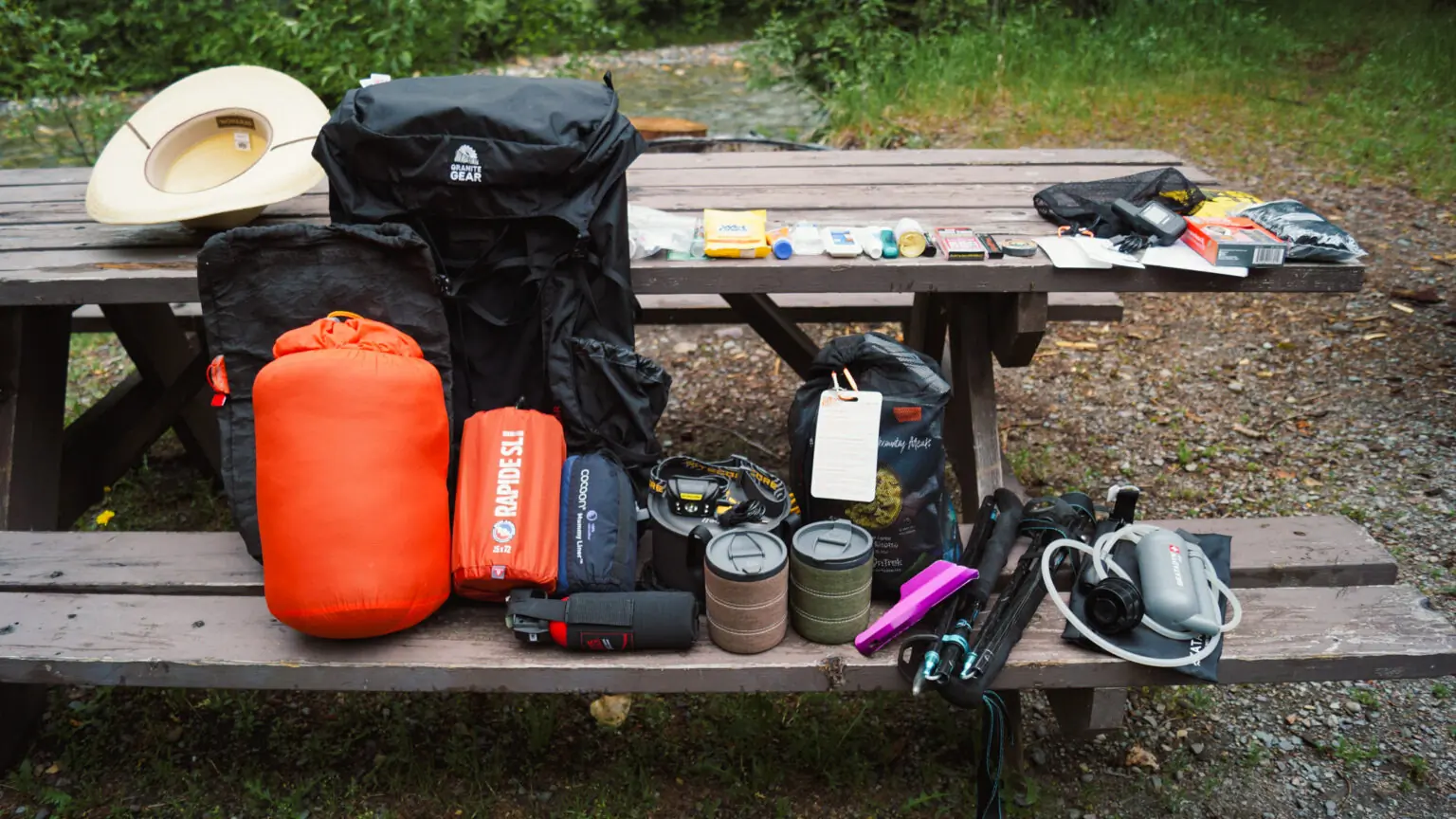
Organize Small Items In Containers
Small items can get lost or damaged if mixed with bigger gear. Use containers to keep them safe and easy to find.
- Store tent stakes, clips, and cords in labeled pouches.
- Use clear boxes for first aid kits and tools.
- Keep cooking utensils in a separate container.
- Place batteries and chargers in one small box.
Credit: gearjunkie.com
Frequently Asked Questions
How Do I Clean Backpacking Bags Before Storage?
Clean your backpack with mild soap and water. Remove dirt and debris carefully. Let it air dry completely to prevent mold growth.
What Is The Best Place To Store Backpacking Bags?
Store backpacks in a cool, dry area away from direct sunlight. Avoid damp or humid spaces to prevent mildew and fabric damage.
Should Backpacking Bags Be Packed Or Empty During Storage?
Store backpacks empty to maintain their shape. Avoid compressing or folding them tightly to prevent damage to padding and structure.
How Often Should I Inspect Stored Backpacking Bags?
Check your backpacks every few months. Look for signs of mold, pests, or fabric wear. Early detection helps extend bag life.
Conclusion
Proper storage keeps backpacking bags clean and ready for use. Store bags in a cool, dry place away from sunlight. Avoid folding bags too tightly to prevent damage. Use breathable bags or covers to stop mold and mildew. Clean bags before storing to remove dirt and moisture.
Regular care extends the life of your backpacking gear. Small efforts protect your investment and make trips easier. Follow these simple tips to keep bags in top shape. Ready for your next adventure? Your backpack will be too.