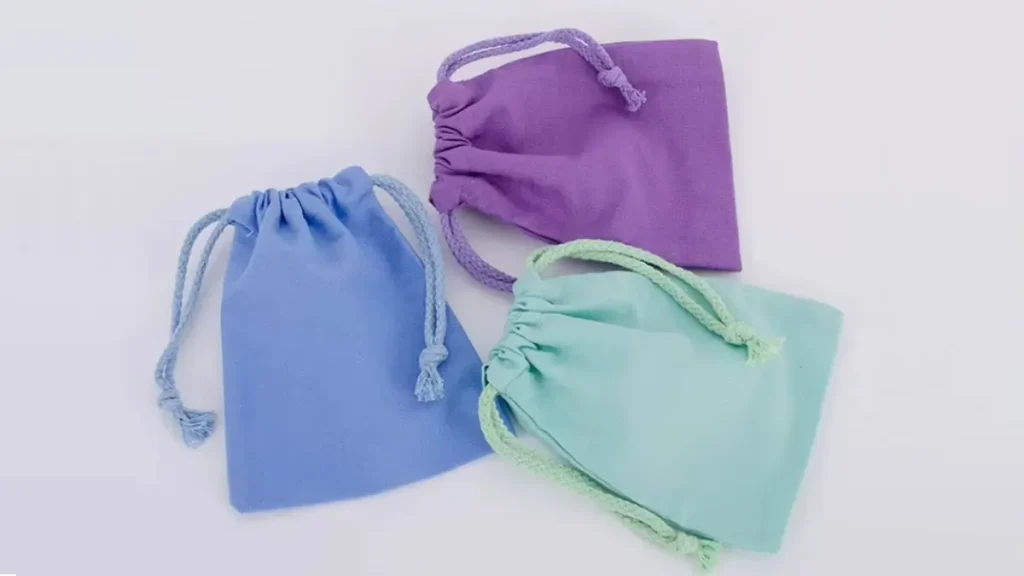
Are you ready to create a beautiful velvet drawstring bag that’s both stylish and practical? Sewing your own bag might sound tricky, but with the right steps, you’ll be surprised at how easy and rewarding it can be.
Imagine having a soft, luxurious bag made by your own hands—perfect for gifts, storage, or adding a touch of elegance to your everyday items. Keep reading, and you’ll learn simple techniques that anyone can follow, even if you’re new to sewing.
Let’s get started on making something special just for you!
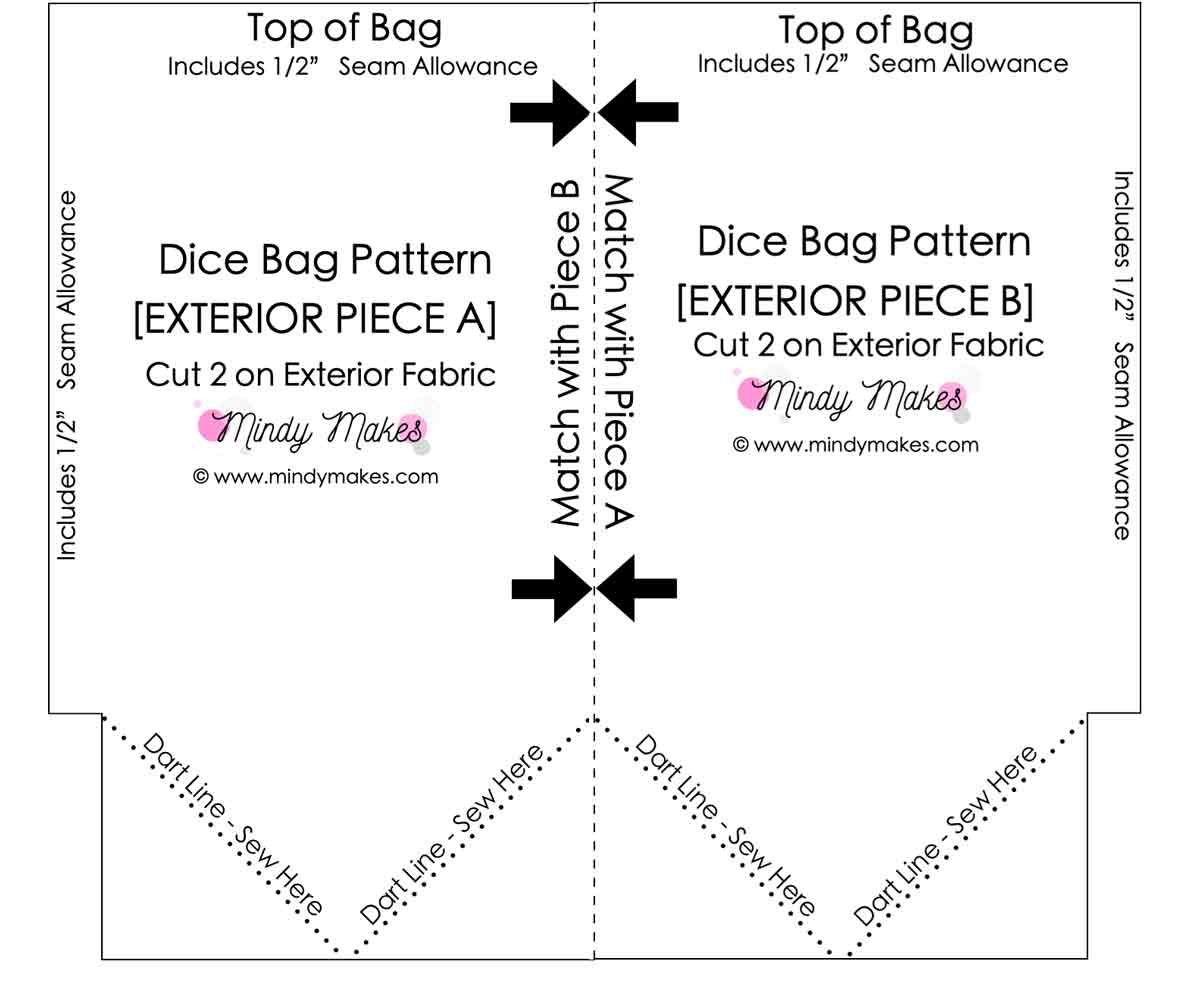
Credit: mindymakes.com
Choosing The Right Velvet Fabric
Velvet fabric adds a soft, rich look to drawstring bags. Picking the right type and color helps create a beautiful and durable bag. It is important to prepare the fabric properly before sewing.
This guide explains the types of velvet, how to select colors and patterns, and tips for fabric preparation.
Types Of Velvet For Bags
Velvet comes in many styles. Some are better for bags because of their texture and strength. Choose a velvet that feels soft but holds its shape well.
- Cotton velvet: Soft and natural, easy to sew.
- Crushed velvet: Has a shiny, textured look but can be tricky to cut.
- Velveteen: Thicker and less shiny, good for sturdy bags.
- Silk velvet: Smooth and luxurious but delicate and costly.
- Polyester velvet: Durable and easy to clean, best for daily use.
Selecting Colors And Patterns
Colors and patterns set the style of your bag. Pick shades that match your wardrobe or gifts. Patterns add interest but can be harder to match when sewing.
| Color Type | Best Use |
| Dark Colors | Hide stains and wear well |
| Bright Colors | Stand out and look cheerful |
| Floral Patterns | Give a classic, feminine feel |
| Geometric Patterns | Look modern and bold |
| Solid Colors | Match any outfit easily |
Fabric Preparation Tips
Preparing velvet before sewing helps avoid problems. Washing and pressing the fabric can reduce shrinking and creasing.
- Test wash a small fabric piece to check colorfastness.
- Use cold water and gentle detergent for washing.
- Lay the fabric flat to dry, avoiding wrinkles.
- Press velvet on the reverse side with a cloth to protect pile.
- Cut the fabric with sharp scissors or a rotary cutter for clean edges.
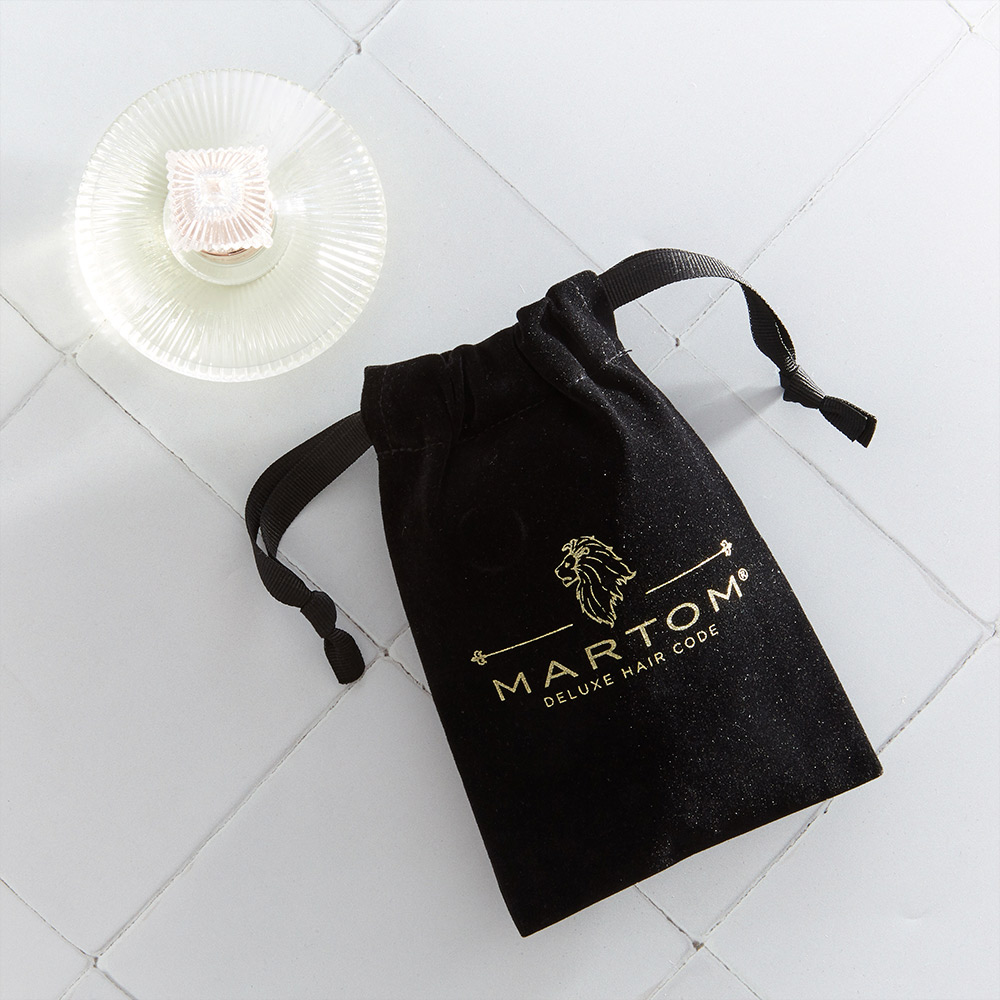
Credit: www.supreme-creations.in
Gathering Necessary Materials
Before sewing a velvet drawstring bag, gather all the materials you need. This will save time and help you work smoothly.
Having the right supplies makes your sewing project easier and more enjoyable.
Essential Sewing Tools
Use quality tools to get neat stitches and a polished look. These tools are basic for most sewing projects.
- Sewing machine or needle for hand sewing
- Sharp fabric scissors for cutting velvet
- Measuring tape or ruler
- Pins or fabric clips to hold fabric
- Seam ripper for fixing mistakes
- Iron and ironing board to press seams
- Marking chalk or pencil for fabric
Choosing The Drawstring Cord
Select a drawstring cord that fits the bag size and style. Velvet bags look great with soft cords that feel nice in hand.
| Cord Type | Description | Best Use |
| Satin Cord | Smooth and shiny | Elegant look |
| Velvet Cord | Soft and plush | Matches velvet fabric |
| Cotton Cord | Durable and plain | Casual style |
| Leather Cord | Strong and rustic | Sturdy drawstring |
Additional Supplies
Some extra items help finish the bag neatly and add strength.
- Fabric lining to protect the velvet inside
- Thread matching the velvet color
- Safety pin for threading the drawstring
- Optional: beads or charms for decoration
Cutting The Fabric
Cutting velvet for your drawstring bag needs care and attention. The right steps help avoid mistakes and fabric waste.
This guide explains how to measure, mark, and cut velvet properly. It also covers handling the fabric nap.
Measuring And Marking
Use a clear ruler or measuring tape to get exact fabric sizes. Always measure twice before cutting. Mark the fabric lightly with tailor’s chalk or a fabric pen.
- Lay the velvet flat on a clean surface.
- Measure your pattern pieces carefully.
- Use pins to hold the pattern in place.
- Mark the edges with chalk or a fabric marker.
- Double-check all measurements before cutting.
Cutting Techniques For Velvet
Velvet can shift or stretch when cut. Use sharp scissors or a rotary cutter for smooth edges. Cut slowly to avoid jagged lines.
- Use sharp scissors or a rotary cutter.
- Cut one layer at a time to keep shapes accurate.
- Keep the fabric flat and taut but do not stretch.
- Cut with the pile facing up to see the fabric clearly.
- Avoid lifting the fabric as you cut to prevent distortion.
Handling Fabric Nap
Fabric nap means the direction the velvet fibers lie. Cutting all pieces in the same direction keeps color and texture even.
| Tip | Reason |
| Lay all pieces in the same direction | Prevents color shading differences |
| Cut pile facing up | Makes edges smoother and easier to sew |
| Avoid flipping pieces | Keeps fabric texture consistent |
Sewing The Bag Body
Sewing the body of a velvet drawstring bag needs care. Velvet is soft and thick, so you must handle it gently. This part will guide you through sewing the main body of the bag.
Start by preparing your velvet fabric and lining. Cutting the pieces right is important before stitching the seams.
Pinning And Stitching Seams
Pin the velvet pieces together with the right sides facing each other. Use plenty of pins to keep the fabric from slipping. Velvet shifts easily, so pinning well is key.
- Place the velvet pieces together, right sides in.
- Pin the edges every few inches to hold fabric firmly.
- Use a sharp needle in your sewing machine for smooth stitching.
- Sew slowly with a straight stitch, keeping the seam allowance consistent.
- Remove pins as you sew to avoid breaking the needle.
Managing Seams For Velvet
Velvet fabric can be bulky at the seams. To keep the bag looking neat, press the seams carefully. Use a low heat iron and a pressing cloth to avoid crushing the pile.
| Seam Tip | Reason |
|---|---|
| Trim seam allowance to ¼ inch | Reduces bulk in thick velvet layers |
| Clip curves gently | Allows seams to lay flat without puckering |
| Press seams open with a cloth | Protects velvet texture from heat damage |
Creating A Neat Finish
To finish the bag body, topstitch close to the seam. This helps the seams stay flat and adds strength. Use matching thread and a fine needle for the best look.
- Fold seam allowances inside the bag.
- Pin edges to keep them aligned.
- Stitch ⅛ inch from the seam line to secure.
- Check both sides for smooth, even seams.
- Remove any loose threads to tidy the bag.
Adding The Drawstring Channel
Creating a drawstring channel is key for a velvet drawstring bag. This part holds the string that closes the bag. Follow simple steps to add the channel neatly and securely.
Pay close attention to measurements and stitching. A well-made channel makes your bag easy to use and durable.
Measuring And Folding The Channel
Measure the top edge of your bag fabric to decide the channel length. The channel should be wide enough for your drawstring to slide through freely.
- Mark the fold line on the fabric using a fabric pen or chalk.
- Fold the fabric down to the marked line to create a clean edge.
- Press the fold with an iron to keep it flat and neat.
- Fold the fabric again to form a tube wide enough for the drawstring.
Securing The Channel With Stitches
Use straight stitches along the folded edge to secure the channel. Make sure the stitches are even and strong to hold the drawstring well.
| Stitch Type | Purpose |
| Straight Stitch | Hold channel folds securely |
| Backstitch | Reinforce ends to prevent unraveling |
| Topstitch | Keep fabric edges flat and neat |
Tips For Even Drawstring Placement
Place the drawstring evenly to avoid bunching or uneven closing. Use these tips for smooth drawstring movement.
- Check that the channel width is consistent along the entire length.
- Thread the drawstring slowly to avoid twisting or catching.
- Tie knots at the ends of the drawstring to stop it from slipping out.
- Adjust the fabric folds if the drawstring does not move easily.

Credit: ekayg.com
Inserting The Drawstring
Adding a drawstring to your velvet bag is a simple task. This guide will help you do it correctly and easily.
Follow these steps to insert the drawstring smoothly and secure it well.
Choosing A Drawstring Insertion Tool
Selecting the right tool makes the job easier. A safety pin or a bodkin are great choices.
These tools help guide the cord through the bag’s casing without trouble.
- Safety pin: Common and easy to find
- Bodkin: Special tool for sewing tasks
- Clip: Holds the cord securely
Threading The Cord Smoothly
Threading the cord requires patience. Attach the tool to the cord and push it through the casing.
Keep the fabric smooth and steady as you move the tool through it.
- Attach the tool securely to the cord
- Push the tool gently through the casing
- Ensure the cord does not twist
Securing And Finishing The Ends
Once the cord is through, finish the ends to prevent fraying. Knot or sew the ends securely.
This step ensures the drawstring will last and keep the bag closed tightly.
- Tie a knot at each end
- Use fabric glue for extra hold
- Sew ends for a neat finish
Final Touches And Styling
Sewing a velvet drawstring bag is rewarding. Adding final touches makes it special. Let’s explore how to enhance your bag’s appearance.
These small steps can make a big difference. They add charm and uniqueness to your velvet creation.
Trimming Loose Threads
Check your bag for any loose threads. Trimming them keeps your bag neat and tidy. Use sharp scissors for a clean cut.
Be careful not to cut the fabric. Trim only the threads for a polished look. This small step enhances your bag’s finish.
Adding Decorative Elements
Decorate your bag to make it stand out. Consider adding beads, buttons, or embroidery. These elements add personality and flair.
Choose decorations that match your style. You can sew them or use fabric glue. This adds elegance and character to your bag.
Caring For Your Velvet Bag
Velvet needs gentle care to stay beautiful. Store your bag in a dry place. Keep it away from direct sunlight.
If your bag gets dirty, clean it with a soft cloth. Avoid harsh chemicals that can damage the fabric. Proper care keeps your bag looking new.
Frequently Asked Questions
What Materials Are Needed To Sew A Velvet Drawstring Bag?
You need velvet fabric, lining fabric, matching thread, a drawstring cord, scissors, pins, and a sewing machine. These materials ensure durability and a smooth finish for your bag.
How Do You Prevent Velvet From Slipping While Sewing?
Use pins or fabric clips to secure velvet pieces. Sew slowly and use a walking foot for even fabric feeding. This helps maintain fabric alignment and prevents shifting.
What Is The Best Stitch Type For Velvet Fabric?
A straight stitch with a shorter stitch length works best on velvet. It secures seams firmly without damaging the delicate pile of the fabric.
How Can I Make My Velvet Drawstring Bag Look Professional?
Press seams gently with a low heat iron and use quality thread. Topstitching around edges adds durability and a polished appearance to the bag.
Conclusion
Sewing a velvet drawstring bag is easier than it seems. You just need basic tools and a little patience. Follow the steps carefully, and your bag will look great. This project is perfect for gifts or personal use. Practice will help you improve your sewing skills.
Enjoy making something useful and stylish by hand. Keep trying, and soon you will sew with more confidence. Small projects like this bring big satisfaction. Happy sewing!