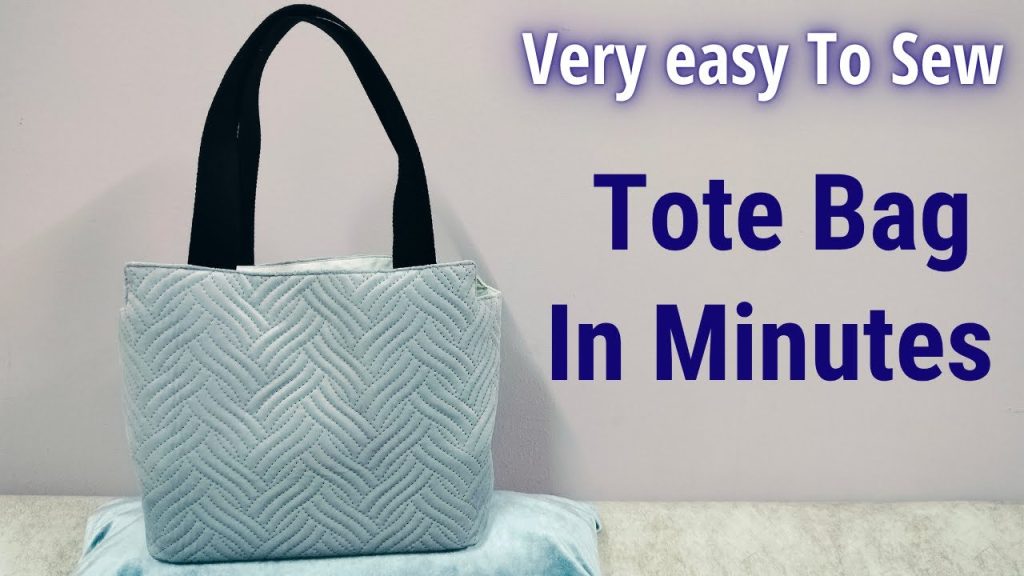
Are you ready to create your very own stylish tote bag without any hassle? Sewing a simple tote bag is easier than you think, even if you’ve never picked up a needle before.
Imagine carrying a unique bag made by your own hands—perfect for groceries, books, or everyday use. In this guide, you’ll discover clear, step-by-step instructions that make sewing fun and stress-free. Keep reading, and by the end, you’ll have a beautiful tote bag to show off and enjoy every day.
Let’s get started!

Credit: www.youtube.com
Materials Needed
Making a simple tote bag is easy and fun. You only need a few materials to start sewing your own bag.
Gather the right fabrics and tools before you begin. This will help your project go smoothly.
Fabric Choices
Pick a fabric that is strong and easy to sew. Cotton and canvas are great options.
You can also use denim or linen for a sturdier bag. Avoid very thin or stretchy fabrics.
- Cotton fabric (quilting cotton works well)
- Canvas (durable and strong)
- Denim (thick and tough)
- Linen (lightweight but sturdy)
Basic Sewing Tools
Use simple sewing tools to make your tote bag. These help with cutting and stitching the fabric.
- Sewing machine or needle and thread
- Fabric scissors
- Measuring tape or ruler
- Pins or clips to hold fabric
- Iron to press seams
- Seam ripper for fixing mistakes
Optional Accessories
You can add some accessories to personalize your tote bag. These are not required but nice to have.
- Decorative buttons or patches
- Fabric paint or markers
- Webbing or ribbon for handles
- Interfacing for extra stiffness
- Snap buttons or zippers for closure

Credit: www.youtube.com
Preparing The Fabric
Preparing the fabric is an important step before sewing a tote bag. It helps make sure your bag looks neat and lasts a long time.
This process includes measuring, cutting, and marking the fabric properly. These tasks create a solid base for your sewing project.
Measuring And Cutting
First, measure the fabric carefully. Use a ruler or measuring tape for accuracy. Measure twice to avoid mistakes.
Cut the fabric using sharp fabric scissors. Cut on a flat surface and follow the measured lines. Keep your cuts straight.
- Measure the width and height of the tote bag pieces
- Mark the measurements on the fabric with a pencil or chalk
- Use sharp scissors to cut along the marked lines
- Cut two pieces for the bag body and two for the handles
Marking Seam Allowances
Seam allowance is the extra fabric needed to sew the pieces together. Mark it clearly on each fabric piece.
Use a ruler to measure about 1/2 inch from the edge. Draw a line with fabric chalk to guide your sewing.
- Mark a 1/2 inch seam allowance around all edges
- Keep marks visible but light enough to erase later
- Check that both fabric pieces have matching seam lines
- Use these lines to sew straight and even seams
Sewing The Main Body
Sewing the main body of your tote bag is a key step. It connects the front and back panels and forms the base of the bag. This part gives the bag its shape and strength.
Follow simple sewing steps carefully to join the pieces and create the bottom seam. This will help your tote bag hold its form and carry items securely.
Joining Front And Back Panels
Place the front and back panels of the tote bag right sides together. Align the edges carefully to avoid uneven seams. Pin the edges to keep the fabric in place while sewing.
- Use a straight stitch on your sewing machine.
- Sew along the side edges from top to bottom.
- Keep a consistent seam allowance, usually ½ inch.
- Remove pins as you sew to avoid damage.
- Press the seams open with an iron for a flat finish.
Creating The Bottom Seam
After joining the panels, fold the tote bag so the side seams match. This step shapes the bottom of the bag. Sew across the bottom edge to form the base.
| Tip | Reason |
|---|---|
| Use a backstitch at the start and end | To secure the seam and prevent unraveling |
| Trim seam allowance to about ¼ inch | Reduces bulk for a cleaner corner |
| Press the seam open | Creates a sharp, flat bottom |
| Optional: Topstitch around bottom edge | Adds strength and a finished look |
Making The Handles
Handles hold the weight of the tote bag. It is important to make them strong and comfortable. You can sew simple handles with just a few steps.
This guide will help you cut the handle strips and sew them properly. Follow each step carefully to get neat and durable handles.
Cutting Handle Strips
Cutting the fabric strips for handles requires accuracy. Use a ruler and scissors or a rotary cutter for straight edges.
- Choose a sturdy fabric that matches or complements the bag.
- Cut two strips about 22 inches long and 2 inches wide.
- Make sure the edges are straight and smooth.
- If you want padded handles, cut extra fabric or batting.
- Label the strips to keep track before sewing.
Sewing And Turning Handles
Sew the strips with right sides facing each other. Leave one end open to turn the handle inside out.
| Step | Action | Tip |
|---|---|---|
| 1 | Sew along the long edges with a ¼ inch seam allowance. | Use a straight stitch for strength. |
| 2 | Clip corners and trim seams to reduce bulk. | Be careful not to cut the stitches. |
| 3 | Turn the strip inside out through the open end. | Use a chopstick or turning tool for a neat edge. |
| 4 | Press the handle flat with an iron. | Fold the open end inside before pressing. |
| 5 | Topstitch close to edges for a finished look. | Double stitching adds durability. |
Attaching The Handles
Sewing a tote bag is fun and simple. Attaching the handles securely is important. This ensures the bag is strong.
Handles make it easy to carry the bag. Let’s learn how to attach them properly.
Positioning Handles On Bag
First, decide where to place the handles. They should be equal on both sides. This keeps the bag balanced.
Mark the spots with chalk or a pin. This helps you remember where to sew.
- Measure 4 inches from each side of the bag’s top edge.
- Mark the spots where the handles will go.
- Ensure the handles are not twisted.
Securing Handles With Stitches
Now it’s time to sew the handles onto the bag. Use a strong stitch. This keeps the handles from tearing off.
Make sure the stitches are even. This makes the bag look neat and tidy.
- Use a backstitch to start sewing each handle.
- Sew across the handle, making a rectangle shape.
- Finish with another backstitch for extra strength.
Finishing Touches
Completing your tote bag involves some final touches. These touches add strength and style.
Focus on neat edges and useful features. This ensures your bag looks great and functions well.
Topstitching Edges
Topstitching secures the edges and adds a polished look. It keeps the seams flat and tidy.
Use a matching or contrasting thread. Stitch close to the edge for the best effect.
- Set your machine to a longer stitch length
- Keep stitches even for a clean finish
- Start and end with a backstitch to lock
Adding Lining Or Pockets
Lining adds durability and a neat inside. It also hides raw edges for a clean look.
Pockets make your tote bag more useful. They keep items organized and easy to find.
- Cut lining fabric to the same size as the bag
- Sew pockets onto the lining before assembly
- Attach the lining with a simple stitch around the top
Care And Maintenance Tips
Keeping your tote bag clean and well-stored helps it last longer. Proper care makes the fabric look fresh.
Follow simple washing and storage tips to protect your handmade bag from damage.
Washing Instructions
Clean your tote bag gently to avoid shrinking or fading. Use mild soap and cold water for best results.
- Hand wash with mild detergent.
- Use cold water only.
- Do not bleach or use harsh chemicals.
- Air dry flat to keep shape.
- Avoid wringing or twisting the fabric.
Storage Advice
Store your tote bag in a dry place away from direct sunlight. Proper storage keeps it clean and wrinkle-free.
| Storage Tip | Reason |
| Hang on a hook or hanger | Prevents creases and keeps shape |
| Keep inside a breathable fabric bag | Protects from dust and moisture |
| Avoid plastic bags | Can trap moisture and cause mildew |
| Store away from sunlight | Prevents fabric fading |

Credit: www.youtube.com
Frequently Asked Questions
What Materials Are Needed To Sew A Simple Tote Bag?
To sew a simple tote bag, you need fabric, thread, scissors, pins, and a sewing machine. Cotton fabric works best. You also need measuring tape and an iron for neat edges. These basic materials help create a sturdy and stylish tote bag easily.
How Long Does It Take To Sew A Tote Bag?
Sewing a simple tote bag usually takes about one to two hours. Time depends on skill level and tools used. Beginners might take longer. The process includes cutting fabric, stitching pieces, and adding straps, making it a quick and fun sewing project.
Can Beginners Sew A Tote Bag Easily?
Yes, beginners can sew a tote bag easily. The project involves basic sewing skills like straight stitching and cutting. Clear instructions and simple patterns make it beginner-friendly. It’s a great way to practice sewing and create a useful item.
What Fabric Is Best For A Durable Tote Bag?
Cotton canvas or denim fabric is best for a durable tote bag. These fabrics are strong, washable, and hold shape well. Avoid thin or stretchy fabrics as they wear out quickly. Durable fabric ensures your tote bag lasts longer with regular use.
Conclusion
Sewing a simple tote bag is easier than you think. With basic steps, anyone can create a useful bag. Choose your favorite fabric and start stitching today. This project helps you learn sewing skills quickly. Carry your new tote with pride and style.
Keep practicing to improve your sewing abilities. Small projects like this build confidence over time. Enjoy making bags for yourself and friends. Sewing brings creativity and fun into daily life. Try different fabrics and designs next time. Happy sewing!