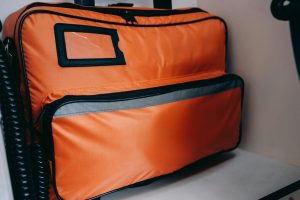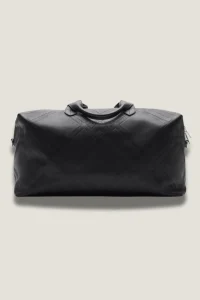

Are you ready to create a stylish messenger bag that fits your needs perfectly? Sewing your own messenger bag lets you choose the fabric, size, and features exactly how you want them.
Imagine carrying a bag you made yourself—unique, practical, and built to last. In this guide, you’ll learn step-by-step how to sew a messenger bag pattern, even if you’re new to sewing. By the end, you’ll have the skills and confidence to craft a bag that turns heads and holds everything you need.
Keep reading, and let’s get started on making your perfect messenger bag!
Choosing The Right Fabric
Choosing the right fabric is key to sewing a good messenger bag. The fabric affects the bag’s strength, look, and feel. You want a material that holds up well and matches your style.
Some fabrics work better for bags because they resist wear and tear. Let’s look at fabrics that suit messenger bags best and how to care for them.
Best Fabrics For Messenger Bags
Messenger bags need fabrics that are strong and easy to sew. Here are some good options for your project.
- Canvas:Thick and durable. It can hold heavy items and lasts long.
- Denim:Sturdy and stylish. It wears well and is easy to clean.
- Waxed Cotton:Water-resistant and tough. Perfect for rainy days.
- Nylon:Lightweight and strong. Great for sporty or travel bags.
- Leather:Classic look and very durable. Needs some skill to sew.
Fabric Durability And Care
Each fabric has its own way of handling wear and cleaning. Knowing how to care for your bag fabric can keep it looking good longer.
| Fabric | Durability | Care Tips |
| Canvas | Very durable | Spot clean or hand wash; avoid harsh bleach |
| Denim | Durable | Machine wash cold; air dry to avoid shrinkage |
| Waxed Cotton | Water-resistant, durable | Wipe clean; do not machine wash or dry clean |
| Nylon | Strong and lightweight | Machine wash gentle; air dry |
| Leather | Highly durable | Use leather conditioner; avoid water exposure |
Gathering Materials And Tools
Before sewing your messenger bag, you need to collect all materials and tools. This helps make the sewing process smooth and easy.
Having the right supplies saves time and avoids interruptions while you work on your bag.
Essential Sewing Supplies
You need basic sewing supplies to create your messenger bag. These items help you cut, sew, and assemble your bag properly.
- Fabric (canvas, denim, or cotton)
- Lining fabric
- Thread matching your fabric
- Sewing machine or needle for hand sewing
- Scissors or rotary cutter
- Measuring tape or ruler
- Pins or clips
- Marking tools like chalk or fabric pen
- Iron and ironing board
- Pattern paper or printed messenger bag pattern
These supplies form the base for your sewing project. Make sure your fabric is enough for the bag size you want.
Optional Accessories For Customization
You can add extra items to personalize your messenger bag. These accessories let you change the look or add features.
- Zippers or buttons for closures
- Adjustable straps or buckles
- Decorative patches or appliques
- Leather or faux leather accents
- Extra pockets or organizers
- Reinforcement materials like interfacing
- Decorative stitching thread
Adding these accessories makes your bag unique and practical. Choose what fits your style and needs.
Preparing The Pattern
Before sewing your messenger bag, you need to prepare the pattern carefully. This helps ensure your bag fits your needs and looks good. Proper preparation saves time and fabric.
Start by choosing the right pattern and then adjust its size if needed. Each step is important for a good final result.
Selecting A Messenger Bag Pattern
Choose a pattern that matches your skill level and style. Look for clear instructions and a design you like. Think about the bag size and features you want.
- Check the pattern details and materials needed.
- Pick a pattern with simple shapes if you are a beginner.
- Consider pockets, straps, and closures included.
- Look for reviews or photos of finished bags.
- Decide if you want a pattern for a lined or unlined bag.
Adjusting Pattern Size
Patterns may not fit your preferred size perfectly. Adjusting the size helps you get the bag dimensions you want. Make sure to measure carefully.
| Adjustment | What to Check | Tips |
| Width | Bag body width | Add or remove equally from both sides |
| Height | Bag body height | Measure strap length for comfort |
| Strap length | Crossbody or shoulder fit | Try on similar bags to find good length |
| Pocket size | Usability and style | Enlarge or reduce pocket pieces |

Credit: www.youtube.com
Cutting Fabric Pieces
Cutting fabric pieces is a key step to sew a messenger bag. It shapes the parts that you will sew together.
Precise cutting ensures your bag looks neat and fits well. Use sharp tools and a steady hand.
Laying Out The Pattern
Spread your fabric flat on a clean surface. Make sure it is smooth with no wrinkles.
Place the pattern pieces on the fabric according to the grainline marks. This helps fabric hold shape.
- Arrange pieces close to save fabric
- Keep pattern edges straight with fabric grain
- Pin patterns securely to fabric
- Double-check layout before cutting
Tips For Accurate Cutting
Use sharp fabric scissors or a rotary cutter for clean cuts. Dull blades cause frayed edges.
| Tip | Reason |
|---|---|
| Cut on a flat surface | Prevents fabric slipping |
| Cut slowly and carefully | Improves precision |
| Keep scissors straight | Ensures straight edges |
| Mark fabric with tailor’s chalk | Helps follow pattern lines |
Sewing The Bag Components
Sewing a messenger bag requires stitching different parts together. Each component must fit well for the bag to look good and work properly.
This guide covers how to sew the main body, flap, and pockets. Follow these steps to create strong seams and neat edges.
Constructing The Main Body
Start by sewing the front, back, and side panels of the bag. Use a straight stitch with a strong thread for durability.
Join the panels one by one. Make sure edges match to avoid uneven sides. Press seams open with an iron for a flat finish.
- Pin the front and side panels together, right sides facing.
- Sew along the pinned edge with a 1/2 inch seam allowance.
- Repeat for the back and other side panel.
- Join the bottom piece to the sides and front/back panels.
- Press all seams open to reduce bulk.
Attaching The Flap And Pockets
Attach the flap to the back panel top edge. Align the raw edges and sew with a straight stitch. Reinforce the seam for strength.
Sew pockets separately first. Fold pocket edges and topstitch to create clean edges. Pin pockets to the main body before sewing.
- Align flap with top edge of back panel, right sides together.
- Sew flap with a 1/2 inch seam allowance and backstitch at ends.
- Prepare pockets by folding edges and sewing hems.
- Pin pockets onto front panel in desired spots.
- Topstitch pockets onto the bag for extra hold.
Adding Straps And Closures
Creating a messenger bag involves careful selection and installation of straps and closures. These components ensure your bag is functional and stylish.
This guide will help you choose materials and install buckles and fasteners effectively.
Choosing Strap Materials
The strap material impacts the bag’s durability and comfort. Consider the weight and purpose of your bag when selecting materials.
- Canvas:Durable and strong, ideal for heavy loads.
- Nylon:Lightweight and water-resistant, perfect for everyday use.
- Leather:Stylish and sturdy, adds a touch of elegance.
Installing Buckles And Fasteners
Proper installation of buckles and fasteners is crucial for bag functionality. Secure them well to ensure the safety of your belongings.
| Fastener Type | Best Use |
| Magnetic Snap | Quick access, light items |
| Buckle | Adjustable length, heavy items |
| Zipper | Secure closure, all items |
Finishing Touches
Adding the finishing touches to your messenger bag is crucial. These details enhance both durability and appearance.
Let’s explore how topstitching and lining can make a difference.
Topstitching For Strength And Style
Topstitching is a key step in sewing your messenger bag. It not only strengthens the seams but also adds a stylish touch.
- Use matching or contrasting thread for visual impact.
- Ensure stitches are evenly spaced for a neat finish.
- Consider double stitching areas that need extra strength.
Lining And Reinforcement Tips
The lining inside the bag adds structure and support. Choose a durable fabric to reinforce the bag’s shape.
For extra reinforcement, add interfacing to the lining. This will help the bag maintain its form and increase longevity.
Personalizing Your Messenger Bag
Making your messenger bag unique is fun and easy. Personal touches show your style and creativity.
You can add decorations or use paint to change the look. Personalizing makes your bag stand out.
Adding Embellishments
Embellishments add texture and interest to your messenger bag. You can sew on beads, buttons, or ribbons.
Choose items that match your bag’s style. Sew them carefully so they stay in place.
- Use colorful buttons for a playful look
- Add ribbons along the edges for a soft touch
- Sew on small beads for sparkle
- Attach metal studs for a bold style
Customizing With Fabric Paint Or Patches
Fabric paint lets you create designs directly on the bag. Use stencils or freehand to add shapes or words.
Patches are easy to apply and come in many styles. Sew or iron them on to show your personality.
- Choose fabric paint colors that contrast with your bag
- Apply thin layers of paint for best results
- Pick patches that match your interests or hobbies
- Secure patches with stitching or heat as needed
Care And Maintenance
Taking care of your messenger bag keeps it looking good for a long time. Proper care helps avoid damage and wear.
Learn simple ways to clean and store your bag. These tips keep the fabric and shape in great condition.
Cleaning Your Messenger Bag
Clean your messenger bag regularly to remove dirt and stains. Use gentle cleaning methods to protect the material.
Spot clean with a soft cloth and mild soap. Avoid harsh chemicals that can damage the fabric or colors.
- Use a damp cloth for light dirt
- Apply mild soap for stains
- Do not soak the bag in water
- Air dry in a shaded area
- Avoid direct heat or sunlight
Storage Tips To Preserve Shape
Store your messenger bag properly to keep its shape. Avoid folding or crushing the bag during storage.
Fill the bag with soft materials like tissue paper. This helps keep the bag firm and prevents wrinkles.
- Empty the bag before storing
- Use tissue or bubble wrap inside
- Store in a cool, dry place
- Avoid hanging the bag by straps
- Cover with a cloth to keep dust off

Credit: creativefashionblog.com

Credit: www.skillshare.com
Frequently Asked Questions
What Materials Do I Need To Sew A Messenger Bag?
You need fabric, lining, interfacing, thread, a sewing machine, scissors, pins, and a strap for your messenger bag. Choose durable materials for longevity and a clean finish.
How Do I Create A Messenger Bag Pattern?
Measure the desired bag size and draw the shape on paper. Include seam allowances and pocket placements. This ensures your fabric pieces fit perfectly when sewn.
What Sewing Techniques Are Essential For This Project?
Basic straight stitching, topstitching, and attaching straps are key techniques. Reinforce stress points for durability. Master these to create a sturdy, professional messenger bag.
Can I Customize The Messenger Bag Design?
Yes, you can add pockets, change strap length, and use different fabrics. Customization makes your bag unique and suits your style and needs perfectly.
Conclusion
Sewing a messenger bag is easier than it seems. Follow each step carefully and take your time. Choose fabrics and patterns that fit your style. Enjoy creating a bag that is both useful and personal. Practice will help you improve your sewing skills.
Soon, you can make bags for friends or gifts. Keep experimenting with designs and colors. Sewing brings satisfaction and creativity together. Start your project today and see where it leads.