
Have you ever wanted a unique messenger bag that perfectly fits your style? Imagine creating one with your own hands, step by step.
Sewing a messenger bag by hand might sound tricky, but it’s easier than you think. In this guide, you’ll discover simple techniques that anyone can follow, even if you’ve never sewn before. Ready to make a bag that’s truly yours?
Keep reading, and let’s get started!
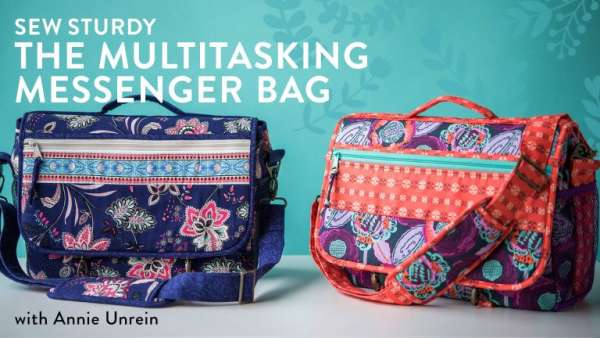
Credit: quilting.craftgossip.com
Materials Needed
Sewing a messenger bag by hand is a fun project. You need specific materials to start.
This guide shows what fabrics and tools you need for a strong bag.
Fabric Choices
Choose durable fabric that holds its shape well. The fabric should feel strong and last a long time.
Here are good fabric options for your messenger bag:
- Canvas – thick and tough for heavy use
- Denim – strong and casual style
- Cotton twill – smooth but sturdy
- Leather or faux leather – stylish and durable
- Waxed cotton – water-resistant and rugged
Essential Tools
Tools help you cut and sew the fabric by hand. Good tools make your work easier and neater.
Here is a list of essential tools for hand sewing a messenger bag:
- Strong sewing needles for thick fabric
- Heavy-duty thread matching the fabric color
- Fabric scissors or rotary cutter for clean cuts
- Measuring tape or ruler for accuracy
- Tailor’s chalk or fabric marker for marking
- Thimble to protect your finger while sewing
- Seam ripper to fix mistakes
- Clips or pins to hold fabric pieces together
Optional Accessories
You can add extra items to improve your messenger bag’s look and function. These are not required but can help.
Consider these optional accessories:
- Buckles or clasps for adjustable straps
- Zippers for secure pockets
- Decorative buttons or patches
- Strap webbing for strong handles
- Interfacing to add stiffness inside the bag
- Waterproof lining to protect contents
Preparing The Fabric
Preparing the fabric is the first step to sew a messenger bag by hand. It helps make the sewing process easier and more precise.
Good preparation means measuring and cutting the fabric carefully. Then you mark where to stitch. This sets a clear guide for sewing.
Measuring And Cutting
Start by measuring the fabric pieces needed for your messenger bag. Use a ruler or measuring tape to get exact sizes.
- Measure the main body, flap, and strap pieces.
- Mark the measurements on the fabric with tailor’s chalk.
- Cut along the marked lines using sharp fabric scissors.
- Cut slowly to keep edges straight and clean.
- Double-check all pieces before moving on.
Marking Stitch Lines
Mark the stitch lines on each fabric piece to guide your hand sewing. Use a washable fabric marker or chalk.
| Fabric Piece | Stitch Line Distance from Edge | Notes |
|---|---|---|
| Main Body | 1/4 inch | Mark all sides for seam allowance |
| Flap | 1/4 inch | Follow flap shape carefully |
| Strap | 1/8 inch | Mark center line and edges |
Basic Stitch Techniques
Sewing a messenger bag by hand needs some simple stitches. These stitches hold your fabric well and make your bag strong.
Learn these basic stitches to create neat and lasting seams on your bag. Each stitch has a special use and look.
Running Stitch
The running stitch is the easiest stitch to sew. It looks like a dashed line on your fabric. You push the needle in and out in a straight line.
This stitch is good for simple seams and basting. It is fast but not very strong.
Backstitch
Backstitch is stronger than the running stitch. It creates a solid line of stitches. You sew backward to fill gaps between stitches.
- Push the needle up through the fabric.
- Take a small stitch backward into the previous hole.
- Push the needle forward a stitch length and repeat.
Use this stitch for seams that need to hold tight. It works well on thick or heavy fabric.
Whipstitch
Whipstitch joins two fabric edges by sewing around their edge. It looks like diagonal stitches wrapping the fabric edges.
| Whipstitch Uses | Tips |
|---|---|
| Closing the bag opening | Keep stitches close for a neat finish |
| Attaching straps or patches | Use strong thread for durability |
| Hemming raw edges | Fold edges before stitching |
Sewing The Main Body
Sewing the main body of a messenger bag by hand requires patience and care. This part shapes the bag and holds everything together.
Focus on joining fabric pieces tightly and reinforcing seams to make the bag strong and long-lasting.
Joining Fabric Pieces
Start by aligning the fabric pieces carefully. Use pins or clips to keep them in place before sewing.
- Place the right sides of the fabric together.
- Use a running stitch to sew along the edges.
- Keep stitches small and even for a neat finish.
- Leave a small gap if you need to turn the bag inside out later.
- Remove pins or clips as you sew to avoid damage.
Reinforcing Seams
Reinforce seams to prevent the bag from falling apart under weight. This step adds durability.
| Reinforcement Method | Description | When to Use |
|---|---|---|
| Backstitch | Sew backward and forward on the same stitch. | At the start and end of seams. |
| Double Stitch | Sew over the seam twice for extra strength. | On stress points like corners and straps. |
| Whip Stitch | Loop thread over the edge to keep fabric tight. | Along raw edges to prevent fraying. |
Adding The Strap
The strap is an important part of your messenger bag. It lets you carry the bag easily on your shoulder or across your body.
In this section, you will learn how to measure the strap length and attach it securely by hand.
Measuring Strap Length
First, decide how long you want your strap. The length depends on how you want to wear the bag.
Measure a strap you already have or use a tape measure on your body to find a good length.
- For shoulder carry, measure from one shoulder to the side of your body.
- For crossbody, measure from one shoulder across your chest to the opposite hip.
- Add a few inches for comfort and adjustment.
Attaching Strap Securely
Use strong stitches to attach the strap to your bag. This keeps it from breaking or coming loose.
Sew the strap ends to the bag’s sides. Make small, tight stitches and go over the area more than once.
- Fold the strap end before sewing to avoid fraying.
- Use a backstitch for extra strength.
- Double stitch if needed for heavy bags.
Creating The Flap
Sewing a messenger bag by hand can be a rewarding project. One key part is the flap. The flap keeps your items secure and adds style to your bag.
Let’s explore how to cut and attach the flap to your bag. It’s simple and fun!
Cutting Flap Shape
First, decide the size of your flap. It should cover the top of your bag with a little extra.
Trace the shape onto your fabric. Use a ruler to keep edges straight. Cut carefully along the lines.
- Use sharp scissors for clean cuts
- Consider adding curves for a unique look
- Double-check measurements before cutting
Attaching Flap To Bag
Place the flap at the top back of your bag. Align the edges carefully.
Use pins to hold the flap in place. Sew along the edge using a strong stitch. Make sure it’s secure.
- Use a backstitch for extra strength
- Check alignment as you sew
- Remove pins as you go
Finishing Touches
After sewing the main parts of your messenger bag, it is time to add the final details. These finishing touches make your bag practical and neat.
Focus on adding pockets, inserting closures, and trimming threads to complete your handmade bag.
Adding Pockets
Pockets help organize the items you carry. Sew them inside or outside the bag, depending on your design.
- Choose fabric that matches or contrasts your bag
- Cut pocket pieces in the desired size
- Fold edges and sew them to prevent fraying
- Sew pockets securely to the bag body
- Reinforce corners for durability
Inserting Closures
Closures keep your bag closed and your items safe. Common options include buttons, snaps, and Velcro.
| Closure Type | Best Use | How to Attach |
| Button | Decorative and secure | Sew button on flap, add buttonhole below |
| Snap | Quick and strong | Use snap fastener tool to press parts onto fabric |
| Velcro | Easy open and close | Sew or glue Velcro strips inside flap and bag body |
Trimming Threads
Neat edges make your bag look clean. Cut all loose threads close to the fabric.
Use sharp scissors or thread snippers. Take care not to cut stitches.
After trimming, press the bag with an iron to smooth wrinkles.

Credit: creativefashionblog.com
Care Tips For Handmade Bags
Handmade messenger bags need special care to last long. Proper cleaning and storage keep the bag looking good.
Using simple care steps can protect your bag’s fabric and stitching. This guide helps you keep your bag in great shape.
Cleaning Instructions
Clean your handmade bag gently to avoid damage. Use a soft cloth and mild soap for dirt and stains.
Do not soak the bag in water. Spot clean only, and avoid harsh chemicals that can weaken the fabric.
- Use a damp cloth with mild soap for stains
- Blot gently, do not rub hard
- Air dry the bag away from direct sunlight
- Test cleaning products on a small area first
Storage Suggestions
Store your handmade bag in a cool, dry place. Avoid places with high heat or moisture to prevent damage.
Keep the bag stuffed with soft paper to hold its shape. Use a dust bag or pillowcase to protect it from dust.
- Stuff the bag with tissue or soft cloth
- Store in a breathable dust cover or pillowcase
- Keep away from direct sunlight and heat
- Do not hang the bag by its straps for long periods

Credit: creativefashionblog.com
Frequently Asked Questions
What Materials Are Needed To Sew A Messenger Bag By Hand?
You need fabric, thread, needles, scissors, pins, and a measuring tape. Choose durable fabric like canvas or denim for strength. Use strong thread to ensure longevity. Optional materials include buckles or buttons for closures and a strap for carrying.
How Long Does It Take To Sew A Messenger Bag By Hand?
It typically takes 3 to 5 hours, depending on skill level. Beginners may take longer due to detailed stitching. More experienced sewers can complete it faster. Time also depends on bag size and complexity of the design.
Can Beginners Sew A Messenger Bag By Hand Easily?
Yes, beginners can sew a messenger bag by hand with patience. Start with simple patterns and follow step-by-step instructions carefully. Basic sewing skills like straight stitches are sufficient. Practice helps improve speed and precision over time.
How Do I Ensure Strong Seams When Sewing By Hand?
Use small, even stitches and double-thread your needle for strength. Backstitch at the beginning and end to secure seams. Choose a sturdy stitch like the running stitch or backstitch. This prevents seams from unraveling under stress.
Conclusion
Sewing a messenger bag by hand takes time and patience. You can create a useful and personal item. Each stitch shows your effort and care. Keep practicing to improve your skills. Choose fabrics and colors you like best. Enjoy the process as much as the result.
Handmade bags carry a special charm. Now, your custom messenger bag is ready to use. Try making more bags to build confidence. Hand sewing brings a sense of pride and joy.