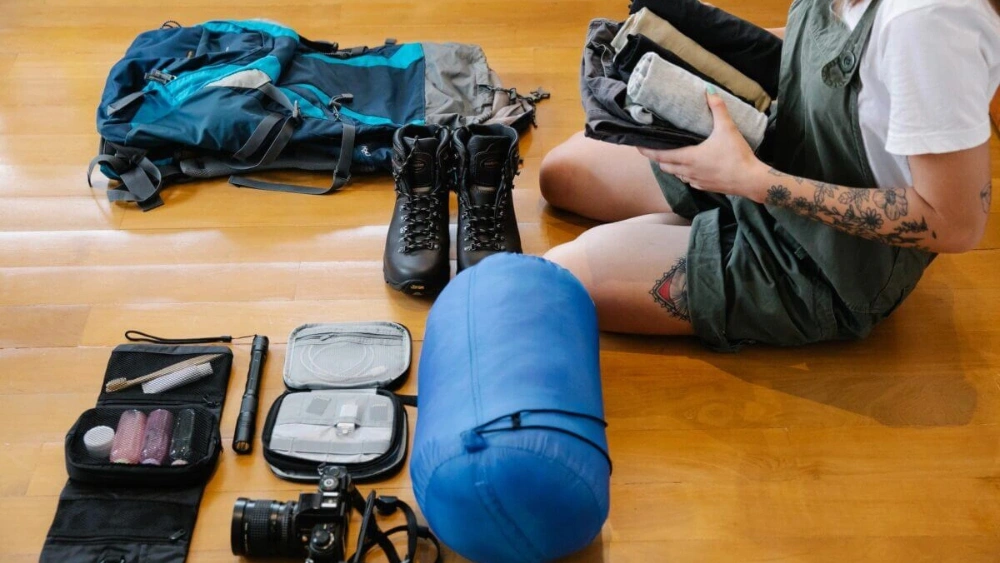
Packing your sleeping bag the right way can make a big difference in your backpacking trip. If you’re like most outdoor lovers, you want to save space and keep your gear dry and organized.
But stuffing your sleeping bag carelessly can leave you with a bulky pack and a soggy bed at night. In this guide, you’ll discover simple, smart steps to pack your sleeping bag efficiently. By the end, you’ll know exactly how to fit your sleeping bag neatly into your backpack, so you can carry less weight and enjoy more comfort on your adventure.
Keep reading to unlock the secrets of perfect packing!

Credit: www.reddit.com
Choose The Right Sleeping Bag
Packing a sleeping bag properly starts with choosing the right one. A good sleeping bag fits your needs and saves space in your backpack.
Think about where and when you will use the sleeping bag. This helps you pick the best type and material.
Types Of Sleeping Bags
Sleeping bags come in different shapes. The most common are mummy, rectangular, and semi-rectangular.
- Mummy bagsare snug and keep heat well.
- Rectangular bagsoffer more room but less warmth.
- Semi-rectangular bagsbalance space and heat retention.
Materials And Weight Considerations
Materials affect weight and warmth. Down and synthetic fills are popular choices.
| Material | Weight | Warmth | Water Resistance |
| Down | Light | High | Low |
| Synthetic | Heavier | Moderate | High |
Seasonal Options
Choose a sleeping bag for the season you plan to camp in. Bags are rated for summer, three-season, or winter.
- Summer bagsare light and cool.
- Three-season bagswork for most weather.
- Winter bagsare heavy and very warm.
Credit: www.trespass.com
Prepare Your Sleeping Bag
Packing your sleeping bag properly makes your backpack lighter and organized. Start with simple steps to keep your bag in good shape.
Focus on cleaning and loosening the bag before packing. These actions help protect the insulation and save space.
Dry And Clean Before Packing
Always dry your sleeping bag completely before packing it. Moisture can cause mold and bad smells. Clean your bag according to the label instructions to keep it fresh.
- Air the bag out after use
- Use a gentle wash cycle or hand wash
- Dry fully in the sun or a dry place
- Check for dirt or stains and remove them
Loosen The Bag For Compression
Do not stuff your sleeping bag tightly into a small sack. Loosen it slightly to keep the insulation fluffy and warm. Use a compression sack carefully to save space without damaging the bag.
| Compression Tip | Reason |
| Loosen the sleeping bag | Protects insulation |
| Use a compression sack | Saves backpack space |
| Avoid long-term compression | Prevents damage |
Compression Techniques
Packing a sleeping bag efficiently saves space in your backpack. Using the right compression techniques helps you carry more gear comfortably.
Here are some common methods to compress and pack your sleeping bag tightly.
Using Compression Sacks
Compression sacks reduce the size of your sleeping bag by squeezing out air. They have straps that tighten around the bag.
- Place the sleeping bag inside the sack loosely.
- Close the sack’s opening tightly to trap air inside.
- Pull the compression straps evenly to squeeze the bag.
- Keep tightening until the bag is compact enough to fit your pack.
Manual Rolling And Folding
Rolling or folding your sleeping bag by hand is simple and does not need extra gear. This method keeps the bag flat and easy to pack.
- Lay the sleeping bag flat on the ground.
- Fold the bag in half lengthwise to make it narrower.
- Roll the bag tightly from the foot end toward the top.
- Use straps or cords to keep the roll secure.
Stuffing Vs Rolling
Stuffing and rolling are two ways to pack your sleeping bag. Each has pros and cons depending on your trip needs.
| Method | Advantages | Disadvantages |
|---|---|---|
| Stuffing | Prevents wrinkles, saves space | Can be harder to compress tightly |
| Rolling | Easy to do, keeps bag flat | May trap more air, less compact |
Packing Strategies
Packing a sleeping bag in your backpack needs some planning. Proper packing saves space and keeps your gear safe.
Using the right strategies helps keep your backpack balanced and comfortable to carry.
Positioning Inside The Backpack
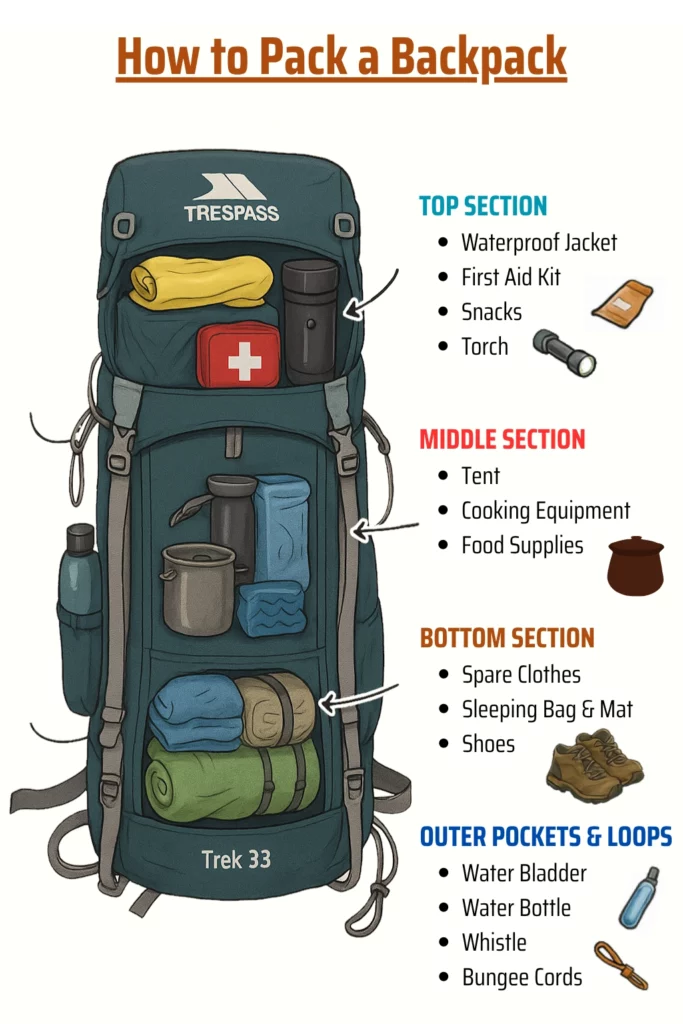
Place your sleeping bag at the bottom of the backpack. This spot supports heavier items on top.
Keep the bag compressed to save space. Use a compression sack to make it smaller and fit better.
- Bottom placement stabilizes your load
- Compression saves space
- Protects the sleeping bag from damage
Utilizing External Straps
Many backpacks have straps outside for extra gear. Use them to hold your sleeping bag if space is tight inside.
Attach the sleeping bag tightly to avoid swinging. Secure straps keep your backpack balanced and stable.
- Use compression straps to hold the bag
- Wrap straps around the bag firmly
- Check straps often for tightness
Balancing Weight
Balance your backpack by placing heavy items close to your back. This reduces strain while hiking.
Distribute weight evenly on both sides. A balanced pack helps you walk smoothly and safely.
- Sleeping bag at the bottom and near your back
- Heavy gear close to the spine
- Light items fill gaps evenly
Additional Space-saving Tips
Packing your sleeping bag properly can save space in your backpack. Using smart techniques helps you fit more gear comfortably.
These tips focus on organizing your other gear and using dry bags to keep everything neat and compact.
Packing Other Gear Efficiently
Place heavy items near your back for better balance. Pack lighter items toward the outside to keep your load stable.
Roll clothes tightly instead of folding. Use small stuff sacks for items like socks and underwear to reduce loose space.
- Keep frequently used items on top or in side pockets
- Fill gaps with soft items like clothes or gloves
- Use compression sacks to reduce bulk
Using Dry Bags For Organization
Dry bags protect your gear from water and help keep your pack organized. They also compress items to save space.
Sort gear by type or use, and place each group in a separate dry bag. This makes it easy to find what you need quickly.
- Use small dry bags for electronics and snacks
- Medium bags work well for clothes or toiletries
- Large dry bags can store your sleeping bag or bulky gear
Maintenance After Packing
Maintaining your sleeping bag after packing is crucial to ensure its longevity and performance. Regular care helps prevent damage, mold, and mildew, which can compromise the bag’s insulation and overall quality.
Avoiding Moisture Build-up
Moisture build-up is a common issue that can occur when packing a sleeping bag. Excess humidity can seep into the bag, causing mold and mildew to grow. This can be prevented by following these tips:
- Allow the sleeping bag to air out completely after each use.
- Store the bag in a dry, well-ventilated area when not in use.
- Avoid packing the bag when it’s damp or wet.
Proper Storage Post-trip
Proper storage is essential for maintaining the quality and performance of your sleeping bag. Follow these guidelines to store your bag safely:
Store the bag in a dry, airtight container or stuff sack to prevent moisture from entering.
Keep the bag away from direct sunlight, heat sources, and humid environments.
Check the bag regularly for signs of mold or mildew, and address any issues promptly.
Credit: www.reddit.com
Frequently Asked Questions
How Do You Compress A Sleeping Bag For Backpacking?
Use a compression sack to reduce the sleeping bag’s volume. Roll the bag tightly, then tighten the straps to expel air. This saves space and makes packing easier. Avoid over-compressing to maintain insulation and longevity.
What’s The Best Way To Protect A Sleeping Bag In A Backpack?
Place the sleeping bag inside a waterproof stuff sack. This protects it from moisture and dirt. Position it at the bottom or middle of the backpack for balanced weight distribution. Use additional padding if needed to prevent damage.
Can You Pack A Sleeping Bag Without A Compression Sack?
Yes, you can roll or fold the sleeping bag. Use a durable stuff sack to hold it tightly. This method is less space-efficient but protects the sleeping bag. It’s suitable for short trips or when a compression sack isn’t available.
How Much Space Should A Sleeping Bag Take In A Backpack?
A well-packed sleeping bag should occupy around 10-15% of your backpack’s volume. Use compression sacks to minimize space. Proper packing leaves room for other essentials. Adjust based on your sleeping bag’s size and insulation type.
Conclusion
Packing a sleeping bag correctly saves space and keeps gear safe. Roll it tight and use compression straps for a smaller size. Place it at the bottom or outside of your backpack, depending on your load. Avoid stuffing it loosely to prevent damage and bulkiness.
Practice packing a few times before your trip. This helps you pack faster and smarter. A well-packed sleeping bag makes your hike easier and more comfortable. Ready to hit the trail with less weight and more space?