Do you ever find yourself digging through your bag, trying to find your keys or phone, only to get frustrated by the mess inside? You’re not alone.
Organizing your bags and backpacks can save you time, reduce stress, and even protect your belongings. Imagine reaching into your bag and instantly knowing exactly where everything is. You’ll discover simple, practical tips that make organizing your bags easy and effective.
Keep reading to transform your daily routine and enjoy a clutter-free carry!

Credit: www.reddit.com
Choosing The Right Bag
Choosing the right bag is important to keep your items safe and organized. Different bags fit different needs. Picking the right one helps you carry what you need comfortably.
Think about what you will carry often. The right bag makes daily use easier and keeps your things in order.
Size Matters
Select a bag size that fits your daily items. A bag too big can be heavy and bulky. One too small might not hold everything you need.
- Small bags for light items like wallet and phone
- Medium bags for books, tablets, or a light jacket
- Large bags for laptops, gym clothes, or travel items
Material And Durability
Look for strong materials that last long. Durable bags protect your items and save money over time. Some materials resist water and stains better than others.
| Material | Durability | Water Resistance |
| Nylon | High | Good |
| Leather | Very High | Low |
| Canvas | Medium | Low |
| Polyester | High | Good |
Compartments And Pockets
Compartments help you organize things better. Pockets keep small items easy to find. Bags with many pockets help separate your items.
- Look for padded laptop or tablet sleeves
- Check for secure zippered pockets for valuables
- Choose bags with side pockets for water bottles
- Find easy-access front pockets for keys or phone
Packing Essentials
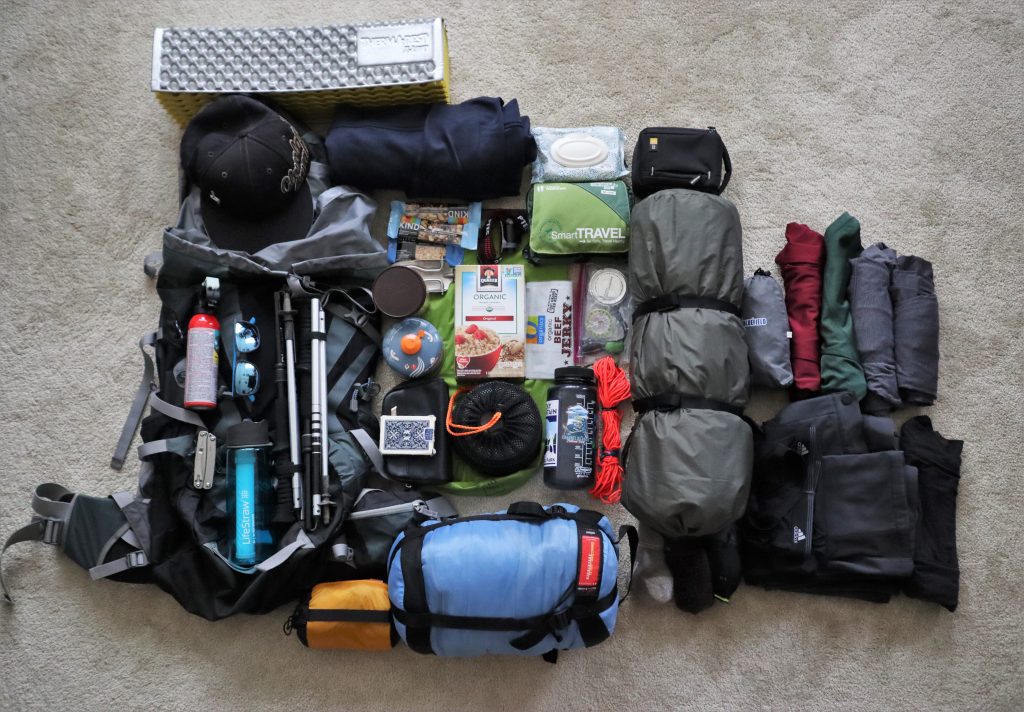
Packing bags and backpacks can be quick and easy. Organizing your items well saves space and time. This guide helps you pack smartly.
Learn how to prioritize items, use packing cubes, and decide between rolling or folding clothes. These tips keep your bags neat.
Prioritizing Items
Start by placing the most important items at the top or in easy-to-reach pockets. Think about what you need first during your trip.
- Pack essentials like wallet, phone, and documents near the top.
- Put heavy items at the bottom for balance.
- Group similar items to avoid searching later.
- Keep fragile items padded and away from edges.
- Use smaller bags inside for toiletries or electronics.
Using Packing Cubes
Packing cubes help separate clothes and gear. They make unpacking faster and keep items from moving around.
| Cube Size | Best For | Tip |
| Large | Bulkier clothes like jackets and pants | Compress to save space |
| Medium | T-shirts and tops | Roll clothes inside |
| Small | Underwear and socks | Use for small accessories |
Rolling Vs Folding Clothes
Rolling clothes saves space and reduces wrinkles. Folding keeps items neat but can take more room.
- Roll t-shirts, pants, and casual wear tightly.
- Fold dress shirts and delicate fabrics carefully.
- Use tissue paper inside folds to prevent creases.
- Try both methods to see what fits best in your bag.
Maximizing Space
Organizing bags and backpacks well helps you carry more things easily. Using space smartly saves time and keeps items safe.
Follow simple ways to fit everything inside without making your bag heavy or messy.
Utilizing Every Nook
Look for small spaces inside your bag to store items. Pockets, corners, and gaps are perfect for tiny things.
Put chargers, keys, or snacks in these spots to keep bigger areas free for large items.
- Use side pockets for water bottles or umbrellas
- Store pens and cables in small zippered compartments
- Fill empty corners with soft items like socks or gloves
Layering Strategically
Place heavy and flat items at the bottom. Add lighter and soft items on top. This keeps balance and protects fragile things.
Keep things you use most near the top or in easy-to-reach pockets for quick access.
- Put books or laptops at the base
- Layer clothes and notebooks above
- Keep small daily items on top
Compressing Bulky Items
Bulky clothes or gear take a lot of space. Use compression bags or roll clothes tightly to reduce their size.
Compressed items fit better and leave room for other essentials in your bag or backpack.
- Roll clothes instead of folding
- Use vacuum bags for bulky jackets
- Press down on soft items to remove air pockets

Credit: www.totesavvy.com
Organizing Small Items
Small items in bags and backpacks can easily get lost or create clutter. Keeping them organized saves time and keeps your bag neat.
Use simple tools and habits to arrange these items so you can find them quickly.
Using Pouches And Cases
Pouches and small cases help keep tiny items in one place. They stop things from moving around and getting lost.
Use different pouches for different groups of items like makeup, stationery, or hygiene products.
- Choose clear pouches to see contents easily
- Label pouches for quick identification
- Use waterproof cases for liquids
- Pick sizes that fit your bag compartments
Keeping Electronics Tidy
Electronics like phones, power banks, and headphones can get scratched or tangled. Keep them safe by using dedicated compartments or sleeves.
Store each device in its own pocket or padded case to avoid damage and make them easy to find.
- Use padded sleeves for tablets or e-readers
- Keep phones in soft pockets to prevent scratches
- Separate headphones to avoid tangling
- Place power banks in easy-to-reach spots
Managing Cords And Chargers
Cords and chargers can get tangled and messy inside bags. Organize them with clips, wraps, or small bags to avoid knots.
Keep cords separate from other items to prevent damage and to find them quickly when needed.
- Use cable ties or Velcro straps to bundle cords
- Store chargers in small pouches
- Label cords to know which device they belong to
- Coil cords loosely to avoid damage
Maintaining Bag Organization
Keeping your bags and backpacks organized makes your life easier. You can find things fast and avoid clutter.
Simple habits help keep bags neat and clean. This guide covers three ways to maintain organization.
Regularly Decluttering
Remove items you do not need from your bag often. Extra things take up space and cause mess.
Check your bag weekly to toss trash and unused items. Keep only what you use daily.
- Empty your bag completely
- Sort items into keep, toss, or relocate
- Return only needed items to the bag
- Use small pouches for tiny items
Cleaning And Care Tips
Clean your bag regularly to keep it fresh and last longer. Dirt and stains can damage the material.
Follow the care instructions on the label. Use gentle cleaning methods to avoid wear and tear.
- Empty the bag before cleaning
- Use a soft brush to remove dirt
- Spot clean stains with mild soap and water
- Air dry completely before use
- Store bags in a cool, dry place
Setting Packing Routines
Make a habit of packing your bag the same way each time. This keeps things in order and easy to find.
Use compartments and organizers to separate items. Create a checklist for important things to pack.
- Start with heavy or large items at the bottom
- Place frequently used items in easy pockets
- Keep small items in zipped pouches
- Check your packing list before closing the bag

Credit: www.reddit.com
Special Tips For Backpacks
Organizing backpacks can make your daily life easier. With the right tips, you can carry everything you need comfortably.
Here are some special tips to help you make the most out of your backpack storage.
Balancing Weight
Balancing the weight in your backpack is important. Uneven weight can cause back pain. Place heavier items closer to your back.
- Distribute weight evenly on both sides
- Keep heavier books in the middle
- Use all compartments for balance
Adjusting Straps For Comfort
Adjusting the straps can make your backpack more comfortable. Properly tightened straps help distribute weight evenly across your shoulders.
Ensure the backpack sits high and snug on your back. Avoid letting it hang low.
Protecting Fragile Items
Fragile items need extra care in backpacks. Use soft materials to cushion delicate things like electronics or glass.
- Wrap fragile items in clothing
- Store in separate compartments
- Use padded cases for electronics
Frequently Asked Questions
How Can I Efficiently Organize Multiple Bags At Home?
Use clear bins or shelves to separate bags by type and size. Label each space for easy access. Store rarely used bags in higher or hidden spots to save space. This method keeps bags visible and prevents clutter.
What Are The Best Tips For Organizing Backpacks?
Empty backpacks regularly and sort items by necessity. Use small pouches to group similar items inside. Store backpacks in hooks or cubbies to maintain shape and accessibility. This keeps backpacks tidy and ready for use.
How Do I Prevent Bags From Losing Shape When Stored?
Stuff bags with tissue paper or cloth to keep their form. Avoid stacking heavy items on top of delicate bags. Store bags upright or hang them to maintain structure. Proper storage extends bag lifespan and appearance.
What Storage Solutions Work Best For Small Bags?
Use drawer dividers or small baskets to group mini bags. Hanging organizers with pockets also save space and keep bags visible. Rotate bags regularly to prevent dust and damage. Small bags stay organized and easy to find.
Conclusion
Organizing bags and backpacks saves time and reduces stress. Small steps can make a big difference. Use compartments and pouches to keep things neat. Labeling helps find items quickly. Regularly clean out unused items to stay organized. A tidy bag means less hassle daily.
Start organizing today for easier travels and outings. Simple habits lead to lasting order and peace.