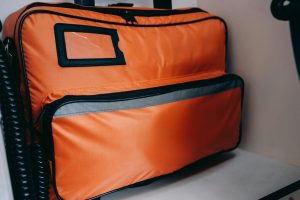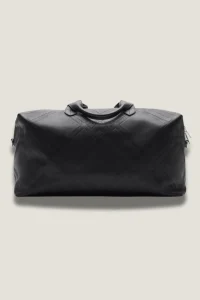
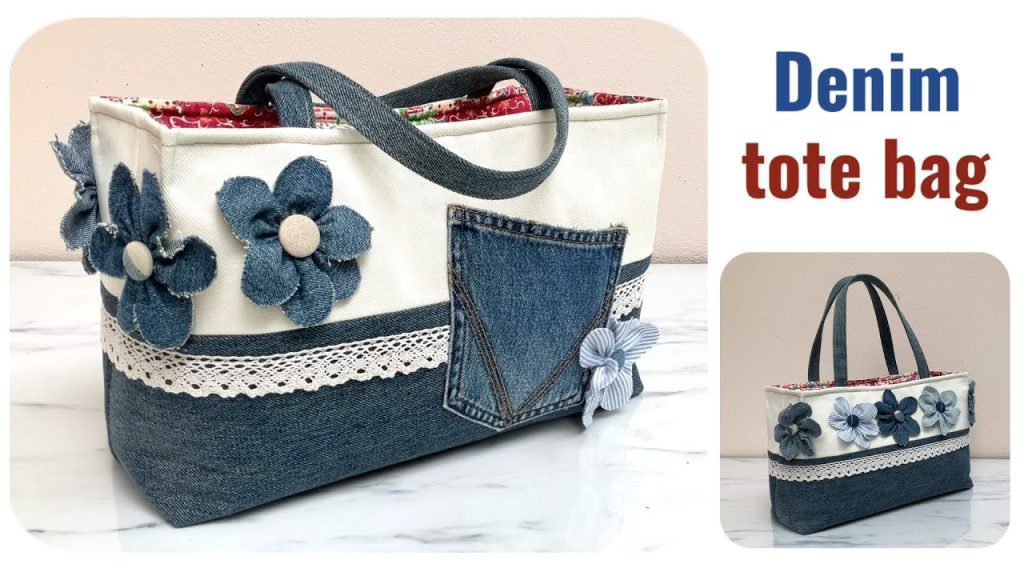
Looking for a tote bag that keeps your things neat and easy to find? You’re in the right place.
Making a tote bag with compartments lets you organize your stuff exactly how you want it. Imagine never having to dig through a messy bag again! In this guide, you’ll learn simple steps to create a stylish, practical tote that suits your daily needs.
Ready to make your perfect bag? Let’s get started!
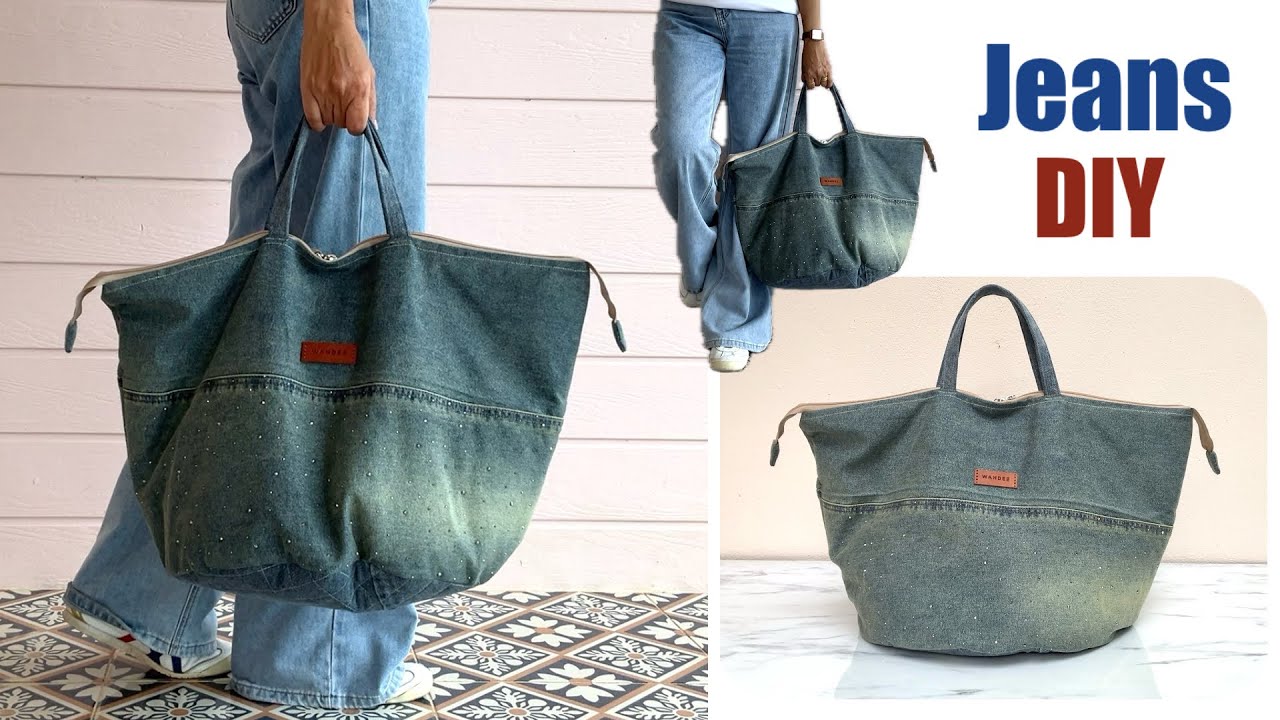
Credit: www.youtube.com
Materials Needed
Making a tote bag with compartments needs the right materials. These help you create a sturdy and useful bag.
This list covers all the basic tools and fabrics you will need before starting.
Fabric And Lining
Choose a durable fabric for the outside of the tote bag. Cotton canvas or denim works well. For the inside, use a smooth lining fabric like polyester or cotton to protect the compartments.
Thread And Sewing Supplies
- Strong polyester thread matching the fabric color
- Sewing needles suitable for heavy fabric
- Scissors for cutting fabric
- Measuring tape or ruler
Additional Materials
| Material | Purpose |
| Interfacing | Adds stiffness to bag and compartments |
| Zippers or Velcro | Close compartments securely |
| Straps or Handles | For carrying the tote bag |
| Marking tools | To outline sewing lines on fabric |
Choosing The Fabric
Choosing the right fabric is important for making a tote bag with compartments. The fabric affects the bag’s strength and look.
Think about how you will use the tote bag before picking the fabric. Some fabrics work better for heavy use, others for style.
Durability And Strength
Strong fabric helps the tote bag hold heavy items without tearing. Look for fabrics that can handle weight and use.
- Canvas is thick and very strong.
- Denim offers good durability and style.
- Leather is tough but heavier and needs care.
- Heavy cotton can also be sturdy and easy to sew.
Ease Of Sewing
Choose a fabric you can sew easily, especially if you are new to sewing. Some fabrics slip or fray more than others.
| Fabric | Ease of Sewing | Notes |
| Canvas | Medium | Stiff, may need stronger needles |
| Cotton | Easy | Soft and simple to work with |
| Denim | Hard | Thick layers can be tricky |
| Leather | Hard | Requires special tools and skills |
Appearance And Style
Fabric color and texture affect the look of your tote bag. Choose fabric that matches your style and use.
Here are some tips to match fabric to style:
- Bright cotton for casual, fun bags.
- Neutral canvas for classic, everyday use.
- Textured denim for a rugged look.
- Glossy leather for a chic, formal bag.
Measuring And Cutting Fabric
Measuring and cutting fabric are important steps in making a tote bag with compartments. Accurate measurements help the bag fit together well. Cutting the fabric carefully saves time and reduces waste.
Gather your tools before you start. You will need a measuring tape, fabric scissors, and marking chalk or pencil. Use a flat surface to work on for the best results.
Tools Needed For Measuring And Cutting
Having the right tools makes measuring and cutting easier and more accurate. Use sharp scissors for clean edges. A clear ruler or measuring tape helps you get exact sizes.
- Measuring tape or ruler
- Fabric scissors or rotary cutter
- Fabric marking chalk or pencil
- Cutting mat (optional but helpful)
- Straight pins to hold fabric layers
Measuring Fabric Pieces For Compartments
Measure each piece of fabric according to the tote bag design. Include extra fabric for seams and hems. Write down each measurement to keep track.
| Bag Part | Width (inches) | Height (inches) | Seam Allowance (inches) |
| Main Body | 15 | 14 | 0.5 |
| Side Panels | 4 | 14 | 0.5 |
| Bottom Panel | 15 | 4 | 0.5 |
| Inner Compartments | 7 | 10 | 0.5 |
| Pockets | 6 | 8 | 0.5 |
Cutting Fabric Correctly
Lay the fabric flat and smooth out wrinkles before cutting. Use pins to keep layers from shifting. Follow your measurements and mark the fabric clearly.
- Place fabric on a flat surface.
- Smooth out any wrinkles.
- Use measuring tape to mark dimensions.
- Draw cutting lines with chalk or pencil.
- Cut slowly along the lines with sharp scissors.
- Keep all fabric pieces organized.

Credit: www.reddit.com
Creating The Compartments
Adding compartments to a tote bag helps organize your items. Compartments keep things neat and easy to find.
Making compartments requires planning the layout and sewing dividers inside the bag.
Designing The Layout
Decide how many compartments you want in your tote bag. Think about the items you will carry.
Measure the size of your tote and plan the size of each compartment. Draw a simple sketch on paper.
- Large compartments for books or tablets
- Small pockets for keys or phones
- Separate sections for water bottles
Sewing The Dividers
Cut fabric pieces for each divider based on your layout. Use sturdy fabric to hold the shape.
Sew the dividers to the inside base and sides of the tote bag. Make sure the seams are strong.
- Pin the divider fabric in place before sewing
- Use a straight stitch for durability
- Sew slowly to keep edges neat
- Check the compartments after sewing for fit
Assembling The Tote Bag
Creating a tote bag with compartments is a fun project. You can keep your items organized and stylish.
Let’s start assembling the tote bag by attaching the panels and adding the bottom.
Attaching The Front And Back Panels
Begin by aligning the front and back panels of the tote bag. Make sure the fabric patterns match for a seamless look.
- Pin the panels together along the sides.
- Sew the sides using a straight stitch, leaving the top open.
- Trim any excess fabric to reduce bulk.
Adding The Bottom Panel
Now, it’s time to add the bottom panel. This will give your tote bag its shape and support.
Measure the width of the bottom of your bag. Cut a piece of fabric that matches these dimensions.
- Align the bottom panel with the open edge of the bag.
- Secure it with pins.
- Sew along the edges, reinforcing the corners for durability.
| Step | Description |
| 1 | Pin panels together |
| 2 | Sew sides and bottom |
| 3 | Trim excess fabric |
Adding Handles
Adding handles to your tote bag makes it easy to carry. This step is important for comfort and style.
Choose strong materials and attach the handles securely. This ensures your bag lasts a long time.
Choosing Handle Material
Pick handle materials that fit the bag’s purpose and look. Handles must hold weight and feel good in your hands.
- Cotton webbing: soft and sturdy
- Leather straps: strong and stylish
- Rope handles: casual and durable
- Nylon: lightweight and tough
Attaching Handles Securely
Secure handles with strong stitches or rivets. The attachment must support heavy loads without tearing.
| Method | Tools Needed | Strength | Appearance |
| Double stitching | Needle, thread, sewing machine | High | Clean and neat |
| Rivets | Rivet setter, hammer | Very high | Bold and rugged |
| Box stitch | Needle, thread, sewing machine | Very high | Square and strong |
Finishing Touches
Adding the final details to your tote bag can make it more useful and stylish. These touches will ensure your bag is both durable and functional.
Whether you want extra pockets or stronger seams, these tips will help you complete your tote bag with finesse.
Reinforcing Seams
Strong seams are important to carry items safely. Reinforce your bag’s seams to make it last longer.
- Use a zigzag stitch for extra strength.
- Double-stitch the bottom seam to support weight.
- Consider using a stronger thread type.
Adding Pockets Or Zippers
Pockets and zippers can organize your bag better. They keep your items secure and easy to access.
Here is a simple table to help you choose:
| Feature | Benefit |
| Inner Pocket | Organizes small items |
| Outer Pocket | Quick access to essentials |
| Zipper Closure | Keeps contents secure |
Care Tips For Your Tote Bag
Taking care of your tote bag keeps it looking nice and lasting longer. Clean it regularly and store it properly.
Follow simple steps to protect the fabric and compartments from damage. This helps your bag stay useful and neat.
Cleaning Your Tote Bag
Check the fabric type before cleaning. Use mild soap and cold water for most materials. Avoid harsh chemicals.
Spot clean stains gently with a soft cloth. For deep cleaning, hand wash or use a gentle machine cycle.
- Remove items from all compartments first
- Use a soft brush for dirt on seams
- Air dry the bag flat to keep shape
Protecting Compartments
Keep compartments free from heavy or sharp objects. This prevents tears and stretching inside the bag.
Use small pouches inside compartments to organize items. This reduces wear and keeps the bag tidy.
- Avoid overloading compartments
- Check zippers and seams often
- Fix small damages early to prevent bigger tears
Storing Your Tote Bag
Store your tote bag in a cool, dry place. Avoid direct sunlight to stop colors from fading.
Keep the bag empty or lightly filled to hold its shape. Use tissue paper if needed to support the sides.
- Hang the bag on hooks or lay flat
- Do not store in damp areas
- Keep away from pets and dust
Handling Wet Tote Bags
If your tote bag gets wet, dry it quickly. Blot water with a towel and air dry in shade.
Do not use a dryer or heater. Heat can shrink or damage the fabric and compartments.
- Open all compartments while drying
- Use a fan to help air circulation
- Check for mold or odor before storing

Credit: www.youtube.com
Frequently Asked Questions
How Do I Choose Fabric For A Tote Bag With Compartments?
Select sturdy fabric like canvas or denim for durability. Choose fabric that holds shape well and suits your style. Waterproof or lined fabric works best for easy cleaning and added protection.
What Tools Are Needed To Make Compartment Tote Bags?
You need a sewing machine, scissors, measuring tape, pins, thread, and fabric chalk. Optional tools include zipper foot and interfacing for reinforced compartments. These tools help ensure precise and professional results.
How Can I Add Compartments Inside A Tote Bag?
Cut fabric pieces for compartments and sew them onto the lining. Use dividers, pockets, or zippered sections for organization. Attach compartments securely to prevent sagging and improve functionality.
What Is The Best Size For Tote Bag Compartments?
Compartment sizes vary based on usage but 6-8 inches wide suits small items. Larger compartments of 10-12 inches fit books or tablets. Design compartments based on your daily carry needs for convenience.
Conclusion
Making a tote bag with compartments is a useful skill. It helps keep your items neat and easy to find. You can customize the size and number of pockets as you like. Sewing your own bag saves money and lets you express creativity.
Start with simple materials and follow the steps carefully. Practice makes perfect, so don’t worry about mistakes. Enjoy carrying a bag that fits your needs perfectly. Try different fabrics and designs next time. Making bags can be fun and practical at the same time.