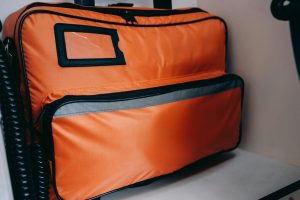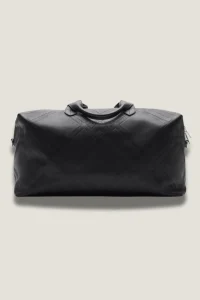

Are you ready to create your very own small satchel bag? Imagine carrying a stylish, personalized bag that fits just what you need—without the hassle of searching for the perfect one in stores.
Making a small satchel bag yourself is easier than you think, and it gives you the freedom to choose the materials, colors, and details that match your style. In this guide, you’ll discover simple steps to craft a bag that’s not only practical but also a true reflection of you.
Keep reading, and by the end, you’ll have the confidence to make a small satchel bag you’ll love to carry every day.

Credit: m.youtube.com
Materials Needed
Making a small satchel bag requires some basic materials. Gather the right items before you start.
This guide covers fabric choices, essential tools, and optional accessories for your project.
Choosing The Fabric
Pick a fabric that is durable and easy to sew. Cotton canvas and denim are good options.
- Cotton canvas – strong and holds shape well
- Denim – thick and long-lasting
- Linen – lightweight but less sturdy
- Faux leather – stylish but needs special tools
Essential Tools
These tools help you cut, sew, and assemble the bag efficiently and neatly.
| Tool | Purpose |
| Fabric scissors | Cut fabric cleanly |
| Measuring tape | Measure fabric pieces accurately |
| Sewing machine | Stitch pieces together quickly |
| Pins | Hold fabric in place while sewing |
| Thread | Match or contrast fabric color |
| Needles | Hand-sewing or machine needles |
| Iron | Press seams flat |
Optional Accessories
These items add style and function but are not required for making the bag.
- Zippers for secure closures
- Buttons or snaps for decoration
- Straps made of leather or fabric
- Decorative patches or embroidery
- Fabric glue for quick fixes

Credit: www.youtube.com
Preparing The Pattern
Making a small satchel bag starts with preparing the pattern. This step helps you cut fabric pieces correctly.
A good pattern ensures your bag parts fit well and look neat. Take your time to get it right.
Measuring And Cutting
First, measure the size you want for your satchel bag. Use a ruler or measuring tape for accuracy.
Cut the fabric pieces carefully using sharp scissors. Make sure to add extra space for seams.
- Measure the main body of the bag
- Include measurements for the flap and straps
- Add about half an inch for seam allowance
- Cut each piece on a flat surface
Creating Templates
Templates help you cut multiple pieces of fabric that are the same size. Use cardboard or thick paper to make them.
Draw the shapes of the bag parts on the template. Cut out the shapes carefully to use again.
- Trace the bag parts on cardboard
- Cut the templates with scissors or a craft knife
- Label each template with the part name
- Use templates to mark fabric before cutting
Cutting The Fabric
Cutting the fabric is the first step in making your small satchel bag. It helps shape the bag parts before sewing.
Use sharp scissors or a rotary cutter to get clean edges. Take your time to avoid mistakes.
Marking The Pieces
Mark the fabric pieces clearly before cutting. Use tailor’s chalk or a fabric pen that washes off easily.
Place your pattern on the fabric and mark all edges and important points. This keeps the pieces accurate and easy to sew.
- Pin the pattern to the fabric to keep it from moving.
- Mark seam allowances as shown on the pattern.
- Label each piece with its name and quantity needed.
Tips For Accurate Cutting
Cut carefully along the marks. Use smooth, even motions to avoid jagged edges.
Keep the fabric flat and avoid lifting it too much. This stops stretching or shifting.
- Use sharp scissors designed for fabric cutting.
- Cut one layer of fabric at a time for better control.
- Double-check marks before cutting.
- Cut slowly to stay on the lines.
Sewing The Main Body
Sewing the main body is a key part of making a small satchel bag. This step joins the main pieces to create the shape.
We will first assemble the front and back panels. Then, we add the side panels for depth.
Assembling Front And Back
Start by placing the front and back panels right sides together. Align edges carefully for a clean seam.
Pin the edges to hold the fabric in place. Sew along the sides and bottom with a straight stitch.
- Place panels with right sides facing
- Align edges evenly
- Pin edges to secure fabric
- Sew sides and bottom with straight stitch
Adding The Side Panels
Next, attach the side panels to the assembled front and back. This gives the bag its width and shape.
Pin the side panels along the edges. Sew carefully to join all three pieces together.
- Pin side panels to front and back edges
- Match corners for clean joins
- Sew along pinned edges slowly
- Check seams for even stitching
Creating The Strap
The strap is an important part of a small satchel bag. It lets you carry the bag easily and comfortably. Making the strap strong and the right length is key to a good bag.
In this section, we will focus on how to measure, cut, and attach the strap to your bag. These steps help you create a strap that fits well and looks neat.
Measuring And Cutting Strap Material
First, measure how long you want the strap to be. You can measure by holding the strap over your shoulder. Add a few extra inches for sewing and adjustments.
Next, cut the strap material carefully. Use scissors that cut cleanly to avoid fraying. Choose a material that is strong and matches your bag’s style.
- Measure the strap length on your body
- Add 2 to 3 inches for sewing
- Use a ruler or tape measure
- Cut the material straight and clean
- Choose leather, canvas, or sturdy fabric
Attaching The Strap To The Bag
To attach the strap, pin it to the sides of the bag. Make sure it is even on both sides. Sew the strap securely using a strong stitch.
You can also use metal rings or clips to attach the strap. This makes it easier to remove or adjust the strap length later.
- Pin the strap ends to the bag’s side seams
- Sew with a straight or box stitch for strength
- Use metal hardware for adjustable straps
- Check that the strap is even and secure
- Test the strap by holding the bag up
Adding Pockets And Closures
Creating a small satchel bag can be fun and practical. Adding pockets and closures will make it more useful.
Learn how to sew inner pockets and install zippers or buttons to enhance your satchel.
Sewing Inner Pockets
Inner pockets keep your items organized inside the bag. You can sew them easily with basic stitching skills.
- Cut fabric pieces for the pocket.
- Fold the edges and sew them down.
- Attach the pocket inside the bag lining.
- Sew around the edges to secure.
Installing Zippers Or Buttons
Closures like zippers and buttons keep your items safe. Choose one that matches your style.
- For zippers, align them with the bag opening.
- Pin the zipper in place before sewing.
- For buttons, mark their positions on the fabric.
- Sew buttonholes and attach buttons.
Finishing Touches
Adding finishing touches to your small satchel bag makes it look neat and durable. These final steps improve both style and function.
Focus on hemming, edge finishing, and decorative elements to complete your handmade bag with care.
Hemming And Edge Finishing
Hemming strengthens the fabric edges and prevents fraying. Use a tight, straight stitch along all raw edges.
- Fold the fabric edge twice, about ¼ inch each time.
- Pin the folded edge to hold it in place.
- Sew close to the inner fold with a straight stitch.
- Press the hem flat with an iron for a crisp look.
For edge finishing, consider adding bias tape or a fabric trim. This adds strength and a polished appearance.
Decorative Elements
Decorations personalize your satchel and make it unique. Choose simple accents that match your style.
| Decoration | Description | Tips |
|---|---|---|
| Buttons | Attach buttons to the flap or sides. | Choose colors that contrast or match the fabric. |
| Embroidery | Add stitched patterns or initials. | Use simple designs for a neat look. |
| Patches | Sew or iron fabric patches. | Select patches with fun shapes or logos. |
| Beads | Hand-sew beads along edges or straps. | Keep bead size small for comfort. |

Credit: m.youtube.com
Care And Maintenance
Taking care of your small satchel bag ensures it lasts longer. Proper maintenance keeps it looking fresh and stylish.
Follow these simple steps to clean and store your satchel bag effectively. This will help maintain its quality and appearance.
Cleaning Tips
Regular cleaning prevents dirt and stains from settling. Use gentle products to protect the material.
- Use a soft cloth for dusting.
- Apply mild soap with water for tough stains.
- Test any cleaner on a small area first.
Storage Advice
Proper storage keeps your satchel bag in good shape. Avoid cramped spaces to prevent creases.
Here’s a quick storage guide:
- Empty the bag of all contents.
- Stuff with tissue paper to hold its shape.
- Store in a dust bag when not in use.
- Keep away from direct sunlight and moisture.
Frequently Asked Questions
What Materials Are Needed To Make A Small Satchel Bag?
You need fabric, thread, scissors, a zipper or button, straps, and sewing tools. Choose durable materials like leather or canvas for longevity.
How Long Does It Take To Sew A Small Satchel Bag?
Sewing a small satchel bag usually takes 2 to 4 hours. Time varies based on skill level and bag complexity.
Can Beginners Easily Make A Small Satchel Bag?
Yes, beginners can make a small satchel bag with simple patterns. Following step-by-step instructions ensures successful results.
What Are The Best Fabrics For A Small Satchel Bag?
Canvas, leather, denim, and cotton are ideal. These fabrics balance durability, style, and ease of sewing.
Conclusion
Making a small satchel bag is easier than you think. You can choose your favorite fabric and colors. Follow simple steps to cut, sew, and assemble the bag. This project lets you create a unique, handy accessory. It also helps you learn basic sewing skills.
Enjoy the process and take your time. Soon, you will have a bag to carry your things proudly. Try making more bags with different styles and sizes. Crafting your own bag brings joy and satisfaction. Give it a try and see the results yourself.