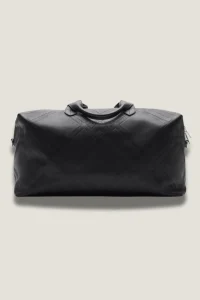

Looking for a fun and simple project that adds a personal touch to your style? Making your own mini tote bag is easier than you think—and it’s a great way to carry your essentials with flair.
Imagine having a bag that’s just the right size, designed by you, and ready to use anytime. In this guide, you’ll discover step-by-step how to create a mini tote bag that fits your needs perfectly. Keep reading, and you’ll be surprised at how quickly you can turn a few materials into something both practical and stylish.
Ready to make your own unique tote? Let’s get started!
Materials Needed
Making a mini tote bag is a fun and simple sewing project. You only need a few materials to get started.
Choosing the right materials helps your tote bag last longer and look great.
Fabric Choices
Select a fabric that is strong enough to carry small items. Cotton and canvas are good options.
You can also use denim or linen for a different look and feel.
- Cotton – easy to sew and comes in many patterns
- Canvas – sturdy and durable
- Denim – thick and strong
- Linen – light and natural
Essential Tools
You need some basic tools to cut and sew your mini tote bag. These tools make the process easier.
- Sewing machine or needle and thread
- Fabric scissors for clean cuts
- Measuring tape or ruler
- Pins or clips to hold fabric pieces
- Iron to press seams flat
Optional Embellishments
You can add decorations to make your mini tote bag unique. These are not required but fun to use.
- Fabric paint or markers for designs
- Buttons or patches for style
- Ribbon or lace trims
- Iron-on transfers or appliques
Preparing The Fabric
Preparing the fabric is an important step in making a mini tote bag. It ensures your pieces fit well and sew together easily.
Take your time to measure and mark the fabric carefully. This will help you avoid mistakes later.
Measuring And Cutting
Use a clear ruler and fabric chalk or a washable marker. Measure twice to be sure before cutting.
- Place the fabric flat on a clean surface.
- Measure the length and width for each part of the tote bag.
- Mark the measurements with fabric chalk or marker.
- Cut the fabric pieces carefully along the marks with sharp scissors.
- Keep the cut pieces organized for easy sewing later.
Marking Sewing Lines
Mark the sewing lines inside the fabric pieces. This guides your stitching and keeps seams straight.
| Tool | Purpose | Tip |
| Fabric chalk | Mark sewing lines and cutting edges | Choose a color that shows well on your fabric |
| Ruler | Draw straight sewing lines | Use a clear ruler with measurements |
| Seam gauge | Mark exact seam allowances | Set to standard seam size (usually 1/4 or 1/2 inch) |
Sewing The Main Body
Sewing the main body of your mini tote bag is a fun and simple process. You will join the fabric pieces to form the bag’s shape. This stage sets the foundation for a sturdy and neat tote.
Focus on accuracy when stitching. Straight seams and secure stitches make the bag last longer and look professional. Let’s start with stitching the sides and then create the base.
Stitching The Sides
Begin by placing the front and back fabric pieces right sides together. Align the edges carefully to avoid uneven seams. Pin the sides to keep the fabric in place.
- Set your sewing machine to a straight stitch.
- Sew along each side edge with a ½ inch seam allowance.
- Backstitch at the start and end to secure the seam.
- Remove pins as you sew to prevent damage.
- Press the seams open with an iron for a flat finish.
Creating The Base
Next, form the base of the tote by shaping the bottom corners. This step gives the bag depth and lets it stand upright.
| Step | Action | Tip |
|---|---|---|
| 1 | Pinch the bottom corner to form a triangle. | Align the side seam with the bottom seam. |
| 2 | Measure and mark a 2-inch line from the corner tip. | Use a fabric marker for clear lines. |
| 3 | Sew across the marked line to create the base. | Double stitch for extra strength. |
| 4 | Trim the excess fabric, leaving a ¼ inch seam allowance. | Be careful not to cut the stitches. |

Credit: www.youtube.com
Adding The Handles
Adding handles is an important step in making your mini tote bag. Handles give your bag its shape and make it easy to carry.
Choose the right handle length and attach them firmly. This will help your bag last longer and look neat.
Choosing Handle Length
Pick a handle length that fits how you will use the bag. Short handles work well for hand carry. Longer handles let you wear the bag on your shoulder.
- Measure from one side of the bag to the other.
- Add extra length for the part that goes over your hand or shoulder.
- Try the length with a similar bag or strap for comfort.
- Cut the handle material slightly longer than needed to allow for sewing.
Attaching Handles Securely
Securely attach handles to make sure they hold weight. Use strong stitches and reinforce the ends well.
| Attachment Method | Description | Tip |
| Top Stitching | Sew the handle ends on top of the bag fabric. | Use a double stitch for extra strength. |
| Box Stitch | Sew a square or box shape where the handle meets the bag. | Add an X inside the box for more durability. |
| Reinforcement Patch | Place a fabric patch under the handle ends before sewing. | This spreads stress and prevents tearing. |
Finishing Touches
After sewing your mini tote bag, the last steps will make it look neat and stylish. These finishing touches improve the bag’s durability and appearance.
Focus on trimming threads, adding lining if you want, and decorating the bag to your taste. Each step is simple but important.
Trimming Threads
Clean edges make your mini tote bag look professional. Cut all loose threads close to the fabric, but be careful not to cut the stitches.
- Use sharp scissors for precise cuts
- Check inside and outside seams for stray threads
- Trim threads after each sewing step to avoid clutter
- Use a lint roller to remove small thread bits
Optional Lining
Adding lining makes your tote bag stronger and hides the inside seams. Choose a light fabric to avoid bulk.
| Benefit | Description |
| Protection | Prevents wear and tear inside the bag |
| Appearance | Hides raw edges and stitches |
| Structure | Helps the bag keep its shape |
| Fabric choice | Use cotton or thin canvas |
Adding Decorative Elements
Decorations give your mini tote bag personality. Pick items that match your style and attach them securely.
Try these decorations:
- Iron-on patches or appliques
- Fabric paint or markers
- Buttons or beads sewn on handles or sides
- Ribbon or lace trims along the edges
Secure decorations well to avoid falling off during use.
Care And Maintenance
Mini tote bags are handy and stylish. Keeping them in good shape is easy with the right care. Learn how to clean and store them properly.
Follow simple steps to ensure your mini tote bag lasts long. Proper maintenance keeps it looking fresh and new.
Cleaning Tips
Regular cleaning helps maintain your mini tote bag’s appearance. Use gentle methods to avoid damage.
- Check the label for washing instructions.
- Hand wash with mild soap and cold water.
- Air dry to prevent shrinking.
Storage Advice
Proper storage keeps your mini tote bag in good condition. Avoid places that might cause wear and tear.
- Keep it in a dry and cool place.
- Use a dust bag or pillowcase for protection.
- Avoid hanging to prevent stretching.
Creative Variations
Making a mini tote bag can be fun and creative. You can choose different styles to make it unique. Here are some ways to add your personal touch.
Using Different Fabrics
The fabric you choose affects the look and feel of your tote bag. You can try various types to see what you like best.
- Cotton is soft and easy to sew.
- Canvas is sturdy and durable.
- Denim adds a casual style.
Personalizing With Prints
Add prints to your bag to express your style. Prints can be fun and make your tote bag stand out.
- Floral prints for a fresh look.
- Geometric prints add a modern touch.
- Animal prints for a wild theme.
Adding Pockets Or Zippers
Pockets and zippers make your tote bag more useful. They add space and security for your belongings.
| Pockets | Store small items safely |
| Zippers | Keep your items secure |

Credit: www.youtube.com

Credit: www.youtube.com
Frequently Asked Questions
What Materials Are Needed To Make A Mini Tote Bag?
To make a mini tote bag, you need fabric, thread, scissors, sewing machine, and handles. Choose durable fabric like cotton or canvas. Also, prepare basic sewing tools for assembling the bag efficiently and neatly.
How Long Does It Take To Sew A Mini Tote Bag?
Sewing a mini tote bag typically takes 1 to 2 hours. This time depends on your sewing skills and the bag’s design complexity. Beginners may take longer, while experienced sewers finish faster.
Can Beginners Easily Make A Mini Tote Bag?
Yes, beginners can make a mini tote bag. The project uses simple sewing techniques and requires basic skills. Following step-by-step instructions helps achieve great results even with limited experience.
What Size Is Ideal For A Mini Tote Bag?
An ideal mini tote bag measures about 8 to 10 inches wide and 6 to 8 inches tall. This size is perfect for carrying essentials like a phone, wallet, and keys comfortably.
Conclusion
Making a mini tote bag is simple and fun. You only need a few materials and some patience. Each step helps you create something useful and pretty. Carry your small items with pride. Try different fabrics and colors to fit your style.
Practice makes the process easier and more enjoyable. Enjoy the satisfaction of making your own bag. Keep creating and sharing your craft with friends. This project is perfect for beginners and experts alike. Start today and see how rewarding sewing can be!