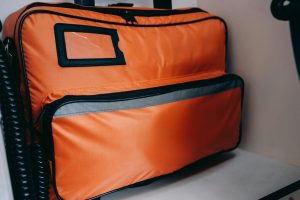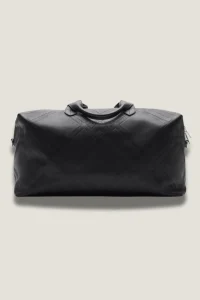

Are you ready to create a stylish and practical messenger bag that fits your style perfectly? Imagine having a bag made by your own hands, designed exactly how you want it—sturdy, spacious, and unique.
Making your own messenger bag isn’t as hard as it sounds, and once you see how simple the steps are, you’ll wonder why you didn’t start sooner. Keep reading, and you’ll learn everything you need to make a bag that stands out and lasts for years.
Your new favorite accessory is just a few easy steps away.

Credit: creativefashionblog.com
Materials Needed
Making a messenger bag requires the right materials. Choosing good fabric and having the correct tools helps you create a strong bag.
This guide shows what fabrics and tools you need to start your project. You can pick materials that fit your style and skill level.
Fabric Choices
Pick a fabric that is both durable and easy to work with. Messenger bags need to hold weight and resist wear from daily use.
- Canvas: Strong and water-resistant, ideal for heavy use.
- Denim: Thick and rugged, gives a casual look.
- Nylon: Lightweight and water-repellent, good for travel bags.
- Leather: Stylish and durable but needs special tools to sew.
- Cotton Twill: Soft but sturdy, good for light to medium bags.
Tools And Supplies
Having the right tools makes sewing easier and the final bag stronger. Some tools are basic, while others help with special fabrics.
| Tool or Supply | Purpose |
|---|---|
| Sewing Machine | Speeds up sewing and ensures strong stitches |
| Heavy-duty Thread | Holds thick fabrics together |
| Fabric Scissors | Cut fabric cleanly without fraying |
| Measuring Tape | Measures fabric and ensures size accuracy |
| Pins or Clips | Keeps fabric layers in place while sewing |
| Seam Ripper | Fixes mistakes by removing stitches |
| Marking Chalk or Pen | Marks cutting lines on fabric |
| Ruler or Straight Edge | Helps draw straight lines for cutting |
| Leather Needle (optional) | Needed if sewing leather fabric |
Designing Your Bag
Designing a messenger bag is a fun and creative process. You can make it fit your style and needs.
Think about the size, shape, colors, and patterns before you start making your bag.
Choosing Size And Shape
Pick a size that fits what you want to carry. Small bags work for light items.
Larger bags hold books, laptops, or more things. Choose a shape that feels comfortable.
- Small: Good for phones and wallets
- Medium: Fits tablets and notebooks
- Large: Holds laptops and folders
- Square: Classic look, easy to pack
- Rectangle: More space for papers
Selecting Colors And Patterns
Choose colors that match your style or mood. Bright colors stand out in a crowd.
Patterns add personality. You can use stripes, checks, or plain colors.
- Neutral colors: Black, brown, grey for classic style
- Bright colors: Red, blue, green for a bold look
- Patterns: Stripes, polka dots, or camouflage
- Mix solid colors with patterns for balance
Cutting The Fabric
Cutting the fabric is a key step in making a messenger bag. It sets the foundation for sewing and shaping the bag.
Careful cutting helps avoid mistakes and wasted fabric. This guide focuses on measuring, marking, and cutting tips.
Measuring And Marking
Start by measuring your fabric pieces carefully. Use a ruler or measuring tape to get exact sizes for each part of the bag.
- Measure twice to prevent errors
- Mark the fabric with tailor’s chalk or a fabric pen
- Include extra space for seams in your markings
- Label each piece clearly for easy identification
Cutting Tips
Use sharp fabric scissors or a rotary cutter for clean cuts. Cut slowly along your markings to keep edges straight.
| Tip | Reason |
|---|---|
| Use sharp scissors | Prevents frayed edges and jagged cuts |
| Cut on a flat surface | Keeps fabric stable and flat |
| Work in good light | Helps see markings clearly |
| Keep fabric layers aligned | Ensures uniform pieces |
Sewing The Main Body
Sewing the main body of a messenger bag is a key step. It shapes the bag and holds all parts together.
Focus on accuracy and neat stitches to make the bag strong and durable.
Assembling Panels
Start by placing the fabric panels flat on your workspace. Align the edges carefully for a clean finish.
Pin the panels together before sewing to keep them from shifting. This helps keep the shape accurate.
- Lay the front, back, and side panels face to face
- Match the edges and corners precisely
- Use pins or clips to hold panels in place
- Double-check alignment before stitching
Stitching Techniques
Use a straight stitch for strong seams. Sew slowly to keep the line even and secure.
Reinforce stress points by backstitching or sewing twice. This adds extra strength to the bag.
- Set your machine to a medium stitch length
- Sew with consistent pressure and speed
- Backstitch at the start and end of each seam
- Press seams open with an iron for a clean look
Adding Pockets And Compartments
Adding pockets and compartments makes a messenger bag more useful. It helps keep items organized and easy to find.
You can add different types of pockets on the outside and inside. This improves the bag’s function and style.
Exterior Pockets
Exterior pockets give quick access to small items. They are perfect for keys, phones, or wallets.
Use zippers or flaps to keep items safe in outside pockets. Choose pocket sizes based on what you want to carry.
- Front zip pocket for easy access
- Side pockets for water bottles or umbrellas
- Small hidden pockets for valuables
Interior Organization
Inside the bag, add compartments to separate different items. This helps prevent clutter and damage.
Use padded sections for electronics and small pockets for pens or cards. A larger compartment can hold books or tablets.
- Padded laptop or tablet sleeve
- Small zippered pockets for accessories
- Open compartments for notebooks or folders
- Elastic loops for pens or cables
Attaching The Strap
Attaching a strap to your messenger bag is crucial. It ensures comfort and durability. Follow these steps to attach your strap securely.
Choosing the right materials and making adjustments can enhance your bag’s usability. Let’s explore how to make the best choices for your strap.
Choosing Strap Material
Strap material affects strength and comfort. Choose materials wisely for a better bag experience.
Popular materials include leather, canvas, and nylon. Consider durability and style when selecting.
- Leather offers a classic look and strong support
- Canvas is sturdy and has a casual style
- Nylon is lightweight and water-resistant
Adjustable Strap Options
Adjustable straps are useful for comfort. They allow you to change the length easily.
Consider different mechanisms like sliders or buckles. These options offer flexibility for different users.
- Sliders are easy to adjust quickly
- Buckles provide a secure hold
- Velcro offers quick and easy adjustment
Finishing Touches
Finishing touches make your messenger bag look complete. They add style and function.
These details can help your bag stand out and last longer. Think about closures and decorative elements.
Adding Closures
Closures keep your belongings safe inside the bag. They also add to the bag’s style.
Choose closures that match your bag’s design. Consider using zippers, buttons, or magnetic snaps.
- Zippers are secure and easy to use.
- Buttons add a classic look.
- Magnetic snaps are quick to open and close.
Decorative Elements
Decorative elements enhance the bag’s appearance. They reflect your personal style.
Consider adding patches, embroidery, or fabric paint. These elements make your bag unique.
- Patches can show off your interests.
- Embroidery adds a handmade touch.
- Fabric paint lets you create custom designs.

Credit: www.youtube.com
Care And Maintenance
Keeping your messenger bag clean and well-maintained helps it last longer. Simple care steps can protect the fabric and hardware.
Regular attention prevents damage and keeps your bag looking good. Follow the tips below for cleaning and storage.
Cleaning Tips
Clean your messenger bag gently to avoid harm. Use mild soap and soft cloths for best results.
- Empty the bag completely before cleaning.
- Use a damp cloth with mild soap to wipe the surface.
- Spot clean stains quickly to prevent permanent marks.
- Avoid soaking the bag in water to protect its shape.
- Let the bag air dry away from direct sunlight.
- Use a soft brush to clean fabric textures carefully.
Storage Advice
Proper storage keeps your messenger bag in good condition. Avoid places with high heat or moisture.
| Storage Condition | Why It Matters |
| Cool, dry place | Prevents mold and fading |
| Stuff with paper | Maintains bag shape |
| Avoid hanging by straps | Prevents strap stretching |
| Keep away from direct sunlight | Stops color fading |

Credit: creativefashionblog.com
Frequently Asked Questions
What Materials Are Best For Making A Messenger Bag?
The best materials for messenger bags include canvas, leather, and nylon. Canvas is durable and lightweight. Leather offers a classic, sturdy look. Nylon is water-resistant and easy to clean. Choose based on your style and usage needs for a practical messenger bag.
How Long Does It Take To Make A Messenger Bag?
Making a messenger bag typically takes 4 to 8 hours. This depends on your skill level and the bag’s complexity. Beginners may take longer. Experienced crafters can complete it faster. Planning and preparation can also speed up the process.
What Tools Are Needed To Make A Messenger Bag?
Essential tools include scissors, a sewing machine, needles, thread, and measuring tape. You may also need clips, pins, and a rotary cutter. A cutting mat helps protect surfaces. Having the right tools ensures a smooth and efficient sewing experience.
Can I Customize The Size Of My Messenger Bag?
Yes, you can easily customize the size of your messenger bag. Adjust the pattern measurements before cutting fabric. Consider what you’ll carry daily. Make the bag larger for laptops or smaller for essentials. Custom sizing improves usability and personal style.
Conclusion
Making a messenger bag is a fun and useful skill. You can choose your own style and materials. Each step builds your confidence and creativity. Keep practicing to improve your sewing and design. A handmade bag lasts longer and fits your needs.
Enjoy carrying something you made by yourself. Try new ideas and add personal touches. Your unique messenger bag will show your personality. Start today and see how rewarding it feels!