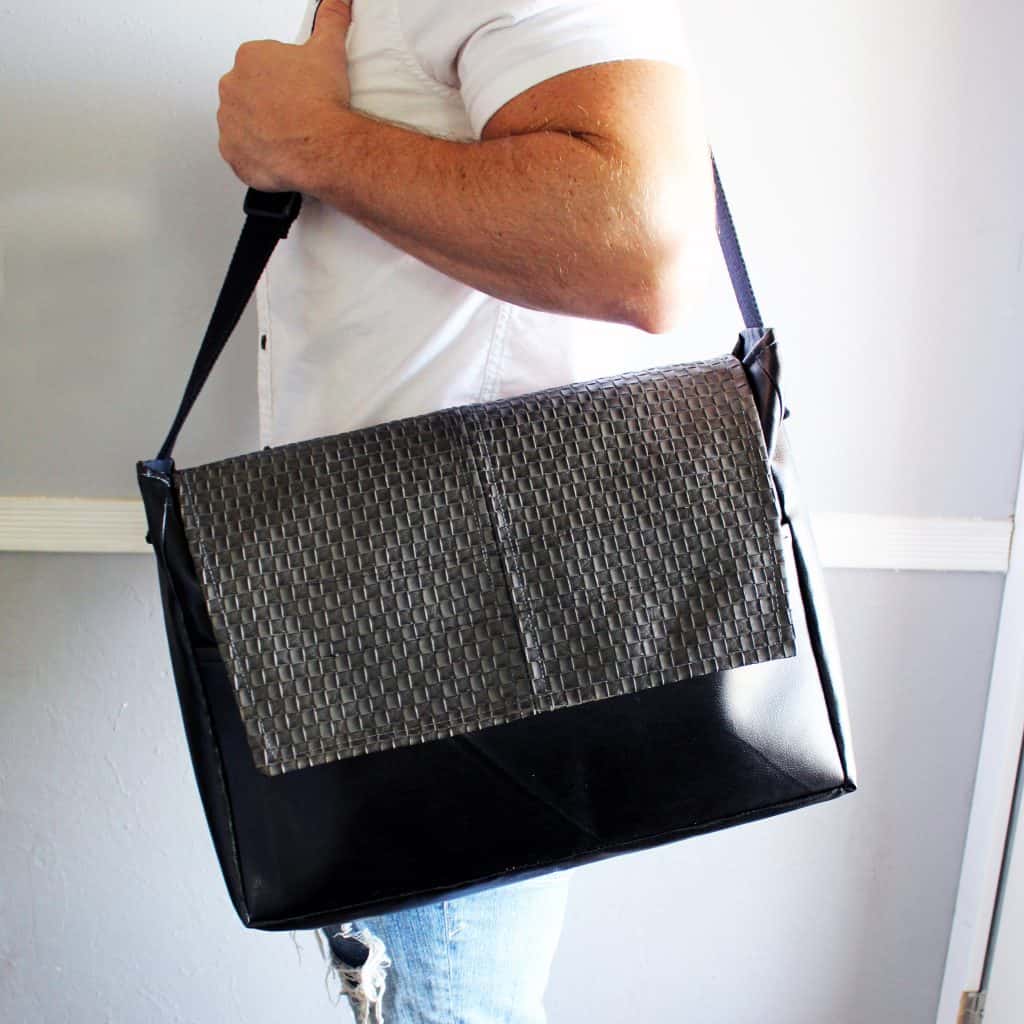
Looking for a way to give your messenger bag a fresh, personal touch? Making your own messenger bag strap is easier than you think—and it lets you create something that fits your style and comfort perfectly.
Imagine having a strap that feels just right on your shoulder and looks exactly how you want it to. In this guide, you’ll discover simple steps and tips to craft a durable, stylish strap that makes your bag truly yours.
Ready to transform your bag and stand out from the crowd? Let’s get started!
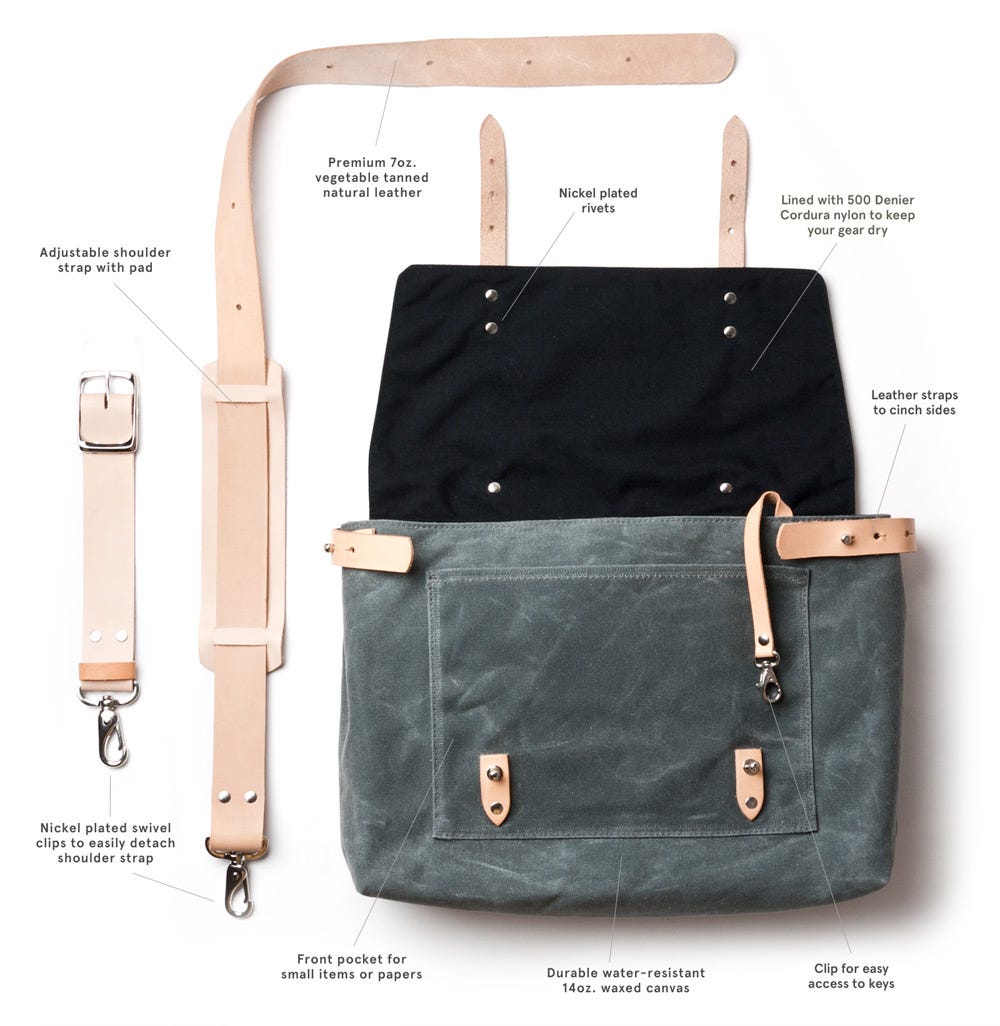
Credit: medium.com
Materials Needed
Making a messenger bag strap requires the right materials. Choosing good supplies helps create a strong and comfortable strap.
This guide covers the fabrics, tools, and extra items you might want for your project.
Choosing The Right Fabric
Select fabric that is both strong and comfortable. The strap needs to hold weight and feel good on your shoulder.
Look for materials that resist wear and tear. Natural fibers and synthetic blends can work well.
- Heavy canvas
- Leather or faux leather
- Denim
- Nylon webbing
- Cotton twill
Essential Tools
You need basic tools to cut, measure, and sew the strap. These tools make the work easier and accurate.
- Measuring tape or ruler
- Scissors or rotary cutter
- Heavy-duty sewing needle
- Strong thread or upholstery thread
- Thimble for hand sewing
- Sewing machine (optional but helpful)
- Pins or clips to hold fabric
Optional Accessories
Adding hardware can improve the strap’s function and look. These pieces help adjust length and attach the strap.
- Adjustable metal or plastic buckles
- Swivel hooks or clasps
- Leather patches for reinforcement
- Decorative rivets or studs
- Padding for extra comfort
Measuring And Cutting
Making the strap for your messenger bag needs careful measuring and cutting. A well-measured strap fits comfortably and looks neat.
Use the right tools and take your time. This helps avoid mistakes and saves fabric.
Determining Strap Length
First, decide how long you want the strap to be. The length depends on how you carry the bag.
- Measure from one side of your body to the opposite hip.
- Add extra length if you want the strap to hang lower.
- Consider adjusting the length later with a buckle or slider.
Marking And Cutting Fabric
Mark the fabric clearly before cutting. Accurate marks help keep the strap even and straight.
| Tool | Use |
| Measuring Tape | Measure strap length |
| Fabric Chalk | Mark cutting lines |
| Sharp Scissors | Cut fabric cleanly |
Place your fabric on a flat surface. Use the measuring tape and chalk to draw the strap shape. Cut along the lines carefully.
Sewing Techniques
Making a messenger bag strap needs good sewing skills. Strong and neat stitches help the strap last long.
This guide covers how to prepare fabric edges, basic stitching methods, and how to reinforce the strap well.
Preparing The Fabric Edges
Start by cutting the fabric to the right size. Trim edges to remove frayed parts. Fold edges inwards and press with an iron to keep them flat.
Sew along the folded edges to stop fraying. Use a zigzag stitch or a serger if available. This keeps the fabric strong and neat.
Basic Stitching Methods
Use strong thread that matches the fabric color. The straight stitch is common for sewing straps. It holds fabric layers tightly together.
- Set your sewing machine to a medium stitch length.
- Start sewing slowly at one end of the strap.
- Keep the fabric edges aligned as you sew.
- Backstitch at the beginning and end to secure the thread.
Reinforcing The Strap
Reinforcement helps the strap hold heavy weight without breaking. Use extra stitches or special patterns to strengthen stress points.
| Reinforcement Technique | Description |
|---|---|
| Box Stitch | Sew a square with an X inside at strap ends for strong hold. |
| Double Stitch | Sew two parallel lines of stitches for extra support. |
| Bar Tack | Make short, dense stitches across the strap where it attaches to the bag. |

Credit: www.skillshare.com
Adding Hardware
Adding hardware is an important step in making a messenger bag strap. It makes the strap strong and adjustable. You will use buckles, rings, and adjusters.
Choosing the right hardware and attaching it well helps the strap last longer. It also makes the bag easier to carry.
Attaching Buckles And Rings
Buckles and rings connect the strap to the bag. Use strong stitches or rivets to attach them. Make sure they do not move or slip.
Place the buckle on the end of the strap. Loop the strap through the ring on the bag. Sew or rivet the strap securely.
- Thread strap through buckle or ring
- Fold strap back about 2 inches
- Sew multiple straight stitches or use rivets
- Check hardware is tight and stable
Securing Adjusters
Adjusters let you change the strap length. Slide the strap through the adjuster carefully. Sew the end of the strap to keep it from slipping.
Use strong thread and several stitches near the adjuster. This holds the strap firmly and stops it from moving.
- Feed strap through adjuster slots
- Pull strap to desired length
- Fold end and sew tightly
- Test adjuster moves smoothly but holds strap
Finishing Touches
Finishing touches make your messenger bag strap look neat and last longer. This part is important for a polished and strong final product.
Focus on small details like trimming threads and testing the strap. These steps help improve the quality and durability of your strap.
Trimming Excess Threads
Cut off any loose threads carefully. This keeps the strap clean and prevents threads from catching on other things.
- Use sharp scissors for a clean cut
- Trim threads close to the fabric without cutting stitches
- Check both sides of the strap for loose ends
- Remove any fuzz or lint with a lint roller or tape
Testing Strap Durability
Testing the strap ensures it holds up under daily use. Try these tests to check its strength and flexibility.
| Test | How to Do It | What to Look For |
| Pull Test | Pull the strap firmly from both ends | No stitches should come loose or fabric tear |
| Bend Test | Bend the strap back and forth several times | The strap stays flexible without cracking |
| Wear Test | Rub the strap against a rough surface | No fraying or color fading |

Credit: creativefashionblog.com
Troubleshooting Tips
Making a messenger bag strap can be fun and challenging. Sometimes, things might not go as planned. Here are some tips to help you fix common sewing issues and adjust the strap for the perfect fit.
These troubleshooting tips will guide you through resolving frequent problems in sewing and fitting your messenger bag strap.
Fixing Common Sewing Mistakes
Mistakes can happen while sewing. Here’s how you can fix them easily.
- Check your needle and thread. Make sure they match the fabric type.
- Secure loose stitches by backstitching over them.
- Use a seam ripper to correct crooked seams carefully.
- Ensure that the sewing machine is threaded correctly to avoid tangling.
Adjusting Strap Fit
Getting the right strap fit is essential for comfort. Adjusting the strap ensures it sits well on your shoulder.
| Adjustment Method | Details |
| Lengthen the Strap | Use extra fabric or an adjustable buckle. |
| Shorten the Strap | Trim excess fabric and resew the ends. |
| Use Padding | Insert padding for added comfort on the shoulder. |
With these tips, your messenger bag strap should be both functional and comfortable. Happy sewing!
Frequently Asked Questions
How Do I Choose The Right Material For A Messenger Bag Strap?
Select durable materials like leather, nylon, or canvas for strength and comfort. Consider the bag’s style and weight for the best fit.
What Tools Are Needed To Make A Messenger Bag Strap?
You need scissors, a ruler, sewing needles, thread, and optionally a sewing machine. These tools help cut and stitch the strap securely.
How Do I Adjust The Length Of A Messenger Bag Strap?
Use adjustable buckles or sliders to change the strap length. This allows a custom fit for comfort and convenience.
Can I Add Padding To My Messenger Bag Strap?
Yes, add foam or fabric padding inside the strap cover. Padding improves comfort, especially when carrying heavy loads.
Conclusion
Making your own messenger bag strap is simple and rewarding. You choose the materials and style you like best. This way, your bag feels comfortable and fits perfectly. Crafting the strap yourself saves money and allows creativity to flow. Plus, it gives your bag a unique look.
Try this project to enjoy a useful and personal accessory. Keep practicing to improve your skills over time. You will feel proud carrying something made by your own hands.