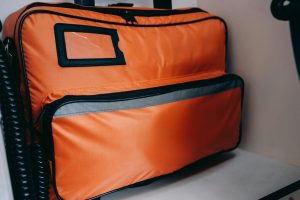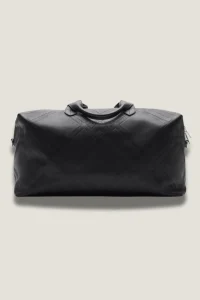

Are you ready to create a stylish accessory that’s both practical and unique? Learning how to make a hobo bag is easier than you think, and it gives you full control over the design, size, and fabric.
Imagine carrying a bag that perfectly matches your style and stands out from the crowd. In this guide, you’ll discover simple steps to craft your own hobo bag, even if you’re new to sewing. Keep reading, and by the end, you’ll have a one-of-a-kind bag made by your own hands.
Let’s get started!
Materials Needed
Making a hobo bag requires specific materials to help you sew and assemble the bag. Getting the right items makes the process easier and the bag stronger.
Below are important materials that you will need to start making your hobo bag.
Fabric Choices
Choosing the right fabric is key for a durable and stylish hobo bag. Pick a fabric that suits your style and use.
- Cotton canvas is strong and easy to sew.
- Denim offers durability and a casual look.
- Linen is lightweight but less sturdy.
- Leather or faux leather adds a classic touch.
- Heavyweight nylon is good for water resistance.
Essential Tools
You need some basic tools to cut, sew, and shape the bag. Having the right tools saves time and helps make neat work.
- Sewing machine or needle for hand sewing
- Fabric scissors for clean cuts
- Measuring tape or ruler to measure fabric
- Pins or clips to hold fabric pieces together
- Chalk or fabric marker to draw patterns
- Thread that matches or contrasts your fabric
- Iron to press seams and fabric
Optional Accessories
These extra items can add style and function to your hobo bag. They are not required but can improve your bag’s look.
- Zippers for secure pockets or closures
- Magnetic snaps or buttons for easy opening
- Decorative patches or embroidery for style
- Bag lining fabric for a neat inside finish
- Strap hardware like rings or sliders
- Interfacing for extra fabric stiffness
Preparing The Fabric
Preparing the fabric is the first step to making a hobo bag. Careful preparation helps in cutting and sewing the pieces accurately.
Good fabric preparation makes the sewing process smoother and the finished bag look neat and durable.
Measuring And Cutting
Measure your fabric pieces carefully before cutting. Use a ruler or measuring tape for accuracy.
- Place the fabric on a flat surface.
- Use chalk or fabric marker to mark measurements.
- Double-check all measurements to avoid mistakes.
- Cut along the marked lines with sharp fabric scissors.
- Keep all cut pieces organized for easy access.
Marking Seam Lines
Mark the seam lines clearly to guide your sewing. This ensures the bag’s shape is correct.
| Tool | Purpose |
|---|---|
| Tailor’s chalk | Mark temporary seam lines |
| Fabric marker | Draw precise sewing guides |
| Ruler | Measure seam allowances |
| Seam gauge | Check consistent seam width |
Sewing The Main Body
Sewing the main body is a key part of making a hobo bag. This step joins the fabric pieces that form the bag’s outer shape.
Good sewing here ensures the bag is strong and holds its shape well. Take your time to sew straight and even seams.
Stitching The Panels
Start by placing the front and back panels of the bag right sides together. Align all edges carefully before sewing.
Sew along the sides and bottom edges using a straight stitch. Leave the top edge open for the bag opening.
- Use a 1/2 inch seam allowance
- Backstitch at the start and end to secure stitches
- Press seams open with an iron for a flat finish
Creating The Bag Shape
After stitching the panels, shape the bag by sewing the bottom corners. This gives the bag its roomy form.
Fold the bottom corners so the side seam meets the bottom seam. Sew across the corner to create a flat base.
- Measure about 2 inches from the corner point
- Pin the fabric to keep it in place
- Sew a straight line across the corner
- Trim excess fabric to reduce bulk

Credit: www.youtube.com
Adding The Strap
Creating a hobo bag can be a fun project. One important step is adding the strap. This guide will help you choose and attach the strap securely.
The strap is not just functional; it also adds style to your bag. Let’s explore how to choose and attach it properly.
Choosing Strap Style
The strap style influences how the bag looks and feels. Consider the weight and length when making your choice.
Think about comfort. A wide strap may be more comfortable on the shoulder. A thin strap gives a sleek look.
- Leather straps for a classic look
- Fabric straps for a casual feel
- Chain straps for a trendy style
Attaching The Strap Securely
Secure attachment ensures your bag is sturdy. Use strong materials like durable thread or rivets.
Double-check the strap’s attachment points. They should be reinforced to handle weight.
- Sew the strap with strong stitches
- Use rivets for added strength
- Test the strap by gently pulling
Finishing Touches
Finishing touches make your hobo bag look complete and stylish. These details add both function and beauty. Focus on lining, pockets, and decorative elements for the best results.
Each step helps your bag last longer and stand out. Take time to add these final features carefully for a polished look.
Adding Lining
Choose a soft fabric for the lining to protect your bag’s contents. Cut the lining to fit inside the bag perfectly. Sew it carefully along the edges to keep it secure.
- Pick a fabric like cotton or satin
- Cut the lining slightly smaller than the bag
- Sew the lining inside with neat stitches
- Press the seams flat for a smooth finish
Incorporating Pockets
Pockets keep your items organized and easy to find. Add inside or outside pockets based on your needs. Use sturdy fabric and secure stitching for strength.
| Type of Pocket | Placement | Use |
|---|---|---|
| Slip Pocket | Inside | For phone or keys |
| Zipper Pocket | Inside or Outside | For valuables |
| Patch Pocket | Outside | Quick access items |
Decorative Elements
Decorations add personality to your hobo bag. Use buttons, embroidery, or fabric paint. Choose styles that match your bag’s look.
- Attach colorful buttons in patterns
- Use fabric paint to create designs
- Sew on patches or appliques
- Add tassels or charms to straps

Credit: www.youtube.com
Care And Maintenance Tips
Taking care of your hobo bag helps it last longer. Proper cleaning and storage keep it looking good.
Simple care steps can protect your bag from damage. Follow these tips to maintain its shape and color.
Cleaning Your Hobo Bag
Always check the bag’s material before cleaning. Use a soft cloth to wipe dust and dirt gently.
For fabric bags, use mild soap and water for spot cleaning. Avoid soaking the entire bag.
- Use a damp cloth for leather bags
- Let the bag air dry away from sunlight
- Test any cleaner on a small area first
- Do not use harsh chemicals or bleach
Storage Suggestions
Store your hobo bag in a cool, dry place. Avoid areas with direct sunlight or high humidity.
Keep the bag’s shape by stuffing it with tissue paper or soft fabric. This prevents wrinkles and creases.
- Use a dust bag or pillowcase to cover the bag
- Do not hang the bag by its straps for long periods
- Keep away from sharp objects that can scratch the surface
- Check the bag regularly to avoid mold or mildew

Credit: www.youtube.com
Frequently Asked Questions
What Materials Are Needed To Make A Hobo Bag?
To make a hobo bag, you’ll need fabric, lining, a zipper, thread, and a strap. Choose durable, stylish fabric like leather or canvas for a lasting bag.
How Long Does It Take To Sew A Hobo Bag?
Sewing a hobo bag typically takes 2 to 4 hours. This depends on your sewing skills and the bag’s complexity.
Can Beginners Make A Hobo Bag Easily?
Yes, beginners can make a hobo bag with simple patterns. Start with basic shapes and follow step-by-step instructions for best results.
What Sewing Tools Are Essential For A Hobo Bag?
Essential tools include a sewing machine, scissors, pins, measuring tape, and needles. These help create clean, precise seams and a professional finish.
Conclusion
Making a hobo bag is simple and fun. You can choose your favorite fabric and colors. Follow the steps carefully, and sew each part with care. This bag is both stylish and useful for daily use. Enjoy carrying a bag you made by yourself.
Try different designs to create unique looks. Crafting your own bag saves money and shows your creativity. Keep practicing, and your skills will improve quickly. Handmade bags bring pride and joy every time you use them. Start your project today and see the results!