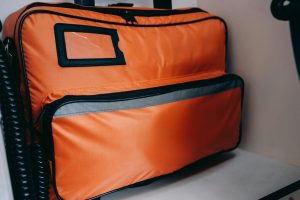
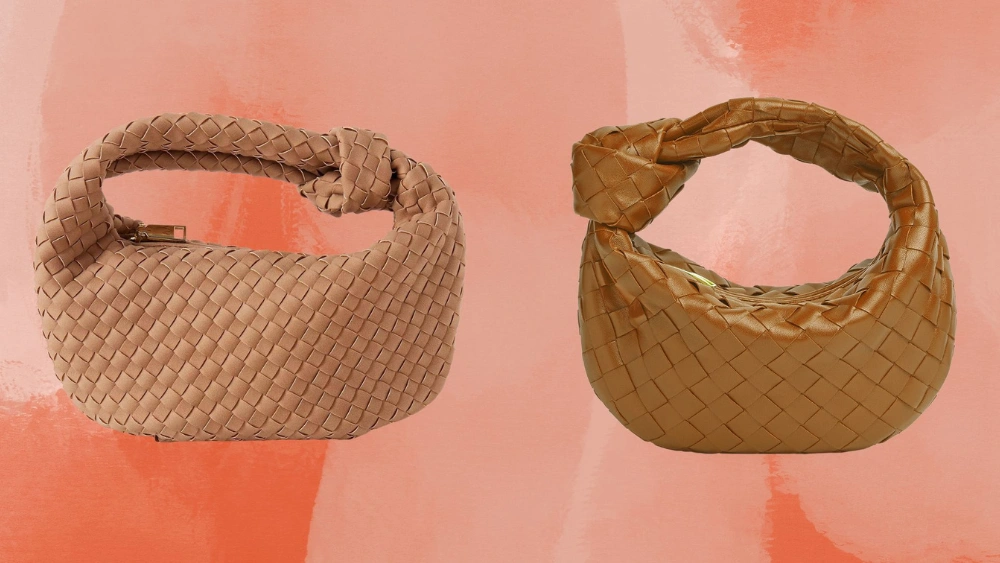
Have you ever wanted a stylish bag that’s uniquely yours? Making a fabric satchel bag is easier than you think, and it gives you the chance to create something both practical and personal.
Imagine carrying a bag designed by you, with the colors and patterns you love. In this guide, you’ll discover simple steps to make your own fabric satchel bag, even if you’ve never sewn before. Ready to turn fabric into a favorite accessory?
Keep reading, and let’s get started!

Credit: creativefashionblog.com
Choosing The Right Fabric
Picking the right fabric is important for making a fabric satchel bag. The fabric affects the bag’s look, feel, and strength.
Different fabrics work best for satchels. Choosing one that fits your style and needs helps you create a useful bag.
Best Fabrics For Satchels
Cotton canvas is a popular choice. It is strong and easy to sew. Canvas holds shapes well and is lightweight.
Denim is another good fabric. It is tough and gives a casual look. Denim satchels can handle daily use.
- Linen offers a natural, textured look but is less durable.
- Leather or faux leather adds style and strength but needs special tools to sew.
- Waxed cotton is water-resistant and good for outdoor bags.
Fabric Durability And Care
Durability is key for a satchel. Choose fabrics that resist wear and tear well. Strong stitching also helps.
Some fabrics need special care. Canvas and denim can be machine washed. Leather needs cleaning with a damp cloth.
- Cotton canvas: Durable and easy to clean.
- Denim: Strong but may fade over time.
- Leather: Long-lasting but avoid water and heat.
- Linen: Delicate, best for light use.
- Waxed cotton: Water-resistant, wipe clean only.

Credit: creativefashionblog.com
Gathering Materials And Tools
Making a fabric satchel bag needs the right materials and tools. Getting these ready helps your project go smoothly.
This guide covers what to gather before starting your sewing. It focuses on essential supplies and extra accessories.
Essential Sewing Supplies
You need basic sewing supplies to make your fabric satchel bag. These items help you cut, sew, and finish your bag.
- Fabric: Choose a sturdy cotton or canvas fabric for durability.
- Sewing machine: Use a machine that can handle thick fabrics.
- Thread: Pick a strong polyester or cotton thread matching your fabric color.
- Scissors: Sharp fabric scissors are important for clean cuts.
- Measuring tape: Measure fabric pieces accurately for good fitting.
- Pins or clips: Hold fabric pieces together before sewing.
- Needles: Use sewing machine needles for heavy fabrics and hand needles for details.
- Chalk or fabric marker: Mark sewing lines and cutting points clearly.
- Iron and ironing board: Press fabric for smooth seams and edges.
Optional Accessories For Style
Adding accessories can make your satchel bag look unique and stylish. These are not needed but can improve your design.
- Zippers: Add a zipper for a secure closure.
- Buttons or snaps: Use for decorative or functional closures.
- Decorative patches: Sew patches to personalize your bag.
- Strap hardware: Use metal rings or sliders to adjust strap length.
- Fabric paint or stamps: Create patterns or designs on your fabric.
- Lining fabric: Add a lining inside for extra strength and neatness.
- Interfacing: Use to stiffen parts of the bag like the flap or base.
Cutting The Fabric Pieces
Cutting fabric pieces is a key part of making your satchel bag. Getting the right shapes and sizes helps the bag look neat. You need to be careful to cut exactly as planned.
Use the right tools and follow the measurements closely. This guide covers how to measure and mark fabric and tips to cut accurately.
Measuring And Marking
Start by measuring your fabric with a ruler or measuring tape. Mark the lines where you will cut using a fabric pencil or tailor’s chalk. Double-check all measurements before marking.
- Lay fabric flat on a clean surface.
- Use a straight edge to draw cutting lines.
- Mark corners and important points clearly.
- Measure twice to avoid mistakes.
- Use contrasting colors for chalk on dark fabric.
Tips For Accurate Cutting
| Tip | Why It Helps |
| Use sharp fabric scissors | Clean cuts prevent frayed edges |
| Cut on a flat surface | Fabric stays stable and straight |
| Follow marked lines slowly | Reduces mistakes and jagged edges |
| Pin layers if cutting multiple pieces | Prevents slipping during cutting |
| Keep scissors perpendicular to fabric | Ensures even edges |

Credit: creativefashionblog.com
Sewing The Main Body
Creating a fabric satchel bag is a fun and rewarding project. In this section, we will focus on sewing the main body of the bag. This involves stitching the front and back panels and creating clean seams.
With some basic sewing skills and a sewing machine, you can make a durable and stylish satchel bag. Let’s start by understanding how to stitch the front and back panels.
Stitching The Front And Back Panels
Start by cutting two identical pieces of fabric for the front and back panels. Make sure they are the same size. Place them with the right sides facing each other.
Use pins to hold the panels together. Sew along the sides and bottom edges, leaving the top open. This will form the basic shape of your satchel bag.
- Use a straight stitch for strong seams.
- Leave a half-inch seam allowance.
- Remove pins as you sew.
Creating Clean Seams
After stitching the panels, it’s important to finish the seams. This will prevent the fabric from fraying and give your bag a neat look.
Press the seams open with an iron for a flat finish. You can also use a zigzag stitch or a serger to finish the edges.
- Trim excess fabric from the seams.
- Press seams with an iron for smooth edges.
- Finish seams with a zigzag stitch.
Adding The Strap
Creating a fabric satchel bag is a fun project. The strap is a key part of this bag.
In this guide, you’ll learn how to choose and attach the strap securely.
Choosing Strap Length
The strap length determines how the bag will hang. Consider the user’s height and style preference.
- Measure from the shoulder to the hip for a crossbody style.
- For a shoulder bag, measure from the shoulder to just above the hip.
- Add an extra 5 inches for adjustments.
Attaching The Strap Securely
Secure attachment is crucial to ensure the strap holds well. Use strong stitching techniques for durability.
| Material | Stitch Type |
| Cotton | Double Stitch |
| Nylon | Box Stitch |
| Leather | Cross Stitch |
Incorporating Pockets And Details
Adding pockets and details makes a fabric satchel bag more useful and stylish. Pockets help keep small items organized and easy to find.
Details like stitching and trims add character and personalize your bag. These touches make your bag unique and practical.
Simple Pocket Designs
Simple pockets are easy to sew and very useful. You can add flat or patch pockets inside or outside your satchel.
Flat pockets keep the bag slim, while patch pockets add extra space and style.
- Sew a rectangular patch pocket on the front panel
- Add a small zippered pocket inside for valuables
- Use contrasting fabric for a fun look
- Topstitch the edges for strength and style
Adding Decorative Elements
Decorative elements make your bag stand out. Use buttons, embroidery, or fabric trims to add interest.
Keep decorations simple to match the bag’s style and keep it practical.
- Attach wooden or metal buttons on the flap
- Use embroidery to add patterns or initials
- Sew lace or ribbon along the edges
- Add fabric patches with fun shapes
Finishing Touches
Finishing touches make your fabric satchel bag look neat and last longer. These steps help the bag keep its shape and look polished.
In this section, we focus on hemming, edge finishes, pressing, and shaping. These simple tasks improve your bag’s final look.
Hemming And Edge Finishes
Hemming the edges stops the fabric from fraying. Fold the raw edges inside and sew them neatly. Use a straight stitch for a clean finish.
You can also use special edge finishes like bias tape or serging. These protect the edges and add a nice detail to your bag.
- Fold edges twice for a strong hem
- Sew close to the folded edge for neatness
- Use bias tape to cover raw edges
- Serging trims and seals edges quickly
Pressing And Shaping The Bag
Pressing the bag with an iron helps set the seams flat. Use the right heat setting for your fabric to avoid damage.
Shaping your bag by folding and pressing gives it a clean look. Press the corners and edges to create sharp lines.
- Press seams open for a flat finish
- Use a pressing cloth to protect fabric
- Shape corners by folding and pressing firmly
- Press straps to keep them smooth and flat
Care Tips For Your Satchel
Keeping your fabric satchel bag clean and well-maintained helps it last longer. Proper care also keeps it looking fresh and stylish.
Follow simple steps to clean and store your bag correctly. This protects the fabric and keeps the shape intact.
Cleaning And Maintenance
Remove dirt and stains quickly to avoid damage. Use a soft brush or cloth to clean the surface gently.
Spot clean with mild soap and cold water. Avoid soaking the fabric or using harsh chemicals.
- Use a damp cloth for light stains
- Blot stains instead of rubbing
- Air dry your satchel after cleaning
- Apply fabric protector spray for extra protection
Storage Suggestions
Store your satchel in a cool, dry place away from sunlight. This helps prevent fading and fabric damage.
Keep the bag stuffed with tissue paper to hold its shape. Avoid hanging the bag to prevent stretching.
- Use a dust bag or pillowcase for storage
- Keep away from damp areas to avoid mold
- Store upright on a shelf or in a drawer
- Check and air out the bag regularly
Frequently Asked Questions
What Materials Do I Need To Make A Fabric Satchel Bag?
You need durable fabric, lining, interfacing, thread, a zipper or buttons, and sewing tools. Choose fabric that’s strong and easy to sew, like canvas or cotton.
How Long Does It Take To Sew A Fabric Satchel Bag?
On average, it takes 2 to 4 hours to complete a basic fabric satchel bag. Time varies with skill level and bag complexity.
Can Beginners Easily Make A Fabric Satchel Bag?
Yes, beginners can make a fabric satchel bag. Follow a simple pattern and use clear instructions for best results.
How Do I Add Adjustable Straps To My Fabric Satchel Bag?
Use strap hardware like sliders and rings. Sew straps securely and thread them through hardware to adjust length.
Conclusion
Making a fabric satchel bag is simple and fun. You need just a few materials and steps. Sewing the pieces together carefully creates a strong bag. This project helps improve your sewing skills little by little. Carry your new satchel with pride every day.
Try different fabrics and colors for unique looks. Enjoy the feeling of making something useful yourself. Keep practicing to make even better bags next time. Creativity and patience bring great results. Start your next sewing project soon!