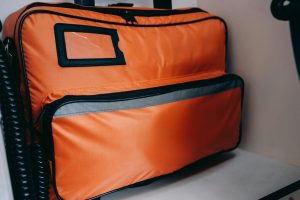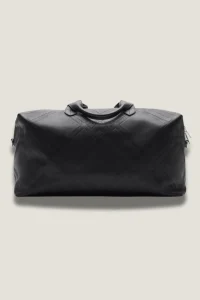

Are you ready to create a stylish crossbody bag that fits your style and needs perfectly? Making your own bag might seem tricky, but it’s easier than you think.
Imagine having a unique accessory that turns heads and holds everything you need, made by your own hands. In this guide, you’ll discover simple steps to craft a crossbody bag from start to finish. By the end, you’ll not only save money but also enjoy the pride of wearing something truly yours.
Let’s dive in and make your dream bag a reality!
Materials Needed
Making a crossbody bag is simple with the right materials. Getting the right fabric and tools helps your project go smoothly.
This guide lists what you need to start your crossbody bag. Each section covers important items to gather before you begin.
Fabric Choices
Choose a fabric that is strong and looks nice. Cotton canvas, denim, or faux leather works well. Pick a fabric that fits your style and use.
- Cotton canvas: Durable and easy to sew
- Denim: Strong and casual
- Faux leather: Stylish and sturdy
- Linen: Lightweight but less durable
- Quilting cotton: Good for light use bags
Essential Tools
| Tool | Purpose |
| Sewing machine | Stitch fabric pieces together |
| Fabric scissors | Cut fabric cleanly |
| Measuring tape | Measure fabric and straps |
| Pins or clips | Hold fabric while sewing |
| Iron | Press seams flat |
| Thread | Match fabric color |
Optional Accessories
You can add extra parts to your bag for style or function. These are not required but can improve your bag’s look and use.
- Zippers for secure pockets
- Magnetic snaps for easy closing
- Decorative buttons or patches
- Adjustable strap hardware
- Interfacing to add stiffness

Credit: www.youtube.com
Design Planning
Planning your crossbody bag design helps create a useful and stylish item. Focus on size, strap style, and pockets to match your needs.
Good planning saves time and materials. Think about how you will use the bag daily.
Choosing Bag Size
Select a size that fits your essentials without being too bulky. Small bags suit light carry, while larger ones hold more items.
- Small: holds phone, wallet, keys
- Medium: adds a small notebook or tablet
- Large: fits books, water bottle, and more
Selecting Strap Style
The strap affects comfort and look. Choose from adjustable, chain, or woven straps to suit your style and use.
| Strap Type | Comfort | Style |
| Adjustable | High | Casual |
| Chain | Medium | Elegant |
| Woven | High | Boho |
Adding Pockets
Pockets add organization to your bag. Decide how many and what size suits your needs.
- Inside zip pocket for valuables
- Open slip pocket for phone or cards
- Exterior pocket for quick access
Cutting Fabric
Cutting fabric is the first step in making your crossbody bag. You need to cut the fabric carefully to get the right shapes and sizes.
Good cutting helps the bag look neat and last longer. Use sharp tools and take your time.
Measuring And Marking
Start by measuring your fabric pieces with a ruler or measuring tape. Check the pattern sizes twice before you mark anything.
Mark the fabric with a pencil or tailor’s chalk. Use light marks that you can see but will not show on the finished bag.
- Measure twice to avoid mistakes
- Mark all edges clearly
- Use a ruler for straight lines
- Mark seam allowances if needed
Cutting Tips
Use sharp fabric scissors or a rotary cutter for clean cuts. Dull tools can cause jagged edges or frayed fabric.
Cut on a flat surface to keep fabric steady. Avoid lifting the fabric while cutting to keep lines straight.
- Cut slowly and carefully
- Keep scissors perpendicular to fabric
- Use weights to hold fabric down
- Follow marked lines exactly

Credit: www.youtube.com
Sewing The Pieces
Sewing the pieces of a crossbody bag brings the design to life. Careful stitching ensures the bag is strong and neat.
Follow clear steps to join the fabric parts. This guide covers main body, lining, and strap sewing.
Assembling The Main Body
Start by joining the front, back, and side panels. Pin the pieces with right sides together to keep edges aligned.
Sew along the edges using a straight stitch. Leave the top open for adding the lining later.
- Place front and side panel right sides together and sew
- Attach back panel to the side panel with right sides facing
- Sew bottom edges to complete the main body shape
- Press seams open for a flat finish
Attaching The Lining
Cut the lining pieces the same size as the main body. Sew the lining sides and bottom just like the main body.
Place the lining inside the main body with wrong sides together. Pin at the top edge to hold it in place.
- Sew lining pieces together along sides and bottom
- Insert lining into main body, matching seams
- Pin lining and main body edges at the top
- Sew around the top edge to join lining and main body
- Leave a small gap for turning the bag right side out
Creating The Strap
Cut two long fabric strips for the strap. Place them right sides together and sew along the long edge.
Turn the strap right side out and press it flat. Attach hardware if desired before sewing the strap to the bag.
- Sew fabric strips right sides together, leaving ends open
- Turn strap right side out using a turning tool or safety pin
- Press strap flat with an iron for a neat look
- Attach D-rings or clasps if needed
- Sew strap ends securely to the bag’s sides
Adding Finishing Touches
Adding finishing touches to your crossbody bag makes it unique. These small details improve both function and style.
Let’s explore how to install closures, add decorations, and adjust the strap length.
Installing Zippers Or Closures
A zipper or closure keeps your items secure inside the bag. Choose a color that matches your fabric for a seamless look.
- Mark where the zipper will be placed.
- Use a sewing machine to attach the zipper.
- Test the zipper to ensure it works smoothly.
Decorative Elements
Decorative elements add flair to your bag. You can use patches, pins, or embroidery to personalize your bag.

Adjusting Strap Length
Adjusting the strap length ensures the bag sits comfortably on your body. Measure the strap to your desired length before securing it.
| Bag Type | Recommended Strap Length |
| Small Crossbody | 45 inches |
| Medium Crossbody | 50 inches |
| Large Crossbody | 55 inches |
Care And Maintenance
Keeping your crossbody bag clean and well-stored helps it last longer. Proper care keeps its shape and color.
Follow simple steps to clean and store your bag safely. This guide covers easy cleaning tips and storage advice.
Cleaning Tips
Clean your crossbody bag regularly to avoid dirt buildup. Use gentle methods based on the bag’s material.
- Use a soft cloth to wipe the surface after each use.
- Spot clean stains with mild soap and water.
- For leather bags, apply a leather conditioner once every few months.
- Avoid soaking the bag or using harsh chemicals.
- Let the bag air dry naturally away from direct sunlight.
Storage Advice
Store your crossbody bag carefully to keep its shape and protect it from damage. Use the right methods for best results.
| Storage Tip | Reason |
| Keep the bag in a dust bag or pillowcase | Prevents dust and dirt buildup |
| Stuff the bag with tissue paper or fabric | Maintains the bag’s shape |
| Store in a cool, dry place | Avoids mold and mildew |
| Keep away from direct sunlight | Prevents fading and cracking |
| Hang the bag by its strap or lay it flat | Prevents strap stretching and deformation |
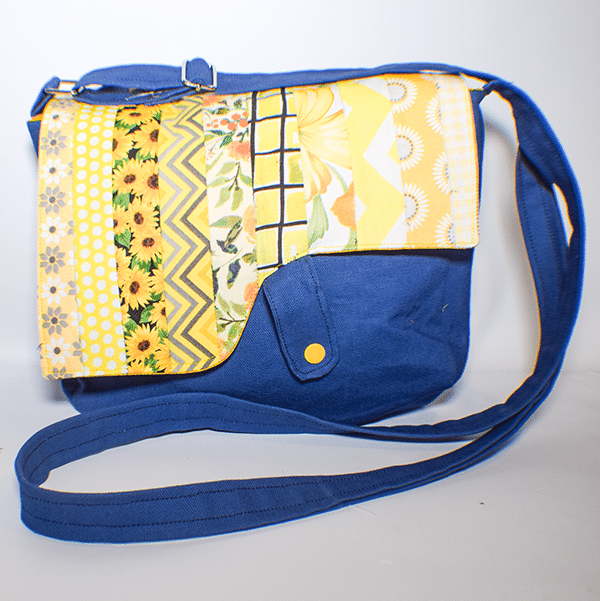
Credit: sewverycrafty.com
Frequently Asked Questions
What Materials Are Best For Making A Crossbody Bag?
The best materials include leather, canvas, and faux leather. Choose durable, lightweight fabrics for comfort and style. Waterproof materials add extra protection. Select materials based on your bag’s intended use and personal preference for a perfect crossbody bag.
How Do I Measure Fabric For A Crossbody Bag?
Measure the main body, strap, and lining separately. Add extra inches for seams and hems. Accurate measurements ensure your bag fits well and looks professional. Use a ruler or measuring tape for precision before cutting your fabric.
What Tools Are Needed To Make A Crossbody Bag?
Essential tools include scissors, sewing machine, needles, pins, and measuring tape. You’ll also need thread, fabric chalk, and a strap buckle. Having the right tools makes sewing easier and ensures a polished final product.
How Long Does It Take To Make A Crossbody Bag?
Making a crossbody bag typically takes 2 to 4 hours. Time depends on your sewing skills and design complexity. Beginners may take longer, while experienced crafters finish faster. Practice improves speed and quality.
Conclusion
Making a crossbody bag can be simple and fun. You only need basic tools and some fabric. Follow each step carefully to create a bag you love. Practice will help you improve your skills. This project lets you personalize your style and save money.
Try different colors and shapes to find what suits you best. Enjoy the process and wear your handmade bag proudly. Crafting your own bag brings a sense of pride and joy. Give it a try and see how rewarding it feels.