If you’re heading out on a backpacking trip, knowing how to hang your food bag can make all the difference. Properly hanging your food keeps it safe from curious wildlife and helps you enjoy a worry-free night.
But if you’ve never done it before, the whole process might seem tricky or confusing. Don’t worry—you’re about to learn simple, effective steps that anyone can follow. Keep reading, and you’ll discover how to protect your food, stay safe, and make your backpacking experience much smoother.

Credit: www.amazon.com
Choosing The Right Spot
Hanging your food bag properly keeps animals away. Picking the right spot is very important. It helps protect your food and keeps you safe.
Look for a spot that is safe, easy to reach, and far from your sleeping area. Use these tips to find the best place.
Finding A Suitable Tree
Choose a strong tree with sturdy branches. The branch should be about 12 feet high and 6 feet away from the trunk. This keeps animals from reaching your food.
Look for healthy trees. Avoid dead branches that can break. Make sure the tree is tall enough to hang your bag out of reach.
- Strong, healthy tree
- Branch 12 feet high
- Branch 6 feet from trunk
- No dead or weak branches
- Tall enough for hanging bag
Distance From Campsite And Trail
Hang your food bag at least 100 feet from your tent. This stops animals from coming near your sleeping area. It also keeps your campsite clean and safe.
Keep the bag away from trails. Animals use trails often. Hanging food too close may attract them to people. Pick a quiet spot away from busy paths.
- Minimum 100 feet from tent
- Far from trails and paths
- Choose quiet, less-used areas
- Helps keep animals away from campsite
Avoiding Hazards
Check the area for dangers before hanging your bag. Avoid spots under dead branches or near beehives. Falling branches can hurt you or damage your food.
Do not hang your bag near water sources. This can attract animals and insects. Also, avoid areas with sharp rocks or steep slopes for safety.
- No dead or loose branches overhead
- Away from beehives or insect nests
- Not near water sources
- Safe ground without sharp rocks
- Avoid steep or slippery areas
Preparing Your Food Bag
Proper preparation of your food bag helps keep animals away. It also protects your food from moisture and dirt. Organizing your food bag well makes hanging easier and safer.
This guide covers using bear-resistant containers, sealing food properly, and organizing gear for hanging. Follow these tips for a safer backpacking trip.
Using Bear-resistant Containers
Bear-resistant containers are sturdy and lock securely. They stop bears and other animals from getting your food. Choose containers approved by park authorities if possible.
Keep these points in mind when using bear-resistant containers:
- Pack all food and scented items inside the container
- Close the lid tightly to avoid smells escaping
- Attach the container to your pack for easy access while hiking
- Use a carabiner or strap to hang the container if needed
Sealing Food Properly
Seal your food to keep it fresh and avoid leaks. Proper sealing also reduces odors that attract animals. Use airtight bags or vacuum sealers for best results.
| Sealing Method | Benefits | Tips |
|---|---|---|
| Vacuum Sealing | Removes air, keeps food fresh longer | Use a good vacuum sealer and strong bags |
| Ziplock Bags | Easy to use and lightweight | Remove excess air before sealing |
| Double Bagging | Extra protection against leaks and odors | Use two bags for wet or greasy food |
Organizing Gear For Hanging
Organize your gear to make hanging your food bag easier. Group items by weight and shape. Keep heavy items on the bottom to balance the bag.
- Place food items in a single bag or container
- Attach a small rope or cord to the bag for hanging
- Use a stuff sack to keep things tidy and compact
- Keep cooking gear separate to avoid damage
Basic Hanging Techniques
Hanging a food bag while backpacking keeps your food safe from animals. It also helps keep your campsite clean and free of unwanted visitors.
There are simple ways to hang your food bag that work well in the forest. Learning these techniques helps protect your food and makes your trip safer.
The Classic Bear Hang
The classic bear hang is the most common way to hang a food bag. It uses a rope to suspend the bag from a tree branch out of reach of animals.
Find a strong tree with a branch about 12 feet high. Throw the rope over the branch, tie your food bag, and pull the rope tight to lift the bag.
- Choose a branch at least 12 feet high
- Throw the rope over the branch
- Tie your food bag securely to the rope
- Pull the rope tight to lift the bag off the ground
Using A Rope And Carabiner
A carabiner makes hanging easier and faster. It helps attach the food bag to the rope with a simple clip instead of complicated knots.
Clip the carabiner to your bag’s loop. Use the rope to lift the bag and secure the rope with a knot. The carabiner lets you quickly hang and remove your bag.
- Attach a carabiner to your food bag
- Throw the rope over the branch
- Clip the carabiner to the rope
- Tighten the rope to lift the bag
- Secure the rope with a strong knot
Adjusting Height And Distance
Height and distance from camp matter for safety. Hang your bag high enough so animals cannot reach it.
Keep the bag at least 6 feet away from the tree trunk or branches. This stops animals from climbing and grabbing the food.
- Hang the bag at least 12 feet high
- Keep it 6 feet away from the tree trunk
- Make sure it is 6 feet from the ground horizontally
- Check if the bag swings freely without touching the tree
Advanced Hanging Methods
Hanging a food bag properly keeps animals away and protects your food. Advanced methods help when trees are scarce or tricky to use.
These techniques need some skill but work well in difficult spots. Learning them improves your backpacking safety.
The Pct Method
The PCT method uses a strong rope and two trees close together. It creates a clothesline to hang your food bag away from animals.
Throw the rope over a high branch on each tree. Tie the ends tight. Hang the bag in the middle, at least 10 feet off the ground.
- Find two trees about 12 feet apart
- Throw rope over high branches on both trees
- Tighten rope so it is level and strong
- Hang food bag in the center, 10 feet high
- Keep bag 4 feet from tree trunks
The Counterbalance Method
This method balances your food bag with a heavy rock or stick. It works if you have only one tree or a low branch.
Tie your food bag to one end of the rope. Attach a heavy object on the other end. Throw the heavy end over the branch and let it hang.
- Use a strong rope and a heavy weight
- Tie food bag to one end
- Attach rock or stick to the other end
- Throw weighted end over a branch
- Pull food bag up and secure rope
Using A Throw Bag
A throw bag helps place the rope over high branches. It is a small sack with a rope inside. You throw it like a ball to reach branches.
Once the rope is over the branch, pull it tight and hang your food bag. This tool makes it easier to hang bags when branches are far.
- Use a throw bag with a strong rope
- Throw the bag over a high branch
- Pull rope until it is tight
- Secure rope and hang your food bag
- Check that bag is 10 feet off the ground
Common Mistakes To Avoid
Hanging a food bag while backpacking keeps animals away from your supplies. Doing it right is important for safety and food protection.
Many people make simple mistakes when hanging their food bags. Avoiding these errors helps keep your food safe and your trip worry-free.
Hanging Too Low Or Too Close
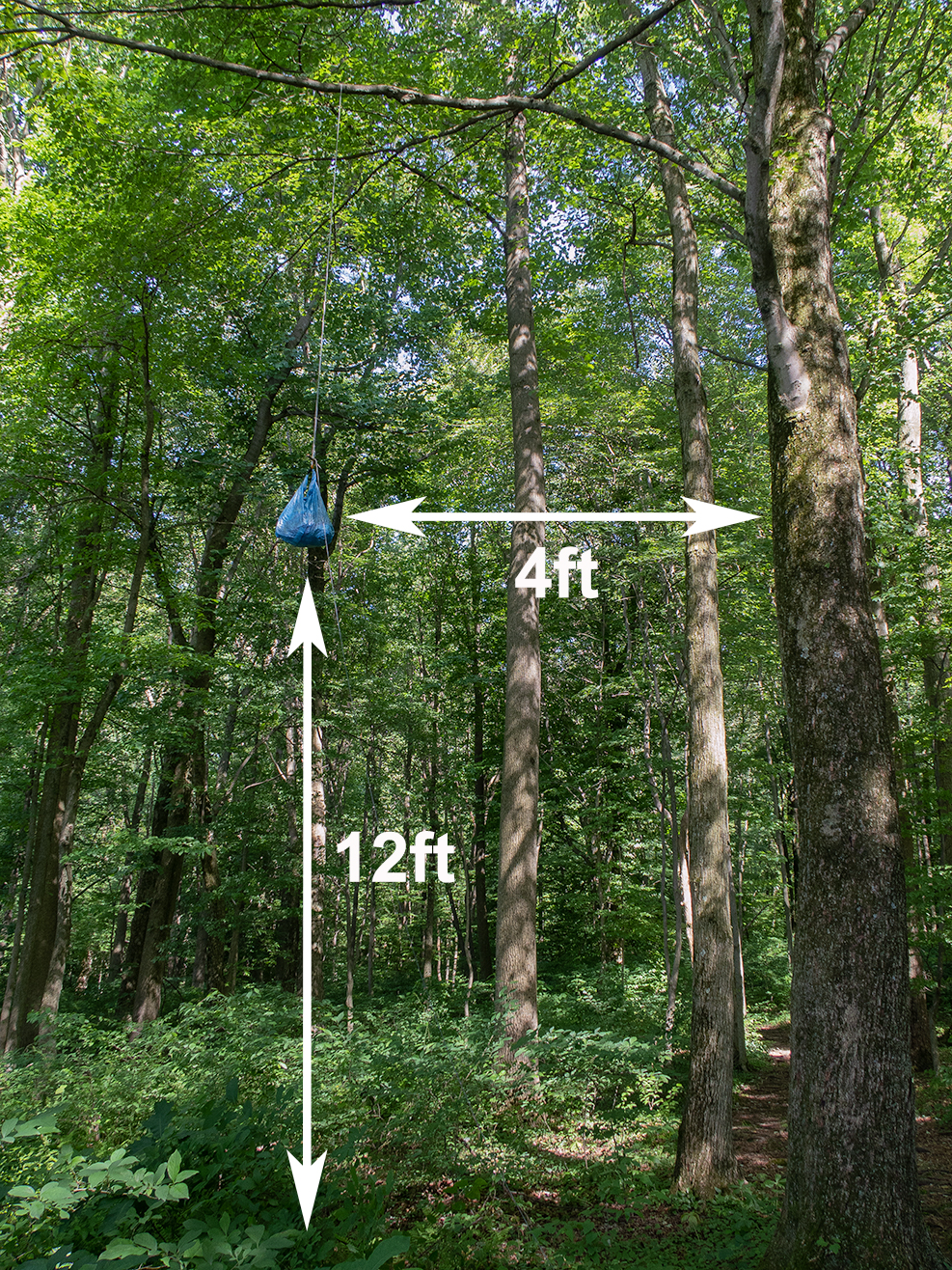
Hanging your food bag too low or too close to your campsite can let animals reach it easily. Bears and other wildlife can climb trees or grab low bags.
The bag should hang at least 10 feet off the ground and 4 feet away from the tree trunk. This distance makes it hard for animals to get your food.
- Keep the bag 10 feet high to avoid climbing animals
- Hang it 4 feet away from the trunk to prevent reaching
- Check the bag’s position before you leave your camp
Using Weak Or Damaged Ropes
Using ropes that are weak or have damage can cause your food bag to fall. This can attract animals and spoil your food.
Always use strong ropes made for outdoor use. Inspect your ropes for cuts, frays, or wear before hanging your bag.
- Choose ropes with a high weight rating
- Check for any damage before use
- Replace old or worn ropes promptly
Ignoring Local Regulations
Many parks and wilderness areas have rules about hanging food bags. Ignoring these rules can cause fines or unsafe situations.
Learn the local rules before your trip. Some places require bear canisters or have special hanging methods to follow.
- Check park websites for food storage rules
- Use approved hanging techniques or containers
- Ask rangers for advice if unsure
Credit: intothebackcountryguides.com
Alternatives To Hanging
Hanging your food bag is a common way to keep wildlife away. Sometimes, hanging is not an option. You may need other ways to store your food safely while backpacking.
This guide covers three alternatives to hanging food bags. Learn about bear canisters, bear lockers, and odor-proof bags. Each method helps protect your food and reduce animal encounters.
Bear Canisters
Bear canisters are hard plastic containers. They keep food safe from bears and other animals. You place your food inside and seal the canister tightly. It is a strong barrier that animals cannot open.
- Made from durable materials
- Easy to carry and pack
- Required in many national parks
- Keep smells locked inside
- Must be placed on the ground, not hung
Bear Lockers
Bear lockers are metal boxes at some campsites. They offer a secure place to store food and scented items. You simply place your items inside and lock the door. These lockers are bear-proof and help reduce wildlife visits.
| Feature | Details |
|---|---|
| Location | Campgrounds and trailheads |
| Material | Heavy-duty metal |
| Capacity | Large enough for several days of food |
| Access | Lock with user-provided padlock or built-in lock |
| Benefits | Strong protection, easy to use |
Odor-proof Bags
Odor-proof bags help keep food smells contained. They reduce the chance of attracting animals. These bags are made from special materials that block odors. They are lightweight and easy to pack.
- Double-bag to improve odor control
- Store bags inside your backpack away from your sleeping area
- Use them with a bear canister for extra safety
- Clean bags regularly to avoid lingering smells
Tips For Bear Safety
Ensuring bear safety is crucial during backpacking trips. Knowing how to hang a food bag can keep you and the bears safe.
Follow these tips to reduce risks and enjoy a peaceful camping experience.
Keeping Campsite Clean
A clean campsite is less likely to attract bears. Dispose of waste properly and keep the area tidy.
- Pack out all trash
- Use bear-proof containers
- Wash dishes away from sleeping areas
Storing Food Away From Sleeping Area
Always store food at least 100 meters from your tent. This distance helps keep bears away from where you sleep.
Consider using a bear hang method:
- Find a tree branch 4 meters high
- Hang the bag 2 meters from the trunk
- Ensure it is 3 meters off the ground
Responding To Bear Encounters
Knowing how to react if you see a bear is important. Stay calm and assess the situation.
| Action | Response |
| Bear is distant | Back away slowly |
| Bear approaches | Make noise, appear large |
| Bear charges | Use bear spray |
Credit: savagecamper.com
Frequently Asked Questions
How High Should I Hang A Food Bag Backpacking?
Hang your food bag at least 12 feet off the ground. It should be 6 feet away from the tree trunk. This height prevents animals from reaching your food while keeping it safe and accessible.
What Materials Are Best For Hanging A Food Bag?
Use a sturdy, lightweight rope or cord for hanging food bags. Nylon or paracord ropes are ideal. They are strong, durable, and easy to handle, ensuring your food stays secure and away from wildlife.
How Far From The Campsite Should I Hang The Food Bag?
Hang your food bag at least 100 feet from your campsite. This distance helps reduce animal encounters. It keeps your sleeping area safe from curious wildlife attracted to food scents.
Can I Hang A Food Bag Without Trees?
Yes, use a bear canister or a portable food hoist system if no trees are available. Alternatively, hang your bag from a sturdy pole or rock outcrop to keep food secure and animals away.
Conclusion
Hanging a food bag keeps your food safe from animals. Choose a strong tree branch at least 10 feet off the ground. Use a sturdy rope and secure the bag tightly. Make sure the bag hangs away from the trunk.
Check the bag often to keep it secure. With practice, hanging a food bag becomes easy and fast. Protect your food, enjoy your hike, and stay safe outdoors. Simple steps make a big difference on your backpacking trip.