
Packing your tent and sleeping bag into a 50L backpack might sound tricky, but it doesn’t have to be. If you’ve struggled with fitting all your gear without making your pack heavy or bulky, this guide is for you.
You’ll learn simple, practical tips to organize your essentials efficiently. By the end, you’ll know exactly how to maximize space and keep your backpack comfortable for any adventure. Ready to make packing easier and stress-free? Let’s dive in!

Credit: www.reddit.com
Choosing The Right Backpack
Picking the right backpack is key to fitting your tent and sleeping bag. A 50L backpack offers a good balance of space and comfort.
This size works well for trips where you need to carry shelter and sleep gear without extra bulk.
Benefits Of A 50l Capacity
A 50L backpack holds enough for a tent, sleeping bag, and some extras. It is not too big or heavy for hiking.
This size helps keep your load manageable and your pack light.
- Fits medium to large tents and sleeping bags
- Allows room for clothes and food
- Light enough to carry all day
- Fits most backpack frames comfortably
Key Features To Look For
Look for features that help organize and protect your gear inside the backpack.
These features also make packing and unpacking easier on the trail.
- Multiple compartments and pockets for better organization
- Compression straps to keep the load tight and stable
- Durable, water-resistant materials to protect your gear
- Padded back and shoulder straps for comfort
- External loops or straps to carry bulky items like a sleeping pad
- Easy access openings to reach gear quickly
Credit: pangolinswithpacks.com
Selecting A Compact Tent
Fitting a tent and sleeping bag into a 50L backpack needs careful planning. Choosing a compact tent helps save space and weight. This guide covers key points for picking a tent that fits well.
A small, lightweight tent means you have more room for other gear. It also makes your backpack easier to carry on long trips.
Lightweight Tent Options
Look for tents made for backpackers. These tents are designed to be light and small. Many weigh less than 3 pounds and pack down small.
Single-wall tents use less material and weigh less. They may be less breathable but save space. Double-wall tents are heavier but offer better ventilation.
- Ultralight backpacking tents weigh around 1 to 3 pounds
- Single-wall tents reduce weight but may cause condensation
- Double-wall tents weigh more but improve comfort
- Look for tents with a small packed size to fit your backpack
Tent Materials And Design
Tent materials affect weight and durability. Lightweight nylon and polyester fabrics are common. Ripstop nylon is strong and resists tears. Silicone-coated fabrics add water resistance.
The tent design also matters. Freestanding tents are easy to set up and move. They pack tight and fit well in backpacks. Some tents use trekking poles for support, saving weight.
- Nylon and polyester fabrics balance weight and strength
- Ripstop fabric prevents rips and tears
- Silicone or polyurethane coating improves water resistance
- Freestanding tents are simple to pitch and pack
- Trekking pole tents reduce the need for extra poles
Picking The Best Sleeping Bag
Fitting a tent and sleeping bag in a 50L backpack needs smart choices. Your sleeping bag should be small and light.
Choosing the right sleeping bag helps save space and keeps you warm during camping trips.
Types Of Sleeping Bags
Sleeping bags come in many types. Each type fits different needs and packing sizes.
- Mummy bags are tight and warm. They save space well.
- Rectangular bags are roomy but bigger to pack.
- Semi-rectangular bags balance space and comfort.
- Double bags fit two people but are large.
Mummy bags are best for small backpacks like 50L. They compress easily and keep heat well.
Compression And Size Considerations
Check how much your sleeping bag compresses when packed. Compression bags help reduce size.
Look at weight and packed volume. A lighter, smaller bag fits better in a 50L backpack with your tent.
- Use compression sacks to shrink the bag.
- Choose down-filled bags for better compression.
- Synthetic bags are bulkier but dry faster.
- Test packing your bag before trips to save space.

Credit: www.reddit.com
Packing Techniques For Space Optimization
Packing a tent and sleeping bag in a 50L backpack takes smart planning. Using space well helps carry more gear without extra weight.
Good packing saves space and keeps your items safe and easy to reach. Use these tips to fit your gear efficiently.
Rolling Vs. Folding
Rolling your tent and sleeping bag usually saves more space than folding. It also reduces wrinkles and makes items easier to pack.
Folding is faster but can leave bulky layers. Rolling creates a tight, compact shape that fits better in a backpack.
- Roll tightly from one end to the other
- Fold only if items are stiff or bulky
- Use both methods to test which fits best
Using Compression Sacks
Compression sacks help reduce the size of your tent and sleeping bag. They squeeze out air to save space and protect your gear from moisture.
Choose sacks with adjustable straps. Tighten them after placing your rolled items inside to make the pack smaller and denser.
- Pick the right size sack for each item
- Remove extra air by pressing down firmly
- Secure straps to keep the sack compressed
Layering Strategies
Layering your tent and sleeping bag inside the backpack helps balance weight and saves space. Place heavier items at the bottom for stability.
Keep frequently used items near the top or sides. Use soft items to fill gaps and prevent shifting during movement.
- Bottom layer: heavy tent parts and poles
- Middle layer: sleeping bag in compression sack
- Top and side pockets: small gear and soft items
- Fill empty spaces with clothes or pads
Organizing Tent Components
Packing a tent and sleeping bag into a 50L backpack needs smart organization. Keeping each part separate helps save space and prevents damage.
Sorting tent parts before packing makes it easier to find them later. It also keeps your backpack balanced and neat.
Separating Poles, Stakes, And Fly
Separate the tent poles, stakes, and fly before packing. Each item has a different size and shape, so keep them apart to avoid tangling.
Use small bags or pouches for the poles and stakes. Fold the fly neatly to reduce wrinkles and save space.
- Place poles in a long, thin bag
- Keep stakes in a small pouch
- Fold the fly flat and smooth
Packing The Tent Body Efficiently
Roll the tent body tightly to remove air and save space. Start from one end and roll evenly to keep it compact.
Use compression straps or a stuff sack to hold the tent body tight. This helps fit it inside your 50L backpack more easily.
- Lay tent flat and smooth out wrinkles
- Roll tightly from one end
- Secure with straps or stuff sack
- Place tent body at the bottom or side of the backpack
Integrating The Sleeping Bag
Packing your sleeping bag efficiently in a 50L backpack is crucial for space management. It ensures you have room for other essentials on your adventure.
Learn to integrate your sleeping bag using internal and external packing strategies. This will help you make the most of your backpack space.
Placement Inside The Backpack
Placing your sleeping bag inside the backpack is a common method. It keeps the bag protected from weather and ensures balance.
- Roll the sleeping bag tightly to minimize its size.
- Use a compression sack to further reduce volume.
- Place the sleeping bag at the bottom of your backpack.
- Fill in gaps around it with clothes or soft items.
Using External Attachment Points
External attachment points offer a way to carry your sleeping bag outside the backpack. This frees up internal space for other gear.
Here’s how you can use external straps effectively:
- Ensure the sleeping bag is in a waterproof sack to protect from rain.
- Attach it securely using the backpack’s external loops or straps.
- Check that the weight is evenly distributed to avoid imbalance.
Balancing Weight And Accessibility
Packing a 50L backpack requires smart planning. You need to fit your tent and sleeping bag efficiently.
Balancing weight and ensuring easy access to essentials is key. Let’s explore how to do this.
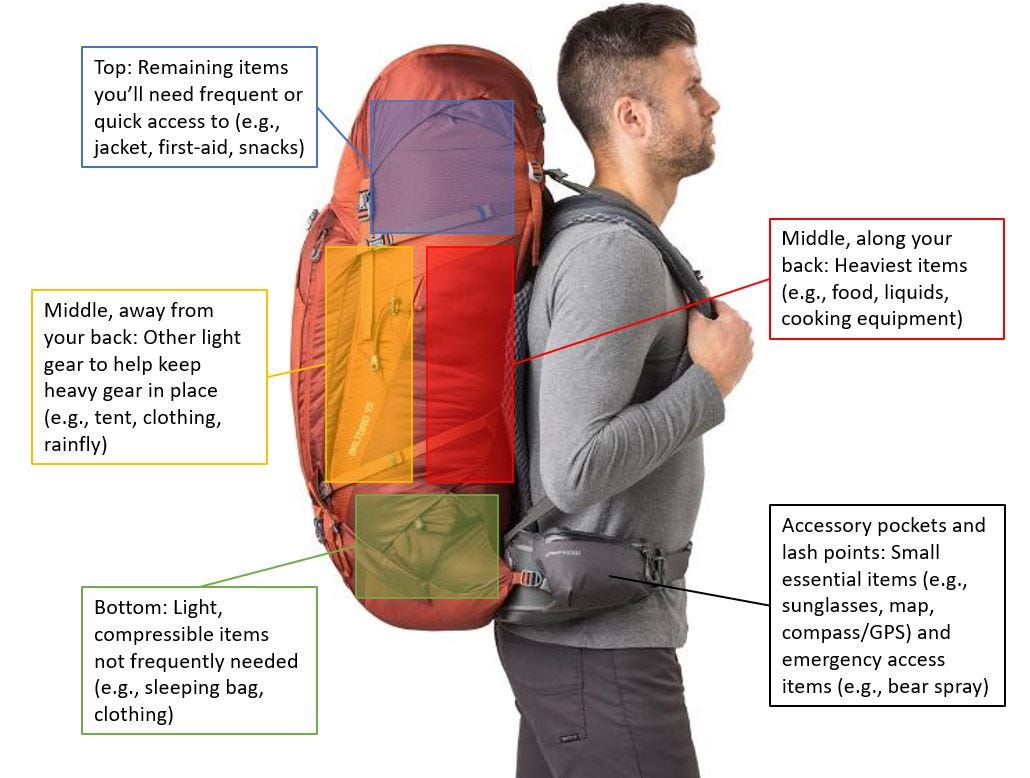
Distributing Load Evenly
Even weight distribution is vital for comfort and stability. Place heavier items close to your back.
- Pack the sleeping bag at the bottom. It provides a stable base.
- Position the tent above the sleeping bag. This keeps the center of gravity low.
- Place lighter items at the top. This helps balance the load.
Quick Access To Essential Gear
Keep essential items within easy reach. This saves time and effort during your journey.
Consider using external pockets and compartments for:
- Snacks
- Water bottles
- Map and compass
| Item | Recommended Location |
| Sleeping Bag | Bottom |
| Tent | Middle |
| First Aid Kit | Top or Side Pocket |
Additional Tips For Backpack Maintenance
Keeping your backpack and gear in good shape helps you enjoy every trip. Proper care makes your equipment last longer and work better.
This guide offers simple tips to keep your tent, sleeping bag, and backpack clean and dry. It also covers regular gear checks to spot problems early.
Keeping Gear Dry And Clean
Wet or dirty gear can cause damage and bad smells. Always store your tent and sleeping bag in dry places. Use waterproof bags or covers inside your backpack.
- Dry your gear completely before packing it away.
- Clean off dirt or mud with a soft brush or cloth.
- Use a rain cover on your backpack in wet weather.
- Store your sleeping bag loosely to keep its loft.
- Air out your tent after use to prevent mold.
Regular Gear Checks
Check your backpack and gear regularly to find damage early. Fix small problems before they get worse. This saves money and hassle on your trips.
| Gear Item | What to Check | How Often |
| Backpack | Straps, zippers, seams | Before every trip |
| Tent | Poles, fabric tears, waterproof coating | After every trip |
| Sleeping Bag | Zippers, insulation clumps, stains | Every season |
| Waterproof Covers | Holes, tears, waterproof layer | Every trip |
Frequently Asked Questions
How Can I Pack A Tent In A 50l Backpack?
Pack the tent poles and stakes first, then compress the tent body tightly. Use compression sacks to save space and keep the tent compact inside your 50L backpack.
What’s The Best Way To Fit A Sleeping Bag In A 50l Pack?
Roll your sleeping bag tightly and use a compression sack to minimize volume. Place it at the bottom of your backpack to balance weight effectively.
Can I Carry Both Tent And Sleeping Bag Comfortably In 50l?
Yes, by using compression sacks and organizing efficiently, both fit comfortably. Prioritize lightweight gear and pack heavier items close to your back for balance.
How To Organize Gear For Tent And Sleeping Bag In Backpack?
Pack heavier items like tent poles near your back, sleeping bag at the bottom. Use compression bags and separate compartments to keep gear organized and accessible.
Conclusion
Packing a tent and sleeping bag in a 50L backpack takes smart planning. Start by rolling the sleeping bag tight to save space. Place it at the bottom to keep your load balanced. Put the tent above it, using compression straps if possible.
Fill small gaps with clothes or gear to avoid shifting. Keep heavy items close to your back for comfort. Follow these steps, and your gear fits well without hassle. Enjoy your trip with a light, organized backpack. Simple tips make packing easier every time.