
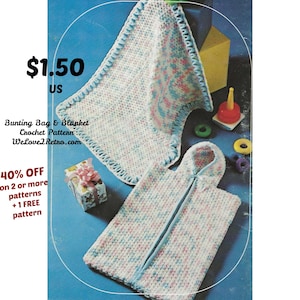
Are you looking for a cozy, handmade gift that will keep a baby warm and snug? Learning how to crochet a baby bunting bag is easier than you might think—and the result is both practical and adorable.
Imagine wrapping your little one in a soft, custom-made cocoon designed with love. Whether you’re a beginner or have some crochet experience, this guide will walk you through every step, making the process simple and enjoyable. Keep reading, and you’ll soon create a beautiful baby bunting bag that’s perfect for chilly days and special moments.
Materials Needed
To crochet a baby bunting bag, you need the right materials. These will help you create a soft and warm bag for your little one.
Gathering the correct yarn, hook size, and extra supplies makes the project easier and more enjoyable.
Yarn Selection
Choose yarn that feels soft and gentle on a baby’s skin. Cotton and acrylic blends are good choices. Avoid scratchy or rough yarns.
- Soft acrylic yarn for easy care
- Lightweight cotton for breathability
- Baby-specific yarn with hypoallergenic properties
- Medium weight (worsted) yarn for warmth
Hook Size
Use a crochet hook that matches your yarn’s weight. This helps create the right fabric texture and size for the bag.
| Yarn Weight | Recommended Hook Size |
| Light (DK) | 4.0 mm (G-6) |
| Medium (Worsted) | 5.0 mm (H-8) |
| Bulky | 6.5 mm (K-10.5) |
Additional Supplies
Besides yarn and hooks, you need some other tools to finish your bunting bag neatly.
- Yarn needle for weaving ends
- Scissors for cutting yarn
- Stitch markers to keep track of rows
- Measuring tape to check size
Basic Crochet Stitches
Crochet uses simple stitches to create fabric from yarn. Learning basic stitches helps you make many projects.
In this guide, we will cover three important stitches. These are the chain stitch, single crochet, and double crochet.
Chain Stitch
The chain stitch is the foundation of most crochet projects. It creates a row of loops to start your work.
To make a chain stitch, wrap yarn over the hook and pull it through the loop on the hook. Repeat for the desired length.
- Start with a slip knot on the hook
- Yarn over the hook
- Pull yarn through the loop on the hook
- Repeat to form a chain
Single Crochet
The single crochet stitch is short and tight. It makes a thick, dense fabric perfect for baby items.
Insert the hook into a stitch, yarn over, and pull up a loop. Yarn over again and pull through both loops on the hook.
- Insert hook into stitch
- Yarn over and pull up a loop
- Yarn over and pull through two loops
- Repeat across the row
Double Crochet
The double crochet stitch is taller than single crochet. It creates a looser fabric with more stretch.
Yarn over first, insert hook into stitch, yarn over and pull through. Yarn over and pull through two loops twice.
- Yarn over before inserting hook
- Insert hook into stitch and yarn over
- Pull yarn through stitch
- Yarn over and pull through two loops
- Yarn over and pull through remaining two loops
- Repeat for each stitch
Measuring For Size
Measuring your baby correctly helps you crochet the perfect bunting bag. Accurate measurements ensure a cozy and safe fit.
Take your time to get the right size before starting your crochet project.
Determining Baby’s Length
Measure your baby from the top of the head to the heel. This length will guide how long the bunting bag needs to be.
If your baby is still very young, use their current length and add a few extra inches for growth.
- Use a soft measuring tape for accuracy
- Have the baby lie flat and relaxed
- Record the length in inches or centimeters
- Add 2 to 4 inches for extra room
Adjusting Width
Measure around the widest part of the baby’s body, usually the chest area. This helps decide the bag’s width.
Make sure to add extra space for layers like clothes or blankets inside the bunting bag.
- Measure around the chest or shoulders
- Keep the tape snug but not tight
- Add 2 to 3 inches for comfort
- Consider the thickness of your yarn
Credit: www.etsy.com
Starting The Base
Making the base is the first part of crocheting a baby bunting bag. It sets the shape and size for the whole piece.
A strong and even base helps the bag look neat and last longer. Let’s start with the foundation chain and first row.
Foundation Chain
The foundation chain is the first row of loops you make with your yarn. It acts like the bottom edge of your bag.
Choose a chain length that matches how wide you want the bunting bag to be. Keep your tension even for a neat start.
- Use a medium-weight yarn and matching hook size
- Make a slip knot to start
- Yarn over and pull through to make each chain stitch
- Count stitches to reach the desired width
- Do not twist the chain; keep it flat
First Row Techniques
The first row after the foundation chain builds the base’s structure. It gives shape and strength to the bag’s bottom.
Common stitches here are single crochet or half double crochet. These stitches create a sturdy and tight fabric.
- Insert hook into the second chain from the hook
- Yarn over and pull through the chain loop
- Yarn over again and pull through both loops on hook (single crochet)
- Repeat across the foundation chain
- Turn your work to start the next row
Building The Body
The body of the baby bunting bag forms the main shape and size. It is important to keep your stitches even for a smooth finish. Consistent tension helps the bag look neat and cozy.
Follow the repeating rows carefully to create a sturdy and comfortable fabric. This part will give the bag its warmth and softness.
Row Repetition
Repeat the same row pattern to build the length of the bunting bag. Each row adds more height and shape to the body. Watch your stitch count to keep the shape correct.
- Start with a chain foundation of the desired width
- Work single crochet stitches across the row
- Turn your work and repeat the same stitch pattern
- Keep your tension steady to avoid loose or tight rows
- Repeat rows until the body reaches the needed length
Shaping The Bunting
Shaping the bunting bag helps it fit the baby snugly. You will increase or decrease stitches to make the body wider or narrower where needed.
| Shaping Method | Purpose | How to Do It |
|---|---|---|
| Increasing Stitches | Make the bag wider | Add extra stitches evenly at row ends |
| Decreasing Stitches | Make the bag narrower | Skip stitches or crochet two together |
| Consistent Stitch Count | Keep shape straight | Maintain same number of stitches per row |
Creating The Closure
When making a baby bunting bag, the closure is essential. It keeps the baby snug and secure.
There are different closure options for your crochet project. Buttonholes and zippers are popular choices.
Buttonholes
Buttonholes are simple to crochet. They add a cute touch to the bunting bag.
Make sure the buttonholes are evenly spaced. This ensures a neat appearance and easy buttoning.
- Use a chain stitch for each buttonhole
- Measure the size of your buttons
- Test the button through the hole before finishing
Zipper Option
Zippers offer a quick and secure closure. They are practical for busy parents.
Choose a zipper that matches the yarn color. It should be durable and easy to open and close.
| Measure the zipper length |
| Sew the zipper carefully along the edges |
| Test the zipper to ensure smooth operation |
Adding Comfort Features
Crocheting a baby bunting bag is a wonderful way to keep your little one cozy. Adding comfort features like lining and padding makes it even better.
These enhancements provide warmth and cushioning, ensuring your baby is snug and secure.
Lining The Bag
Lining your bunting bag adds an extra layer of softness against your baby’s skin. Choose materials that are gentle and breathable.
- Fleece provides warmth without being too heavy.
- Cotton is soft and breathable, perfect for sensitive skin.
- Bamboo fabric is eco-friendly and naturally antimicrobial.
Adding Padding
Padding gives extra cushioning, making the bunting bag more comfortable. Consider materials that are both safe and cozy.
For a quick comparison of padding materials:
| Material | Benefits |
| Polyester Batting | Lightweight and easy to wash |
| Cotton Batting | Natural and breathable |
| Wool | Warm and naturally insulating |

Credit: www.youtube.com
Finishing Touches
Finishing your baby bunting bag makes it look neat and complete. These last steps improve its strength and beauty.
Two important finishing touches are weaving in ends and adding decorative edging. Both help make your project last long.
Weaving In Ends
Weaving in ends hides loose yarn pieces inside your stitches. This stops the yarn from coming undone.
Use a yarn needle to thread the loose ends. Weave them back and forth through the stitches for a secure hold.
- Thread the yarn needle with the loose end
- Insert the needle under several stitches
- Pull the yarn through without tight knots
- Repeat weaving in different directions
- Trim any extra yarn close to the stitches
Decorative Edging
Adding a decorative edging gives your bunting bag a polished look. It also adds extra strength to the edges.
You can choose simple borders like single crochet or fancy ones like scallops. Pick an edging that matches your style.
- Single crochet creates a clean, sturdy edge
- Shell stitch adds a pretty, scalloped border
- Picot edging gives small points for detail
- Reverse single crochet (crab stitch) adds texture
- Use contrasting colors for a bold finish
Care And Maintenance Tips
Keeping your crocheted baby bunting bag clean and well cared for helps it last longer. Proper care protects the yarn and shape.
Follow simple steps to wash and store your baby bunting bag safely. This guide makes it easy to maintain its softness and look.
Washing Instructions
Wash your baby bunting bag gently to avoid damage. Use cold or lukewarm water with mild detergent.
Hand washing is best to keep the stitches tight and yarn soft. Avoid twisting or wringing the bag.
- Fill a basin with cold or lukewarm water
- Add a small amount of gentle detergent
- Soak the bunting bag for 5-10 minutes
- Gently squeeze the water through the fabric
- Rinse with clean water until no soap remains
- Press out water with a towel, do not wring
- Lay flat to dry on a clean towel
Storage Advice
Store the baby bunting bag in a dry, cool place away from sunlight. This prevents fading and fabric damage.
Keep it folded loosely to avoid stretching or crushing the crochet stitches. Use breathable storage bags if possible.
- Fold gently without sharp creases
- Place in a cotton or linen storage bag
- Avoid plastic bags that trap moisture
- Store in a drawer or closet away from heat
- Check the bag occasionally for dust or pests

Credit: craftbits.com
Frequently Asked Questions
What Materials Do I Need For A Baby Bunting Bag?
You need soft yarn, a crochet hook, stuffing, and a sewing needle. Choose hypoallergenic yarn for baby safety. Optional: buttons or zippers for closure.
How Long Does It Take To Crochet A Baby Bunting Bag?
Crocheting a baby bunting bag typically takes 4-6 hours. Time varies with skill level and bag size. Beginners might need more time.
Which Crochet Stitches Are Best For Baby Bunting Bags?
Single crochet and half double crochet stitches provide warmth and softness. These stitches create a tight, cozy fabric ideal for babies. They are easy for beginners.
Can I Customize The Baby Bunting Bag Design?
Yes, you can customize colors, patterns, and closures. Adding appliques or embroidery personalizes the bag. Always use baby-safe materials and avoid loose parts.
Conclusion
Crocheting a baby bunting bag is simple and fun. You can make a cozy, warm space for your little one. Follow the steps carefully, and take your time. Choose soft yarn for comfort and safety. This project helps you create something special with your own hands.
Practice improves your skills and boosts confidence. Enjoy the process and treasure the finished bag. A handmade baby bunting bag shows love and care. Try different colors and patterns to make it unique. Keep crocheting and exploring new projects for joy.