
Choosing the right size baby sleeping bag can feel confusing, but it’s one of the most important decisions you’ll make for your little one’s comfort and safety. You want your baby to sleep soundly, feeling cozy but never restricted.
If the sleeping bag is too big, it might bunch up and cause discomfort. If it’s too small, your baby won’t have enough room to move naturally. You’ll discover simple tips to find the perfect fit every time. Keep reading to ensure your baby gets the best night’s sleep possible.

Credit: www.dimples.co.nz
Why Size Matters
Choosing the right size baby sleeping bag is very important. The size affects your baby’s safety and comfort.
A sleeping bag that fits well helps your baby sleep better and stay safe through the night.
Safety Concerns
A sleeping bag that is too big can cause your baby to slip inside and get trapped. This can block breathing.
Too small a bag can restrict your baby’s movements and cause discomfort or overheating. Both are unsafe.
- Right size prevents baby from slipping inside
- Avoids loose fabric that can cover baby’s face
- Ensures baby’s arms and legs can move freely
- Reduces risk of overheating or feeling cold
Comfort And Sleep Quality
A sleeping bag that fits well keeps your baby cozy all night. Comfort helps your baby sleep longer.
If the bag is too tight, your baby may feel restricted. If it is too loose, your baby may wake up cold.
- Proper fit keeps baby warm without overheating
- Allows natural movement for better rest
- Soft materials in right size feel gentle on skin
Room For Growth
Babies grow fast, so a sleeping bag should have some room to grow. This helps you use it longer.
Pick a size that fits now but still has a little extra space. Avoid bags that are too big from the start.
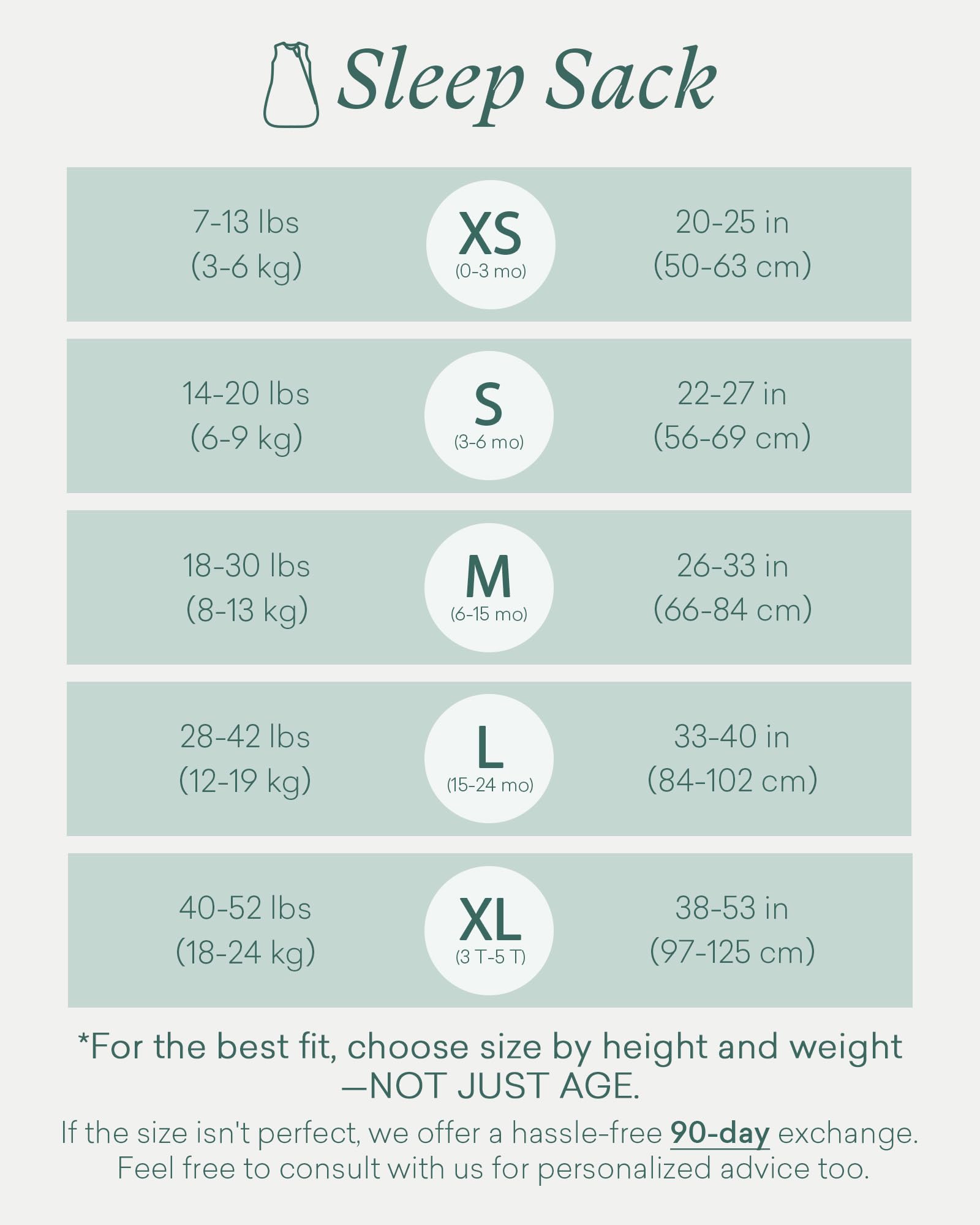
- Choose size based on baby’s current length and weight
- Look for bags with adjustable features if possible
- Check manufacturer size guides for best fit
Types Of Baby Sleeping Bags
Baby sleeping bags help keep babies warm and safe while they sleep. Choosing the right size and type is important for comfort.
Different types of sleeping bags suit different needs. Understanding these types helps parents pick the best one.
Seasonal Variations
Baby sleeping bags come in different thicknesses for each season. Choosing the right thickness keeps babies cozy without overheating.
Lightweight sleeping bags work well for warm weather. Thicker ones are best for cold months.
- Summer: Lightweight, breathable fabrics
- Spring/Fall: Medium thickness for moderate warmth
- Winter: Thick, insulated sleeping bags
Material Differences
Materials affect how soft and warm the sleeping bag feels. Some materials are better for sensitive skin.
Natural fabrics like cotton are gentle and breathable. Synthetic fabrics can offer more insulation and water resistance.
- Cotton: Soft, breathable, good for all seasons
- Fleece: Warm, cozy, good for cold weather
- Polyester: Durable, water-resistant, easy to clean
- Bamboo: Hypoallergenic and moisture-wicking
Design And Features
Designs vary to make sleeping bags easy to use and safe. Features can help with diaper changes and comfort.
Look for sleeping bags with good zippers, adjustable straps, and safe neck openings. These make using the bag simple.
- Zippers that open from bottom and top for easy diaper changes
- Adjustable shoulder snaps to fit growing babies
- Safe neck holes to prevent slipping inside
- Machine washable materials for easy cleaning
Measuring Your Baby
Choosing the right size baby sleeping bag is important for your baby’s comfort and safety. Measuring your baby correctly helps you pick the best fit. This guide explains how to measure your baby for a sleeping bag.
Use simple tools like a soft measuring tape and a flat surface. Take your time to get accurate measurements that will guide your choice.
Key Measurements To Take
Measure your baby’s length and weight first. These are the main factors to find the right sleeping bag size. Also, consider the baby’s chest size for a better fit.
- Length:Measure from the top of the head to the heel.
- Weight:Weigh your baby on a baby scale or a regular scale.
- Chest circumference:Measure around the widest part of the chest.
Using Growth Charts
Growth charts show average baby sizes by age. Use them to compare your baby’s measurements. This helps you choose a sleeping bag size that fits well now and for a few months.
- Find the age range for your baby on the chart.
- Check the length and weight averages for that age.
- Pick a sleeping bag size that matches or is slightly larger than your baby’s size.
When To Re-measure
Babies grow quickly. Check your baby’s size regularly to keep the sleeping bag comfortable and safe. Re-measure every few months or if the baby seems tight in the sleeping bag.
- Re-measure at 3-month intervals.
- Measure if your baby shows signs of discomfort.
- Adjust size when switching to a new season or thickness of sleeping bag.
Choosing The Right Size
Choosing the right size baby sleeping bag is important for your child’s comfort and safety. A properly fitting sleeping bag helps your baby sleep well and stay cozy throughout the night.
It is essential to consider your baby’s measurements and growth when selecting a sleeping bag size. This guide explains how to match sizes, check weight limits, and consider adjustable options.
Matching Measurements To Sizes
Measure your baby from the shoulders to the feet before buying a sleeping bag. The sleeping bag length should be slightly longer than your baby’s height. This allows room for growth and movement.
| Baby Height | Sleeping Bag Size |
|---|---|
| Up to 70 cm (27.5 inches) | Newborn / Small |
| 70 – 90 cm (27.5 – 35.5 inches) | Medium |
| 90 – 110 cm (35.5 – 43 inches) | Large |
| Above 110 cm (43 inches) | Extra Large |
Considering Weight Limits
Check the sleeping bag’s weight limit to ensure it supports your baby safely. Weight limits help avoid risks like overheating or restricted movement. Always follow the manufacturer’s recommendations.
- Do not use a bag that is too small or too large for your baby’s weight.
- Choose a bag designed for your baby’s current weight range.
- Replace the sleeping bag as your baby grows beyond the weight limit.
Adjustable Options
Some baby sleeping bags come with adjustable features to fit babies as they grow. These options can save money by extending the bag’s usability.
| Adjustable Feature | Benefit |
|---|---|
| Extendable zippers | Increase length for taller babies |
| Removable layers | Adjust warmth for different seasons |
| Adjustable straps | Fit snugly around different body sizes |
Material And Thickness Considerations
Choosing the right size baby sleeping bag depends on more than just length. The material and thickness are very important. They affect your baby’s comfort and safety during sleep.
Different materials and thicknesses suit different seasons and room temperatures. Knowing these details helps you pick a sleeping bag that keeps your baby cozy without overheating.
Climate Impact
The climate where you live affects the material and thickness you should choose. In cold places, thicker and warmer fabrics work best. In warm places, lighter materials keep babies cool.
It is important to match the sleeping bag to the room temperature. Too thick material can cause overheating. Too thin may not keep your baby warm enough.
- Cold climate: Choose thicker material like fleece or wool.
- Warm climate: Opt for cotton or lightweight fabrics.
- Moderate climate: Use medium thickness with breathable material.
Breathability And Warmth
Breathable fabrics let air flow and reduce sweating. Warmth keeps your baby comfortable at night. Balance these two for a safe sleeping bag.
Materials like cotton are breathable and soft. Thicker fillings add warmth but may reduce breathability. Choose the right mix based on your baby’s needs.
- Cotton: Soft and breathable for mild temperatures.
- Fleece: Warm and cozy for colder nights.
- Polyester fill: Adds warmth but less breathable.
Hypoallergenic Fabrics
Babies have sensitive skin. Hypoallergenic fabrics reduce the risk of irritation and allergies. They are gentle and safe for delicate skin.
Look for natural fibers that are chemical-free. These fabrics keep your baby safe and comfortable during sleep.
- Organic cotton: Free from dyes and chemicals.
- Bamboo fabric: Naturally hypoallergenic and soft.
- Wool (treated): Resists dust mites and allergens.
Credit: www.amazon.ca
Safety Tips For Baby Sleeping Bags
Choosing the right size baby sleeping bag is important for safety. A well-fitted sleeping bag ensures your baby’s comfort and reduces risks while sleeping.
Consider safety factors like overheating, proper fit, and safe sleeping practices. These tips help keep your baby secure and comfortable during sleep.
Avoiding Overheating
Overheating can be dangerous for babies. Use lightweight sleeping bags in warm weather. In cooler weather, add layers like a onesie or pajamas.
Check if your baby is too hot by touching their neck. If they’re sweaty or too warm, remove a layer or use a lighter sleeping bag.
Proper Fit Guidelines
A sleeping bag should fit snugly around the shoulders. This prevents the baby from slipping inside. The neck opening should not be wide enough for the baby to slip through.
Choose a sleeping bag based on your baby’s age and weight. Ensure it allows for free movement of legs but fits well around the upper body.
Safe Sleeping Practices
Always place your baby on their back to sleep. Ensure the sleeping area is free from pillows, blankets, and toys.
Maintain a comfortable room temperature. A sleeping bag helps eliminate the need for additional bedding, reducing the risk of suffocation.
- Check for safety certifications on sleeping bags
- Use fitted sheets on the mattress
- Regularly inspect the sleeping bag for wear and tear
Popular Brands And Size Variations
Choosing the right size sleeping bag for your baby is important. Popular brands offer different sizes and variations.
Understanding these variations helps ensure comfort and safety for your baby during sleep.
Brand Size Charts
Most brands provide size charts to guide parents. These charts help in selecting the right fit for your baby.
| Brand | Size | Weight Range |
| Brand A | Small | 0-6 months |
| Brand B | Medium | 6-12 months |
| Brand C | Large | 12-18 months |
Customer Reviews On Fit
Customer reviews offer insights into the fit of baby sleeping bags. Many parents share their experiences online.
- Some parents find the sizes run small.
- Others mention adjustable features for better fit.
- Look for feedback on material comfort.
Price Vs Quality
Price and quality often go hand in hand. It’s important to balance both when choosing a sleeping bag.
Higher price may mean better materials and comfort. However, affordable options with good reviews are also available.

Credit: www.zipsterbaby.com
When To Transition Out Of A Sleeping Bag
Choosing the right size baby sleeping bag is important for safety and comfort. Babies grow fast, so you need to know when to stop using a sleeping bag.
This guide helps you understand when your baby is ready to move on from a sleeping bag. Look for signs your baby has outgrown it and explore other sleepwear options.
Signs Of Outgrowing The Bag
Your baby may be too big for the sleeping bag if they start to feel tight inside it. Watch for these signs to know it’s time to change.
- The sleeping bag feels short or tight around your baby’s feet.
- Your baby can kick off the bag easily or wriggle out.
- The armholes or neck opening seem small or uncomfortable.
- Your baby grows quickly and the bag no longer fits their height.
- Your baby can climb out of the bag, which can be unsafe.
Alternative Sleepwear Options
After outgrowing a sleeping bag, you can try other sleepwear that keeps your baby cozy and safe. Choose options based on your baby’s age and activity.
- Wearable blankets with arms allow more movement.
- Footed pajamas keep your baby warm without extra covers.
- Sleep sacks with adjustable sizes fit growing babies.
- Layering clothes can help in cooler weather.
Seasonal Transitions
Change your baby’s sleepwear depending on the season. Different materials and thicknesses help keep your baby comfortable year-round.
- Use lightweight sleeping bags or cotton pajamas in warm months.
- Switch to thicker, insulated sleepwear during cold seasons.
- Adjust layers to avoid overheating or chilling.
- Check the room temperature to pick the right sleepwear.
Frequently Asked Questions
How To Measure Baby For Sleeping Bag Size?
Measure your baby’s chest, length, and weight. Use these to match the sleeping bag size chart. Ensure a snug but comfortable fit for safety.
What Size Sleeping Bag Fits Newborns Best?
Newborns usually fit a 70-90 cm sleeping bag. Choose one with adjustable features to grow with your baby. Always check the brand’s size guidelines.
Can A Too-large Sleeping Bag Be Unsafe?
Yes, an oversized sleeping bag can cause suffocation risk. It may also cause baby to slip inside. Opt for a size that fits well without excess fabric.
How To Choose Sleeping Bag Tog Rating By Size?
Select tog rating based on room temperature and baby’s size. Smaller babies need warmer bags with higher tog. Bigger babies may require lighter tog for comfort.
Conclusion
Choosing the right size baby sleeping bag keeps your baby safe and cozy. Measure your baby’s height and weight before buying. A well-fitted bag stops your baby from slipping inside. Too big or too small can cause discomfort or risk.
Check the product’s size guide carefully every time. Choose a sleeping bag that grows with your baby if possible. Comfort and safety matter most for peaceful sleep. A good size helps your baby rest well and stay warm. Keep your baby happy and safe with the right fit.