
Carrying your tent and sleeping bag the right way can make all the difference on your outdoor adventure. If you’ve ever struggled with a heavy, awkward backpack that throws off your balance or leaves you exhausted, this guide is for you.
You’ll learn simple tips to pack smart, stay comfortable, and keep your gear secure. Imagine hiking longer, moving easier, and reaching your campsite without feeling weighed down. Ready to discover how to carry your tent and sleeping bag like a pro?
Let’s dive in.

Credit: www.reddit.com
Choosing The Right Backpack
Carrying your tent and sleeping bag properly makes camping easier. Picking the right backpack helps you stay comfortable on the trail.
Focus on size, fit, and weight to find a backpack that suits your needs. This guide will help you choose well.
Backpack Size And Capacity
Choose a backpack size that fits your gear. Too small means you cannot fit your tent and sleeping bag. Too big adds extra weight.
| Backpack Size (Liters) | Use Case |
| 30-50 | Day hikes or light camping |
| 50-70 | Weekend trips with tent and sleeping bag |
| 70+ | Extended trips or heavy gear loads |
Comfort And Fit
Comfort is key when carrying a heavy load. Look for padded shoulder straps and a strong hip belt. These help spread weight evenly.
- Adjust straps to fit your torso length
- Choose breathable materials to reduce sweat
- Test the backpack with weight before buying
Weight Considerations
Pick a lightweight backpack to keep total load low. The lighter the pack, the less energy you use. Look for durable but light fabrics.
Remember to factor in the weight of your tent and sleeping bag. Your backpack should handle their combined weight comfortably.
Packing Your Tent
Packing your tent properly helps save space in your backpack. It also protects the tent from damage during the hike.
Follow simple steps to break down, compress, and place your tent for easy carrying.
Breaking Down The Tent
Start by cleaning your tent and removing all accessories. Take out stakes, poles, and rainfly carefully.
Fold the tent flat to remove air and make it easier to pack. Rolling the tent tightly helps save space.
Using Compression Bags
Place your tent inside a compression bag to reduce its size. Compression bags push out extra air and make the tent compact.
- Put the folded tent inside the bag
- Seal the bag tightly
- Press or roll to squeeze out air
- Use straps to keep the bag tight
Placement In Backpack
Put your tent at the bottom or near the back of your backpack. This placement balances weight and saves space for other gear.
Keep the tent dry by placing it in a waterproof bag or compartment. Avoid putting heavy items on top of it.
Packing Your Sleeping Bag
Packing your sleeping bag correctly helps you save space in your backpack. It also keeps your gear safe and dry.
This guide shows how to choose a stuff sack, packing styles, and the best place for your sleeping bag in your pack.
Selecting A Stuff Sack
A stuff sack stores your sleeping bag and protects it from dirt and moisture. Pick a sack that fits your sleeping bag size well.
Look for lightweight, water-resistant sacks. Compression sacks can reduce bulk but may damage insulation if too tight.
- Choose a sack slightly bigger than your sleeping bag.
- Waterproof material keeps your bag dry.
- Compression sacks save space but use gently.
- Durable fabric resists tears and wear.
Rolling Vs Stuffing Techniques
Rolling and stuffing are two ways to pack your sleeping bag. Each affects space and bag life differently.
Stuffing is quicker and keeps insulation loft. Rolling is neater but can crush insulation over time.
- Stuffing:Push the bag loosely into the sack. Keeps warmth and fluff.
- Rolling:Lay flat, roll tightly. Saves space but may flatten insulation.
- Stuffing is better for cold trips needing full insulation.
- Rolling works if you want a compact, tidy pack.
Optimal Positioning
Where you place your sleeping bag in the backpack affects your balance and comfort.
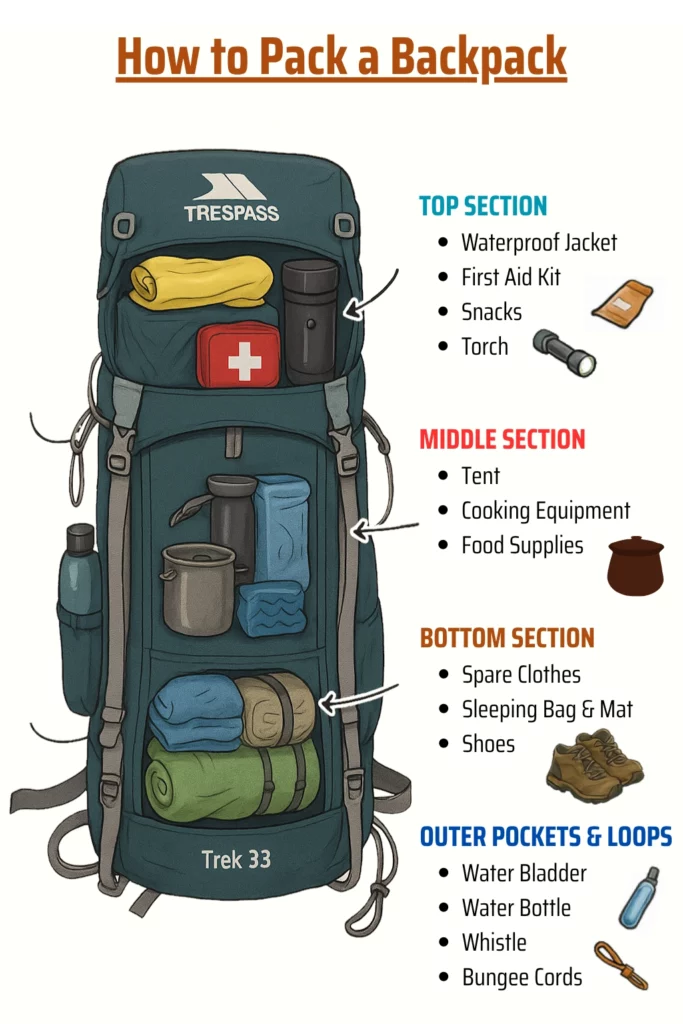
Keep the sleeping bag at the bottom or outside of your pack for better weight distribution and easy access.
- Place heavy items close to your back, above the sleeping bag.
- Put the sleeping bag at the bottom for a low center of gravity.
- Use the outside straps or mesh pockets if your bag is large and bulky.
- Keep the sleeping bag dry by storing it inside a waterproof liner or sack.

Credit: www.reddit.com
Balancing Weight And Space
Carrying a tent and sleeping bag in your backpack needs careful planning. You want to keep the load light and organized.
Balancing weight and space helps you walk comfortably and find your gear easily.
Distributing Heavy Items
Place heavy items close to your back to keep balance. This helps avoid strain and keeps you steady.
- Put the tent near the middle of your pack.
- Keep the sleeping bag at the bottom for support.
- Distribute other heavy gear evenly on both sides.
- Use compression straps to secure items tightly.
Maximizing Space Efficiency
Use every inch of space in your backpack. Rolling clothes saves room and prevents wrinkles.
| Item | Best Placement | Tip |
|---|---|---|
| Tent | Center | Use stuff sack to compress |
| Sleeping Bag | Bottom | Keep in waterproof bag |
| Clothing | Side pockets | Roll tightly |
| Cooking Gear | Top or outer pockets | Pack by size |
Avoiding Overpacking
Bringing too much adds weight and wastes space. Pack only what you need for the trip length.
- Make a checklist before packing.
- Choose lightweight gear.
- Limit food and water to what you need.
- Leave extra clothes or items at home.
- Test pack to see if it feels balanced.
Additional Gear Tips
Carrying your tent and sleeping bag properly makes your backpack lighter and safer. Use smart tricks to keep your gear dry and stable.
These tips help protect your equipment and make hiking easier. Follow them to enjoy your outdoor trip more.
Waterproofing Your Gear
Keep your tent and sleeping bag dry to avoid damage and discomfort. Use waterproof bags or covers to protect them from rain and moisture.
Make sure to check for holes or weak spots on your waterproof covers before packing. This helps stop water from getting inside.
- Use dry bags or waterproof stuff sacks
- Wrap your sleeping bag in a plastic bag inside the pack
- Cover your tent with a rainfly or waterproof sheet
- Store your gear away from wet ground or puddles
Securing Loose Items
Loose items can fall out or get lost during your hike. Use small bags or pouches to keep things like tent stakes, ropes, and accessories organized.
Attach these small bags inside your backpack or in zippered compartments. This stops them from moving around and makes them easy to find.
- Use mesh or zippered pouches for small gear
- Keep tent stakes and poles in a separate bag
- Fill empty spaces with soft items to avoid shifting
- Double-check zippers and closures before starting your hike
Using External Straps
External straps on your backpack help carry bulky gear like tents and sleeping bags. Use them to free up space inside your pack.
Secure your gear tightly with straps to keep it stable. Loose items on the outside can slow you down or cause imbalance.
- Place your tent or sleeping bag in a compression sack
- Attach the sack to the bottom or side straps on your pack
- Use adjustable straps to tighten the load
- Check straps often during the hike to keep gear secure
Credit: www.trespass.com
Final Packing Checklist
Ensure you have everything you need for your camping trip. Packing well prevents discomfort on the trail.
Use this checklist to carry your tent and sleeping bag efficiently. Stay organized and enjoy your adventure.
Double-check Essentials
Verify that you have all critical items before leaving. Missing essentials can ruin your trip.
- Tent with stakes and poles
- Sleeping bag
- Ground tarp
- Flashlight or headlamp
- First aid kit
- Water bottle
Adjusting Straps And Fit
Proper strap adjustment helps distribute weight evenly. This reduces strain on your back and shoulders.
Ensure your backpack straps are snug but comfortable. Follow these steps for best fit:
- Tighten shoulder straps
- Adjust hip belt
- Secure chest strap
Preparing For The Trail
Get ready for the trail by organizing your gear. Keep often-used items accessible.
| Item | Suggested Location |
| Map | Top pocket |
| Snacks | Side pockets |
| Raincoat | Outer compartment |
Frequently Asked Questions
How To Pack A Tent In A Backpack Properly?
Pack the tent in its stuff sack tightly to save space. Place it at the bottom or side of your backpack for balance. Use compression straps to secure it firmly and prevent shifting during hiking.
What’s The Best Way To Carry A Sleeping Bag In A Backpack?
Roll the sleeping bag tightly and use a compression sack to reduce its size. Attach it to the backpack’s exterior straps or store it at the bottom inside for better weight distribution.
Can I Combine Tent And Sleeping Bag In One Backpack Compartment?
It’s better to keep them separate to avoid moisture transfer and ease access. Place the sleeping bag inside the main compartment and attach the tent externally for convenience and protection.
How To Balance Weight When Carrying Tent And Sleeping Bag?
Distribute weight evenly by placing heavier items like the tent close to your back. Keep the sleeping bag lower and centered to maintain stability and reduce strain during long hikes.
Conclusion
Carrying your tent and sleeping bag correctly makes hiking easier. Pack heavy items close to your back for better balance. Use straps and compartments to keep gear secure and organized. Roll your sleeping bag tightly to save space. Distribute weight evenly to avoid strain on your shoulders.
Remember to test your pack before the trip. A well-packed backpack helps you enjoy every step outdoors. Stay comfortable, stay safe, and happy camping!