
If you love outdoor adventures, you know how important it is to pack your gear efficiently. One common challenge is attaching your sleeping bag to your North Face backpack without it slipping or getting damaged.
You want a secure, easy way to carry your sleeping bag that keeps your hands free and your load balanced. In this guide, you’ll discover simple, practical steps to attach your sleeping bag perfectly to your North Face backpack. Keep reading to learn how to make your next trip more comfortable and hassle-free.
Choosing The Right Sleeping Bag
Attaching a sleeping bag to your North Face backpack is easier with the right bag. The right sleeping bag fits your needs and works well with your pack.
Choosing the right sleeping bag means looking at material, size, and how it fits with your backpack. These factors help you carry your gear comfortably.
Material And Size Considerations
Sleeping bags come in different materials like down and synthetic. Down bags are light and warm but cost more. Synthetic bags dry faster and work well in wet places.
Size matters for comfort and packing. A bag too big takes space and weight. A bag too small can feel tight and cold.
- Choose down for cold, dry trips
- Pick synthetic for wet or damp trips
- Get a sleeping bag size that fits your height
- Look for compressible bags to save space
Matching Bag With Backpack Capacity
Check your North Face backpack’s capacity before buying a sleeping bag. The bag should fit without overloading your pack.
Some backpacks have straps or compartments for sleeping bags. Match your bag size to these features for easy attachment.
- Know your backpack volume in liters
- Choose a sleeping bag that fits inside or attaches outside
- Use compression sacks to reduce bag size
- Keep weight balanced for better carrying comfort
Credit: wilayattimes.com
Preparing Your North Face Backpack
Attaching a sleeping bag to your North Face backpack keeps your hands free. It also saves space inside the pack. Proper preparation helps secure the sleeping bag safely.
Start by checking your backpack’s design. Find the right spots to attach the sleeping bag. Adjust straps for a tight hold that won’t shift during travel.
Locating Attachment Points
Your North Face backpack has special places for attaching gear. These points are loops, daisy chains, or straps. They are usually at the bottom or sides of the pack.
Look for sturdy loops or straps that can hold weight. Avoid weak or thin fabric areas. These attachment points keep your sleeping bag stable.
- Check the bottom daisy chains for strong loops
- Find compression straps on the sides or front
- Use removable straps if your pack includes them
- Avoid using zippers or fragile parts to tie the bag
Adjusting Straps For Secure Fit
After locating attachment points, adjust the straps to fit your sleeping bag. Tighten them so the bag does not move or bounce. Loose straps can cause discomfort and damage.
Make sure straps are not twisted or tangled. Use buckles and clips to lock the straps firmly. Check the fit by gently shaking the pack.
- Thread straps through sleeping bag loops or stuff sack handles
- Tighten straps evenly on both sides
- Secure loose ends by tucking or tying them
- Test stability by moving the backpack slightly
Attachment Methods For Sleeping Bags
Attaching a sleeping bag to your North Face backpack keeps it secure and easy to carry. There are several ways to do this depending on your backpack’s features.
Choosing the right method helps balance your load and protects your gear while hiking or camping.
Using Compression Straps
Compression straps help tighten your sleeping bag to the outside of your backpack. They keep the bag from moving during travel.
To use them, place the sleeping bag at the bottom or back of the pack. Then wrap the straps around it and pull tight.
- Locate the compression straps on the sides or bottom of the backpack
- Place the sleeping bag evenly under or beside the pack
- Secure the straps tightly to hold the bag in place
- Check straps often to prevent loosening
Employing External Loops And Clips
Many North Face backpacks have external loops and clips designed for gear attachment. Use these to hang your sleeping bag outside the pack.
Attach the sleeping bag by threading straps or cords through the loops. Then clip or tie them securely.
- Find loops or daisy chains on the backpack exterior
- Use carabiners or clips to fasten the sleeping bag
- Adjust position to keep the pack balanced
- Make sure clips are locked for safety
Utilizing Dedicated Sleeping Bag Compartments
Some North Face backpacks include a special compartment for sleeping bags. This area fits your bag inside the pack to protect it.
Place your sleeping bag inside the compartment and close the zipper or flap. This method keeps your bag clean and secure.
- Locate the sleeping bag compartment at the bottom or rear
- Open the compartment fully before inserting the bag
- Fit the sleeping bag flat and evenly inside
- Close the compartment tightly to avoid damage
Credit: gearjunkie.com
Tips For Secure And Balanced Attachment
Attaching your sleeping bag to your North Face backpack can save space inside. It also helps keep your pack organized. Doing it right keeps your load balanced and comfortable.
This guide shares simple tips to attach your sleeping bag safely and evenly. Follow these points for a stable and protected setup during your hike.
Distributing Weight Evenly
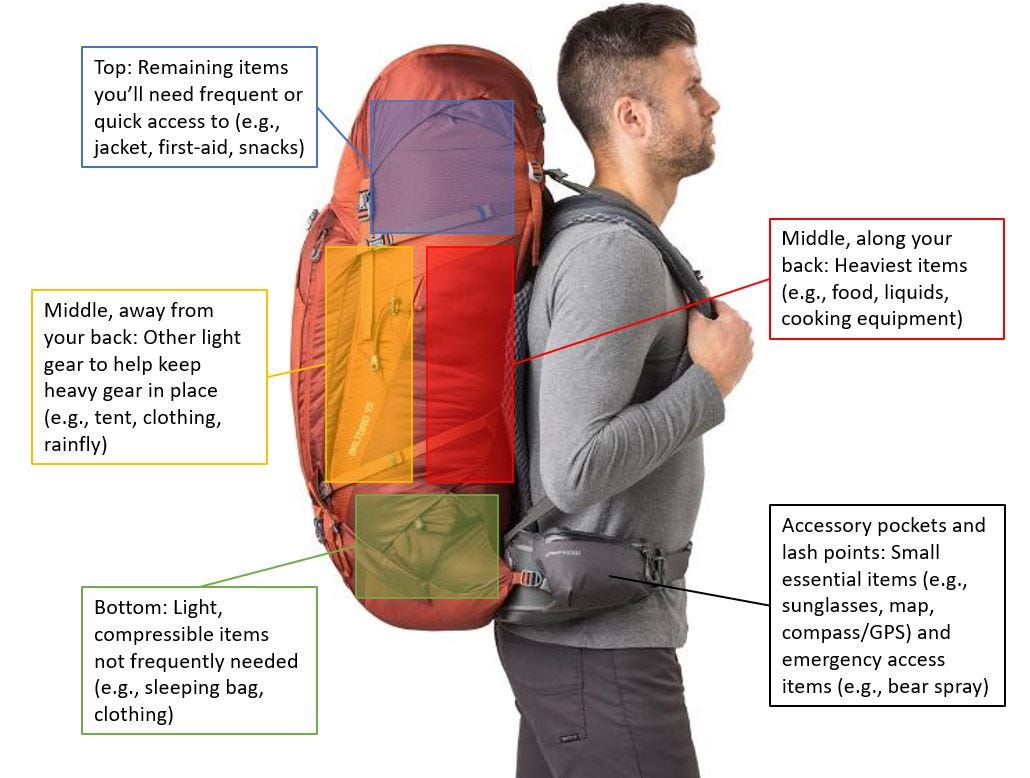
Even weight makes your backpack easier to carry. Place the sleeping bag low and centered on the backpack. This keeps your center of gravity stable.
- Use the straps on the bottom of your pack to hold the bag.
- Make sure the bag lies flat against the pack’s back panel.
- Balance the weight by adjusting other gear inside the pack.
Avoiding Bag Damage And Moisture
Protect your sleeping bag from dirt and water. Use a waterproof stuff sack or dry bag before attaching it. This helps keep the bag clean and dry.
| Tip | Reason |
| Wrap in waterproof cover | Keeps bag dry in rain or wet conditions |
| Avoid sharp edges on backpack | Prevents tears or damage to bag fabric |
| Secure tight but not overly tight | Protects bag shape and filling |
Checking Stability Before Hiking
Test your setup before starting the hike. Make sure the sleeping bag does not shift or sway. A stable load prevents discomfort and accidents on the trail.
- Tighten all straps holding the bag in place.
- Shake the backpack gently to check for movement.
- Adjust straps or reposition the bag if needed.
- Walk a few steps to feel the balance.
Alternative Carrying Options
Attaching your sleeping bag to a North Face backpack can be done in many ways. These methods help save space inside your pack.
Below are some simple options to carry your sleeping bag comfortably and securely on your backpack.
Using Stuff Sacks With Straps
Stuff sacks keep your sleeping bag compact and protected. You can use the backpack’s external straps to attach the sack.
- Place the sleeping bag inside a durable stuff sack.
- Compress the sack to reduce its size.
- Use the adjustable straps on the backpack to secure the sack on the side or bottom.
- Make sure the sack is tight and won’t move while hiking.
Attaching With Carabiners
Carabiners offer a quick way to clip the sleeping bag to loops or daisy chains on your backpack.
| Material | Weight | Durability |
| Aluminum | Light | Good |
| Steel | Heavy | Very Strong |
| Plastic | Very Light | Less Durable |
Choose carabiners that match your needs and clip the sleeping bag’s loops securely. Check them often during your trip.
Packing Inside The Backpack
Packing the sleeping bag inside the backpack protects it from weather and damage. Use compression sacks to save space.
- Put the sleeping bag in a compression sack.
- Place it at the bottom or main compartment of the backpack.
- Pack heavier items on top for balance.
- Keep the bag dry by using waterproof liners if needed.

Credit: www.reddit.com
Maintenance And Care After Attachment
Attaching your sleeping bag to a North Face backpack is just the first step. Proper care ensures that both your sleeping bag and backpack remain in top condition for future adventures.
Regular maintenance of straps and clips is essential. It helps in preventing damage and extends the life of your gear.
Cleaning Straps And Clips
Straps and clips accumulate dirt over time. Cleaning them is crucial to maintain functionality. Follow these simple steps to clean them effectively.
- Detach the straps from the backpack.
- Use a mild soap solution and a soft brush.
- Rinse thoroughly with water.
- Allow them to air dry completely.
Inspecting For Wear And Tear
Regularly inspect your backpack for any signs of wear and tear. This helps prevent unexpected failures during trips.
| Area | What to Check |
| Straps | Fraying or loose threads |
| Clips | Cracks or weakened material |
| Fabric | Tears or holes |
Address any issues immediately to ensure your gear is reliable for your next outing.
Frequently Asked Questions
How Do I Attach A Sleeping Bag To A North Face Backpack?
Use the external straps or daisy chains on your North Face backpack. Secure the sleeping bag tightly to prevent movement. Ensure weight is balanced to maintain comfort and stability.
Can I Use Compression Sacks For My Sleeping Bag?
Yes, compression sacks reduce the sleeping bag size. This makes attachment easier and saves space on your backpack. Use the straps to secure the compressed bag firmly.
Where Is The Best Place To Attach The Sleeping Bag?
Attach the sleeping bag at the bottom of the backpack. This placement keeps the weight low and stable. It also frees up space inside the pack for other gear.
Are Additional Straps Needed For Attaching The Sleeping Bag?
Usually, no extra straps are needed. North Face backpacks come with adjustable straps for this purpose. However, adding extra straps can enhance security if needed.
Conclusion
Attaching a sleeping bag to your North Face backpack keeps gear organized and easy to carry. Use straps or loops to secure the bag tightly. Make sure it does not sway or get in the way while hiking. Check the attachment before you start your trip.
This simple step saves space inside your pack. Enjoy your outdoor adventure with everything in place. Stay comfortable and prepared on every journey.