
If you love hiking or camping, you know how important it is to pack your gear efficiently. One common challenge is attaching your sleeping bag to your Deuter backpack without it getting in the way or causing discomfort.
You want to keep your hands free, your load balanced, and your gear secure. In this guide, you’ll discover simple and effective ways to attach your sleeping bag to your Deuter backpack, so you can focus on enjoying your adventure.
Keep reading to learn the tricks that make packing easier and your outdoor experience better.

Credit: www.reddit.com
Choosing The Right Sleeping Bag
Choosing the right sleeping bag is important for comfort and ease. It also affects how you carry it on your Deuter backpack.
This guide helps you pick a sleeping bag that fits your needs and backpack size.
Types Of Sleeping Bags
There are several sleeping bag types. Each works well for different weather and activities.
- Mummy bags:Tight fit, very warm, light weight.
- Rectangular bags:Roomy, good for mild weather, heavier.
- Semi-rectangular bags:A mix of warmth and space.
- Quilt bags:Lightweight, good for warm weather.
Size And Weight Considerations
Size and weight affect how easy it is to attach the sleeping bag to your backpack.
| Factor | Reason to Consider |
| Weight | Lighter bags are easier to carry and attach. |
| Compressed Size | Smaller packs fit better on your backpack. |
| Length | Choose a bag that fits your height for comfort. |
| Bulkiness | Less bulky bags attach more securely to backpacks. |
Features Of Deuter Backpacks
Deuter backpacks are made for outdoor use. They have many features that make carrying gear easier.
One important feature is how you attach a sleeping bag. The design helps keep your load stable.
Attachment Points And Straps
Deuter backpacks have special straps and loops outside. These are made to hold sleeping bags firmly.
You can use the compression straps at the bottom or sides. Some models have extra loops for gear.
- Bottom straps secure the sleeping bag under the pack
- Side loops can hold the bag if it is rolled tightly
- Compression straps keep the bag from moving
- Adjustable straps fit different bag sizes
Load Distribution Benefits
Attaching the sleeping bag correctly helps balance the weight. This makes walking easier and safer.
Deuter backpacks are designed to spread weight across your hips and shoulders. This reduces back strain.
- Sleeping bag at the bottom lowers the center of gravity
- Even load reduces pressure on your spine
- Straps prevent shifting while moving
- Better weight distribution improves comfort on long hikes
Preparing The Sleeping Bag
Attaching your sleeping bag to a Deuter backpack keeps it safe and easy to carry. Preparing the sleeping bag properly helps save space and protect it from dirt and moisture.
Learn simple techniques to roll and compress your sleeping bag. Also, see how to use compression sacks for better packing.
Rolling And Compressing Techniques
Start by laying your sleeping bag flat and smoothing out air pockets. Roll it tightly from the foot end to the top. This helps reduce its size and fits well on your backpack.
- Lay the sleeping bag flat on a clean surface.
- Fold any extra fabric to make a uniform shape.
- Roll tightly from the bottom to the top to push out air.
- Secure the rolled bag with straps or cords.
- Make sure the roll is tight to save space.
Using Compression Sacks
Compression sacks help make your sleeping bag smaller and easier to attach. They protect the bag and keep it dry. Use the sack after rolling the bag.
| Compression Sack Feature | Benefit |
| Adjustable straps | Compress bag tightly |
| Water-resistant material | Protects from moisture |
| Lightweight design | Adds little weight |
| Durable fabric | Lasts for many trips |
Attaching Sleeping Bag To Backpack
Attaching your sleeping bag to your Deuter backpack helps save space inside. It also keeps your bag easy to access during your hike.
There are several ways to attach a sleeping bag to your backpack. You can use the bottom, side, or top of the pack.
Bottom Attachment Method
Many Deuter backpacks have straps at the bottom. These straps are perfect for holding a sleeping bag. This method keeps your sleeping bag secure and stable.
To attach the sleeping bag, roll it tightly and use the straps to fasten it. Make sure the bag is balanced to avoid shifting while hiking.
- Roll sleeping bag tightly
- Place it under the bottom straps
- Tighten the straps securely
- Check for balance and stability
Side Attachment Method
You can also attach your sleeping bag to the side of your backpack. Use side compression straps or loops if available. This method keeps your sleeping bag easy to reach.
Make sure the sleeping bag does not stick out too much. This will help keep your pack balanced and reduce snagging on branches.
- Roll or stuff sleeping bag compactly
- Secure it with side straps or loops
- Keep the load even on both sides
- Avoid blocking access to other pockets
Top Attachment Method
Some Deuter backpacks have space or straps at the top for gear attachment. Place your sleeping bag on top if it fits well. This method works best for lighter bags.
Attach the sleeping bag using the top straps or bungee cords. Secure it tightly to avoid movement. Make sure it does not cover important access points.
- Place sleeping bag on top of the pack
- Use top straps or cords to secure it
- Check that it does not block zippers
- Adjust straps for a snug fit
Securing The Load
Attaching your sleeping bag properly to a Deuter backpack helps keep your gear safe. It also makes hiking easier by balancing the weight.
Use the right parts of your backpack to hold the sleeping bag tight. This stops it from moving while you walk.
Using Straps And Clips
Deuter backpacks have straps and clips made for holding extra gear. Use these to attach your sleeping bag outside the pack.
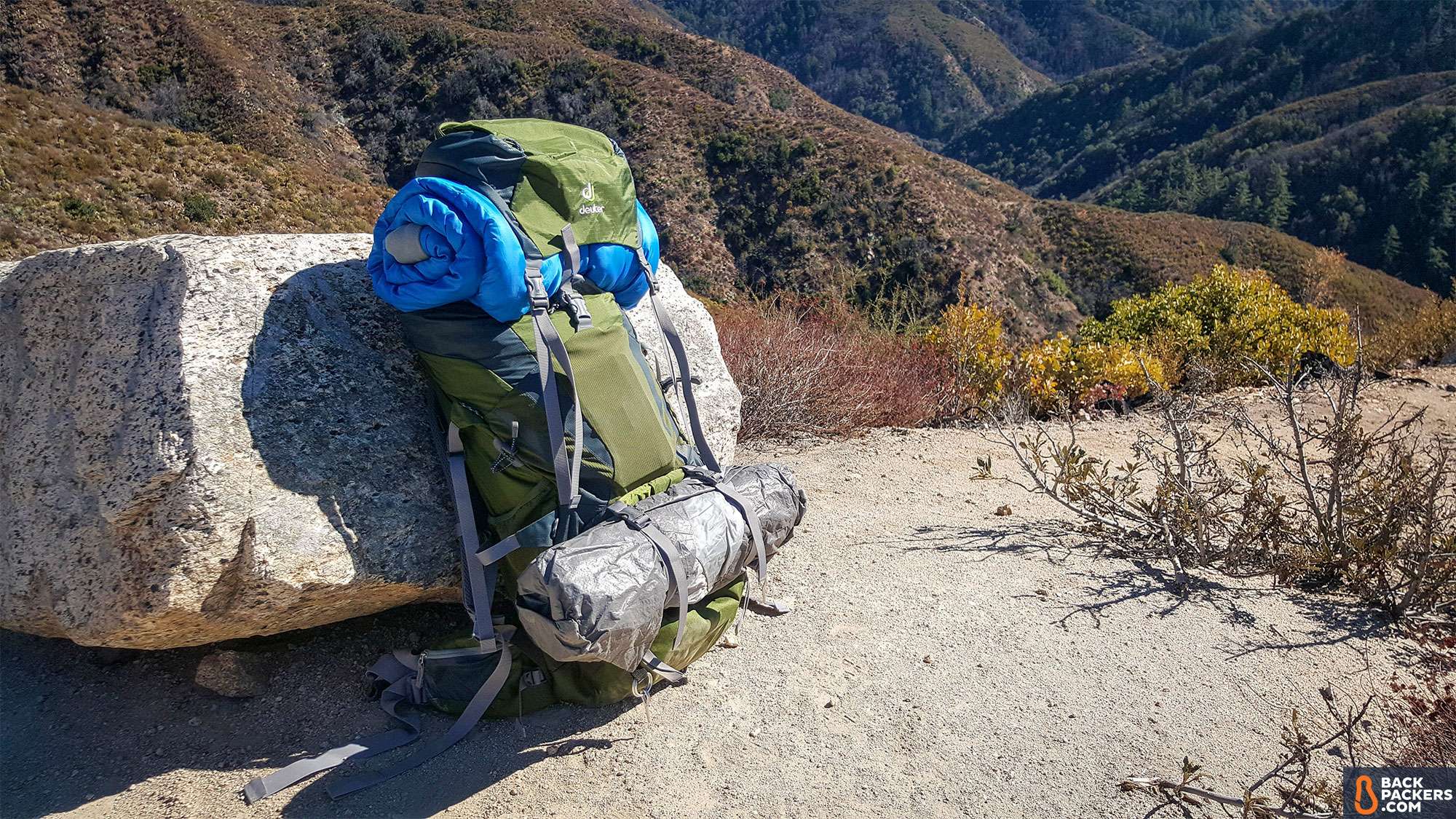
Place the sleeping bag at the bottom or the front. Loop the straps around it and fasten the clips securely.
- Find the compression straps on the sides or bottom.
- Wrap the straps around the rolled sleeping bag.
- Click the clips firmly to lock the straps.
- Tighten the straps so the bag feels snug but not crushed.
Ensuring Stability During Movement
Keep your sleeping bag stable by checking the straps often. A loose sleeping bag can shift and make walking hard.
Use extra straps or cords if your backpack has them. This helps keep the sleeping bag from swinging or sliding.
- Check if all clips are fastened before you start walking.
- Adjust straps to remove any slack.
- Use side straps to hold the sleeping bag close to the pack.
- Test by shaking the pack gently to feel if the bag moves.
Credit: backpackers.com
Tips For Comfort And Safety
Attaching your sleeping bag to a Deuter backpack can make hiking easier. This guide helps you attach it safely and comfortably.
Learn how to balance weight and protect your gear from weather elements. These tips ensure a pleasant and safe outdoor adventure.
Balancing Weight
Balancing the weight in your backpack is crucial for comfort. Place heavy items closer to your back.
Attach the sleeping bag at the bottom of the pack. This keeps the center of gravity low and stable.
- Use compression straps to secure the sleeping bag.
- Distribute weight evenly to avoid strain.
- Test the pack before long hikes.
Protecting From Weather Elements
Weather can change quickly outdoors. Keep your sleeping bag dry and protected from rain.
Use a waterproof cover or pack liner. It shields the sleeping bag from moisture.
- Check weather reports before packing.
- Consider packing a rain cover.
- Ensure all zippers and covers are closed.
Common Mistakes To Avoid
Attaching a sleeping bag to your Deuter backpack seems easy. Yet, mistakes happen. Knowing what to avoid helps you pack better.
Here are common mistakes to watch out for. They can affect your hiking experience.
Overpacking
Overpacking is a big mistake. It makes your backpack heavy. A heavy bag tires you quickly.
Keep your pack light. Only take what you need. This makes hiking more enjoyable.
- Check the weight of your sleeping bag.
- Remove items you do not need.
- Balance the load in your backpack.
Ignoring Attachment Points
Ignoring attachment points is another mistake. Deuter backpacks have special spots for gear.
Use these points to secure your sleeping bag. This keeps it from swinging and getting damaged.
- Find the loops and straps on your backpack.
- Use them to tie your sleeping bag tightly.
- Check if the sleeping bag is secure before hiking.

Credit: www.reddit.com
Frequently Asked Questions
How Do I Attach A Sleeping Bag To A Deuter Backpack?
Use the external compression straps or dedicated sleeping bag compartment. Secure the bag tightly to prevent movement while hiking.
Can I Use The Bottom Compartment For My Sleeping Bag?
Yes, Deuter backpacks often have a bottom compartment designed for sleeping bags. It keeps your bag separate and easy to access.
What Straps Work Best For Attaching A Sleeping Bag?
Use adjustable compression straps or gear loops on your backpack. These provide a secure, stable fit for your sleeping bag during travel.
Is It Safe To Attach A Sleeping Bag Externally?
Yes, if fastened properly with straps, attaching externally is safe. It helps save space inside your backpack for other gear.
Conclusion
Attaching a sleeping bag to your Deuter backpack is simple and practical. Use the straps and loops designed for easy attachment. Make sure the bag is secure before you start your hike. This keeps your gear organized and your hands free.
Always check the backpack’s instructions for the best method. A well-attached sleeping bag makes your trip more comfortable and safer. Keep practicing, and it will become second nature. Enjoy your outdoor adventures with confidence and ease!