Are you ready to hit the trails but unsure how much your backpack should weigh? Carrying too much can tire you out quickly, while packing too little might leave you unprepared.
Finding the right balance is key to making your trip enjoyable and safe. You’ll discover exactly how much your backpack should weigh, plus simple tips to lighten your load without missing what you need. Keep reading to make every step easier and every mile more fun.
Ideal Backpack Weight
Choosing the right backpack weight is important for a good trip. Carrying too much can cause pain and slow you down.
The ideal weight depends on your trip length, strength, and gear. Light packs make hiking easier and more fun.
Factors Affecting Weight Limits
Different things change how much weight you should carry. Your body size, trip type, and gear all matter.
Strong hikers can carry more. Long trips need more food and supplies, so the pack gets heavier.
- Body strength and fitness
- Trip length and weather
- Type of gear and supplies
- Terrain and hiking difficulty
General Weight Guidelines
Most experts say your pack should weigh about 20% of your body weight. This helps avoid injury and fatigue.
For example, if you weigh 150 pounds, your pack should be about 30 pounds or less. Some people carry less.
- Lightweight backpackers carry 10-15% of body weight
- Average pack weight is 20% of body weight
- Heavy loads over 25% can cause strain
Personal Comfort Thresholds
Your comfort is the best guide to pack weight. Carry what feels good for your body and trip.
Try different weights before your trip. Stop if you feel pain or too tired. Adjust gear as needed.
- Test your pack weight on short hikes
- Listen to your body and rest often
- Remove items that cause discomfort
- Choose lighter gear to stay comfortable
Choosing The Right Backpack
Picking the right backpack is key to a good backpacking trip. The bag should fit your needs and feel comfortable.
Weight matters a lot. A heavy backpack can make walking hard and tiring. Let’s look at what to consider.
Backpack Sizes And Capacity
Backpacks come in many sizes. The size you choose depends on how long your trip will be.
Small backpacks hold 20-40 liters. They are good for short trips or day hikes. Larger bags hold 50-80 liters. These are better for multi-day trips.
- 20-40 liters: 1-2 day trips
- 40-60 liters: 3-5 day trips
- 60-80 liters: 5+ day trips
Weight Distribution Features
A backpack should spread weight evenly. This helps you carry it without pain or strain.
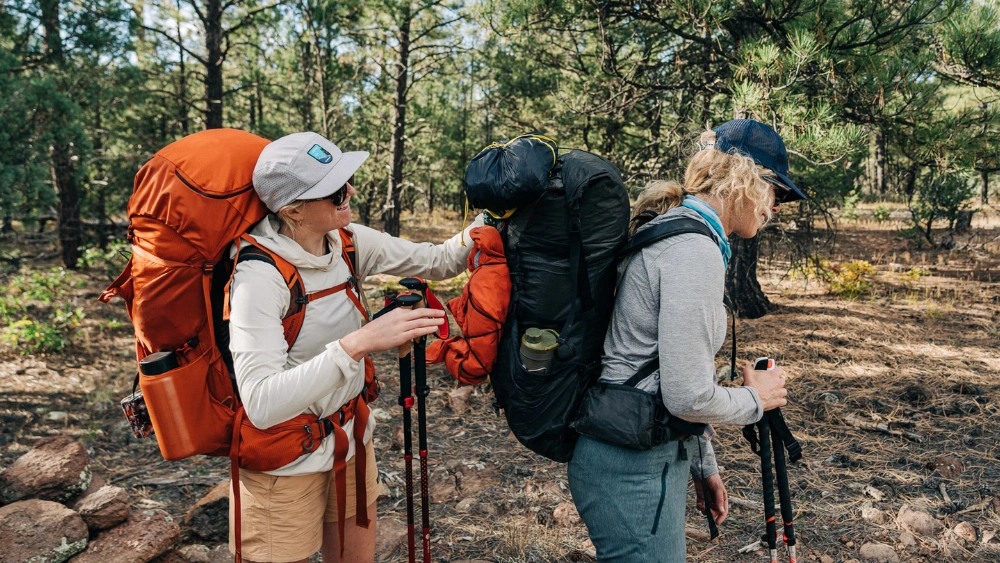
Look for padded shoulder straps and waist belts. These parts take most of the load off your shoulders.
- Padded shoulder straps reduce pressure on shoulders
- Waist belts shift weight to hips
- Adjustable straps help fit the bag to your body
- Load lifters keep the bag close to your back
Material And Durability
Backpack material affects weight and how long it lasts. Choose strong but light fabrics.
Nylon and polyester are common. They resist tears and dry quickly. Check the stitching and zippers for quality.
- Nylon: strong and light
- Polyester: durable and water-resistant
- Ripstop fabric prevents small tears from growing
- Good zippers last longer
Packing Strategies
Choosing how much your backpacking bag should weigh is very important. Packing smart helps you carry less and hike easier.
Using good packing strategies keeps your bag light and balanced. It also helps you find your things quickly.
Essential Items Only
Pack only what you really need. Extra items add weight and slow you down. Think about your trip length and weather.
Focus on basics like shelter, water, food, and clothes. Skip things that are nice but not necessary.
- Lightweight tent or tarp
- Water filter or purifier
- High-energy food
- Weather-appropriate clothing
- Basic first aid kit
Layering And Compression
Use layers to adjust your clothes to the weather. Layering helps you stay warm without packing heavy coats.
Compression bags or sacks save space by squeezing clothes and gear. This keeps your bag neat and lighter to carry.
- Base layer for moisture control
- Insulation layer for warmth
- Shell layer for wind and rain
- Compression sacks for bulky items
Balancing Weight
Place heavy items close to your back and center. This helps keep your balance and reduces strain on your body.
Evenly spread out the weight from side to side. Avoid putting all heavy gear in one spot to prevent discomfort.
- Keep heavy gear near your spine
- Put medium weight items above and below
- Light items go at the top and outside pockets
- Adjust straps to fit snugly
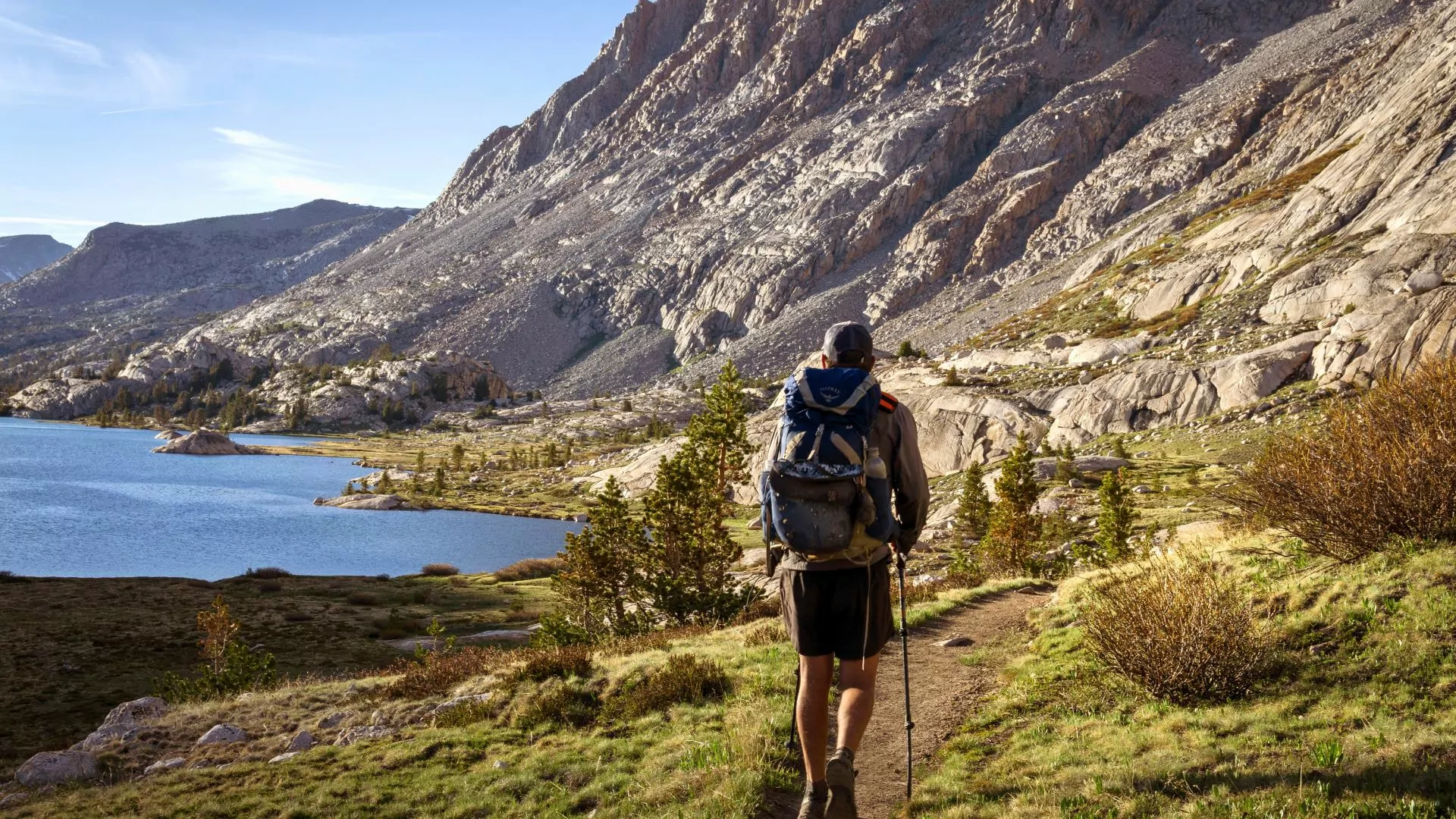
Credit: wildlandtrekking.com
Weight Management Tips
Carrying a backpack while hiking can be tough if it is too heavy. Keeping your bag light helps you walk longer and enjoy more.
Here are some tips to manage the weight of your backpack. These will make your trip easier and more fun.
Lightweight Gear Options
Choose gear made from light materials. These can save a lot of weight without losing quality. Look for items that are small and easy to carry.
- Use a lightweight tent or hammock
- Pick a sleeping bag with good warmth-to-weight ratio
- Carry a compact stove and minimal cooking tools
- Choose a light backpack with padded straps
Reducing Food And Water Load
Food and water are heavy but needed. Plan meals that are light and high in energy. Carry only the water you need and refill when you find water sources.
- Pick dehydrated or freeze-dried foods
- Use small containers for food storage
- Bring a water filter to refill safely
- Drink regularly to avoid carrying extra water
Clothing Choices
Wear clothes that weigh less but keep you comfortable. Choose layers that dry quickly and protect you from weather changes.
- Use lightweight, moisture-wicking fabrics
- Carry only essential clothing layers
- Wear your heaviest clothes while hiking
- Avoid cotton; it stays wet and heavy
Health And Safety Considerations
Choosing the right weight for your backpacking bag is important for your health and safety. Carrying too much weight can cause pain and injuries. Carrying too little weight might leave you unprepared.
It is important to balance what you carry to keep your body safe and comfortable. Let’s look at some key points to consider for your backpack weight.
Preventing Strain And Injury
Heavy bags can strain your back, shoulders, and hips. This strain can lead to pain and long-term injuries. To avoid this, keep your backpack weight manageable.
Experts suggest your backpack should weigh no more than 20-25% of your body weight. Use padded straps and a waist belt to spread the load evenly. Take breaks and stretch often to reduce muscle tension.
- Keep weight under 25% of your body weight
- Use padded shoulder straps and waist belts
- Take regular breaks to rest and stretch
Adjusting Weight For Terrain
Different terrains need different backpack weights. Rough or steep trails require lighter loads to keep balance. Flat or easy trails allow for slightly heavier packs.
When hiking on rocky or uneven ground, reduce your pack weight. This helps avoid trips and falls. On smooth paths, you can carry more but stay within safe limits.
- Lighten your load on steep or rocky trails
- Keep weight balanced to maintain stability
- Adjust pack weight based on trail difficulty
Listening To Your Body
Your body gives signals when the backpack is too heavy. Watch for pain, numbness, or tingling in shoulders and back. Stop and adjust your load if you feel discomfort.
Do not ignore fatigue or unusual soreness. Rest or reduce your pack weight to avoid injuries. Carry only what you need and remove extras if possible.
- Notice pain or numbness early
- Rest often and adjust your pack
- Carry only essential items

Credit: www.youtube.com
Real-life Backpack Weight Examples
Choosing the right backpack weight is important for a comfortable journey. There are different categories based on the type of backpacking you plan to do.
Let’s look at some real-life examples to help you decide what works best for your adventure.
Ultralight Backpacking
Ultralight backpacking is for those who want to carry as little weight as possible. It is ideal for short trips and experienced hikers.
- Average pack weight: 10-15 pounds
- Essential gear only
- Minimal clothing and food supplies
Standard Backpacking Loads
Standard backpacking is a more common approach. It balances comfort with weight, making it suitable for most hikers.
| Trip Duration | Average Pack Weight |
| Weekend | 20-30 pounds |
| 1 Week | 30-40 pounds |
Extended Trips
Extended trips require more supplies, especially if you’re venturing into remote areas. Pack wisely to ensure safety and comfort.
Considerations for extended trips:
- Food for multiple days
- Extra clothing layers
- Emergency gear
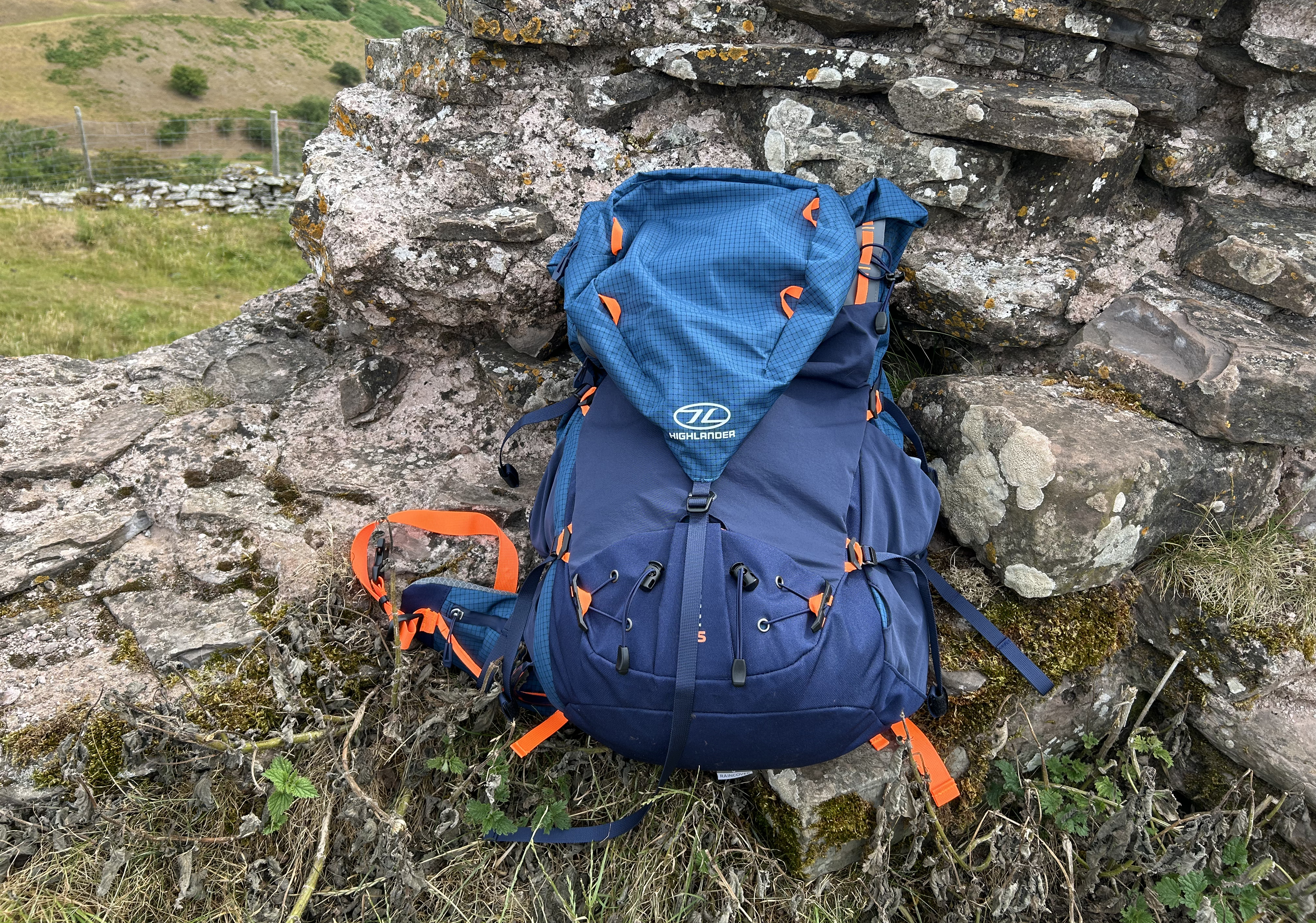
Credit: www.advnture.com
Frequently Asked Questions
What Is The Ideal Weight For A Backpacking Bag?
The ideal backpacking bag weight is about 20-25% of your body weight. For most, this means 15-20 pounds. Keeping it light improves comfort and reduces fatigue during long hikes.
How Does Backpack Weight Affect Hiking Performance?
Heavier backpacks increase fatigue and slow your pace. Lighter loads enhance endurance and agility. A balanced weight helps maintain energy and prevents injuries over long distances.
What Items Are Essential To Keep Backpack Weight Low?
Focus on lightweight, multi-use gear like a compact tent and minimal clothing. Avoid unnecessary items. Prioritize essentials like water, food, and safety gear to keep your pack light and efficient.
Can Backpack Weight Vary By Trip Length?
Yes, longer trips require more supplies, increasing weight. Short trips allow for lighter packs. Planning food, water, and gear according to trip length helps optimize your backpack’s weight.
Conclusion
Choosing the right backpack weight helps you enjoy your trip more. Carrying too much makes hiking hard and tiring. Keep your bag light to stay comfortable and safe. Think about what you truly need on your journey. A lighter pack lets you move faster and easier.
Remember, every extra pound affects your energy and speed. Find a balance between essentials and weight. This way, your backpack supports, not slows, your adventure.