Imagine settling into your sleeping bag after a long day of hiking, only to find it damp and uncomfortable. That soggy feeling can quickly turn a great adventure into a restless night.
Keeping your sleeping bag dry is not just about comfort—it’s essential for staying warm and safe while backpacking. If you want to avoid this common problem and enjoy every night under the stars, you need to know the simple yet effective ways to protect your sleeping bag from moisture.
Ready to learn how to keep your sleeping bag dry no matter where your trail takes you? Keep reading—your best night’s sleep is just ahead.
Credit: pangolinswithpacks.com
Choose The Right Sleeping Bag Material
Keeping your sleeping bag dry is key for a good night’s rest outdoors. The material you choose affects how well your bag handles moisture. Picking the right fabric helps you stay warm and comfortable while backpacking.
This guide explains two important factors: synthetic versus down fill and water-resistant fabrics. Learn which materials suit your needs best.
Synthetic Vs Down
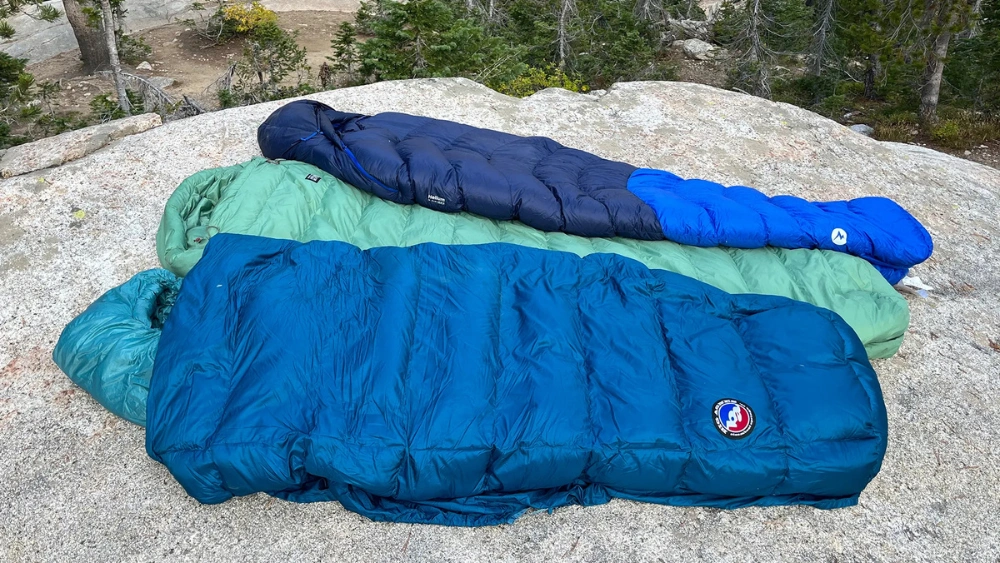
Synthetic and down are the two main types of sleeping bag fills. Each has benefits and limits for staying dry.
- Synthetic:Made from man-made fibers. It keeps warmth even when wet. It dries quickly but can be heavier.
- Down:Made from duck or goose feathers. Very warm and lightweight. It loses insulation when wet and takes longer to dry.
Choose synthetic if you expect wet conditions or need quick drying. Choose down for dry, cold weather and light packing.
Water-resistant Fabrics
Fabric treatments and materials help protect your sleeping bag from moisture outside. Look for water resistance in the shell fabric.
| Fabric Type | Water Resistance | Breathability |
| Nylon with DWR coating | Good | High |
| Polyester with water repellent | Moderate | Medium |
| Silnylon | Excellent | Low |
| Cotton | Poor | High |
Durable water repellent (DWR) coatings help beads of water roll off fabric. Choose bags with these finishes for better dryness.
Credit: gearjunkie.com
Use A Waterproof Stuff Sack
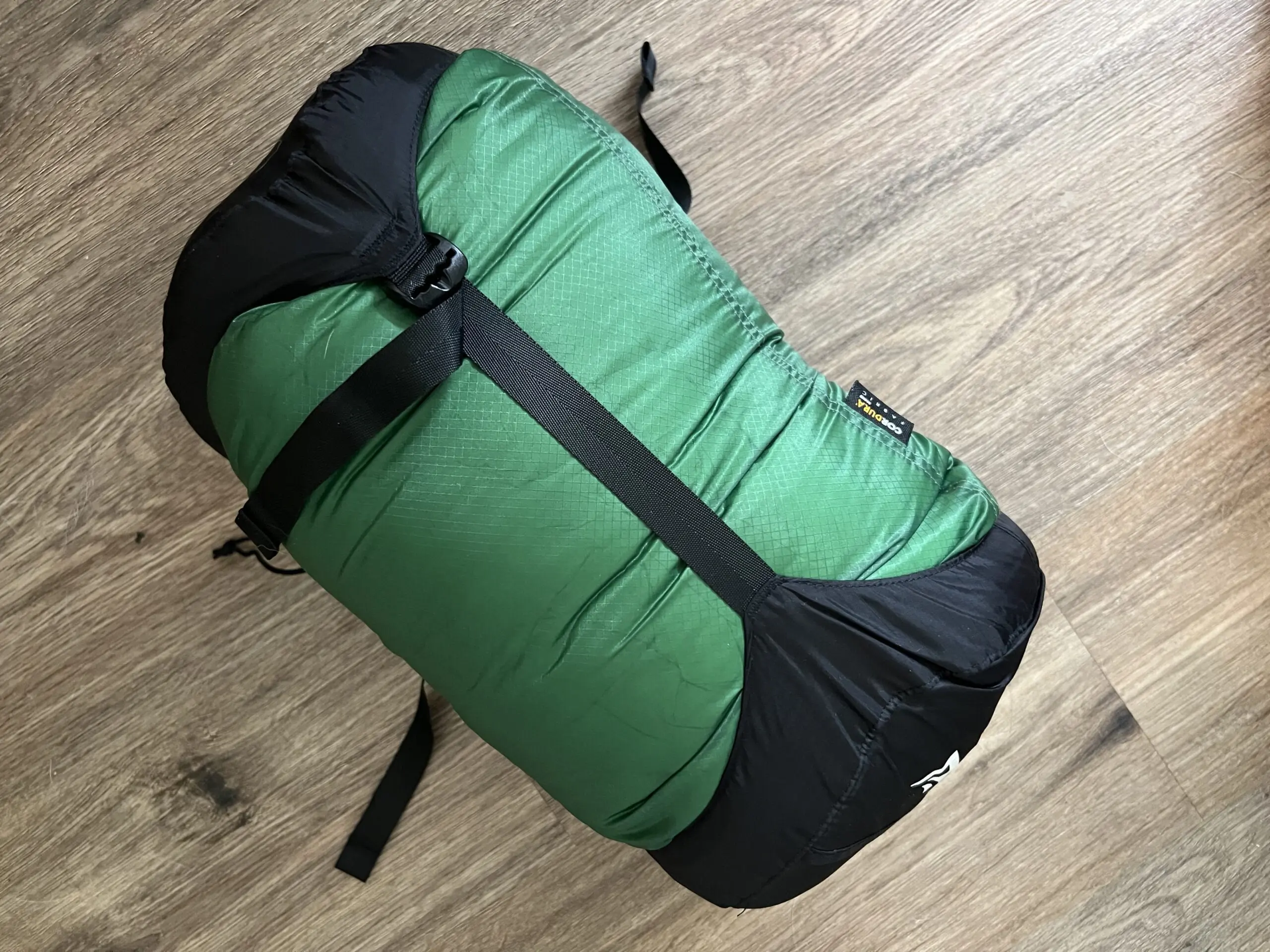
Keeping your sleeping bag dry is very important while backpacking. A waterproof stuff sack helps protect it from rain and wet conditions.
This sack keeps moisture out and makes packing easier. It is a simple way to keep your gear safe and dry on your trips.
Benefits Of Dry Bags
Dry bags stop water from soaking your sleeping bag. They protect your gear in rain or near water.
Using a dry bag keeps your sleeping bag warm and comfortable. Wet sleeping bags can cause cold and discomfort.
- Prevents water damage
- Keeps sleeping bag light and fluffy
- Makes packing and carrying easier
- Protects against dirt and mud
- Can store other wet items separately
Selecting The Best Sack
Choose a sack that fits your sleeping bag size well. Too small or too big sacks are not effective.
Look for strong material and a reliable closure. Roll-top seals often work better than zippers for waterproofing.
- Size matches your sleeping bag
- Made of durable, waterproof material
- Easy to close tightly
- Lightweight for easy carrying
- Simple to use in all weather
Pack Strategically
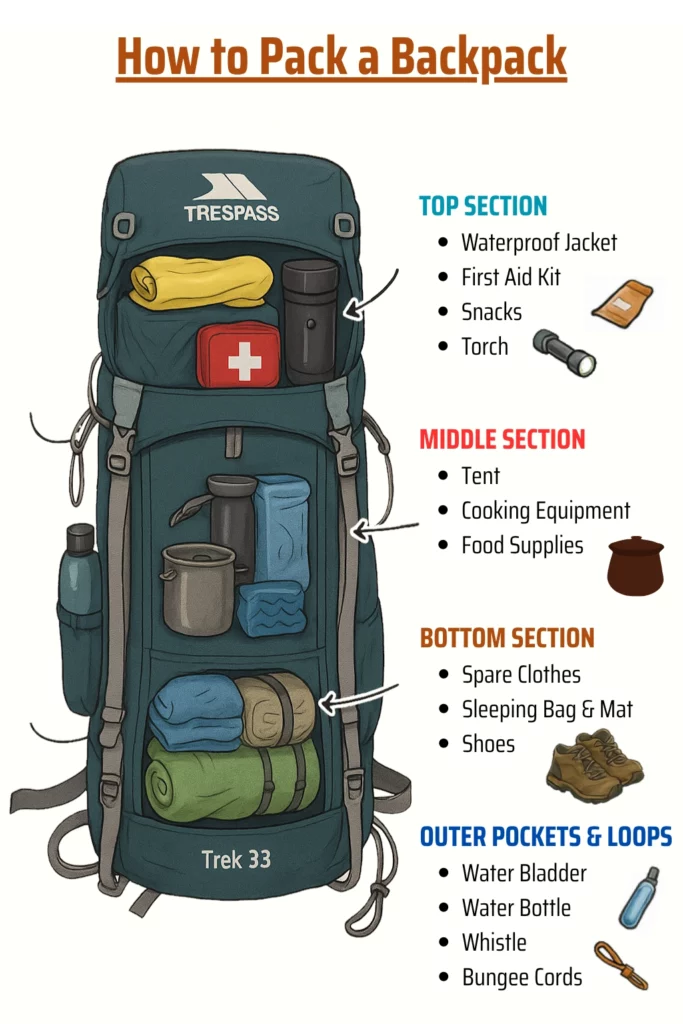
Keeping your sleeping bag dry is key for a good night outdoors. Packing smart helps stop moisture from reaching your bag.
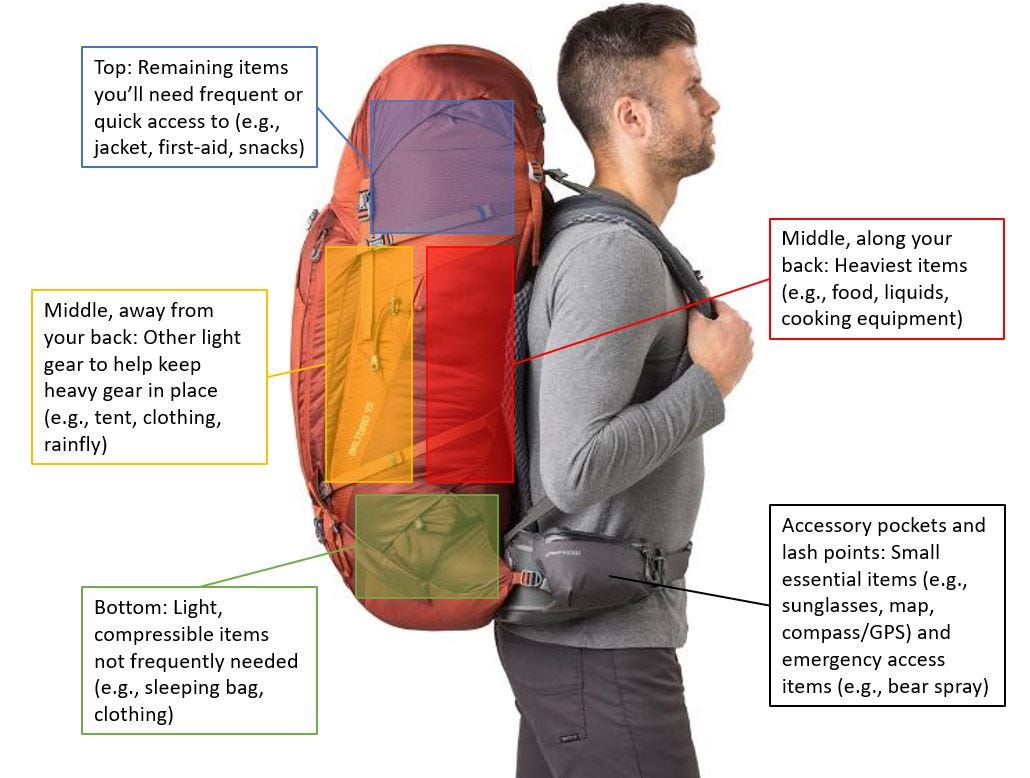
Think about how you arrange your gear inside your backpack. This plan can protect your sleeping bag from water and dampness.
Layering Your Gear
Use layers to shield your sleeping bag. Place items that can absorb water or are wet away from your bag. Keep your sleeping bag in the center or top of your pack for extra safety.
- Put a waterproof stuff sack around your sleeping bag.
- Wrap your sleeping bag in a dry bag for extra protection.
- Place clothes or gear that can handle moisture below your sleeping bag.
- Keep electronics and important items separate and dry.
Avoiding Moisture Traps
Moisture can build up in tight spots inside your backpack. Avoid packing too tightly or squeezing wet items near your sleeping bag.
| Common Moisture Traps | How to Avoid |
| Wet clothes pressed against sleeping bag | Keep wet clothes in separate waterproof bags |
| Condensation inside backpack | Use breathable liners and avoid overpacking |
| Leaking water bottles near sleeping bag | Store bottles in external pockets or sealed containers |
| Snow or rain entering backpack opening | Use a rain cover and seal pack opening tightly |
Credit: www.trespass.com
Set Up Camp Wisely
Keeping your sleeping bag dry is crucial for a comfortable trip. Setting up camp properly can help you achieve this. Follow these tips to make sure you stay dry.
Choosing the right spot and placing your shelter correctly are key steps. Let’s explore these strategies to keep your sleeping bag dry.
Choosing Dry Ground
Selecting dry ground is the first step to keep your sleeping area moisture-free. Look for spots that are elevated and away from water sources.
- Choose a site that is on a slight incline to prevent water pooling.
- Avoid setting up camp in valleys or depressions where water can collect.
- Check the ground for dampness before laying down your gear.
- Look for areas with natural drainage to keep water away.
Shelter Placement Tips
Proper shelter placement shields your sleeping bag from rain and dampness. Use these tips to ensure effective protection.
| Tip | Benefit |
| Face the entrance away from the wind | Reduces rain entry |
| Use a ground tarp | Prevents ground moisture |
| Stake the tent properly | Increases stability in wind |
| Utilize natural cover like trees | Provides additional rain protection |
Protect Against Condensation
Condensation can make your sleeping bag wet and cold. It happens when warm air meets cold surfaces inside your tent or shelter.
Keeping your sleeping bag dry means staying warm and comfortable on your backpacking trip. Use simple ways to reduce moisture build-up.
Ventilation Techniques
Ventilate your tent or shelter to let moist air escape. Good airflow reduces condensation inside your sleeping area.
Open tent windows or vents slightly, even if it is cold. This helps keep the air moving and lowers moisture levels.
- Keep tent vents open
- Use mesh windows for airflow
- Avoid sealing your tent completely
- Remove wet clothes before sleeping
Using Ground Tarps
Place a ground tarp under your tent or sleeping bag. This stops moisture from the ground from soaking your gear.
Choose a tarp that is slightly smaller than your tent floor. This prevents water from collecting between the tarp and tent.
- Use a waterproof ground tarp
- Keep tarp edges tucked under the tent
- Check tarp for holes before use
- Dry tarp before packing it away
Dry Your Bag Properly
Drying your sleeping bag properly is essential for maintaining its insulation and extending its lifespan. Improper drying can damage the bag’s materials and reduce its effectiveness.
When backpacking, it’s crucial to dry your sleeping bag as soon as possible to prevent moisture buildup. This can be achieved through various air drying methods and avoiding heat damage.
Air Drying Methods
One of the most effective ways to dry your sleeping bag is by air drying it. This method involves hanging the bag in a well-ventilated area, allowing it to dry slowly and naturally.
There are several ways to air dry your sleeping bag, including:
- Hanging it from a clothesline or a drying rack
- Using a drying stand or a drying tent
- Spreading it out on a large, dry surface
Avoiding Heat Damage
Heat can damage your sleeping bag’s insulation and cause it to lose its effectiveness. It’s essential to avoid exposing your bag to direct heat sources, such as radiators, heaters, or dryers.
When drying your sleeping bag, make sure to avoid the following:
- Direct sunlight, which can cause the insulation to degrade
- High temperatures, which can melt the bag’s materials
- Strong winds, which can cause the bag to dry unevenly
Maintain Your Sleeping Bag
Keeping your sleeping bag dry is important on backpacking trips. Proper maintenance helps it last longer and stay warm.
This guide covers regular cleaning and waterproof treatments to protect your sleeping bag.
Regular Cleaning
Cleaning your sleeping bag regularly removes dirt and oils. This keeps the insulation effective and the fabric strong.
- Use a gentle detergent made for outdoor gear.
- Hand wash or use a front-loading washing machine on a delicate cycle.
- Rinse thoroughly to remove all soap.
- Dry completely by air or low heat in a dryer with tennis balls.
- Avoid bleach or fabric softeners that damage fabric.
Waterproof Treatments
Waterproof treatments help keep water out and maintain breathability. Apply them after cleaning your bag.
| Type of Treatment | Use | Frequency |
| DWR Spray | Repels water on outer fabric | Every few trips |
| Wash-In Waterproof | Protects entire fabric | Once or twice per season |
| Seam Sealant | Stops leaks at seams | As needed after damage |
Frequently Asked Questions
How Can I Waterproof My Sleeping Bag Effectively?
Use a waterproof stuff sack or dry bag to store your sleeping bag. Additionally, wrap it in a lightweight rain cover. These layers prevent water from seeping in during rain or wet conditions, keeping your sleeping bag dry and comfortable throughout your backpacking trip.
What Materials Keep Sleeping Bags Dry In Wet Conditions?
Sleeping bags made with water-resistant or synthetic materials like nylon and polyester repel moisture better. Avoid down-filled bags unless treated with a water-repellent coating. These materials help maintain insulation and keep your sleeping bag dry during damp weather.
How To Prevent Moisture Inside The Sleeping Bag?
Always store your sleeping bag in a dry place during breaks. Avoid placing it directly on wet ground by using a waterproof groundsheet or tarp. Also, air out the sleeping bag during the day to reduce internal moisture buildup and maintain dryness.
Can Using A Bivy Sack Protect My Sleeping Bag?
Yes, a bivy sack acts as a waterproof shell around your sleeping bag. It adds an extra layer of protection from rain, snow, and ground moisture. This helps keep your sleeping bag dry and improves overall comfort while backpacking.
Conclusion
Keeping your sleeping bag dry helps you stay warm and comfortable outdoors. Use a waterproof stuff sack to protect it from rain. Avoid placing the bag directly on wet ground. Dry it out every day if it gets damp. Small steps prevent big problems on the trail.
Stay prepared, and your backpacking trips will be more enjoyable. Dry gear means better rest and safer adventures. Remember, a dry sleeping bag is key to happy camping.