Have you ever wondered if you can wash your backpacking sleeping bag without ruining it? If you’re like most outdoor lovers, keeping your gear clean is important—but the idea of washing a sleeping bag might feel risky.
What if it loses its warmth or gets damaged? You’re about to discover simple, effective ways to clean your sleeping bag safely. Keep reading to learn how to refresh your gear so it stays cozy and ready for your next adventure.
When To Wash Your Sleeping Bag
Keeping your backpacking sleeping bag clean helps it last longer. Dirt, sweat, and oils can reduce its warmth and comfort. Knowing when to wash it is important for good care.
Washing too often can damage the bag’s insulation. Washing too little can cause smells and stains. Watch for signs that your sleeping bag needs cleaning.
Signs It Needs Cleaning
Look for these signs to know if your sleeping bag needs a wash:
- Visible dirt or stains on the fabric
- A strong smell that does not go away with airing
- Loss of loft or fluffiness in the insulation
- Feeling sticky or oily inside the bag
- Allergy symptoms after use, like sneezing or itching
Frequency Recommendations
How often you wash your sleeping bag depends on use and care. Most users follow these guidelines:
| Usage Type | Washing Frequency |
| Light Use (few trips per year) | Once per season |
| Regular Use (monthly trips) | After 3 to 4 trips |
| Heavy Use (weekly trips or harsh conditions) | Every 1 to 2 months |

Credit: www.amazon.ca
Types Of Sleeping Bag Materials
Sleeping bags come in many materials. These materials affect how you wash and care for your bag.
Knowing the types of materials helps keep your sleeping bag clean and safe for use.
Down Vs Synthetic Fill
Down fill comes from bird feathers. It is very warm and light. It packs small but can lose loft when wet.
Synthetic fill is made from man-made fibers. It is heavier but dries faster and keeps warmth when wet.
- Down fill is soft and compressible
- Down needs special washing and drying
- Synthetic fill is easier to clean
- Synthetics are better for wet conditions
Outer Fabric Considerations
Outer fabrics protect the insulation inside. They can be made of nylon, polyester, or other materials.
Some fabrics have water-resistant coatings. These coatings help keep moisture out but need gentle washing.
- Nylon is light and strong but can tear
- Polyester resists water and dries fast
- Avoid harsh detergents that damage fabric
- Check care labels for washing instructions
Pre-wash Preparation
Cleaning your backpacking sleeping bag starts before washing. Proper preparation helps keep it safe and clean.
Taking small steps before the wash saves time and protects the materials inside the bag.
Checking Care Labels
Look for the care label on your sleeping bag. It shows what cleaning methods are safe.
- Check the washing temperature allowed
- See if machine washing is okay
- Note if only hand washing is recommended
- Look for bleach or detergent restrictions
- Check drying instructions to avoid damage
Removing Debris And Stains
Clear off dirt and stains before washing. This helps the bag get cleaner and lasts longer.
| Type of Debris | Removal Method |
| Loose Dirt | Shake or brush off outside |
| Stains | Spot clean with mild soap and water |
| Leaves or Twigs | Pick off by hand carefully |
| Oils or Grease | Use a gentle stain remover |

Credit: wolph.co
Washing Methods
Cleaning a backpacking sleeping bag helps keep it fresh and working well. Choosing the right washing method protects its warmth and material.
There are two main ways to wash your sleeping bag: by hand or using a washing machine. Each way needs care to avoid damage.
Hand Washing Techniques
Hand washing is gentle on sleeping bags. It lets you clean without stressing the fabric or filling.
Fill a bathtub or large sink with lukewarm water. Add a small amount of suitable detergent. Submerge the sleeping bag and gently squeeze the water through it. Avoid scrubbing or wringing.
- Use lukewarm water, not hot
- Press the bag gently to clean
- Rinse several times to remove soap
- Do not wring or twist the bag
Machine Washing Tips
Machine washing can save time but needs care. Use a front-loading washer if possible, as top loaders may damage the bag.
Select a gentle cycle with cold or lukewarm water. Use extra rinse cycles to clear all soap. Avoid using fabric softeners or bleach.
- Choose gentle or delicate cycle
- Use cold or lukewarm water
- Run extra rinse cycles
- Do not use bleach or fabric softener
Best Detergents To Use
Use detergents made for down or synthetic sleeping bags. Regular detergents can harm the insulation and fabric.
Look for gentle, non-detergent cleaners that do not leave residue. These keep your sleeping bag fluffy and water-resistant.
- Down-specific cleaners for down bags
- Synthetic-specific cleaners for synthetic fills
- Non-detergent, mild soaps
- Avoid bleach and harsh chemicals
Drying Your Sleeping Bag
Drying your backpacking sleeping bag is very important after washing. Proper drying keeps the insulation warm and fluffy. It also stops mold and bad smells from forming.
There are a few ways to dry your sleeping bag safely. Choosing the right way helps keep your bag in good shape for many trips.
Air Drying Best Practices
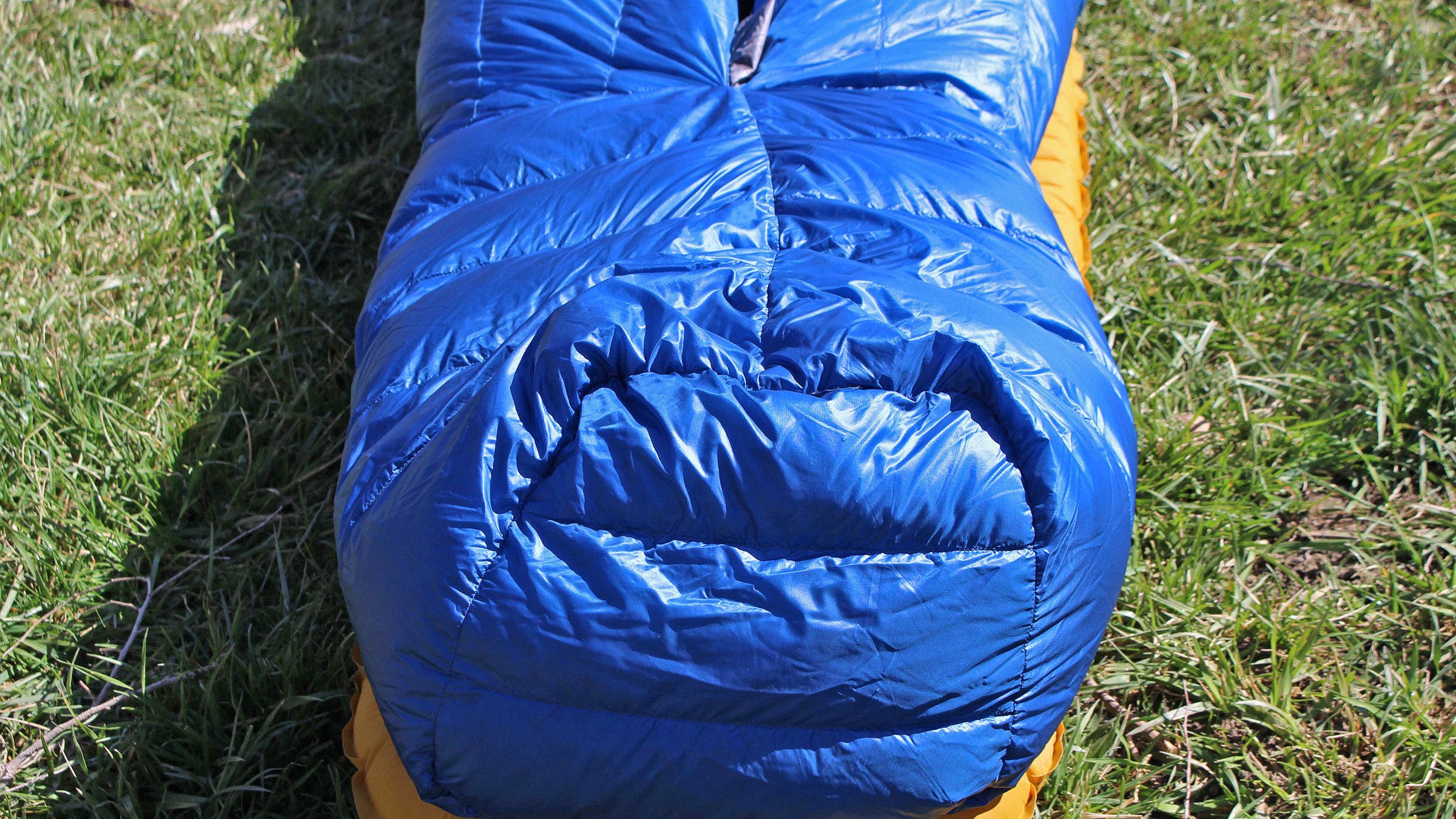
Air drying is the safest way to dry your sleeping bag. It uses no heat, so the fabric stays safe. Find a clean and dry spot with good airflow to hang your bag.
Use a wide, padded hanger or lay the bag flat on a clean surface. Avoid direct sunlight to stop colors from fading. Flip or shake the bag often to help it dry evenly.
- Choose a shaded, ventilated area
- Hang or lay flat without folding tightly
- Turn or shake the bag every few hours
- Keep it away from direct sunlight
Using A Dryer Safely
You can use a dryer if air drying takes too long. Use the lowest heat setting or a no-heat tumble dry option. High heat can damage the insulation and fabric.
Add clean tennis balls or dryer balls. They help keep the insulation fluffy while drying. Check the bag often to avoid overheating or melting parts.
- Set dryer to low or no heat
- Use tennis balls to maintain loft
- Check the bag every 20-30 minutes
- Remove immediately when dry
Avoiding Common Drying Mistakes
Many people make mistakes that damage their sleeping bags. Avoid drying in direct sun or on a hot radiator. Do not fold the bag tightly while wet. This traps moisture and causes mildew.
Never use bleach or fabric softener. They ruin the bag’s materials. Also, do not rush drying by using high heat or leaving the bag damp for days.
- Do not dry in direct sunlight or near heat sources
- Never fold or compress the wet bag tightly
- Avoid bleach and fabric softeners
- Do not leave damp for long periods
- Do not use high dryer heat
Credit: www.backpacker.com
Maintaining Sleeping Bag Loft And Warmth
Keeping your sleeping bag warm and fluffy is important for a comfortable night’s sleep. Proper care ensures the bag stays cozy for many adventures.
Follow these tips to maintain the loft and insulation of your sleeping bag, so you can enjoy your outdoor trips with ease.
Fluffing And Storage Tips
Fluffing your sleeping bag regularly helps maintain its loft. Proper storage is also crucial for preserving its warmth.
- Shake your sleeping bag gently after each use to redistribute the insulation.
- Avoid compressing it for long periods. Store it in a large cotton sack or hang it in a closet.
- Use a sleeping bag liner to minimize the need for frequent washes.
Protecting Insulation After Wash
Washing your sleeping bag carefully is key to protecting its insulation. Follow these steps for best results.
Once washed, dry the sleeping bag in a tumble dryer on low heat. Adding clean tennis balls can help fluff the insulation as it dries.
| Action | Benefit |
| Gentle washing | Preserves insulation |
| Low heat drying | Prevents damage |
| Using tennis balls | Fluffs up loft |
Common Mistakes To Avoid
Washing a backpacking sleeping bag can be tricky. Mistakes can damage the bag and reduce its lifespan.
Understanding what to avoid is essential for maintaining your sleeping bag’s quality.
Overwashing Risks
Washing your sleeping bag too often can wear out the fabric. This reduces its insulation ability.
- Loss of warmth retention
- Fabric thinning
- Decreased water resistance
Using Harsh Chemicals
Harsh chemicals can damage the delicate materials of your sleeping bag. It is important to use mild detergents.
Improper Drying Effects
Improper drying can lead to mold and odor. It is crucial to dry your sleeping bag thoroughly.
| Drying Method | Effect |
| Air Dry | Prevents mold |
| Direct Sunlight | Can damage fabric |
| Tumble Dry | Use low heat |
Quick Cleaning Alternatives
Backpacking sleeping bags can get dirty fast. Washing them fully takes time and effort.
Quick cleaning helps keep your bag fresh without a full wash. You can use simple ways to clean small spots or protect your bag better.
Spot Cleaning
Spot cleaning removes dirt or stains on small areas. It saves time and avoids wetting the whole bag.
Use a damp cloth with mild soap for dirty spots. Gently rub the area and rinse with water. Let it dry fully before packing.
- Use cold or lukewarm water
- Choose gentle soap without harsh chemicals
- Avoid soaking the bag
- Dry in shade, not direct sun
Using Sleeping Bag Liners
Sleeping bag liners protect the inside of your bag. They keep dirt, sweat, and oils off the main fabric.
Linens are easier to wash often. You can remove and clean them quickly, which keeps your sleeping bag cleaner longer.
- Use liners made of silk or synthetic fabrics
- Wash liners more often than the sleeping bag
- Linens add warmth and comfort too
- They help reduce full bag washing frequency
Frequently Asked Questions
Can You Machine Wash A Backpacking Sleeping Bag?
Yes, most backpacking sleeping bags can be machine washed. Use a front-loading washer on a gentle cycle with mild detergent. Always check the care label before washing to avoid damage.
How Often Should You Wash A Sleeping Bag?
Wash your sleeping bag once or twice a season. Frequent washing can reduce insulation and fabric life. Spot clean when possible to extend time between washes.
What Detergent Is Best For Sleeping Bags?
Use a mild, non-detergent cleaner designed for technical gear. Avoid regular detergents, bleach, or fabric softeners as they damage the insulation and water-repellent coatings.
Should You Dry A Sleeping Bag In A Dryer?
Yes, tumble dry on low heat with clean tennis balls. This helps restore loft and fluffiness. Avoid high heat to prevent fabric and insulation damage.
Conclusion
Washing a backpacking sleeping bag keeps it fresh and lasts longer. Use gentle soap and cold water for the best care. Avoid strong detergents or hot water to protect the insulation. Dry your bag completely before packing it away to stop mold.
Clean bags feel cozy and help you sleep better outdoors. Treat your sleeping bag well, and it will serve you on many adventures. Easy steps, big results. Your comfort on the trail depends on it.