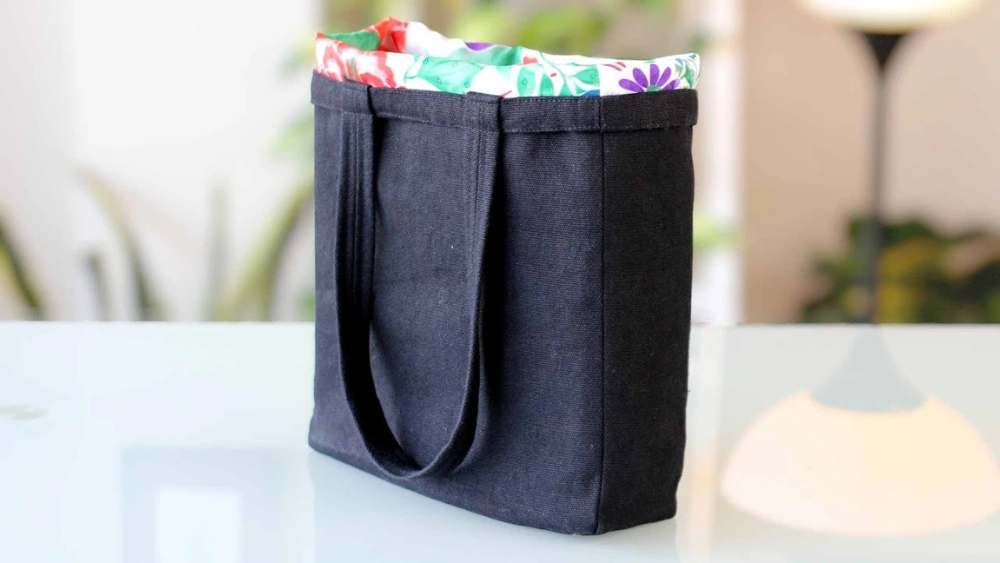
Are you ready to create a stylish, practical tote bag that fits your daily needs perfectly? Making a lined tote bag with pockets is easier than you might think—and once you have it, you’ll wonder how you ever lived without it.
Imagine having a bag that not only looks great but also keeps your essentials organized and easy to find. In this guide, you’ll learn simple steps to sew your own custom tote, tailored just for you. Keep reading, and by the end, you’ll have a beautiful, functional bag you’ll love carrying everywhere.
Materials Needed
Making a lined tote bag with pockets is a fun sewing project. You need the right materials to make the bag strong and useful. This guide lists what you need to gather before starting.
We will cover fabric choices, tools required, and some optional accessories. These items help you create a neat and functional tote bag.
Fabric Selection
Choose fabrics that are sturdy but easy to sew. Cotton canvas and denim are good for the outside. For lining, use lighter cotton or quilting fabric. Pocket fabric should be durable but flexible.
- Outer fabric: cotton canvas or denim (1 yard)
- Lining fabric: cotton or quilting fabric (1 yard)
- Pocket fabric: cotton or canvas scraps
- Interfacing: fusible, medium weight (1 yard)
Required Tools
| Tool | Purpose |
|---|---|
| Sewing machine | Stitch fabric pieces together |
| Fabric scissors | Cut fabric cleanly |
| Measuring tape | Measure fabric and seams |
| Pins or clips | Hold fabric layers in place |
| Iron | Press seams and fabric |
| Thread | Match fabric color for stitching |
Optional Accessories
You can add some extras to make your tote bag more stylish or easier to use. These are not necessary but can improve your bag.
- Zippers for secure pockets
- Decorative buttons or patches
- Strap webbing for stronger handles
- Fabric paint or markers for design

Credit: www.youtube.com
Cutting The Fabric
Cutting the fabric is a key step in making a lined tote bag with pockets. It helps you get the right size and shape for each part of the bag.
Careful cutting makes sewing easier and the final bag look neat. Use sharp tools and measure twice before cutting.
Measuring Dimensions
Start by measuring the fabric pieces for the main bag, lining, and pockets. Use a ruler or measuring tape for accuracy.
| Piece | Width | Height | Quantity |
| Main Bag Fabric | 16 inches | 14 inches | 2 |
| Lining Fabric | 16 inches | 14 inches | 2 |
| Pocket Fabric | 8 inches | 10 inches | 2 |
Marking And Cutting Tips
Mark the fabric with chalk or a fabric pen before cutting. This helps keep your lines straight and your pieces even.
- Place fabric on a flat surface.
- Use a ruler to draw straight lines.
- Cut slowly with sharp scissors.
- Cut one layer at a time for accuracy.
- Keep your fingers away from the blade.
- Double-check measurements before cutting.
Creating The Pockets
Pockets add functionality to your tote bag. They help keep things organized. Making pockets is fun and creative.
Let’s dive into how to create pockets for your lined tote bag. We will look at the sizes and attachment process.
Pocket Sizes
Choosing the right size for pockets is important. It depends on what you plan to carry. Large pockets hold books or tablets.
Small pockets are perfect for keys and phones. Measure your items to decide pocket dimensions.
- Large pockets: 8 x 10 inches
- Medium pockets: 6 x 8 inches
- Small pockets: 4 x 6 inches
Attaching Pockets
Attaching pockets to your tote bag is simple. First, pin the pocket pieces to the lining fabric. Make sure the edges align.
Sew around the edges to secure them. Use a straight stitch for a neat look. Reinforce the top corners for strength.
| Step | Action |
| 1 | Pin pocket to lining |
| 2 | Sew edges with a straight stitch |
| 3 | Reinforce top corners |
Sewing The Lining
Sewing the lining for your tote bag adds strength and a neat finish. It also hides raw edges inside the bag.
Focus on preparing the lining fabric and using good stitching techniques. These steps will help your tote last longer.
Preparing The Lining
Start by cutting your lining fabric to match the size of the outer bag. Make sure the fabric is clean and pressed flat.
- Cut two pieces of lining fabric using the tote bag pattern.
- Cut pocket pieces if your design includes pockets.
- Press all fabric pieces to remove wrinkles.
- Finish raw edges with a zigzag stitch or serger to prevent fraying.
- Attach pockets to lining pieces before sewing the lining sides together.
Stitching Techniques
Use straight and even stitches for strong seams. Sew slowly to keep the fabric aligned.
| Technique | Description | Tip |
| Backstitch | Secures the start and end of seams. | Sew 3-4 stitches forward and backward. |
| Topstitching | Gives a clean edge and adds strength. | Sew close to the seam edge on the outside. |
| Seam Allowance | Space between stitch line and fabric edge. | Use 1/2 inch for lining seams. |
| Pressing Seams | Flattens seams for a neat look. | Press seams open or to one side. |
Assembling The Tote Bag
Assembling your lined tote bag with pockets is the final step. It brings all parts together for a neat finish.
Follow simple sewing techniques to join the outer fabric and lining. Then attach the handles securely.
Joining Outer Fabric And Lining
Place the outer fabric and lining right sides together. Make sure pockets are inside the lining.
- Align all edges and pin them evenly.
- Sew around the top edge, leaving a small gap to turn the bag inside out.
- Clip corners and curves for a smooth finish.
- Turn the bag right side out through the gap.
- Push out corners and press the edges flat.
- Topstitch around the top edge to close the gap and secure the fabric.
Adding Handles
Attach the handles evenly on the outer fabric. Secure stitching keeps the handles strong.
| Handle Placement | Measurement from Side Edge |
|---|---|
| Left Handle | 3 inches |
| Right Handle | 3 inches |
Pin each handle in place. Sew multiple rows of stitches to hold handles firmly.

Credit: www.youtube.com
Finishing Touches
Finishing your lined tote bag with pockets adds strength and style. Small details help your bag look neat and last longer.
Two key steps are topstitching and pressing. These steps shape the bag and secure all pieces together.
Topstitching
Topstitching is a row of stitches sewn on the outside of the bag. It adds a clean, finished look and strengthens edges.
- Use a matching or contrasting thread for style.
- Stitch close to the edge, about 1/8 inch away.
- Topstitch around the bag opening and pocket edges.
- Keep stitches even and straight for a neat look.
- Backstitch at the start and end to secure stitches.
Pressing And Shaping
Pressing helps set seams flat and shapes the bag. Use a steam iron to smooth fabric and give the bag a crisp form.
| Pressing Task | Instructions | Tip |
|---|---|---|
| Seam Pressing | Press seams open to reduce bulk inside the bag. | Use a pressing cloth to protect fabric. |
| Bag Edges | Press edges flat after topstitching for sharp lines. | Press both inside and outside for best shape. |
| Pocket Corners | Press pocket corners carefully to keep points sharp. | Use the tip of the iron for precise pressing. |
Care And Maintenance
Keeping your lined tote bag with pockets in good shape is easy. Follow some simple care steps to ensure it lasts long.
Regular maintenance keeps the tote bag looking fresh and clean. Here are some tips to guide you.
Washing Tips
Washing your tote bag properly prevents damage and keeps it clean. Always check the fabric type before washing.
- Use cold water to wash the bag.
- Opt for a gentle cycle if using a machine.
- Avoid using harsh detergents.
- Air dry the bag to prevent shrinkage.
Storage Advice
Proper storage ensures your tote bag remains in great condition. Make sure to store it in a dry place.
When not in use, follow these storage tips:
- Keep the bag away from direct sunlight.
- Do not hang the bag by its handles for long periods.
- Use a dust bag or pillowcase for storage.

Credit: www.sewhillary.com
Frequently Asked Questions
What Materials Are Needed To Make A Lined Tote Bag?
To make a lined tote bag, you need fabric for the outer bag, lining fabric, matching thread, sewing machine, scissors, and pins. Choose durable fabrics like cotton or canvas for strength. Pockets require extra fabric and interfacing for structure and durability.
How Do I Add Pockets To A Lined Tote Bag?
Cut pocket pieces from your fabric and hem the edges. Sew the pockets onto the lining before assembling the bag. Position pockets based on your needs, then secure them with straight stitches. This method keeps pockets neat and functional inside the tote.
Can Beginners Easily Sew A Lined Tote Bag With Pockets?
Yes, beginners can make a lined tote with pockets by following simple sewing steps. Basic skills like straight stitching and cutting fabric are enough. Using clear instructions and practicing patience will help create a professional-looking bag with functional pockets.
What Fabric Works Best For A Durable Tote Bag?
Cotton canvas and denim are best for durable tote bags. These fabrics hold shape well and withstand daily use. For lining, choose lighter cotton or polyester blends to add structure without bulk. Always prewash fabrics to prevent shrinking after sewing.
Conclusion
Making a lined tote bag with pockets is a fun and useful project. You get a strong bag that holds your things well. Pockets keep small items safe and easy to find. Follow the steps carefully, and take your time sewing.
Even beginners can create a stylish and handy tote. Try different fabrics and pocket styles to make it yours. Enjoy carrying a bag you made yourself every day. Sewing your own tote brings pride and saves money. Give it a go and see how simple it can be.