Are you tired of tote bags that tear or lose shape after just a few uses? Imagine having a sturdy tote bag that holds everything you need, looks great, and lasts for years.
You don’t have to spend a fortune or search endlessly for the perfect one. You’ll discover simple steps to make your own strong, reliable tote bag. By following these easy tips, you’ll create a bag that fits your style and stands up to daily wear and tear.
Ready to get started? Let’s dive in!

Credit: www.skiptomylou.org
Choosing The Right Materials
Making a sturdy tote bag starts with picking the best materials. The right choices help your bag last long and hold heavy items well.
This guide covers three key parts: fabric, thread, and handles. Each part plays a big role in strength and durability.
Fabric Types For Strength
Choose fabrics that do not tear or wear out quickly. Strong fabrics keep your tote bag useful for a long time.
- Canvas: Thick and tough, perfect for heavy use.
- Denim: Durable with a strong weave.
- Duck Cloth: Heavy cotton fabric that resists abrasion.
- Leather: Very strong but needs care to stay flexible.
- Ripstop Nylon: Lightweight and tear-resistant.
Selecting Durable Thread
The thread must hold seams tightly without breaking. Use threads designed for heavy fabrics to make your tote last.
| Thread Type | Strength Level | Best Use |
| Polyester | High | General sewing, strong seams |
| Nylon | Very High | Heavy-duty bags and outdoor use |
| Heavy Cotton | Medium | Natural look, less stretch |
Handles And Reinforcements
Handles need to support weight without tearing. Reinforce stress points to stop damage.
- Use webbing or thick fabric for handles.
- Sew handles with double or triple stitching.
- Add extra fabric patches at handle bases.
- Consider metal or plastic rings for handle attachments.
Essential Tools And Supplies
Making a sturdy tote bag needs the right tools and supplies. These help you work easily and get strong results.
Choosing good tools saves time and makes sewing more fun. This guide shows the main tools you need.
Sewing Machines And Needles
A strong tote bag needs a good sewing machine. Look for one that can sew thick fabric easily.
Use needles made for heavy materials. Sharp needles prevent breaking and make neat stitches.
- Use a heavy-duty sewing machine if possible
- Select needles sized 90/14 or 100/16 for thick fabric
- Check needle type for canvas or denim
Cutting And Measuring Tools
Cutting and measuring tools help you get perfect shapes and sizes. Accurate cutting makes sewing easier.
Use sharp scissors or rotary cutters for clean edges. Measure twice to avoid mistakes.
- Fabric scissors or rotary cutter for cutting
- Measuring tape or ruler for exact size
- Chalk or fabric marker to mark lines
Additional Accessories
Extra tools make sewing easier and improve the tote bag quality. They help hold fabric and sew details.
Use pins or clips to keep fabric in place. Thread choices also matter for strength and style.
- Pins or sewing clips to hold fabric
- Strong polyester thread for seams
- Seam ripper to fix mistakes
- Iron and ironing board for pressing seams
Designing Your Tote Bag
Designing a sturdy tote bag starts with careful planning. You need to think about the size, shape, and how you will use it.
This guide will help you decide on important design elements for your tote bag.
Size And Shape Options
Choose a size that fits your needs. Small totes are good for light items. Larger ones carry more but need stronger materials.
- Square shapes hold bulky items well.
- Rectangular shapes fit papers and books easily.
- Deep totes can carry taller objects.
- Wide-bottom totes offer better balance.
Adding Pockets And Compartments
Pockets help organize things inside your tote. You can add them inside or outside.
| Type | Use | Placement |
| Slip Pocket | Quick access to phone or keys | Inside |
| Zipper Pocket | Secure small items | Inside or outside |
| Divider | Separate large items | Inside |
| Exterior Pocket | Hold water bottle or umbrella | Outside |
Planning Reinforcement Areas
Reinforce parts of the tote to make it stronger. Focus on areas that bear the most weight.
- Bag handles need extra stitching or padding.
- Bottom corners should have double layers or patches.
- Seams can use stronger thread or tape inside.
- Attach a lining to support the bag’s shape.

Credit: www.reddit.com
Cutting Fabric Accurately
Cutting fabric accurately is key to making a sturdy tote bag. Precise cuts help the bag hold its shape and last longer.
Use the right tools and follow clear steps to measure, mark, and cut your fabric well. This guide will help you do it right.
Measuring Techniques
Measure your fabric with a clear ruler or measuring tape. Lay the fabric flat on a clean surface to avoid wrinkles.
- Double-check your measurements before cutting.
- Use a fabric weight or pins to hold the fabric steady.
- Measure twice to ensure accuracy.
- Mark seam allowances if needed.
Marking And Cutting Tips
Mark the fabric with tailor’s chalk or a fabric marker. Make clear, thin lines that are easy to see.
| Tip | Reason |
| Use sharp fabric scissors | Clean cuts prevent fraying |
| Cut slowly along the lines | Keeps edges straight |
| Avoid lifting fabric while cutting | Prevents uneven edges |
Sewing Techniques For Durability
Creating a sturdy tote bag means using strong sewing methods. These techniques help the bag last through daily use. Choosing the right stitches and reinforcing the seams makes a big difference.
Also, attaching the handles properly ensures the bag can carry weight without tearing. Let’s look at important sewing tips for making durable tote bags.
Stitch Types And Patterns
Using the correct stitch type improves strength and wear. Straight stitches are common, but some patterns add extra security. For example, a backstitch holds seams tightly and resists pulling.
- Straight stitch: good for most seams and easy to sew
- Backstitch: stronger, prevents seam from opening
- Zigzag stitch: flexible, helps with stretch fabrics
- Double stitch: sewing two parallel lines adds strength
Seam Reinforcement Methods
Reinforcing seams stops the fabric from tearing at stress points. You can add extra fabric strips or special stitches to protect these areas.
| Method | How It Helps | When to Use |
| French seam | Encloses raw edges for a clean, strong finish | Thin or delicate fabric |
| Topstitching | Adds strength and a decorative touch | Seams under stress like handles |
| Double stitching | Two lines of stitches hold seams securely | Heavy fabric or high-stress areas |
| Bias tape binding | Covers raw edges and prevents fraying | Open seams or edges |
Attaching Handles Securely
Strong handles make the tote bag reliable. Sew handles with reinforced stitches and attach them at stress points. Using extra fabric at the base of handles helps spread weight.
- Use double or triple stitching on handle ends
- Sew an “X” or box stitch pattern for extra hold
- Attach handles to the bag’s inside seams for strength
- Add interfacing or extra layers under handle attachments

Credit: www.youtube.com
Adding Finishing Touches
Finish your sturdy tote bag by adding some final touches. These steps add strength and style.
Follow these methods to ensure your tote bag looks great and lasts long.
Topstitching For Strength
Topstitching reinforces seams and adds a neat finish. Use a matching or contrasting thread for effect.
Edge Binding And Hemming
Binding edges prevents fraying and gives a polished look. Hemming ensures no raw edges are visible.
- Choose a matching fabric for binding.
- Attach binding around the bag opening.
- Sew carefully to avoid puckering.
Optional Decorative Elements
Decorative elements personalize your tote bag. Consider adding patches, embroidery, or buttons.
| Element | Purpose |
| Patches | Add color and interest |
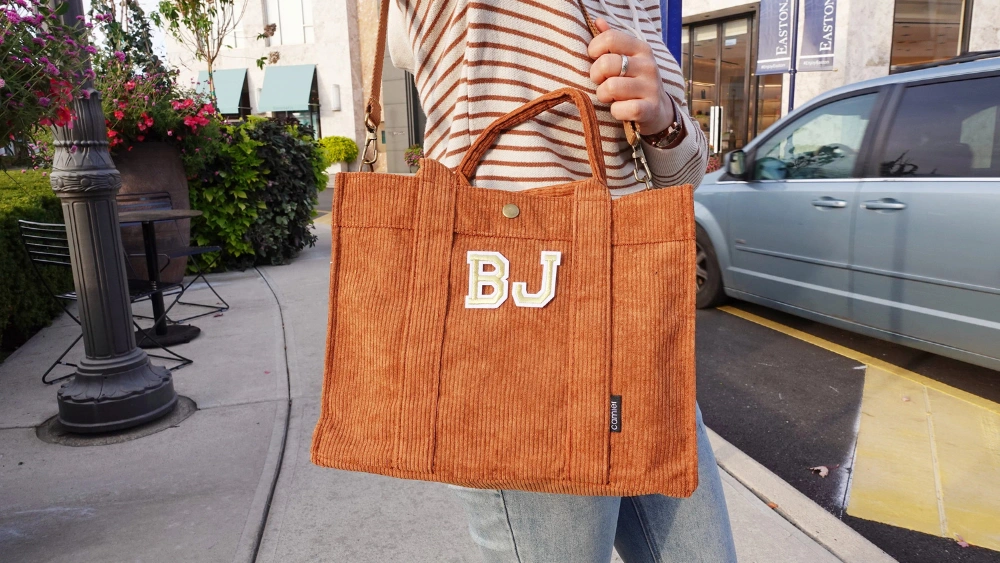
| Embroidery | Personalize with initials |
| Buttons | Decorative and functional |
Care And Maintenance Tips
A sturdy tote bag is a great companion for shopping and travel. Taking care of your tote bag ensures it lasts longer.
Learn how to clean and repair your tote bag with these easy steps. Keep your tote looking fresh and strong.
Cleaning Your Tote Bag
Regular cleaning keeps your tote bag looking new. Check the fabric type before cleaning.
Use gentle soap and warm water for most bags. Avoid harsh chemicals to prevent damage.
- Spot clean stains with a soft cloth
- Hand wash delicate fabrics
- Air dry to prevent shrinkage
Repairing Wear And Tear
Small repairs can extend the life of your tote bag. Fix holes and tears as soon as you notice them.
Use a needle and thread to sew small tears. For larger damages, consider using fabric patches.
- Reinforce weak spots with extra stitching
- Replace broken zippers and handles
- Use fabric glue for quick fixes
Frequently Asked Questions
What Materials Make A Tote Bag Sturdy?
Sturdy tote bags require heavy-duty fabrics like canvas, denim, or leather. Use reinforced stitching and strong handles for durability. Choosing high-quality materials ensures your tote withstands daily use and heavy loads without tearing or wearing out quickly.
How Do I Reinforce Tote Bag Handles?
Reinforce handles by sewing double or triple layers of fabric. Add extra stitching where handles attach to the bag. You can also use rivets or interfacing to strengthen these stress points for longer-lasting handles.
What Sewing Techniques Enhance Tote Bag Strength?
Use double stitching, backstitching, and box stitching at seams and stress points. These techniques prevent seams from splitting under pressure. Consistent, tight stitches improve the bag’s overall durability and longevity.
Can I Make A Tote Bag Waterproof?
Yes, use waterproof fabrics or add a waterproof lining inside the tote. Applying fabric sealants or laminates also protects against moisture. Waterproof totes are ideal for carrying wet or delicate items safely.
Conclusion
Making a sturdy tote bag takes patience and simple steps. Choose strong fabric and use tight stitches. Reinforce handles for better support and longer use. Small details make a big difference in strength. Enjoy carrying a bag you made yourself.
This project is fun and useful. Try it again with new designs. Keep practicing to improve your skills. A sturdy tote bag lasts a long time. It helps reduce waste by reusing materials. Start your sewing journey today and feel proud.