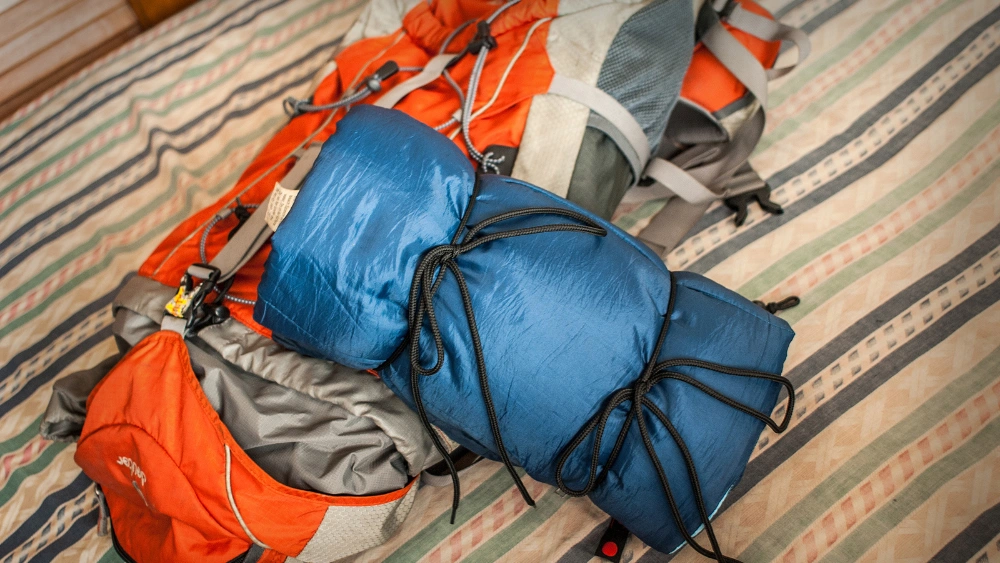
Are you tired of struggling to fit your sleeping bag inside your backpack? Knowing how to tie your sleeping bag to your backpack the right way can save you space, keep your gear dry, and make your hike much more comfortable.
Whether you’re a beginner or have some experience, this simple skill will make your outdoor adventures easier and more enjoyable. Keep reading, and you’ll learn easy, practical steps to secure your sleeping bag perfectly every time.

Credit: www.reddit.com
Choosing The Right Spot
Tying your sleeping bag to your backpack needs careful thought. The right spot keeps your gear balanced and easy to carry.
Picking where to attach the sleeping bag affects comfort and access during your trip. Consider your backpack’s shape and your walking style.
Bottom Vs Side Placement
Many hikers choose either the bottom or the side of the backpack to tie their sleeping bag. Each spot has benefits and drawbacks.
- Bottom placementkeeps the weight low, which helps with balance.
- Side placementmakes the sleeping bag easier to reach during stops.
- Bottom placement may get the sleeping bag dirty or wet from the ground.
- Side placement can make the backpack wider and harder to move through tight spaces.
Considering Backpack Design
Backpack features affect where you can tie your sleeping bag. Look at straps, pockets, and frame type.
| Backpack Feature | Effect on Sleeping Bag Placement |
| Bottom Straps | Secure the bag firmly, good for heavy bags |
| Side Pockets | May block side attachment or hold smaller items |
| External Frame | Allows more space underneath for bottom attachment |
| Internal Frame | Limits bottom space; side or top attachment is better |

Credit: www.reddit.com
Preparing The Sleeping Bag
Before tying your sleeping bag to your backpack, you need to prepare it well. Proper preparation makes it easier to carry and protects the bag during your hike.
Two important steps help make the sleeping bag compact and secure: compressing it and using a compression sack. These steps reduce space and keep the bag safe from dirt and moisture.
Compressing For Compactness
Compressing your sleeping bag removes extra air and makes it smaller. This saves space and helps you fit it better on your backpack.
- Lay the sleeping bag flat on the ground.
- Fold or roll it tightly from the foot end towards the head end.
- Press firmly to push out trapped air.
- Keep it rolled tightly until you secure it with straps or cords.
- Check that it feels firm and compact before moving on.
Using A Compression Sack
A compression sack helps keep your sleeping bag tight and protected. It uses straps to squeeze the bag smaller and makes it easier to attach to your backpack.
| Compression Sack Feature | Benefit |
| Adjustable straps | Allow tight compression to save space |
| Durable fabric | Protects the bag from dirt and moisture |
| Drawstring closure | Keeps the bag secure inside the sack |
| Lightweight design | Does not add much weight to your load |
Selecting Straps And Gear Loops
Tying a sleeping bag to your backpack helps save space inside. You need the right straps and gear loops for this task.
Learn about the types of straps to use and how to find attachment points on your backpack.
Types Of Straps To Use
Straps are essential for securing your sleeping bag. They keep it tight and safe during hikes.
Choose strong and durable straps. They should be adjustable to fit different sizes.
- Buckle straps are easy to use and adjust.
- Velcro straps offer quick attachment and removal.
- Elastic cords work for lightweight sleeping bags.
Identifying Attachment Points
Attachment points on backpacks are key for securing gear. They are built to handle extra weight.
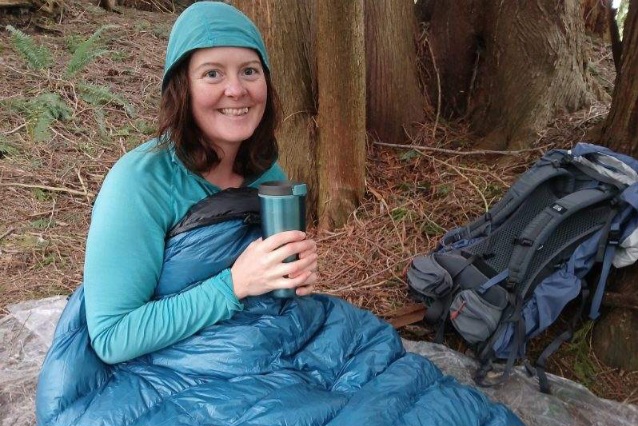
Look for loops or D-rings on the sides or bottom of your backpack. These are common attachment areas.
- Side loops can hold straps for vertical attachment.
- Bottom loops are ideal for horizontal placement.
- D-rings provide extra security for heavier items.
Credit: www.cleverhiker.com
Step-by-step Tying Methods
Tying a sleeping bag to your backpack keeps it secure and easy to carry. Using the right method helps prevent damage and loss.
Below are three ways to attach your sleeping bag safely. Each method uses common tools and simple knots.
Securing With Compression Straps
Many backpacks have built-in compression straps. These straps hold your sleeping bag tightly against the pack.
- Lay your sleeping bag flat and roll it tightly.
- Place the rolled bag below or beside your backpack.
- Pull the compression straps around the bag.
- Tighten the straps until the bag feels secure.
- Check that the bag does not move when you shake the pack.
Using Bungee Cords
Bungee cords stretch and hold your sleeping bag firmly. They are quick to use and adjust.
| Step | Instruction |
|---|---|
| 1 | Roll your sleeping bag tightly. |
| 2 | Place the bag on the backpack’s bottom or side. |
| 3 | Hook one end of the bungee cord to a backpack loop. |
| 4 | Stretch the cord over the bag and hook to another loop. |
| 5 | Use more cords if needed for extra hold. |
Knot Techniques For Stability
Knots help secure sleeping bags when straps or cords are not enough. Use strong, simple knots for stability.
- Square Knot:Tie two ropes by crossing right over left, then left over right.
- Bowline Knot:Make a loop, pass the end through, around, and back through the loop.
- Clove Hitch:Wrap rope around a backpack frame twice and tuck under the last wrap.
Testing And Adjusting
When you attach a sleeping bag to your backpack, it’s important to test and adjust it. This ensures that it stays secure while you hike.
Proper testing and adjustment can prevent discomfort or loss during your journey. Let’s explore the key steps involved.
Checking For Movement
Check if your sleeping bag moves after attaching it. Movement can make hiking difficult and may damage your gear.
- Walk a few steps to see if the bag shifts.
- Gently shake the backpack to test stability.
- Ensure the bag does not sway or bounce excessively.
Re-tightening Straps
If you notice movement, re-tighten the straps. Secure straps keep your sleeping bag in place.
Check each strap for tightness. Adjust until the bag feels snug against the backpack.
- Loosen all straps first, then tighten them evenly.
- Double-check that no strap is twisted or tangled.
- Confirm the bag is balanced and does not tilt.
Tips For Weather Protection
Tying your sleeping bag properly to your backpack helps keep it dry. Rain and wet weather can ruin your gear. Protecting your sleeping bag is very important for comfort and safety.
Use simple tricks to keep water away from your sleeping bag. These tips help you stay dry on your trip.
Waterproof Covers
Use a waterproof cover or stuff sack for your sleeping bag. This cover stops water from soaking in. It is the first line of defense against rain and moisture.
Choose a cover made of durable, water-resistant material. Make sure it fits tightly around your sleeping bag. Seal it well to stop water from entering.
- Pick covers with sealed seams
- Use waterproof stuff sacks or dry bags
- Test your cover before the trip
- Check for holes or tears regularly
Positioning To Avoid Rain
Place your sleeping bag on the backpack where it gets less rain. Avoid the sides and bottom if possible. The top or under the rain cover is best.
Face the sleeping bag away from the wind. This keeps rain from blowing directly on it. Use your backpack’s rain cover to shield the sleeping bag further.
- Attach the sleeping bag under the backpack lid
- Use straps to secure the sleeping bag tightly
- Keep it away from zippers and pockets
- Check your setup in wet weather often
Alternative Packing Options
Tying a sleeping bag to a backpack is one way to carry it. There are other options to pack your sleeping bag. These options help keep your bag safe and save space.
Choosing the right packing method depends on your backpack size and trip length. Let’s look at two good alternatives to tie or carry your sleeping bag.
Inside The Backpack
Placing your sleeping bag inside the backpack protects it from dirt and rain. This way, it stays clean and dry during your trip.
Make sure to compress the bag using a stuff sack. This saves space and fits better inside your pack.
- Use a compression sack to reduce size
- Place heavy items at the bottom for balance
- Put the sleeping bag near the back for support
- Keep it dry by using a waterproof liner
Attaching With Carabiners
You can tie your sleeping bag outside the backpack using carabiners. This method frees up space inside the bag.
Attach the carabiners to the loops or straps on your backpack. Make sure the bag is secure to avoid swinging.
- Use strong carabiners made for outdoor use
- Clip the sleeping bag to the bottom or side loops
- Check that the bag does not block your movement
- Cover the bag with a rain cover if needed
Frequently Asked Questions
How Do I Securely Attach A Sleeping Bag To A Backpack?
Use compression straps or bungee cords to wrap around the sleeping bag. Attach it firmly at the bottom or side of the backpack. This prevents movement and keeps your load balanced during hiking.
What Is The Best Position To Tie A Sleeping Bag On A Backpack?
Attach the sleeping bag at the bottom or outside of the backpack. This position keeps your gear balanced and easily accessible. Avoid placing it inside if you need quick access or want to save space.
Can I Use Straps Other Than Backpack Loops For Tying?
Yes, you can use adjustable bungee cords, carabiners, or compression straps. Ensure these are tight and secure to prevent the sleeping bag from slipping during travel.
Should I Pack My Sleeping Bag Inside Or Outside The Backpack?
If space allows, pack inside to protect from weather and dirt. Otherwise, tie it outside securely using straps. Outside attachment saves internal space but exposes the bag to elements.
Conclusion
Tying a sleeping bag to your backpack keeps your gear neat and easy to carry. Choose a strong strap or cord to secure it tightly. Place the bag where it won’t block your movement or balance. Check the knots before you start walking.
This simple step saves time and avoids hassle on the trail. Practice a few times to find the best method for you. Enjoy your trip with a well-packed backpack and a ready sleeping bag. Safe travels and happy camping!