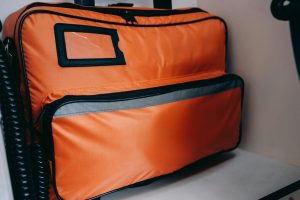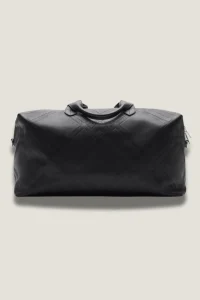

Are you ready to create a stylish satchel bag that’s truly your own? Sewing your own bag lets you choose the perfect fabric, size, and details that match your style.
Imagine carrying a unique bag made by your own hands—one that stands out and fits your needs perfectly. In this guide, you’ll discover simple, step-by-step instructions to sew a satchel bag, even if you’re new to sewing. By the end, you’ll have the skills and confidence to craft a beautiful, functional bag that turns heads wherever you go.
Let’s get started and unlock your creativity!
Materials Needed
To sew a satchel bag, you need the right materials. This guide lists what you should prepare before starting.
Having good fabrics and tools makes the sewing process easier and the bag more durable.
Fabric Choices
Choose fabrics that suit the style and strength needed for your satchel bag. Cotton and canvas are popular options.
- Canvas: Strong and sturdy for everyday use
- Cotton: Lightweight and easy to sew
- Leather or faux leather: Gives a classic look
- Denim: Durable and casual style
- Lining fabric: Smooth cotton or polyester for inside
Essential Tools
| Tool | Purpose |
| Sewing machine | Stitches fabric pieces together |
| Scissors | Cut fabric accurately |
| Measuring tape | Measure fabric and bag parts |
| Pins or clips | Hold fabric pieces in place |
| Needles and thread | Hand sewing and machine sewing |
| Iron | Press seams flat |
Optional Accessories
These items can add style and function to your satchel bag but are not required.
- Zippers or magnetic snaps for closures
- Buckles and straps for adjustable handles
- Decorative patches or embroidery thread
- Interfacing for extra bag structure
- Fabric glue for quick fixes
Preparing The Pattern
Preparing the pattern is the first step to sewing a satchel bag. It helps you cut the fabric correctly.
A good pattern ensures your bag looks neat and fits together well.
Selecting A Satchel Design
Choose a satchel design that fits your style and skill level. Simple designs are best for beginners.
Look for features like pockets, closures, and straps that you want on your bag.
- Decide on bag size: small, medium, or large
- Choose flap style: rounded or straight
- Pick closure type: buckle, snap, or zipper
- Consider strap length and style
Creating Or Printing Templates
Create your own templates or print ready-made ones. Templates guide cutting and sewing.
Use paper or cardboard for templates. They should be sturdy and easy to trace.
- Draw shapes for bag parts on paper
- Label each piece clearly
- Include seam allowances on all edges
- Cut templates carefully with scissors
- If printing, check scale to keep size accurate
Measuring And Cutting Fabric
Measure your fabric before cutting. Use a ruler or measuring tape for accuracy.
Place templates on fabric, pin them down, and cut along the edges.
- Lay fabric flat on a clean surface
- Align templates with fabric grain
- Pin templates to fabric to prevent shifting
- Cut fabric carefully with sharp scissors
- Double-check all pieces before removing templates
Sewing The Main Body
Sewing the main body of a satchel bag needs careful stitching. This ensures the bag stays strong and looks neat.
We will focus on three parts: stitching the panels, adding reinforcements, and making the base.
Stitching Front And Back Panels
Start by aligning the front and back panels of your fabric. Use pins to hold them together. Stitch along the edges with a straight stitch, leaving the top open for the bag opening.
- Place the right sides of the fabric facing each other.
- Pin the edges to keep them aligned.
- Sew a straight seam along the sides and bottom.
- Leave the top edge open for later.
- Press the seams open with an iron.
Adding Reinforcements
Reinforcements help the bag hold weight and last longer. Add extra fabric or interfacing at stress points like corners and straps.
- Sew a patch of strong fabric inside the bottom corners.
- Attach interfacing to the strap areas before stitching straps on.
- Double stitch around the top edges for extra strength.
- Use box stitches where straps meet the bag body.
Constructing The Bag Base
The base gives the bag its shape. Cut a rectangular piece for the bottom and attach it to the main body.
| Base Part | Action | Tip |
|---|---|---|
| Cut Base Panel | Measure and cut fabric to size | Use sturdy fabric for durability |
| Pin Base to Body | Align edges and pin evenly | Match corners carefully |
| Sew Base to Body | Sew slowly with a straight stitch | Backstitch at start and end |
| Press Seams | Iron seams flat for neat finish | Use a pressing cloth to protect fabric |

Credit: www.youtube.com
Crafting The Flap And Pockets
Making the flap and pockets is an important part of sewing a satchel bag. These pieces add style and function to your bag.
Careful cutting and sewing will help your bag look neat and last longer.
Cutting Flap Pieces
Start by choosing a sturdy fabric for the flap. Cut two pieces of the same shape and size for strength.
Use a template to keep the flap even and symmetrical. Mark the fabric carefully before cutting.
- Cut one piece for the outer flap
- Cut one piece for the inner lining
- Include seam allowances of about 1/2 inch
Sewing Pockets Inside
Pick fabric that is lighter but strong for the inside pockets. Cut pocket pieces to fit your needs.
Sew the pocket edges first. Then attach them inside the bag body before closing the sides.
- Pin pockets in place inside the bag
- Sew along the edges with a straight stitch
- Add extra stitching for pocket divisions if needed
Attaching Flap To Body
Place the flap over the bag body with the right sides facing out. Align the edges carefully.
Sew the flap to the back top edge of the bag. Use a strong stitch to keep it secure.
- Pin the flap to the bag body
- Sew across the top edge firmly
- Press the seam flat for a clean finish
Adding Straps And Closures
Adding straps and closures to your satchel bag gives it function and style. These parts help you carry the bag comfortably and keep your items safe. This guide shows how to sew adjustable straps and choose the right closures.
Follow clear steps to attach straps and fasteners well. Proper sewing makes your bag strong and easy to use every day.
Making Adjustable Straps
Adjustable straps let you change the length to fit your comfort. Use strap sliders or buckles for this feature. Cut two long pieces of fabric or webbing for the straps.
- Sew one end of the strap to the bag firmly.
- Slide the strap through the buckle or slider.
- Fold and sew the loose end to keep it from slipping.
- Test the strap length and adjust as needed.
Choosing Closure Types
Closures keep the bag closed and protect your things. Choose closures that match your bag’s style and use. Common types include buttons, zippers, snaps, and magnets.
| Closure Type | Benefits | Best For |
| Button | Simple and classic look | Lightweight bags |
| Zipper | Secure and tight closure | Everyday use bags |
| Snap | Easy to open and close | Casual bags |
| Magnet | Quick and silent closing | Stylish bags |
Securing Straps And Fasteners
Attach straps and fasteners with strong stitches for durability. Reinforce stress points to prevent tearing. Use matching thread and sew slowly for neat results.
To secure straps and fasteners:
- Pin the strap or fastener in place.
- Sew around edges with a straight stitch.
- Add extra stitches at corners and ends.
- Trim loose threads and test the hold.
Finishing Touches
Completing your satchel bag requires attention to detail. The finishing touches make your bag unique and durable.
These final steps ensure your satchel bag looks professional and lasts longer.
Topstitching For Style
Topstitching adds a polished look to your satchel bag. It also reinforces the seams for added strength.
- Use a contrasting thread color for a stylish effect.
- Keep your stitches even for a neat finish.
- Consider using a thicker thread for a bold look.
Adding Decorative Elements
Decorative elements personalize your satchel bag. Choose items that reflect your style.
Consider adding:
- Patches or embroidery for a personal touch.
- Buttons or beads for extra flair.
- Iron-on transfers for a quick design update.
Checking Durability
Ensuring your satchel bag is durable is essential. Check every part for strength and quality.
| Area | What to Check |
| Straps | Firmly attached, no loose threads |
| Seams | Even stitching, no gaps |
| Closures | Secure and functional |
Care Tips For Satchel Bags
Satchel bags are stylish and useful. Caring for them keeps them looking new. Follow these simple tips to maintain your satchel bag.
Proper care can extend the life of your bag. Learn about cleaning, storage, and repairing minor damages.
Cleaning Techniques
Regular cleaning keeps your satchel bag fresh. Use a soft cloth to wipe away dust and dirt.
For deeper cleaning, consider the material of your bag. Use mild soap for fabric bags and leather cleaner for leather bags.
- Test any cleaner on a small area first.
- Wipe in gentle, circular motions.
- Allow the bag to air dry completely.
Storage Recommendations
Proper storage helps maintain the shape of your satchel bag. Keep it in a cool, dry place away from sunlight.
Stuff the bag with tissue paper to retain its shape. Avoid overstuffing to prevent stretching.
- Use a dust bag for extra protection.
- Avoid hanging the bag to prevent strap damage.
- Store in a well-ventilated area.
Repairing Minor Damages
Small damages can be fixed at home. For loose threads, use a needle to tuck them back in place.
For minor scratches on leather, apply a small amount of leather conditioner. Gently rub it in with a soft cloth.
- Use fabric glue for small tears in fabric bags.
- Seek professional repair for major damage.
- Regular checks can prevent bigger issues.

Credit: www.youtube.com

Credit: www.youtube.com
Frequently Asked Questions
What Materials Do I Need To Sew A Satchel Bag?
To sew a satchel bag, you’ll need fabric, interfacing, thread, a zipper, buckles, and a sewing machine. Choose durable materials like canvas or leather for longevity. Quality tools ensure a professional finish and make sewing easier.
How Long Does It Take To Sew A Satchel Bag?
Sewing a satchel bag typically takes 2 to 4 hours. Time varies based on skill level and bag complexity. Beginners may need more time, while experienced sewers can finish faster. Proper preparation speeds up the process.
Can Beginners Sew A Satchel Bag Successfully?
Yes, beginners can sew a satchel bag with clear instructions. Start with simple designs and basic stitches. Using a pattern helps maintain shape and size. Practice patience and follow tutorials for best results.
How Do I Choose The Right Fabric For A Satchel Bag?
Choose sturdy fabrics like canvas, denim, or leather for durability. Lightweight fabrics may not hold shape well. Consider the bag’s purpose and style. Durable fabric ensures your satchel bag lasts longer and looks great.
Conclusion
Sewing a satchel bag can be a fun and useful project. You need only basic materials and simple steps. Take your time and enjoy the process. Each stitch brings your bag closer to life. You will have a unique bag to carry your things.
Practice helps you improve your sewing skills. Try different fabrics and designs next time. Keep learning and creating with each new project. Sewing lets you make something special and personal. Enjoy the satisfaction of making your own satchel bag.