Packing your carry-on luggage can feel overwhelming, especially when you want to bring everything you need without the hassle of checked bags. What if you could fit more, stay organized, and avoid last-minute stress?
In this guide, you’ll discover simple, smart tips to pack your carry-on efficiently. Whether you’re traveling for business or pleasure, these tricks will help you save space, keep essentials handy, and breeze through airport security. Ready to pack like a pro?
Let’s get started!
Choosing The Right Carry-on
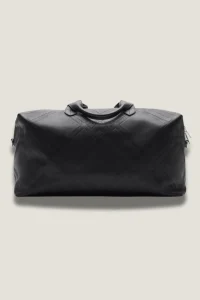
Choosing the right carry-on bag helps you pack efficiently. It saves time and avoids extra fees at the airport.
Think about size, weight, and how well it keeps your things organized. These details make a big difference.
Size And Weight Limits
Each airline sets size and weight limits for carry-on bags. Check these rules before you buy or pack.
Choosing a bag that fits these limits helps you avoid extra fees and hassle at the gate.
- Measure your bag’s height, width, and depth
- Weigh the empty bag to know its weight
- Keep your packed bag under the airline’s weight limit
Material And Durability
Pick a carry-on made from strong, light materials. This keeps your bag easy to carry and long-lasting.
Look for materials like nylon or polycarbonate. They resist tears, water, and scratches well.
- Nylon is lightweight and water-resistant
- Polycarbonate hard shells protect fragile items
- Check for quality zippers and handles
Compartments And Organization
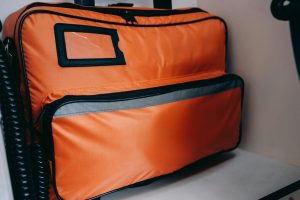
Good compartments help you find items quickly. They keep your things neat and easy to access.
Look for bags with multiple pockets and dividers. This helps separate clothes, electronics, and documents.
- Separate laptop or tablet compartment
- Small pockets for chargers and accessories
- Easy-to-reach front pockets for travel documents
:max_bytes(150000):strip_icc()/bagail-8-set-packing-cubes-luggage-packing-organizers-d594acd278b545f18b9d2cd5340c000f.jpg)
Credit: www.travelandleisure.com
Planning Your Packing List
Packing carry on luggage needs clear planning. It helps you carry only what is necessary. This saves space and avoids heavy bags.
Focus on what you truly need for your trip. Think about the length of stay and activities planned. This will guide your packing choices.
Essential Items Only
Bring just the essentials to avoid overpacking. Choose items that you will use daily. This keeps your bag light and manageable.
- Travel documents like passport and tickets
- Wallet with money and cards
- Phone and charger
- Medications and health supplies
- One set of comfortable shoes
Multipurpose Clothing
Select clothes that can serve many purposes. This reduces the number of items you carry. Choose layers and neutral colors to mix and match.
| Clothing Item | Why It Works |
|---|---|
| Light jacket | Can be worn day or night, protects from wind |
| Neutral t-shirts | Match with different pants and jackets |
| Convertible pants | Change to shorts or long pants |
| Scarf or shawl | Use as accessory or extra warmth |
Travel-sized Toiletries
Use small containers to save space and meet airline rules. Pack only what you need for the trip length.
- Toothbrush and travel toothpaste
- Small shampoo and conditioner bottles
- Compact deodorant
- Travel-size sunscreen
- Minimal makeup essentials
Packing Techniques
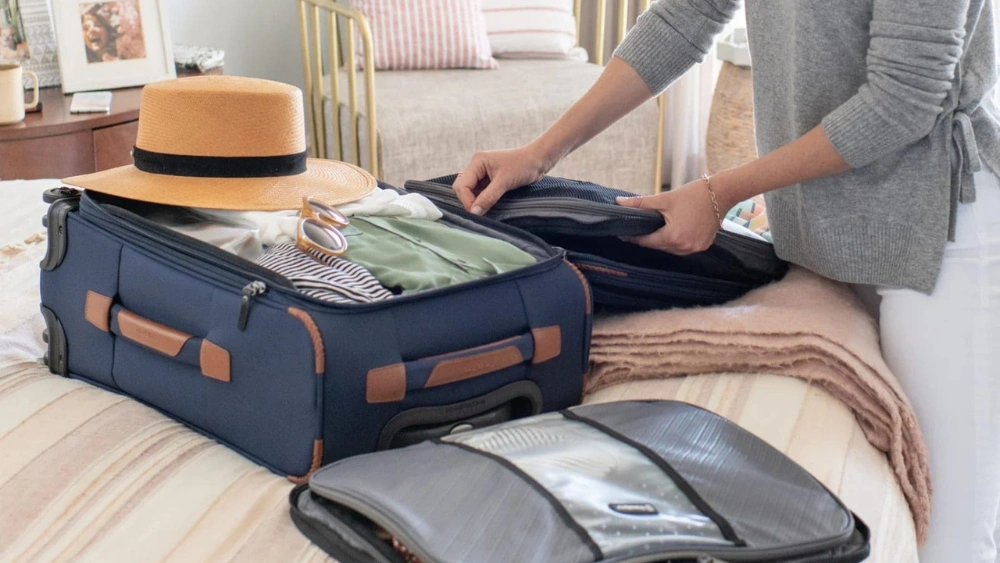
Efficient packing helps you fit more into your carry-on luggage. It saves time at the airport and reduces stress.
Choosing the right method for your clothes and accessories makes a big difference. Here are three useful techniques to try.
Rolling Vs. Folding Clothes
Rolling clothes can save space and reduce wrinkles. Folding is traditional but may use more room.
- Rolling:Roll shirts, pants, and smaller items tightly.
- Folding:Fold larger or delicate clothes flat.
- Tip:Use rolling for casual clothes and folding for formal wear.
Using Packing Cubes
Packing cubes keep your clothes organized and easy to find. They separate items by type or day.
| Benefit | Explanation |
| Organization | Sort clothes by type or outfit. |
| Space-saving | Compress items slightly to fit more. |
| Protection | Keep clothes clean and wrinkle-free. |
Maximizing Space With Compression Bags
Compression bags reduce bulk by squeezing air out of clothes. They work well for bulky sweaters and jackets.
- Place clothes inside the bag neatly.
- Seal the bag tightly.
- Press or roll the bag to push out air.
- Close the bag securely.
Organizing Electronics And Accessories
Packing electronics in carry on luggage needs careful planning. You want to keep devices safe and easy to reach.
Organizing cables, gadgets, and small items can save space and reduce stress at security checks.
Cable Management Tips
Tangled cables waste time and risk damage. Use these tips to keep cords neat and ready.
- Wrap cables with Velcro straps or twist ties.
- Use small pouches or cases to separate cables by type.
- Label cables for easy identification.
- Keep charging cords and adapters together.
- Place cables at the bottom of your bag to avoid crushing.
Protecting Gadgets
Gadgets need padding to avoid scratches or breaks during travel. Use these materials and methods.
| Gadget | Protection Tip |
| Smartphone | Use a hard case and screen protector |
| Tablet | Wrap in a soft sleeve or padded pouch |
| Laptop | Use a laptop compartment or cushioned sleeve |
| Headphones | Store in a hard case to prevent crushing |
Easy Access Items
Keep important electronics and accessories where you can quickly get them. This helps at airport security and during flights.
Store these items near the top of your carry on or in external pockets:
- Phone and charger
- Headphones or earbuds
- Travel adapter
- Power bank
- Important cables
Managing Liquids And Security Rules
Packing liquids in carry on luggage needs care. Airports have strict rules for security. Knowing these rules helps you avoid delays.
Use the right containers and pack liquids smartly. This keeps your items safe and meets airport guidelines.
Tsa Regulations
The TSA limits how much liquid you can bring. Each container must hold 3.4 ounces (100 milliliters) or less. All containers must fit in one clear quart-sized bag.
- Only one clear bag per passenger
- Containers must be 3.4 ounces (100 ml) or less
- Place the bag in an easy-to-reach spot in your carry on
- Remove the bag from your luggage for screening
Leak-proof Containers
Use containers that do not leak to protect your items. Plastic bottles with tight lids work well. Seal lids with tape for extra safety.
- Choose sturdy plastic or silicone bottles
- Use screw-on lids with seals inside
- Wrap lids with plastic wrap before closing
- Place containers in zip-lock bags for backup
Packing Liquids Efficiently
Packing liquids in an organized way saves space. Group all liquid containers in one bag. Place the bag on top of your carry on items.
| Tip | Reason |
| Use small bottles | Meets TSA size limits and saves space |
| Fill containers partially | Prevents spills from pressure changes |
| Keep liquids accessible | Saves time during security screening |
| Label containers | Makes identification easier at security |

Credit: www.youtube.com
Last-minute Tips
Traveling light is easier with a carry-on. Packing efficiently can save time and stress. These last-minute tips will help you prepare quickly.
Make sure you have everything you need and your bag is easy to manage. Follow these steps for a hassle-free trip.
Weighing Your Bag
Keep your bag within airline weight limits to avoid extra fees. Use a luggage scale to check.
- Place your bag on a flat surface.
- Use a digital scale for accuracy.
- Adjust items if the weight exceeds the limit.
Keeping Important Documents Handy
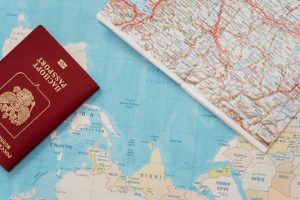
Ensure that your essential documents are easy to access. This will save time during check-in and security checks.
Consider using a travel wallet to organize:
- Passport
- Boarding pass
- Visa (if needed)
- Travel insurance details
Packing A Change Of Clothes
A change of clothes is crucial if your luggage gets delayed. Pack smart to ensure you have what you need.
| Item | Purpose |
| Underwear | Fresh start |
| Shirt | Comfortable outfit |
| Socks | Warm feet |

Credit: eaglecreek.com
Frequently Asked Questions
How Do I Maximize Space In Carry On Luggage?
Use packing cubes and roll clothes tightly. Place heavy items at the bottom. Fill gaps with small accessories or socks. This method organizes and compresses items efficiently, saving space and allowing you to pack more.
What Essentials Should I Always Carry In A Carry On?
Include travel documents, medication, electronics, chargers, and a change of clothes. Also pack toiletries in travel-sized containers. These items ensure comfort and preparedness during your flight and in case of lost checked luggage.
Can I Pack Liquids In Carry On Luggage?
Yes, liquids must be in containers of 100ml or less. Place all containers in a clear, resealable plastic bag. This complies with TSA regulations and prevents spills during security screening.
How To Keep Carry On Luggage Lightweight?
Choose a lightweight suitcase and avoid overpacking. Use versatile clothing and wear bulky items on the plane. This reduces luggage weight, making travel easier and avoiding extra airline fees.
Conclusion
Packing carry-on luggage well saves time and stress. Choose items that fit your trip length and needs. Roll clothes to save space and avoid wrinkles. Use packing cubes to keep things organized. Keep important items like documents and electronics easy to reach.
Remember, a neat bag makes travel smoother. Practice these tips for your next trip. Travel light, stay comfortable, and enjoy your journey. Simple steps lead to better packing every time.