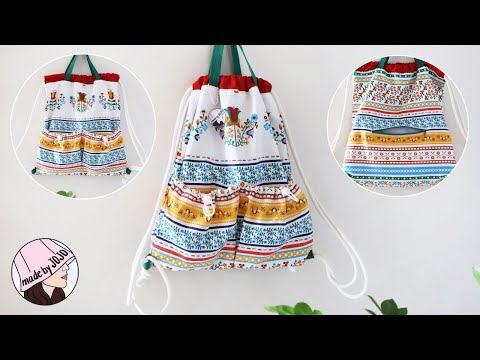
Do you ever find yourself digging through your drawstring bag, struggling to find your keys, phone, or wallet? A messy bag can be frustrating and slow you down.
What if you could transform your simple drawstring bag into an organized space with easy-to-access compartments? Adding compartments to your bag not only keeps your items neat but also saves you time and stress every day. In this guide, you’ll discover simple, practical ways to add compartments that fit your needs perfectly.
Ready to upgrade your bag and make your life easier? Keep reading to find out how.
Materials Needed
Adding compartments to a drawstring bag makes it more useful. You can keep things organized and easy to find. Before starting, gather all the needed materials.
Having the right tools and fabrics will help you create neat compartments. Below are the items you should prepare.
Essential Tools
You need some basic tools to sew compartments into your bag. These tools will make cutting and sewing easier and more precise.
- Sewing machine or needle and thread
- Fabric scissors
- Measuring tape or ruler
- Fabric chalk or pencil
- Pins or clips to hold fabric
- Seam ripper for corrections
Recommended Fabrics
Choose fabrics that match your drawstring bag. Use materials strong enough to hold items in the compartments.
- Lightweight cotton fabric for soft compartments
- Canvas for sturdy partitions
- Nylon or polyester for water resistance
- Mesh fabric for see-through pockets
- Matching thread for sewing
Additional Supplies
Some extra supplies help improve the compartments’ function and look. These items help secure and finish your work.
- Velcro strips or snaps for closures
- Elastic bands for flexible pockets
- Fabric glue for quick fixes
- Interfacing to add strength
- Iron and ironing board to press fabric
Choosing The Right Compartments
Adding compartments to a drawstring bag helps organize your items. It makes finding things easier and keeps your bag tidy.
Choosing the right compartments depends on how you use your bag. Think about what you carry and how often you need quick access.
Pocket Types
There are many pocket types to add to a drawstring bag. Each type offers different ways to hold items securely and neatly.
- Slip pockets:Simple open pockets for quick access.
- Zipper pockets:Secure pockets that keep items safe.
- Mesh pockets:Breathable pockets for small or wet items.
- Elastic pockets:Stretchy pockets that hold things tightly.
Size And Placement
Pick pocket sizes based on what you carry most. Small pockets fit keys or coins, while large ones hold books or clothes.
Place pockets where you can reach them easily. Inside pockets keep valuables safe. Outside pockets give fast access to small items.
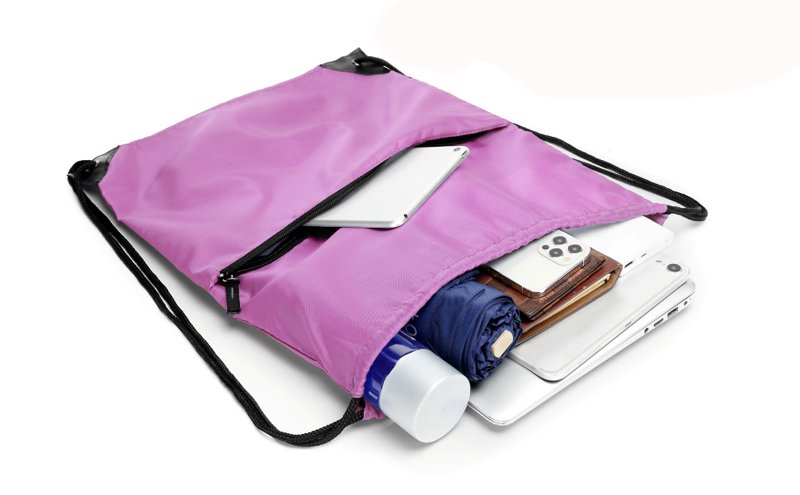
- Small pockets for phones and wallets
- Medium pockets for snacks or chargers
- Large pockets for water bottles or jackets
- Inside pockets for valuables
- Outside pockets for frequently used items
Closure Options
Closures keep items in pockets safe. Choose closures based on how secure or quick you want access to be.
Common closure types include zippers, snaps, Velcro, and elastic bands. Each offers a different balance of security and ease.
- Zippers:Strong and secure, ideal for valuables.
- Snaps:Easy to open and close, good for quick access.
- Velcro:Fast and adjustable, but less secure.
- Elastic bands:Hold items tightly without extra parts.
Preparing The Drawstring Bag
Adding compartments to a drawstring bag makes it easier to organize items. Before starting, prepare the bag carefully. This helps you create neat and useful compartments.
This section explains how to clean, flatten, and mark areas on your bag. These steps set a good base for adding compartments.
Cleaning And Flattening
Clean your bag to remove dirt and dust. A clean surface helps glue or sewing stick better. Use a damp cloth or mild soap if needed. After cleaning, flatten the bag on a smooth surface. This makes it easier to work on.
- Empty the bag completely
- Wipe with a damp cloth or mild soap
- Let it dry fully before working
- Lay the bag flat on a table or floor
- Press gently to remove wrinkles
Marking Compartment Areas
Plan where to place compartments by marking the bag. Use a fabric pencil or chalk to draw outlines. Marking helps keep compartments even and useful. You can mark different shapes and sizes depending on your needs.
| Tool | Purpose |
| Fabric pencil | Draw clear, washable lines |
| Chalk | Temporary marks for sewing guides |
| Ruler or measuring tape | Measure exact compartment sizes |
| Stencil (optional) | Draw consistent shapes |
Sewing Internal Pockets
Adding compartments to a drawstring bag can be very useful. Internal pockets help organize items inside the bag. Learn how to sew pockets easily.
Follow these steps to make your bag more functional. This guide will help you through the process of adding internal pockets.
Cutting Fabric Pieces
First, gather fabric that matches your bag. You will need several pieces for the pockets.
Cut the fabric to the desired size for your pockets. Make sure all pieces are even and smooth.
- Measure the pocket size you want
- Use sharp scissors for clean edges
- Consider different shapes for variety
Stitching Techniques
Choose a simple stitch to sew the pocket pieces. Straight stitches work well for most fabrics.
Stitch around the edges, leaving the top open. This will create the pocket shape.
- Start stitching from one corner
- Keep the stitches straight and even
- Backstitch at the end for strength
Reinforcing Seams
Reinforcing seams makes the pockets last longer. Use a zigzag stitch along the edges.
This prevents fraying and adds durability. Reinforce the corners for extra support.
- Use a zigzag stitch on raw edges
- Double stitch the corners
- Check for any loose threads
Adding External Pockets
Adding external pockets to your drawstring bag makes it easier to carry small items. These pockets keep your things organized and within reach.
This guide shows three ways to attach external pockets: using velcro, zippers, and buttons or snaps. Each method offers different benefits.
Attaching With Velcro
Velcro is a quick and simple way to add a pocket that opens and closes easily. It is good for items you need to access fast.
- Cut two strips of velcro to fit the pocket size.
- Sew one strip to the bag where you want the pocket.
- Sew the matching strip to the back of the pocket.
- Press the pocket onto the bag to secure it.
Using Zippers
Zippers keep your pocket contents safe. They prevent things from falling out when you move around.
| Material | Use | Tip |
|---|---|---|
| Zipper Tape | Attach to bag and pocket edges | Choose durable tape for heavy use |
| Zipper Slider | Allows opening and closing | Match color with bag for neat look |
| Thread | Sew zipper securely | Use strong thread to avoid breaks |
Button Or Snap Closures
Buttons or snaps give a classic look to your pocket. They hold the flap closed and are easy to use.
Follow these tips to add button or snap closures:
- Mark the pocket flap and bag where you want the button or snap.
- Punch holes if needed using a tool suitable for your fabric.
- Attach the button or snap firmly by sewing or pressing it in place.
- Test the closure to make sure it holds well but opens easily.

Credit: sewcanshe.com
Using Dividers Inside The Bag
Adding compartments to a drawstring bag can be easy. Using dividers inside the bag helps organize items neatly.
Fabric dividers or clips can be used for this task. Both methods are simple and effective.
Creating Fabric Dividers
Fabric dividers are an excellent way to create sections. You can use leftover fabric pieces to make these dividers.
Cut the fabric to the desired size. Sew the edges to prevent fraying.
- Measure the inside of the bag
- Cut fabric pieces accordingly
- Sew edges for durability
Attaching With Hooks Or Clips
Hooks and clips can attach dividers to the bag. This method is adjustable and flexible.
Clips can be moved or removed easily. Hooks are suitable for a more permanent setup.
- Choose clips for easy adjustments
- Use hooks for a fixed position
- Ensure hooks and clips are secure
Tips For Customization
Adding compartments to a drawstring bag makes it more useful and organized. You can customize compartments to fit your needs and style.
Try different ideas to decorate and personalize your bag compartments. This helps your bag stand out and stay practical.
Decorative Elements
Use decorations to give your compartments a unique look. You can add colors, patterns, and textures to make the bag more attractive.
- Attach fabric patches or appliques on compartments
- Sew decorative stitching or embroidery around edges
- Use colorful ribbons or lace to trim compartment openings
- Glue or sew on small beads or sequins for sparkle
- Paint designs with fabric paint for custom art
Personalizing Compartments
Make compartments personal by labeling and organizing them. This helps you find items quickly and keeps the bag neat.
| Personalization Method | Description |
| Labels | Sew or iron on small labels to name each compartment |
| Color Coding | Use different colors for each compartment’s fabric or zipper |
| Monograms | Embroider your initials on compartments for a custom touch |
| Inside Pockets | Add small pockets inside compartments for better organization |
| Removable Inserts | Use velcro or snaps to add and remove dividers easily |
Credit: szoneier.com
Care And Maintenance
Adding compartments to your drawstring bag helps keep things organized. Caring for these compartments keeps the bag useful for a long time.
Proper cleaning and fixing worn parts are key to good maintenance. Follow the tips below to keep your bag in great shape.
Washing Instructions
Clean your drawstring bag gently to protect the compartments. Avoid harsh washing methods that can damage the fabric or stitching.
- Use cold water and mild detergent for washing.
- Hand wash the bag to avoid stress on compartments.
- Do not use bleach or strong chemicals.
- Rinse thoroughly to remove all soap.
- Air dry the bag by hanging it in shade.
- Do not put the bag in a dryer or under direct sun.
Repairing Worn Compartments
Check compartments often for wear and tear. Small repairs stop damage from getting worse.
| Issue | Repair Tip |
| Loose stitching | Sew back with strong thread matching bag color |
| Small tears | Patch with fabric glue or sew a patch |
| Broken drawstrings | Replace with a new cord of similar thickness |
| Stiff compartments | Apply fabric softener or steam gently |
Credit: www.maidenjane.com
Frequently Asked Questions
How Can I Add Compartments To A Drawstring Bag?
You can add compartments by sewing fabric pockets inside the bag. Use lightweight fabric and stitch them securely. This helps organize small items and keeps the bag tidy.
What Materials Are Best For Drawstring Bag Compartments?
Lightweight cotton or nylon fabrics work well for compartments. They are durable and easy to sew. Choose materials that complement your bag’s existing fabric.
Can I Add Zippered Compartments To A Drawstring Bag?
Yes, adding zippered compartments is possible. Sew a zipper onto a fabric piece, then attach it inside the bag. This provides secure storage for valuables.
Is It Difficult To Customize Drawstring Bag Compartments?
No, customizing compartments is simple with basic sewing skills. Measure your bag, cut fabric pieces, and sew pockets inside. It improves bag functionality quickly.
Conclusion
Adding compartments to a drawstring bag makes it more useful and neat. You can keep your items organized and easy to find. Use simple materials and tools to create pockets inside your bag. This small change helps you carry things without mess.
Try different sizes and shapes for compartments to suit your needs. Enjoy a tidier bag every day with this easy upgrade. Keep practicing, and your bag will fit your style and needs perfectly.