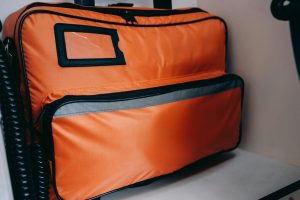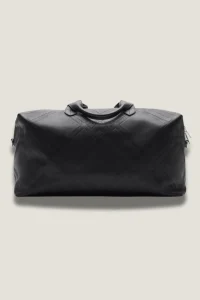
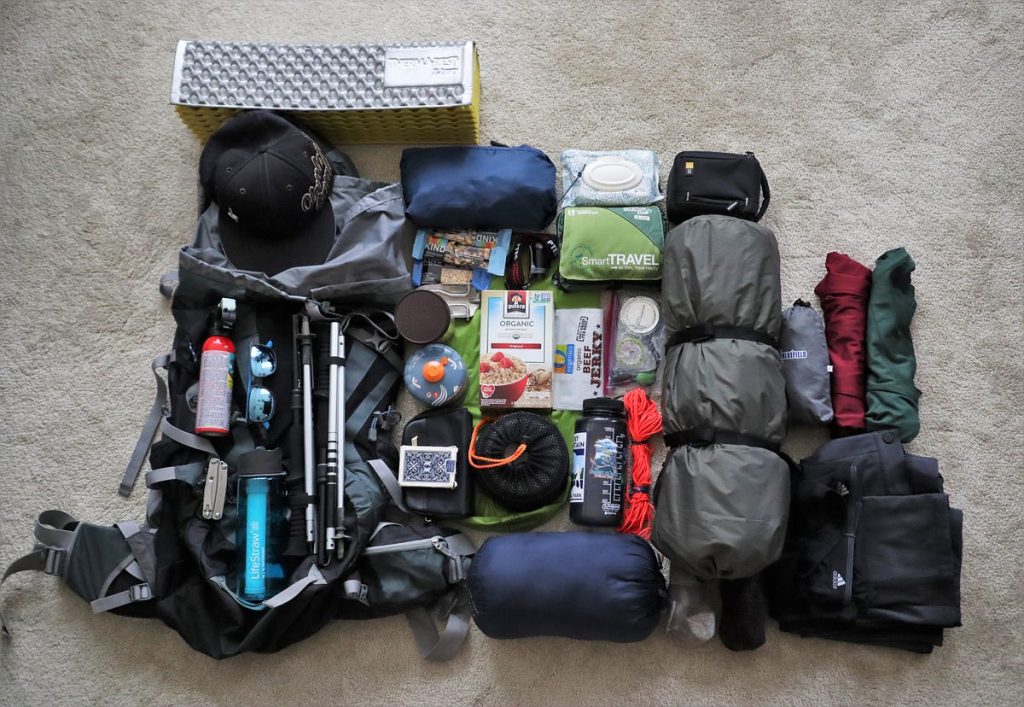
Are you tired of your backpacks and bags losing shape, getting dusty, or taking up too much space? How you store your bags can make all the difference in keeping them looking new and ready for your next adventure.
You’ll discover simple, smart ways to store your backpacks and bags so they stay fresh, organized, and easy to find whenever you need them. Keep reading, and you’ll never have to worry about messy storage or damaged bags again!
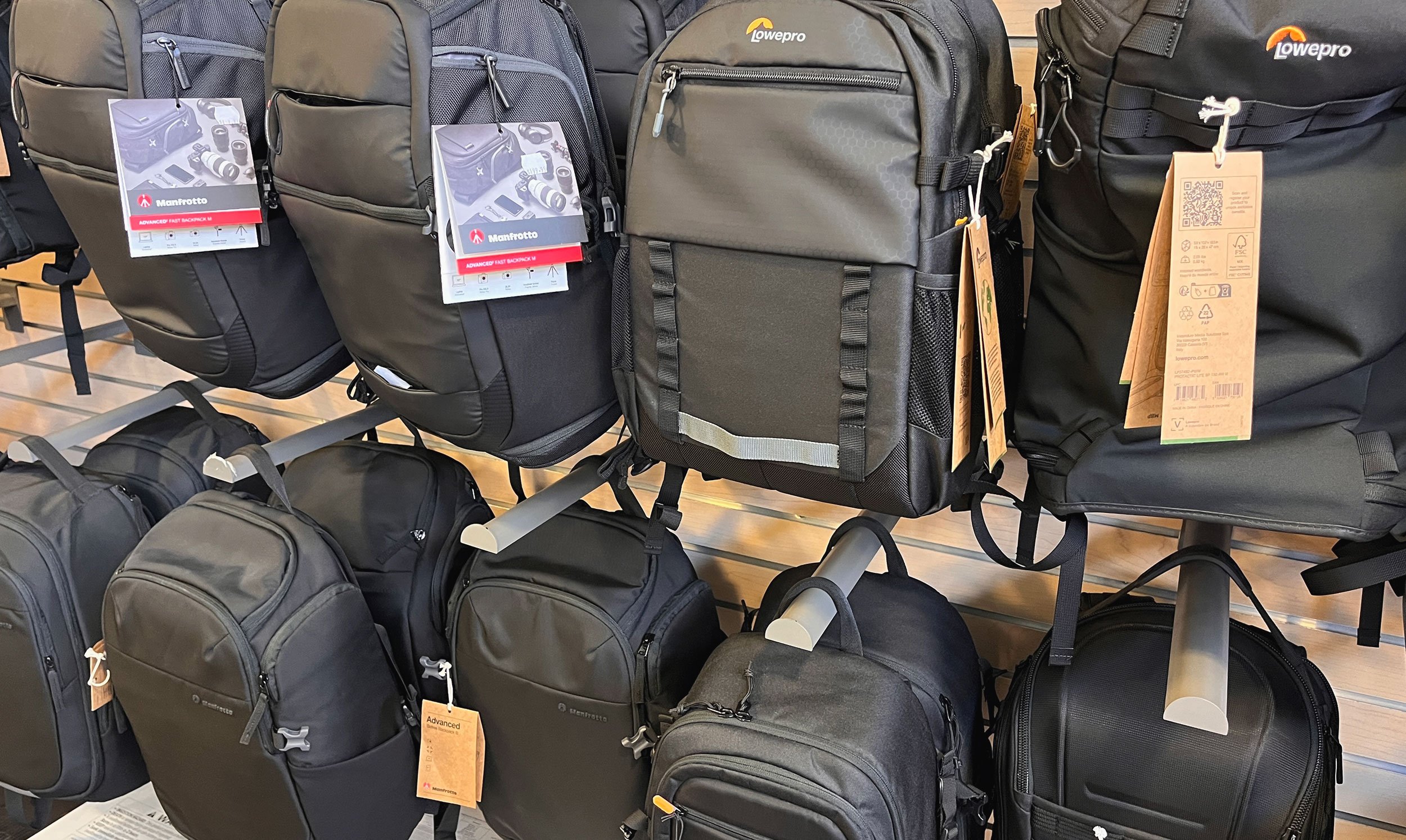
Credit: www.tom-england.com
Choosing The Right Storage Spot
Storing backpacks and bags properly keeps them clean and lasts longer. Picking the right spot helps avoid damage and mess.
Think about where you place your bags to keep them safe and easy to find.
Avoid Damp And Humid Areas
Damp places make bags smell bad and can cause mold. Avoid basements or corners with poor air flow.
Mold and mildew damage fabrics and zippers on your backpacks and bags.
- Do not store bags on the floor if it is cold or wet
- Keep bags away from bathrooms or laundry rooms
- Use moisture absorbers if needed to reduce humidity
Opt For Cool And Dry Spaces
Cool and dry spots help keep bags in good shape. Heat can fade colors and dry out materials.
Sunlight can also weaken the fabric over time, so choose shaded areas.
- Pick closets or shelves in rooms with stable temperatures
- Avoid storing bags near heaters or windows
- Ensure good air circulation to prevent stuffiness
Consider Accessibility
Store bags where you can easily reach them. This keeps your space organized and saves time.
Frequent-use backpacks should be stored in simple, open areas.
- Use hooks or racks for quick access
- Keep less used bags in higher shelves or storage bins
- Label storage spots if you have many bags
Preparing Bags Before Storage
Storing backpacks and bags properly helps them last longer. You should prepare them well before putting them away.
Cleaning and fixing your bags before storage keeps them in good shape. This prevents damage and bad smells.
Empty And Clean Thoroughly
Take everything out of your bags. Check all pockets and compartments carefully.
Clean the inside and outside using a soft cloth or brush. Use mild soap and water if needed.
- Remove dirt and crumbs
- Spot clean stains gently
- Use a damp cloth for leather or fabric
- Do not soak bags in water
Dry Completely To Prevent Mold
Make sure your bags are fully dry before storage. Moisture can cause mold and bad smells.
Air dry bags in a well-ventilated space. Avoid direct sunlight to keep colors bright.
- Open all zippers and pockets
- Hang bags or lay flat to dry
- Check for damp spots before storing
Repair Damage In Advance
Fix small tears, broken zippers, or loose straps before storing your bags. This stops damage from getting worse.
Use a needle and thread for stitches or take bags to a repair shop if needed.
- Sew loose seams
- Replace broken zipper pulls
- Tighten or replace loose straps
- Patch holes or tears
Storage Methods For Different Bag Types
Storing bags properly helps keep them in good shape. Different bag types need different care. Using the right method can stop damage and save space.
Here are ways to store backpacks, handbags, and travel bags. Each type has its own needs for long-lasting use.
Backpacks And Hiking Bags
Backpacks and hiking bags often get dirty and wet. Clean them before storage. Make sure they are dry to avoid mold. Store them in a cool, dry place.
- Empty all pockets and compartments
- Brush off dirt and debris
- Air dry completely before storing
- Hang backpacks by straps or lay flat
- Avoid folding to keep shape
Handbags And Purses
Handbags and purses need gentle care. Keep their shape by stuffing them with soft paper. Avoid plastic bags; use cloth covers instead. Store them on shelves or in drawers.
| Bag Material | Storage Tip |
| Leather | Use leather conditioner before storing |
| Fabric | Keep in breathable dust bags |
| Suede | Store away from sunlight and moisture |
Duffel And Travel Bags
Duffel and travel bags are bulky. Empty them fully and clean inside. Fold or roll soft bags gently to save space. Hard-shell bags should be stored open slightly.
Tips for storing duffel and travel bags:
- Remove all items and clean inside
- Keep zippers slightly open to air out
- Store soft bags in a dry place
- Stack hard bags carefully to avoid scratches
- Use sachets to prevent odors
Using Storage Accessories
Storing backpacks and bags properly keeps them clean and lasts longer. Using the right accessories helps protect them from dust and moisture.
Below are some useful storage accessories you can use to keep your bags in good shape.
Breathable Storage Containers
Breathable containers allow air to flow, which stops bags from getting moldy. These containers keep moisture away and avoid bad smells.
- Use containers made from mesh or fabric
- Choose containers with small holes for ventilation
- Keep containers in a dry place
- Do not overfill to allow air movement
Dust Covers And Bags
Dust covers protect backpacks from dirt and dust when stored. They are easy to use and keep the bags looking new.
| Type | Material | Best Use |
|---|---|---|
| Cloth Dust Cover | Cotton or Linen | Light storage and breathability |
| Plastic Dust Bag | Clear Plastic | Short-term dust protection |
| Drawstring Bag | Soft Fabric | Easy to store and carry |
Silica Gel And Moisture Absorbers
Silica gel packets and other moisture absorbers keep bags dry inside storage. They stop mold and damage caused by humidity.
- Place packets inside backpacks or bags
- Replace packets every few months
- Use moisture absorber boxes for bigger bags
- Store in a cool, dry place for best results
Maintaining Freshness Over Time
Storing backpacks and bags properly helps keep them fresh. Clean storage prevents bad smells and damage.
Simple habits keep your bags ready to use anytime. Regular care stops dirt and odors from building up.
Regular Airing And Inspection
Take your bags out to air them often. Fresh air stops moisture and mold growth inside the bags.
Check bags for damage or dirt each time you air them. Early spotting helps fix issues before they worsen.
- Open all compartments during airing
- Look for tears, loose threads, or stains
- Wipe off dirt or dust with a clean cloth
- Let bags dry completely before storing again
Preventing Odors And Stains
Keep bags clean to avoid smells and stains. Dirt and spills can cause lasting damage and odors.
Empty bags after use and remove crumbs or trash. Clean spots immediately with a damp cloth.
- Use mild soap and water for cleaning
- Dry bags fully before putting them away
- Store bags in a cool, dry place
- Avoid placing bags on dirty or wet floors
Refreshing With Natural Deodorizers
Natural deodorizers keep bags smelling fresh without harsh chemicals. They absorb moisture and odors effectively.
Place sachets or small bags of these items inside your backpack or bag when storing it.
- Baking soda absorbs bad smells
- Dried lavender adds a pleasant scent
- Activated charcoal reduces moisture and odors
- Rice can also help soak up dampness

Credit: www.cntraveler.com
Tips For Long-term Storage
Storing backpacks and bags correctly helps them last longer. Proper storage prevents damage and keeps them in good shape.
Follow these tips to maintain your bags for years, ensuring they are ready whenever you need them.
Avoiding Overstuffing And Deformation
Overstuffing bags can cause them to lose their shape. It’s important to store them properly to prevent deformation.
- Empty bags completely before storing.
- Use tissue paper to maintain their shape.
- Avoid hanging heavy bags to prevent stretching.
Stacking And Organizing Efficiently
Organizing bags neatly saves space and keeps them accessible. Stacking them properly can help you find them easily when needed.
| Type of Bag | Storage Method |
| Backpacks | Stack flat with smaller bags inside |
| Handbags | Stand upright on shelves |
| Travel Bags | Store in original covers |
Seasonal Rotation Practices
Rotating bags seasonally ensures they are used and maintained properly. This practice also helps in managing wear and tear effectively.
Keep a seasonal checklist to rotate bags every three months.
Credit: www.businessinsider.com
Frequently Asked Questions
How Do I Clean Backpacks Before Storing Them?
Always empty and vacuum your backpack first. Use mild soap and water to spot clean. Let it dry completely before storing to prevent mold and odor.
What’s The Best Way To Store Backpacks Long-term?
Store backpacks in a cool, dry place away from direct sunlight. Use breathable fabric bags or pillowcases to protect them from dust and moisture.
Can I Store Backpacks With Items Inside?
Avoid storing backpacks with heavy items inside. This can deform their shape. Instead, keep them empty or with light filler like crumpled paper to maintain form.
How To Prevent Mold On Stored Bags?
Keep backpacks in dry areas with good air circulation. Use silica gel packets or moisture absorbers inside storage to prevent mold and mildew growth effectively.
Conclusion
Storing backpacks and bags properly keeps them clean and lasts longer. Keep them dry and away from direct sunlight. Use hooks, shelves, or storage bins to save space. Avoid stuffing bags tightly to keep their shape. Regularly clean bags before storing them for a fresh feel.
Organizing bags well makes it easy to find them later. Small steps help protect your bags every day. Simple care ensures your backpacks and bags stay useful. Try these tips to keep your bags ready for any trip.