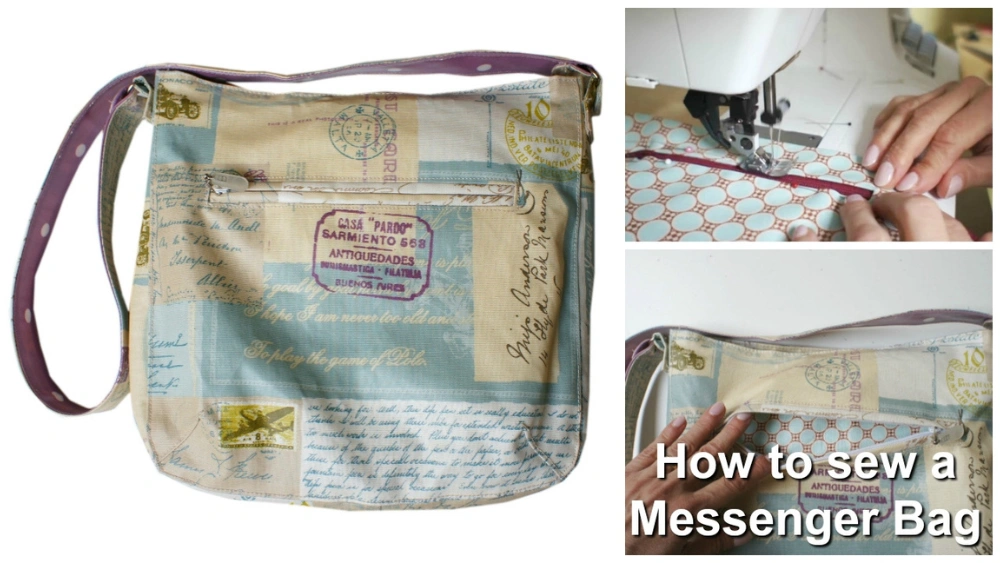
Have you ever wanted a stylish messenger bag that’s truly your own? Imagine carrying a bag made by your own hands—customized to fit your style and needs perfectly.
Sewing your own messenger bag might sound tricky, but with the right steps, you’ll find it easier than you think. In this tutorial, you’ll discover simple techniques to create a durable, fashionable bag that stands out. Ready to turn fabric into your new favorite accessory?
Keep reading, and let’s get started!
Materials Needed
Sewing a messenger bag requires some basic materials. You need fabric, tools, and some extra accessories.
Gathering the right items helps you create a strong and useful bag. Let’s look at what you need.
Fabric Choices
Choose fabric that is strong and can hold weight. Cotton canvas and denim are good picks. They last long and look nice.
You can also use nylon or polyester for water resistance. Pick lining fabric to finish the inside neatly.
- Cotton canvas for durability
- Denim for a casual look
- Nylon or polyester for water resistance
- Lining fabric like cotton or polyester
Essential Tools
You need basic sewing tools to make your bag. A sewing machine helps you sew fast and even.
Scissors, pins, and measuring tape keep your work neat and accurate. A seam ripper is good for fixing mistakes.
- Sewing machine for stitching
- Fabric scissors for cutting
- Measuring tape to measure fabric
- Pins or clips to hold fabric
- Seam ripper to remove stitches
- Iron for pressing seams
Optional Accessories
You can add accessories to make your bag special. Zippers and buttons help close the bag securely.
Straps and buckles add style and adjustability. Pockets can keep small items organized.
- Zippers for secure closing
- Buttons or snaps for decoration
- Adjustable straps for comfort
- Buckles for strap length
- Inner or outer pockets for storage

Credit: creativefashionblog.com
Preparing The Fabric
Preparing your fabric is the first step in sewing a messenger bag. Taking time here makes sewing easier and the bag look better.
Good fabric preparation helps avoid mistakes and saves time during sewing. Follow these tips carefully.
Measuring And Cutting
Measure your fabric pieces based on your bag pattern. Use a ruler or measuring tape for accuracy.
Cut the fabric carefully along the measured lines. Sharp scissors or a rotary cutter work best for clean edges.
- Double-check measurements before cutting
- Cut on a flat surface to avoid mistakes
- Keep fabric flat and smooth while cutting
Marking Sewing Lines
Mark sewing lines on your fabric to guide stitching. Use tailor’s chalk or a fabric marker that fades.
Draw clear, straight lines where you will sew. This helps keep seams even and neat.
- Mark all seam allowances as per pattern
- Use light marks that wash out easily
- Check marks before sewing to avoid errors
Pre-washing And Ironing
Pre-wash your fabric to prevent shrinking later. Use the same water temperature you plan to wash your bag in.
Iron the fabric flat after washing. This removes wrinkles and makes cutting and sewing easier.
- Wash fabric without fabric softener
- Dry fabric completely before cutting
- Use the correct iron heat setting for fabric type
Creating The Bag Body
Making the main body of a messenger bag is the first big step. This part holds everything together.
We will start by sewing the main panels, then add the lining, and finish by attaching the base.
Sewing Main Panels
Cut two large pieces of fabric for the front and back panels. These will form the outer shell of the bag.
Place the two panels right sides together. Sew along the sides and top edges with a straight stitch.
- Use a 1/2 inch seam allowance for strength
- Backstitch at the start and end to secure stitches
- Press seams open for a neat finish
Adding The Lining
Cut lining pieces the same size as the main panels. These will protect the inside of the bag.
Sew the lining pieces together like the outer panels. Leave a small gap to turn the bag right side out later.
- Match the lining seams with the outer seams
- Use light fabric for easy folding
- Keep the gap about 3 to 4 inches wide
Attaching The Base
Cut a rectangular piece for the bag’s base. This adds depth and structure to the bag.
Pin the base piece to the bottom edges of the sewn panels. Sew it carefully all around the edges.
- Align corners precisely for neat corners
- Sew slowly to keep stitches even
- Reinforce the corners with extra stitching

Credit: www.youtube.com
Making The Strap
The strap is an important part of a messenger bag. It needs to be strong and comfortable to carry.
We will cover how to measure, sew, and attach the strap to your bag.
Measuring And Cutting Strap Fabric
First, decide how long you want your strap to be. Most straps are about 40 to 50 inches long.
Cut two pieces of fabric for the strap. Each should be about 3 to 4 inches wide.
- Use sturdy fabric like canvas or denim
- Cut two strips to make the strap stronger
- Add an extra inch to length for sewing seams
Sewing The Strap
Place the two fabric strips on top of each other with the right sides facing in.
Sew along the long edges, leaving the short ends open. Use a straight stitch.
- Use a ½ inch seam allowance
- Leave both ends open for turning
- Turn the strap right side out after sewing
- Press the strap flat with an iron
- Topstitch close to the edges for strength
Attaching The Strap To Bag
Pin one end of the strap to the side of the bag. Make sure the strap is not twisted.
Sew the strap securely to the bag using a box stitch or multiple rows of straight stitches.
- Check strap length before sewing
- Use strong thread and needle
- Sew back and forth for extra strength
- Attach both ends of the strap to the bag
Adding Pockets And Closures
Adding pockets and closures makes your messenger bag more useful. Pockets help organize small items. Closures keep your things safe.
This guide explains how to sew inner pockets, attach outer pockets, and install zippers or buttons.
Sewing Inner Pockets
Inner pockets keep your items secure inside the bag. Use fabric that matches or contrasts with the lining. Cut pocket pieces to the size you want.
Sew the pocket pieces on the lining before assembling the bag. Use a straight stitch and backstitch at the start and end for strength.
- Mark pocket placement on lining fabric
- Pin pocket pieces in place
- Sew around three sides, leaving the top open
- Reinforce corners with extra stitches
Attaching Outer Pockets
Outer pockets add style and extra space to your bag. Choose sturdy fabric for durability. You can make patch pockets or flap pockets.
Pin the pocket to the bag front or side. Sew around the edges, leaving the top open for access.
- Cut pocket pieces larger than final size for seams
- Press seams for neat edges
- Sew pockets flat or add pleats for expansion
- Topstitch edges for a clean look
Installing Zippers Or Buttons
Closures keep your bag secure. Zippers provide a tight seal. Buttons offer a simple, classic look.
Sew zippers into pocket openings or bag flaps. For buttons, sew buttonholes or loops on the opposite side.
- Choose zipper length to fit pocket or bag opening
- Pin zipper tape evenly before sewing
- Sew slowly to avoid needle breaks
- For buttons, mark placement carefully
- Sew buttons tightly with strong thread
- Create button loops from fabric strips or elastic

Credit: creativefashionblog.com
Finishing Touches
Once your messenger bag is assembled, it’s time for the finishing touches. These steps ensure durability and a polished look.
Follow these simple instructions to complete your bag with professional flair.
Topstitching Edges
Topstitching adds strength and a clean finish to the edges of your bag. Use a matching or contrasting thread for a decorative touch.
- Set your sewing machine to a longer stitch length.
- Topstitch around the flap and pocket edges.
- Keep your stitches straight and even.
Reinforcing Stress Points
Reinforcing key areas prevents wear and tear. Focus on the straps and corners where stress is highest.
Consider adding extra stitching or a fabric patch at these points:
| Area | Method |
| Strap Ends | Double Stitching |
| Bottom Corners | Fabric Patch |
| Side Seams | Reinforced Stitch |
Final Press And Inspection
Pressing the bag gives it a crisp look and ensures all seams lie flat. Use a steam iron for best results.
Inspect your bag carefully. Check for loose threads or missed stitches, and make any necessary repairs.
Tips For Customization
Creating a messenger bag gives you a chance to show your style. Customizing it makes the bag unique and personal.
From choosing colors to adding personal touches, each step lets your creativity shine. Explore these tips to make your bag one-of-a-kind.
Choosing Decorative Elements
Decorative elements can make your bag stand out. Consider adding buttons, patches, or pins for a personalized look.
Think about what matches your style. Simple additions can make a big difference in the bag’s appearance.
- Buttons add texture and color
- Patches show off interests or hobbies
- Pins can change with your mood
Using Different Fabrics
The fabric you choose affects the bag’s look and feel. Different fabrics offer different benefits and styles.
Mix fabrics for a unique design. Use durable fabric for strength and lighter fabric for style.
- Cotton is soft and easy to sew
- Denim adds durability and a casual look
- Canvas is strong and holds shape well
Personalizing With Embroidery
Embroidery adds a personal touch to your messenger bag. It can be simple or detailed, depending on your skills.
Choose designs that represent you. Embroidered initials or patterns can make your bag truly yours.
- Initials make it personal
- Floral patterns add elegance
- Geometric designs give a modern feel
Frequently Asked Questions
What Materials Do I Need To Sew A Messenger Bag?
You need durable fabric like canvas, thread, scissors, a sewing machine, and a zipper or buckle. Additional items include interfacing for structure and straps for carrying. These materials ensure your bag is sturdy and functional.
How Long Does It Take To Sew A Messenger Bag?
Sewing a messenger bag typically takes 2 to 4 hours. This depends on your sewing skills and the bag’s complexity. Beginners might need more time, while experienced sewers can finish faster. Planning and preparation also affect the total time.
Can Beginners Easily Sew A Messenger Bag?
Yes, beginners can sew a messenger bag with basic sewing skills. Following a clear tutorial and using simple materials helps. Start with easy patterns and practice straight stitching. This project builds confidence and improves sewing techniques.
How Do I Customize My Messenger Bag Design?
Customize your messenger bag by choosing unique fabrics, adding patches, or embroidery. You can also adjust the strap length or add pockets. Personal touches make your bag stylish and suited to your needs.
Conclusion
Sewing a messenger bag is a fun and useful skill. You can create a bag that fits your style and needs. Follow the steps carefully, and take your time. Practice makes your sewing better and faster. Enjoy the process and feel proud of your work.
Now, you have a unique bag made by your own hands. Keep experimenting with different fabrics and designs. Sewing brings creativity and satisfaction together. Start your next sewing project with confidence and joy.