
Choosing the right sleeping bag can make or break your backpacking trip. You want something that keeps you warm, fits your pack, and feels comfortable after a long day on the trail.
But with so many options out there, how do you know which one is best for you? This guide will help you cut through the confusion and find a sleeping bag that matches your needs perfectly. Keep reading, and you’ll discover simple tips that make choosing your next sleeping bag easy and stress-free.
Types Of Sleeping Bags
Choosing the right sleeping bag is key for backpacking comfort. There are different types designed for various needs.
Understanding the main designs helps you pick one that fits your trip and sleeping style.
Mummy Vs. Rectangular
Mummy bags are narrow at the feet and wider at the shoulders. They keep heat well and are lightweight.
Rectangular bags offer more space to move but are heavier and less warm. They feel like a regular blanket.
- Mummy bags:Warm, compact, good for cold weather.
- Rectangular bags:Roomy, heavy, better for mild weather.
Top-loaders
Top-loader sleeping bags open fully on the top. They allow easy entry and exit.
These bags often have extra space for moving inside. They suit campers who prefer roomy designs.
| Feature | Benefit |
| Full top opening | Easy to get in and out |
| Extra interior space | Comfortable for side sleepers |
| Usually heavier | Less ideal for long hikes |
Hybrid Designs
Hybrid sleeping bags mix features from different types. They aim to balance warmth and roominess.
Examples of hybrid features include:
- Wider foot area for comfort
- Mummy shape with rectangular hood
- Variable insulation zones
Temperature Ratings
Temperature ratings help you pick the right sleeping bag for your trip. They show how warm the bag will keep you in different weather.
Knowing these ratings is key to staying comfortable and safe outdoors. Let’s look at how temperature ratings work.
Seasonal Ratings
Sleeping bags are often rated by season. These ratings guide you on which bag suits the weather you expect.
- Summer bags:Best for warm weather, light and breathable.
- 3-Season bags:Good for spring, summer, and fall with moderate cold.
- Winter bags:Designed for cold weather and snow.
Choosing the right seasonal rating helps you avoid being too hot or too cold at night.
Comfort Vs. Limit
Temperature ratings include comfort and limit numbers. Comfort is the lowest temperature you can sleep in comfortably.
Limit is the lowest temperature you can survive in, but you might feel cold. Pick a bag with a comfort rating close to the weather you expect.
- Comfort rating:Best for most users in normal conditions.
- Limit rating:For tougher conditions or if you wear extra clothes.
Cold Weather Considerations
Cold weather needs special care when picking a sleeping bag. Look for bags with good insulation and snug fits.
Check if the bag has features like draft collars and zipper baffles to keep cold air out. Also, consider layering with liners or extra blankets.
- Choose down or synthetic insulation based on moisture and weight needs.
- Make sure the bag fits well to trap body heat.
- Use extra gear if temperatures drop below the bag’s rating.
Insulation Materials
Choosing the right insulation for your sleeping bag is important for comfort. Insulation keeps you warm by trapping heat.
The two main types of insulation are down and synthetic. Each has its own benefits and drawbacks.
Down Insulation
Down insulation comes from the soft feathers under bird feathers. It is very light and compresses well.
Down keeps heat very well in dry conditions. It lasts a long time if cared for properly.
Synthetic Insulation
Synthetic insulation uses man-made fibers to trap heat. It works well even when wet.
This type is heavier than down but dries faster. It is often less expensive.
Pros And Cons
| Type | Pros | Cons |
|---|---|---|
| Down | Very warm and lightweight Compresses small Long-lasting | Expensive Not good when wet Needs special care |
| Synthetic | Works when wet Dries quickly Less expensive | Heavier Bulkier Shorter lifespan |
Credit: www.cleverhiker.com
Weight And Packability
Choosing the right sleeping bag is key for backpacking. Weight and packability affect your comfort and how far you can go. Light and small bags save space and reduce load.
Think about how much space your bag takes in your pack. Also, consider how easy it is to carry for long hikes. This helps you pick the best bag for your needs.
Ultralight Options
Ultralight sleeping bags use thin materials and less insulation. They weigh under two pounds and are easy to pack. These bags are great for summer or mild weather trips.
- Down insulation is lighter than synthetic
- Smaller bags reduce bulk in your backpack
- Look for bags with lightweight fabrics
- Ultralight bags may be less warm
Compression Techniques
Compression helps make your sleeping bag smaller. Use a stuff sack with compression straps to push out air and reduce volume. This saves space in your pack.
| Method | Description |
| Stuff Sack | Simple bag to hold and compress the sleeping bag |
| Compression Straps | Straps tighten the sack to reduce size |
| Rolling | Roll bag tightly to remove air and pack smaller |
Balancing Weight And Warmth
Finding a good balance between weight and warmth is important. A very light bag might be too cold. A warm bag may be heavy and bulky.
- Choose insulation based on expected temperatures
- Pick a bag size that fits your body well
- Consider layering with a sleeping bag liner
- Test your gear in similar weather before your trip
Size And Fit
Choosing the right sleeping bag for backpacking is crucial for a comfortable and restful night’s sleep. A sleeping bag that fits well and provides the right amount of warmth will make all the difference on your outdoor adventures.
To choose the right sleeping bag, you need to consider two key factors: size and fit. In this article, we’ll focus on the importance of size and fit in choosing a sleeping bag for backpacking.
Length
The length of your sleeping bag is crucial to ensure that you have enough room to move around comfortably. A sleeping bag that is too short may leave you feeling cramped and uncomfortable, while one that is too long may be cumbersome to carry.
- Measure your height to choose the right length
- Consider the length of your backpack and sleeping pad
- Look for adjustable length features in some sleeping bags
Width
The width of your sleeping bag is also important to ensure that you have enough room to move around comfortably. A sleeping bag that is too narrow may leave you feeling cramped, while one that is too wide may be bulky and difficult to carry.
- Consider your preferred sleeping position
- Look for sleeping bags with adjustable width features
- Choose a sleeping bag with a wide enough shoulder girth
Room For Movement
A good sleeping bag should provide enough room for you to move around comfortably. Look for sleeping bags with a generous cut and a design that allows for easy movement.
Consider the type of backpacking you will be doing. If you plan on doing a lot of side-sleeping, you may want a sleeping bag with a wider cut to allow for easy movement.
Extra Features
Some sleeping bags come with extra features that can enhance your backpacking experience. These may include features such as a built-in pillow, a compression sack, or a waterproof cover.
Consider what features are important to you and choose a sleeping bag that meets your needs. Some extra features may add weight or bulk to your backpack, so be sure to consider the trade-offs.
Durability And Maintenance
Choosing a sleeping bag for backpacking means thinking about how long it will last. Durability and easy care help you get the best use.
Good maintenance keeps your sleeping bag safe from damage and dirt. This guide covers fabric, care, and repair tips.
Fabric Choices
Fabric affects how tough and easy to clean your sleeping bag is. Look for strong materials that resist tears and stains.
- Nylon is light and strong, good for rough use.
- Polyester dries fast and handles moisture well.
- Cotton is soft but heavy and slow to dry.
- Ripstop fabrics stop small tears from growing.
Care Tips
Proper cleaning and storing keep your sleeping bag fresh and safe. Follow these simple care tips to extend its life.
| Action | Tip |
| Washing | Use gentle detergent and cold water |
| Drying | Air dry or use low heat setting |
| Storage | Store loosely in a breathable bag |
| Avoid | Keep away from sharp objects and direct sunlight |
Repair Options
Tears or holes can happen. Fix them quickly to keep your sleeping bag working well.
Common repair methods include:
- Using fabric patches for holes
- Applying seam sealer for small leaks
- Replacing broken zippers or pulls
- Stitching tears with strong thread
Additional Features
Choosing the right sleeping bag for backpacking is important. It ensures comfort and warmth during outdoor adventures. Besides size and material, other features matter too.
Consider additional features that enhance usability and convenience. These extras can make a big difference on your trips.
Hoods And Draft Collars
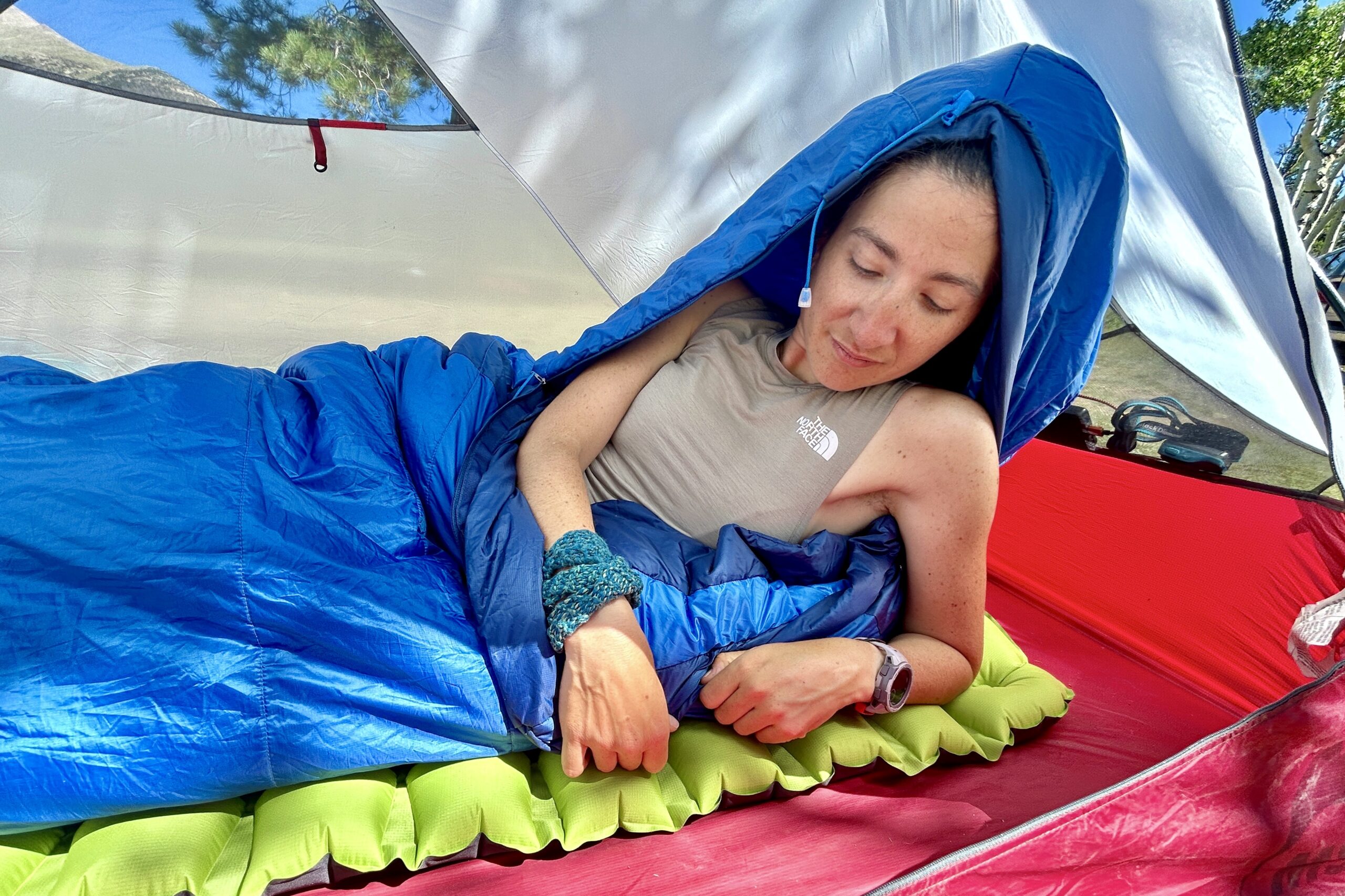
Hoods keep your head warm in cold weather. They trap heat and prevent cold air from entering. Many hoods are adjustable for a snug fit.
Draft collars are extra fabric near the neck. They stop warm air from escaping. This feature is great for very cold nights.
- Adjustable hoods offer better warmth
- Draft collars reduce heat loss
- Look for easy-to-use adjustments
Zipper Types
Zippers make getting in and out easy. They come in different lengths and styles. Choose one that suits your needs.
Two-way zippers allow ventilation. They open from the top and bottom. This helps control temperature inside the bag.
- Full-length zippers for easy access
- Two-way zippers for adjustable airflow
- Anti-snag designs prevent fabric tears
Pockets And Storage
Some sleeping bags have pockets. These are useful for storing small items. Keep your phone or flashlight handy.
Storage bags help keep your sleeping bag compact. They make packing and carrying easier. Look for compression sacks for space-saving.
- Inner pockets for valuables
- Compression sacks for easy packing
- Storage bags maintain bag condition
Budget Considerations
Choosing a sleeping bag for backpacking depends a lot on your budget. You want a bag that fits your needs and price range.
Understanding different price points helps you pick the right bag without overspending or missing important features.
Entry-level Bags
Entry-level sleeping bags are good for beginners or occasional use. They usually cost less and have basic features.
These bags often use synthetic insulation. They are heavier and less compact but still keep you warm in mild weather.
- Affordable price
- Good for warm seasons
- Heavier and bulkier
- Less durable materials
Mid-range Options
Mid-range bags balance cost and quality. They offer better insulation and lighter weight than entry-level bags.
These bags often include better synthetic or some down filling. They work well in cooler temperatures and pack smaller.
- Moderate price
- Improved warmth and weight
- More durable fabrics
- Good for most backpackers
Premium Choices
Premium sleeping bags cost more but offer top performance. They are very lightweight and warm for cold weather.
These bags usually use high-quality down insulation and advanced materials. They are ideal for serious backpackers and harsh conditions.
- High price
- Excellent warmth-to-weight ratio
- Long-lasting and durable
- Compact and easy to carry
Testing And Choosing
Choosing the right sleeping bag is key for a good night’s rest on your backpacking trips. Testing and careful selection help you find one that fits your needs.
This guide focuses on how to try sleeping bags, read reviews, and make the final choice.
Trying Before Buying
Always test a sleeping bag before buying it. This gives you a feel for the weight, size, and comfort.
- Check the bag’s warmth by trying it indoors
- Zip yourself inside to test the fit and comfort
- Feel the material to see if it suits your skin
- Lift the bag to judge its weight for carrying
- Look at the shape to ensure good movement inside
Reading Reviews
Reviews from other backpackers help you learn about real use and durability. Look for common feedback on warmth and size.
| Review Aspect | What to Look For |
| Warmth | Does it keep users warm in cold weather? |
| Weight | Is it light enough for long hikes? |
| Durability | How well does it hold up after many uses? |
| Comfort | Do users find it soft and roomy? |
| Pack Size | Is it easy to compress and carry? |
Making The Final Decision
Use your tests and reviews to pick the best sleeping bag. Consider all key features before buying.
- Is the warmth rating suitable for your trips?
- Does the bag feel comfortable and fit well?
- Is the weight manageable for your backpack?
- Have you read positive user reviews?
- Does the price match your budget?

Credit: www.gearx.com
Credit: www.rei.com
Frequently Asked Questions
What Is The Best Sleeping Bag Temperature Rating For Backpacking?
Choose a sleeping bag rated for temperatures slightly lower than expected. This ensures warmth in cold conditions without extra weight. Check the bag’s comfort rating for accurate guidance based on your typical backpacking climate.
How Important Is Sleeping Bag Weight For Backpackers?
Weight is crucial for backpackers. A lightweight sleeping bag reduces overall pack load. It helps maintain mobility and comfort on long hikes. Look for bags made from lightweight materials without sacrificing insulation quality.
Should I Choose Down Or Synthetic Insulation?
Down insulation offers better warmth-to-weight ratio and compressibility. Synthetic insulation performs better in wet conditions and dries faster. Your choice depends on weather, budget, and personal preference for durability and maintenance.
How Do I Pick The Right Sleeping Bag Shape?
Mummy-shaped bags provide better heat retention and are lightweight. Rectangular bags offer more space but are bulkier and heavier. Choose a shape balancing warmth, comfort, and pack size for your backpacking needs.
Conclusion
Choosing the right sleeping bag makes your trip much better. Think about the weather and how cold it can get. Pick a size that fits you well but is not too heavy. Materials matter for comfort and warmth. Don’t forget to check the bag’s weight for easy carrying.
A good sleeping bag helps you rest and enjoy your adventure. Take your time to find one that suits your needs. Sleep well, hike happy!