Choosing the right sleeping bag weight can make or break your backpacking trip. If it’s too heavy, you’ll feel every extra pound dragging you down.
Too light, and you might wake up freezing in the middle of the night. You want comfort without carrying a burden. But how heavy should a sleeping bag really be for backpacking? Keep reading, because finding that perfect balance will change how you sleep and hike forever.
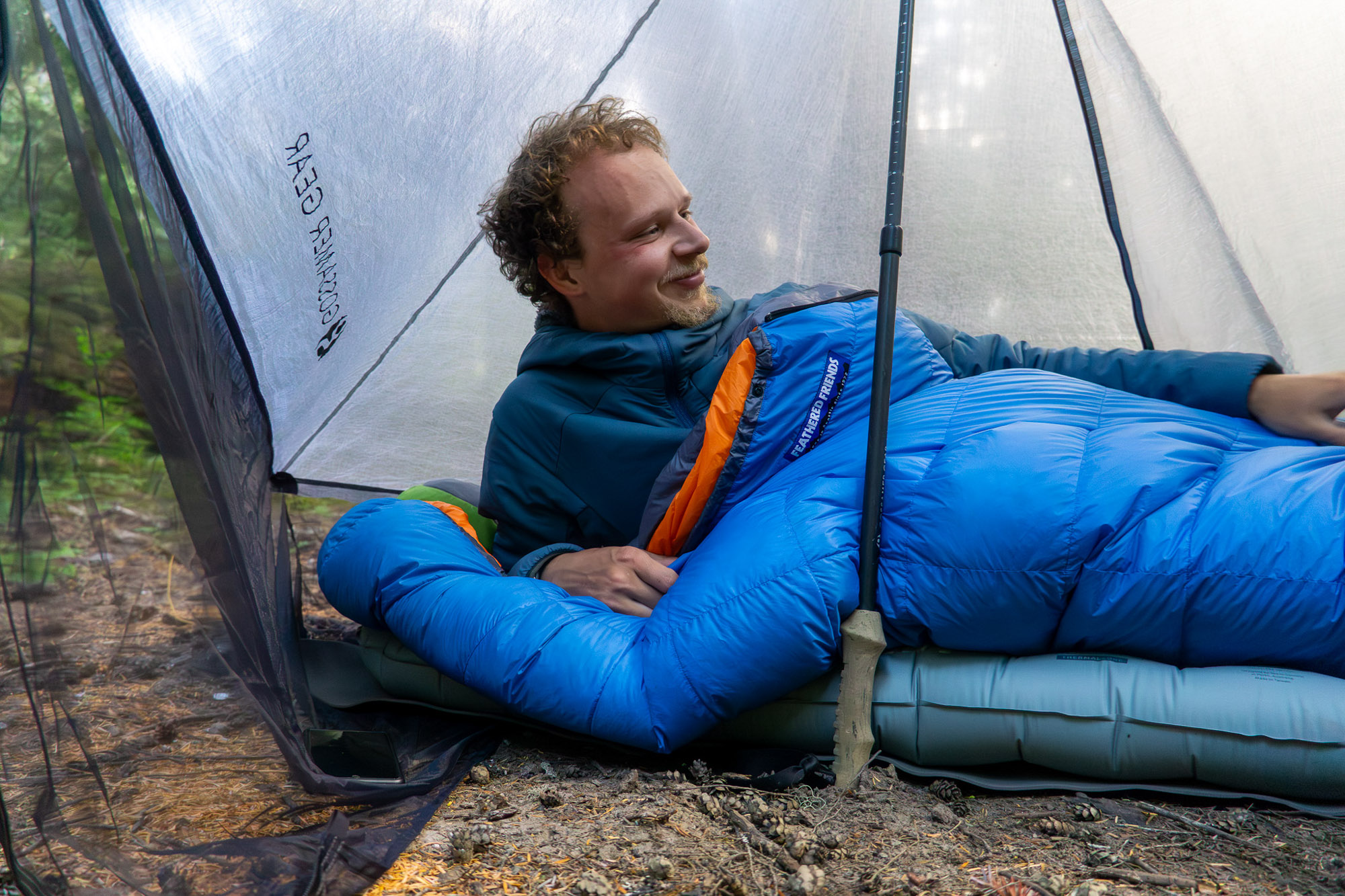
Credit: gearjunkie.com
Factors Affecting Sleeping Bag Weight
Choosing the right sleeping bag weight is important for backpacking. The weight depends on many factors. Knowing these helps you pick a bag that fits your needs.
Light bags make your pack easier to carry. But some features add weight for comfort and warmth. Let’s look at the main factors that affect sleeping bag weight.
Temperature Ratings
Sleeping bags have temperature ratings that show how warm they keep you. Bags for cold weather are usually heavier. This is because they need more insulation to keep you warm.
Warmer weather bags have less insulation and weigh less. Choose a bag with a rating that matches the coldest temperature you expect. This helps balance weight and warmth.
Insulation Types
Sleeping bags use two main types of insulation: down and synthetic. Down is light and compresses small. It offers great warmth for its weight.
Synthetic insulation is heavier but works better when wet. It is usually less expensive and dries faster. The type you choose affects the bag’s total weight.
- Down:Lightweight, compressible, warm
- Synthetic:Heavier, water-resistant, budget-friendly
Bag Shape And Size
The shape and size of a sleeping bag influence its weight. Mummy-shaped bags are tighter and use less material. They are usually lighter than rectangular bags.
Bigger bags fit more body sizes but add weight. A bag that fits snugly reduces extra space to heat, making it warmer and lighter.
- Mummy bags:Lightweight, compact, warm
- Rectangular bags:Roomy, heavier, less heat efficient
- Size matters:Choose a bag that fits your height and width
Additional Features
Extra features add weight but improve comfort. Features like hoods, draft collars, and extra zippers add grams. These help keep warmth in and bugs out.
Some bags have pockets or reinforced fabric for durability. These add some weight but can be useful. Decide which features you really need for your trip.
- Hood for head warmth
- Draft collar to block cold air
- Extra zippers for ventilation
- Durable fabric for rough use

Credit: www.gearx.com
Ideal Weight Ranges For Backpacking Bags
Choosing the right weight for a sleeping bag is important for backpacking. It affects how much you carry and how comfortable you sleep.
Different sleeping bags have different weight ranges. These ranges fit different needs and trip lengths.
Ultralight Bags
Ultralight sleeping bags weigh less than 2 pounds (about 900 grams). They are best for long trips or fast hiking.
These bags save weight but may cost more. They are good if you want to carry less and move faster.
- Weight: Under 2 pounds (900 grams)
- Best for: Long hikes, fast packers
- Trade-off: Usually less insulation
Lightweight Options
Lightweight bags weigh between 2 and 3 pounds (900 to 1,400 grams). They balance comfort and weight well.
These bags work for most backpackers who want good warmth without heavy loads.
- Weight: 2 to 3 pounds (900–1,400 grams)
- Best for: Most backpackers
- Trade-off: Slightly heavier but warmer
Standard Weight Bags
Standard weight sleeping bags weigh over 3 pounds (1,400 grams). They offer more warmth and durability.
These bags suit colder weather or car camping where weight is less important.
- Weight: Over 3 pounds (1,400 grams)
- Best for: Cold weather, car camping
- Trade-off: Heavier to carry
Balancing Warmth And Weight
Choosing a sleeping bag for backpacking means thinking about warmth and weight. A heavy bag can keep you warm but is hard to carry.
A light bag is easy to carry but might not keep you warm enough. Finding the right balance helps you enjoy your trip.
Choosing The Right Insulation
Insulation affects how warm and heavy a sleeping bag is. Two main types are down and synthetic.
- Down insulationis very warm and light but can lose heat when wet.
- Synthetic insulationstays warm even if wet but is heavier.
- Choose insulation based on your weather and weight needs.
Layering Strategies
Layering your clothing and sleeping bag can help you stay warm without extra weight. Use layers to adjust your warmth.
| Layer | Purpose | Weight Impact |
|---|---|---|
| Base Layer | Keeps skin dry | Light |
| Insulating Layer | Traps heat | Medium |
| Shell Layer | Protects from wind and rain | Varies |
| Sleeping Bag | Main warmth source | Light to heavy |
Impact Of Climate And Season
Climate and season change how heavy your sleeping bag should be. Cold places need warmer bags.
- Summer trips can use lighter bags.
- Winter trips need heavier bags for warmth.
- Check weather forecasts before packing.
Materials Influencing Weight
The weight of a sleeping bag is important for backpacking. It affects how much you carry on your trip. Different materials used in sleeping bags change their weight.
Choosing the right materials helps keep your pack light. It also keeps you warm and comfortable at night.
Down Vs Synthetic Fill
Down fill comes from duck or goose feathers. It is very light and compresses small. Down traps heat well, making it warm for its weight.
Synthetic fill is made from man-made fibers. It weighs more than down and takes more space. Synthetic holds warmth even when wet, unlike down.
- Down is lighter and packs smaller
- Synthetic works better in wet conditions
- Down is usually more expensive
- Synthetic is easier to clean and dry
Outer Shell Fabrics
The outer shell protects the sleeping bag from water and tears. Lightweight fabrics reduce the bag’s total weight. Common fabrics include nylon and polyester.
Nylon is strong and light. It often has a water-resistant coating. Polyester is less expensive and dries faster but may weigh more.
- Nylon: lightweight and durable
- Polyester: dries quickly and affordable
- Water-resistant coatings add some weight
- Ripstop fabrics resist tears but weigh more
Tips To Reduce Sleeping Bag Weight
Choosing the right sleeping bag weight is important for backpackers. A lighter bag makes your hike easier and faster.
There are smart ways to reduce the weight of your sleeping bag without losing comfort or warmth.
Packing Techniques
Packing your sleeping bag right helps save space and weight in your backpack. Compress the bag tightly with a good stuff sack.
- Use a compression sack to reduce bulk.
- Keep the bag dry to avoid added weight from moisture.
- Place the sleeping bag close to your back for better balance.
- Pack only what you need to avoid extra gear weight.
Selecting Multi-use Gear
Choosing gear that serves more than one purpose can reduce what you carry. Find items that work together with your sleeping bag.
| Gear | Multi-Use Function |
| Sleeping Bag Liner | Add warmth and keep bag clean |
| Lightweight Blanket | Use as extra cover or ground pad |
| Down Jacket | Wear for warmth, use as pillow inside bag |
Maintenance For Longevity
Taking care of your sleeping bag keeps it light and warm for many trips. Regular cleaning and storage help prevent damage.
- Air out your bag after each use to avoid moisture build-up.
- Wash only when necessary using gentle soap and cold water.
- Store your bag loosely in a large sack to keep loft and shape.
- Repair small tears quickly to prevent bigger damage.
Popular Lightweight Sleeping Bags
When backpacking, the weight of your sleeping bag is vital. You need it to be light for easy carrying.
Lightweight sleeping bags are designed to be compact and efficient. They keep you warm without weighing you down.
Top Brands To Consider
Some brands specialize in lightweight sleeping bags. They use advanced materials to reduce weight.
These brands are trusted by backpackers for their quality and innovation. Here are some top brands to consider.
- Therm-a-Rest: Known for ultra-light models.
- REI Co-op: Offers affordable options with good insulation.
- Western Mountaineering: Renowned for premium down-filled bags.
Budget-friendly Picks
Not all lightweight sleeping bags are expensive. You can find quality options at lower prices.
These budget-friendly picks still offer comfort and warmth. They are ideal for occasional backpackers.
- Kelty: Offers durable bags at a reasonable price.
- Naturehike: Known for affordable yet reliable options.
- Vango: Provides good value for money with solid features.

Credit: www.thepackablelife.com
Frequently Asked Questions
How Heavy Should A Backpacking Sleeping Bag Be?
A good backpacking sleeping bag should weigh between 1 to 3 pounds. Lighter bags ease carrying, but heavier bags offer more warmth. Balance weight with insulation based on your trip duration and climate.
Does Sleeping Bag Weight Affect Hiking Comfort?
Yes, sleeping bag weight impacts hiking comfort. Lighter bags reduce fatigue and increase mobility. Carrying heavy sleeping bags can slow you down and cause discomfort on long hikes.
What’s The Ideal Sleeping Bag Weight For Cold Weather?
For cold weather, expect sleeping bags to weigh 2 to 4 pounds. Heavier insulation is needed for warmth, but opt for lightweight materials like down to keep weight manageable.
How To Reduce Sleeping Bag Weight For Backpacking?
Choose down insulation over synthetic for lighter weight. Select a sleeping bag with the right temperature rating to avoid excess bulk. Compress your bag using a good stuff sack to minimize size and weight.
Conclusion
Choosing the right sleeping bag weight matters for backpacking comfort. A light bag saves energy and space in your pack. Yet, it must keep you warm during cold nights. Balance weight with insulation and weather conditions. Don’t carry extra pounds that tire you out.
Think about your trip length and climate. A good sleeping bag helps you rest well and enjoy your adventure. Keep these tips in mind for smarter packing next time. Your back and sleep will thank you.