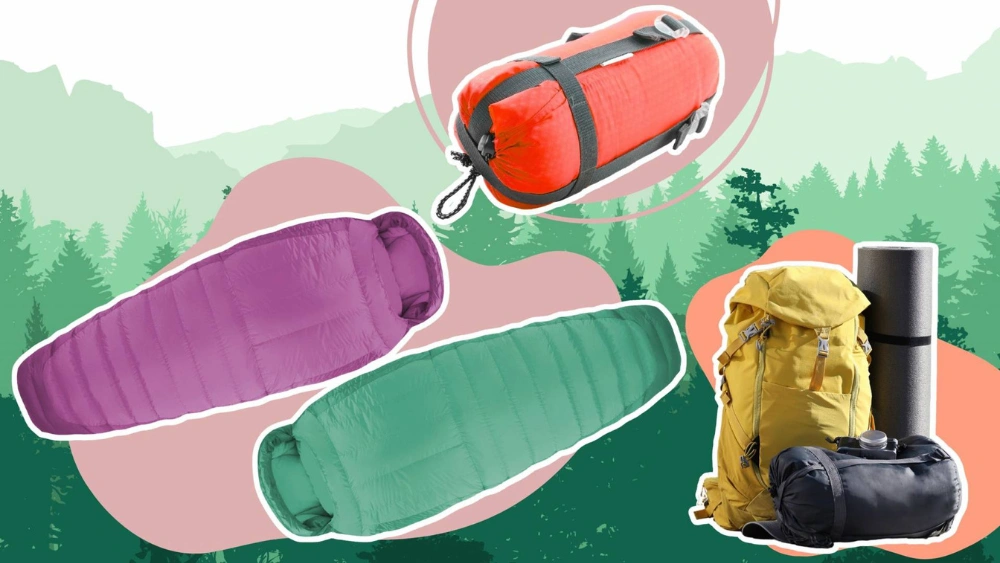
Packing your backpack efficiently can make or break your outdoor adventure. One key skill you need is knowing how to lash your sleeping bag securely to your backpack.
Doing it right keeps your gear stable, saves space inside your pack, and makes your trek much more comfortable. If you’ve ever struggled with a bulky sleeping bag slipping or bouncing around, this guide is for you. Keep reading to learn simple, effective steps that will change how you carry your sleeping bag forever.
Choosing The Right Sleeping Bag
Picking the right sleeping bag is important for comfort and ease when lashing it to your backpack. You want a bag that fits your needs and matches your trip.
Think about the materials, size, weight, and how well it can compress. These factors help you carry it easily and stay warm.
Material And Size Considerations
Sleeping bags come in different materials. Some keep heat better, while others dry quickly. Choose a material that fits the weather and your comfort needs.
The size of your sleeping bag affects how it fits on your backpack. A bag that is too big can be hard to carry. A smaller bag is easier to lash tightly.
- Down materials are warm and light but can be expensive
- Synthetic materials dry fast and work well in wet conditions
- Compact sizes save space and are easier to attach
- Larger bags give more room but take more space
Weight And Compressibility Factors
Lightweight sleeping bags make hiking easier. Heavy bags add extra load and slow you down.
Compressibility means how small the bag gets when packed. A bag that compresses well fits better on your backpack.
- Choose a bag that is light for long trips
- Look for bags that compress into small stuff sacks
- Check if the bag keeps its shape after packing
- Balance weight and comfort for your trip needs

Credit: www.reddit.com
Selecting Backpack Attachment Points
Attaching your sleeping bag to a backpack saves space inside. Choosing the right attachment points keeps your gear secure.
Look for strong spots on your backpack that can hold the bag without damage or slipping.
Using Straps And Loops
Most backpacks have straps and loops designed for carrying extra gear. These are ideal for lashing your sleeping bag.
- Find compression straps on the sides or bottom.
- Use gear loops near the bottom or sides.
- Adjust straps to tightly hold your bag in place.
- Avoid straps that are loose or worn out.
Identifying Suitable Lash Points
Good lash points are strong and easy to reach. They help keep the sleeping bag stable during your walk.
| Location | Strength | Ease of Use |
| Bottom Straps | High | Easy |
| Side Loops | Medium | Moderate |
| Hip Belt Loops | Low | Hard |
| Shoulder Straps | Medium | Easy |
Preparing Your Sleeping Bag
Before lashing your sleeping bag to your backpack, you need to prepare it well. A properly packed sleeping bag saves space and keeps it protected.
Knowing how to pack your sleeping bag affects how easy it is to carry and access during your trip.
Rolling Vs. Stuffing
Rolling your sleeping bag keeps it neat and easy to carry. It helps keep the insulation in place and looks tidy on your pack.
Stuffing your sleeping bag into its sack saves space and protects it from moisture. Stuffing is faster but can compress the insulation more.
- Rolling keeps the bag shaped and easy to lash
- Stuffing compresses the bag smaller for tight spaces
- Rolling is better for quick access on the trail
- Stuffing protects insulation but may cause wear
Securing With Compression Straps
Compression straps help reduce the size of your sleeping bag. They keep it tight and prevent it from loosening during the hike.
Use compression straps after rolling or stuffing your bag. Tighten them evenly to avoid damaging the insulation.
- Place straps around the sleeping bag’s length
- Pull straps tight but not too hard
- Check straps often to keep the bag secure
- Compression straps make lashing easier and safer

Credit: www.reddit.com
Lashing Techniques
Learning how to securely lash your sleeping bag to your backpack is essential for efficient packing. It ensures the bag stays attached during your hike.
Different techniques can make this task easier. Here, we explore basic knot methods and using carabiners and straps.
Basic Lash Knot Methods
Knot methods are traditional and reliable. They require practice to master but are effective in securing gear.
- Square Knot: Simple and strong, perfect for tying two ropes together.
- Bowline Knot: Creates a fixed loop at the end of a rope, useful for securing around objects.
- Clove Hitch: Easy to tie and adjust, ideal for quick adjustments.
Using Carabiners And Straps
Carabiners and straps offer a quick and adjustable way to lash gear. They are perfect for those who prefer modern tools.
- Ensure carabiners are locked for safety.
- Check the weight capacity of your straps.
- Use multiple straps for larger sleeping bags.
Positioning The Sleeping Bag
Securing your sleeping bag to your backpack is important for a balanced hike. The position can impact your comfort and stability.
Let’s explore how to attach your sleeping bag effectively. This will help you maintain balance and ease during your outdoor adventure.
Top Vs. Bottom Attachment
Attaching the sleeping bag at the top of the backpack makes it easy to access. This position is good for quick campsite setup.
Attaching it at the bottom keeps the center of gravity low. This helps with balance, especially on steep trails.
- Top attachment: Quick access, easier setup
- Bottom attachment: Better balance, stable hike
Balancing Weight Distribution
Balance is key when hiking with a full backpack. Proper weight distribution helps prevent fatigue and discomfort.
Place heavier items close to your back. This prevents the backpack from pulling you backwards and helps with stability.
| Item | Suggested Position |
| Sleeping Bag | Bottom or Top |
| Water | Close to the back |
| Clothes | Middle of the pack |
Tips For Secure Packing
Lashing your sleeping bag to your backpack saves space inside. It also keeps your bag dry and easy to reach.
Make sure you secure the sleeping bag tightly. Loose ties can cause it to move or fall off during your hike.
Double Checking Ties
Always check your knots twice before starting your hike. Use strong knots that will not slip easily.
- Use a bowline or a trucker’s hitch knot for strength.
- Pull the straps tight before tying.
- Test the knots by pulling on the sleeping bag gently.
- Re-tighten knots if you feel any slack.
Preventing Movement During Hikes
Keep the sleeping bag from moving to avoid noise and damage. Secure it low and close to the backpack frame.
| Tip | Reason |
| Attach straps to multiple points | Distributes weight evenly and stops shifting |
| Use compression straps | Makes the sleeping bag compact and firm |
| Place sleeping bag under rain cover | Keeps it dry and adds stability |
| Check ties during breaks | Prevents loosening during the hike |
Common Mistakes To Avoid
Lashing your sleeping bag to your backpack seems simple. Yet, many make mistakes that cause problems on the trail.
These errors can damage your gear or make your hike less comfortable. Avoiding them helps keep your equipment safe.
Overtightening Straps
Pulling the straps too tight can harm your sleeping bag and backpack. It may crush the insulation inside the bag.
- Overtightened straps reduce the bag’s warmth by compressing insulation.
- Straps pulled too hard can damage buckles and straps on the backpack.
- Excessive pressure may cause discomfort while carrying the pack.
- It can make accessing your sleeping bag difficult during stops.
Ignoring Weather Protection
Leaving your sleeping bag exposed to rain or moisture causes damage. Wet insulation loses its ability to keep you warm.
| Issue | Result | Solution |
| Sleeping bag exposed to rain | Becomes wet and heavy | Use a waterproof stuff sack |
| No rain cover on backpack | Water seeps inside | Attach a rain cover to the pack |
| Sleeping bag hung outside without cover | Absorbs moisture from air | Store inside pack or dry bag |

Credit: www.reddit.com
Frequently Asked Questions
How Do I Lash A Sleeping Bag To My Backpack Securely?
Use strong straps or cords to tie the sleeping bag tightly to your pack’s exterior loops. Ensure it is snug to prevent movement during hiking.
What Materials Are Best For Lashing Sleeping Bags?
Nylon straps, paracord, or adjustable bungee cords work best. They are durable, weather-resistant, and easy to tighten or loosen as needed.
Can I Lash A Sleeping Bag To Any Backpack Type?
Most backpacks with external loops or daisy chains allow lashing. If your pack lacks these, consider using a compression sack with straps.
Why Should I Lash My Sleeping Bag Outside The Backpack?
Lashing saves internal space and keeps bulky items accessible. It also helps balance weight and improves ventilation for your sleeping bag.
Conclusion
Lashing your sleeping bag to a backpack keeps it secure and saves space. Use straps or cords to tie it tightly. Make sure it does not swing or bounce while you walk. Check the knots often to keep them firm.
This method helps carry gear comfortably on any trip. Try it yourself and enjoy easier hiking days. Simple steps lead to better outdoor adventures.