
If you rely on your canvas duffel bag for travel, gym, or outdoor adventures, keeping it dry is a must. You don’t want your belongings soaked or damaged by unexpected rain or spills.
But how do you make your canvas duffel bag waterproof without ruining its look or feel? This guide will show you simple, effective steps to protect your bag and keep your gear safe. By the end, you’ll know exactly how to make your canvas duffel bag water-resistant, so you can carry it with confidence anywhere you go.
Keep reading—you’ll be glad you did.
Credit: www.divebombindustries.com
Choosing The Right Waterproofing Method
Waterproofing a canvas duffel bag keeps your belongings dry. Different methods work best for different needs.
Knowing the right method helps protect your bag and extends its life.
Spray-on Waterproofing
Spray-on waterproofing is easy and quick to apply. It creates a thin, water-resistant layer on the fabric.
- Works well for light rain and splashes
- Dries fast and does not change the bag’s feel
- Needs reapplication after some time
- Good for regular use and quick touch-ups
Wax-based Treatments
Wax treatments give a strong water barrier. They soak into the canvas and block water deeply.
| Pros | Cons |
| Very durable and long-lasting | Can make the bag stiff |
| Good for heavy rain and outdoor use | Needs careful application and drying time |
| Gives a vintage look | May darken the fabric color |
Seam Sealers
Seam sealers protect the stitched parts of your bag. Water can enter through seams if not sealed.
Common seam sealer tips:
- Apply carefully along all seams
- Allow full drying before use
- Use with other waterproofing methods for best results
Credit: whiteduckoutdoors.com
Preparing Your Canvas Duffel Bag
Waterproofing a canvas duffel bag starts with good preparation. You need to get the bag ready to absorb the waterproofing product well.
Cleaning, drying, and checking for damage are key steps before applying any waterproof coating.
Cleaning The Surface
Remove dirt and dust from your canvas bag. Use a soft brush or cloth to clean the surface gently.
For stains, use mild soap and water. Avoid harsh chemicals that can damage the fabric.
- Brush off loose dirt
- Wipe with a damp cloth
- Use mild soap if needed
- Rinse with clean water
Drying The Bag Completely
Make sure the bag is fully dry before waterproofing. Moisture can prevent the product from sticking well.
Air dry your bag in a shaded area. Avoid direct sunlight to stop the fabric from fading or shrinking.
- Hang the bag in a dry place
- Keep away from direct sun
- Wait until it feels completely dry
Inspecting For Damages
Check the bag for tears, holes, or weak spots. These can let water in even after waterproofing.
Fix small damages with patches or fabric glue. Repairing first helps keep your bag safe and dry.
- Look for holes or rips
- Check the seams and zippers
- Use patches for small tears
- Apply fabric glue if needed
Applying Waterproofing Products
Waterproofing a canvas duffel bag helps protect it from water damage. Choosing the right product and applying it well will keep your bag dry.
This guide explains how to apply waterproofing sprays, wax, and seal the seams correctly.
Spray Application Techniques
Using a waterproofing spray is quick and covers large areas evenly. Work in a well-ventilated space and lay the bag flat on a clean surface.
- Shake the spray can well for about 30 seconds.
- Hold the can 6 to 8 inches from the fabric.
- Spray in a steady, sweeping motion to avoid buildup.
- Cover all sides of the bag, including corners.
- Let the bag dry for at least 24 hours before use.
Wax Application Steps
Wax creates a thick, durable barrier on canvas. It needs to be applied carefully and evenly to avoid clumps.
- Warm the wax by rubbing it between your hands or using a hairdryer.
- Apply the wax in small sections using a clean cloth.
- Rub the wax deeply into the fabric in circular motions.
- Use a hairdryer to melt the wax and help it absorb better.
- Allow the bag to cool and dry for 12 to 24 hours.
- Repeat the process if needed for extra protection.
Sealing The Seams
Seams are weak points where water can enter. Sealing them is important to keep your bag waterproof.
| Material | Recommended Sealant | Application Tips |
|---|---|---|
| Canvas seams | Silicone-based seam sealer | Apply with a small brush along the stitches |
| Leather trims | Leather waterproof conditioner | Use a soft cloth and avoid excess sealer |
| Metal zippers | Clear waterproof tape or zipper lubricant | Cover zipper teeth or apply lubricant carefully |
Drying And Curing Process
After applying waterproofing treatment, drying and curing are key steps. These steps help the coating stick well to your canvas duffel bag.
Proper drying and curing improve water resistance and keep the fabric durable. This guide covers the best drying conditions and curing time.
Optimal Drying Conditions
Drying your canvas bag in the right environment speeds up curing and stops damage. Avoid direct sunlight and extreme heat.
- Choose a cool, dry place with good air flow.
- Keep the bag away from direct sunlight to avoid fading.
- Maintain room temperature between 60°F and 75°F (15°C – 24°C).
- Hang the bag or lay it flat to dry evenly.
- Do not use a dryer or heater as it may weaken the waterproof layer.
Time Required For Full Cure
The waterproof coating needs time to fully bond with the fabric. The curing time depends on the product and conditions.
| Condition | Time to Cure |
| Room temperature (60-75°F) | 24 to 48 hours |
| Higher humidity | 48 to 72 hours |
| Lower temperature (below 60°F) | Up to 72 hours or more |
| Direct sunlight or heat | Not recommended |
Maintaining Waterproof Protection
Keeping your canvas duffel bag waterproof is essential for protection. Regular care ensures it remains durable and reliable.
Learn simple steps to maintain the waterproofing of your bag over time.
Regular Reapplication Tips
Reapply waterproofing spray to maintain the protection. Use a high-quality spray designed for canvas materials.
- Clean the bag with mild soap and water.
- Allow the bag to dry completely.
- Apply the waterproofing spray evenly.
- Let it dry before using the bag again.
Storage Recommendations
Proper storage helps maintain waterproofing. Store your duffel bag in a cool, dry place.
Spot Repairs
For small damages, quick spot repairs are essential. Use a patch kit designed for canvas materials.
| Problem | Solution |
| Small tear | Canvas patch kit |
| Loose stitching | Needle and thread |
| Fading waterproofing | Reapply spray |
Common Mistakes To Avoid
Waterproofing a canvas duffel bag can protect your gear from water damage. Many people make simple mistakes that reduce the bag’s water resistance.
Avoid these common errors to keep your bag safe and dry for longer.
Overloading The Bag
Putting too many items inside stretches the canvas and damages its waterproof coating. Overloading can create gaps where water seeps in.
Heavy loads also cause stress on seams and zippers, making leaks more likely over time.
- Keep the bag under its weight limit
- Distribute weight evenly inside
- Avoid sharp or heavy objects that press hard
Using Harsh Chemicals
Strong detergents or solvents can strip the waterproof coating from the canvas. This reduces the bag’s ability to repel water.
Use mild soap and water for cleaning. Avoid bleach, alcohol, or harsh sprays on your bag.
- Choose gentle cleaners made for fabrics
- Test any product on a small area first
- Rinse the bag thoroughly after cleaning
Ignoring Manufacturer’s Instructions
Each canvas bag may have special care instructions. Ignoring these can damage the waterproof layer or fabric.
Follow all guidelines about cleaning, drying, and waterproofing products recommended by the maker.
- Read labels and tags carefully
- Use only approved waterproof sprays
- Do not machine wash if the label says no
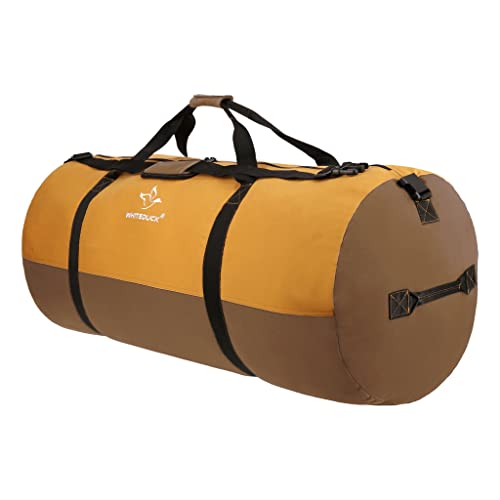
Credit: whiteduckoutdoors.com
Frequently Asked Questions
How Do I Waterproof A Canvas Duffel Bag At Home?
To waterproof a canvas duffel bag, clean it first. Then apply a waterproof spray or wax evenly. Let it dry completely before use to ensure full protection against water.
What Materials Are Best For Waterproofing Canvas Bags?
Beeswax, silicone sprays, and specialized waterproofing sprays work best. They create a water-resistant barrier without damaging the canvas texture or color.
How Often Should I Reapply Waterproofing On My Duffel Bag?
Reapply waterproofing every 3 to 6 months depending on use. Heavy exposure to rain or moisture may require more frequent treatments.
Can Waterproofing Affect The Breathability Of Canvas Fabric?
Yes, waterproofing can reduce breathability by sealing fabric pores. However, most sprays balance protection and airflow to keep the bag usable.
Conclusion
Waterproofing a canvas duffel bag protects your belongings from water damage. Use the right spray or wax and apply evenly for best results. Let the bag dry completely before use. Regular maintenance keeps your bag water-resistant over time. This simple process saves money and extends your bag’s life.
Now, your duffel can handle rain and spills with ease. Keep your gear safe and dry on every trip. Give your canvas bag the care it deserves.